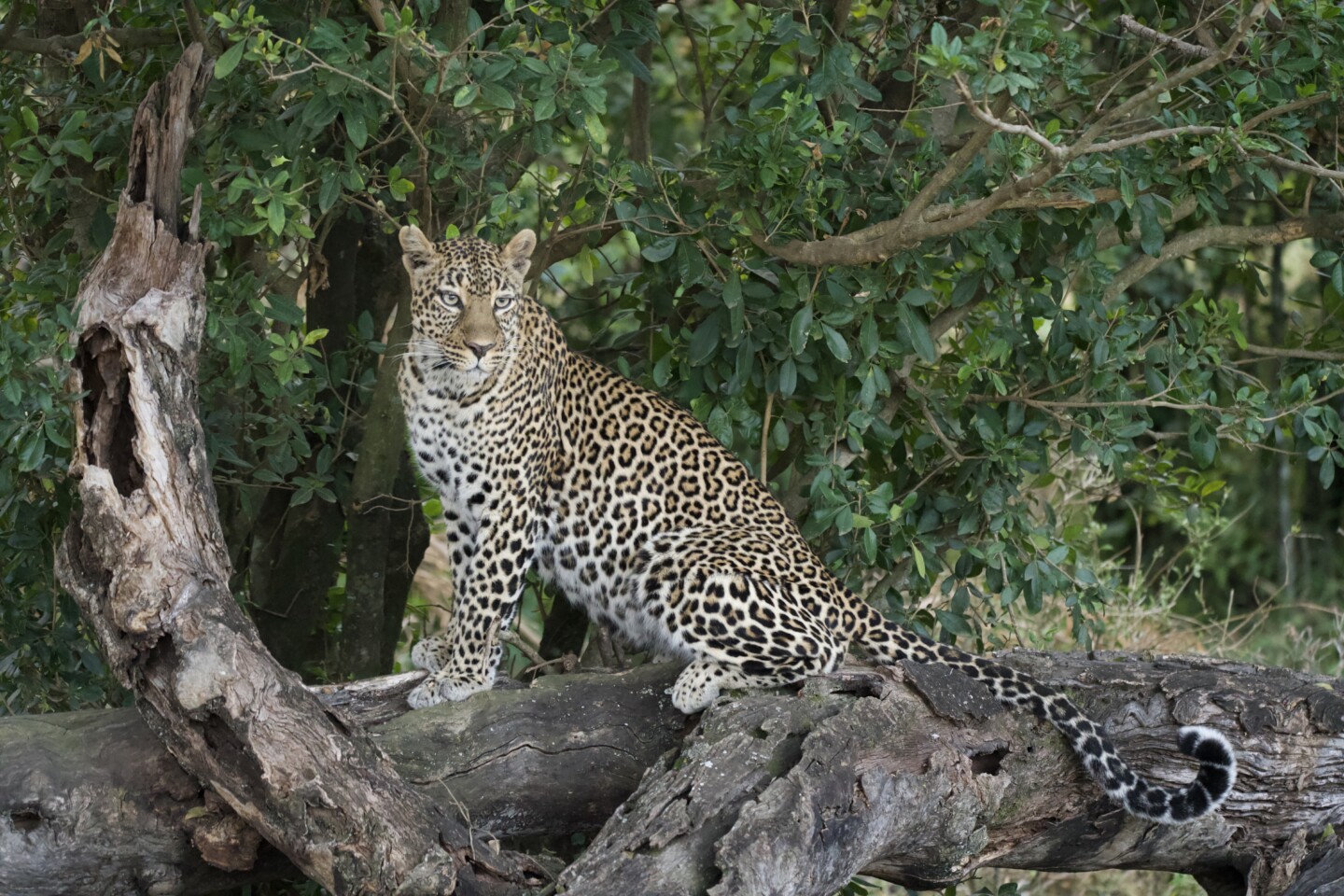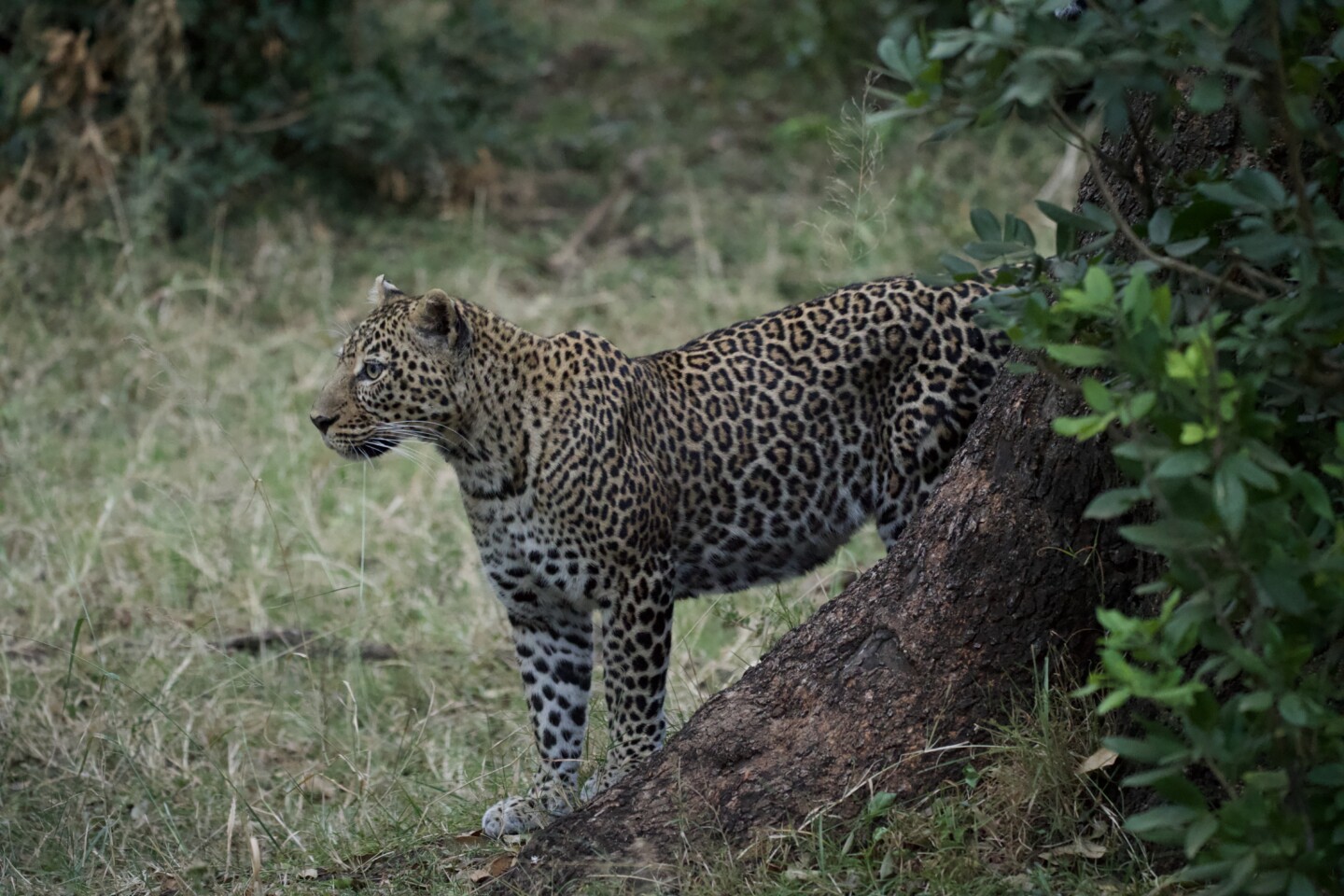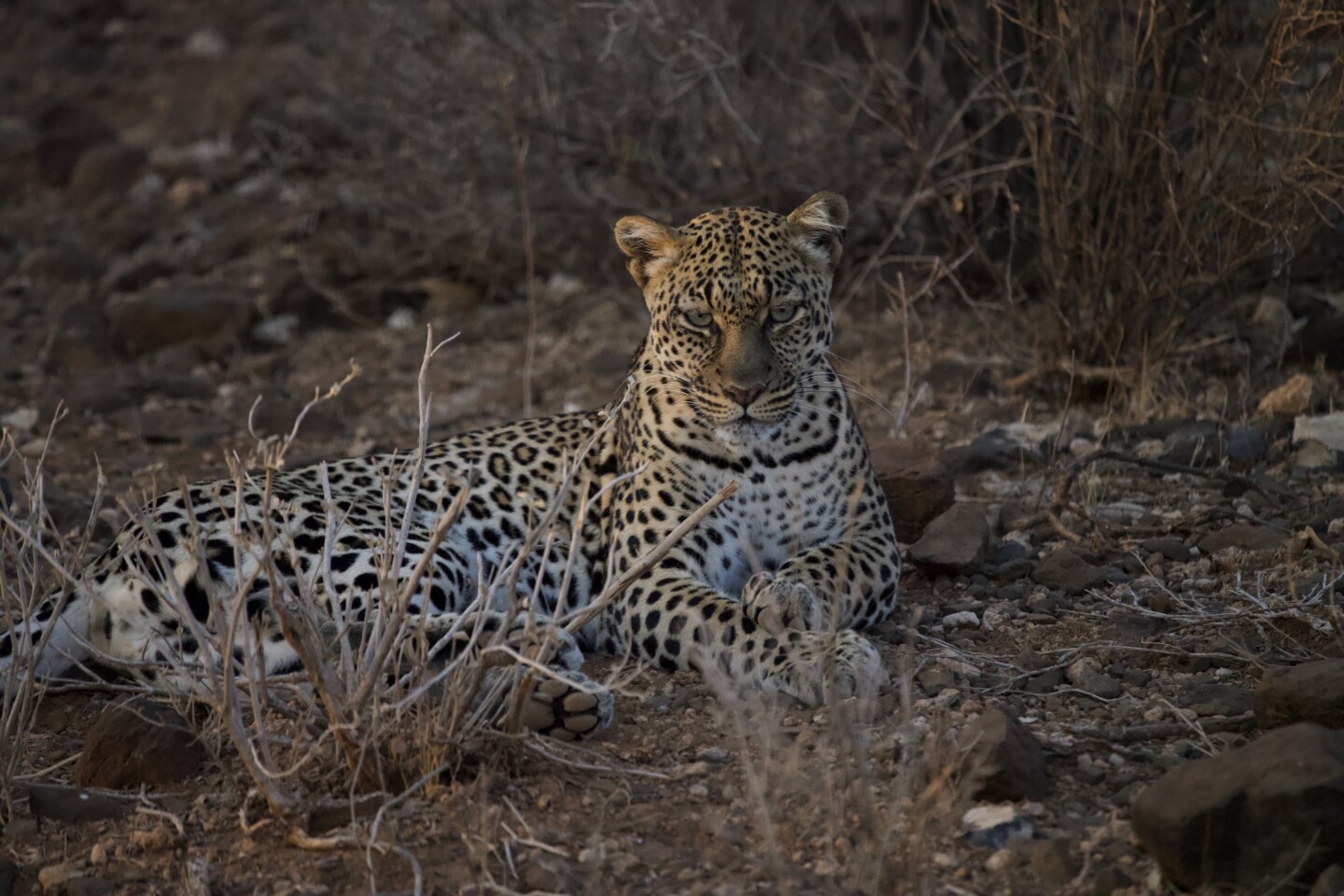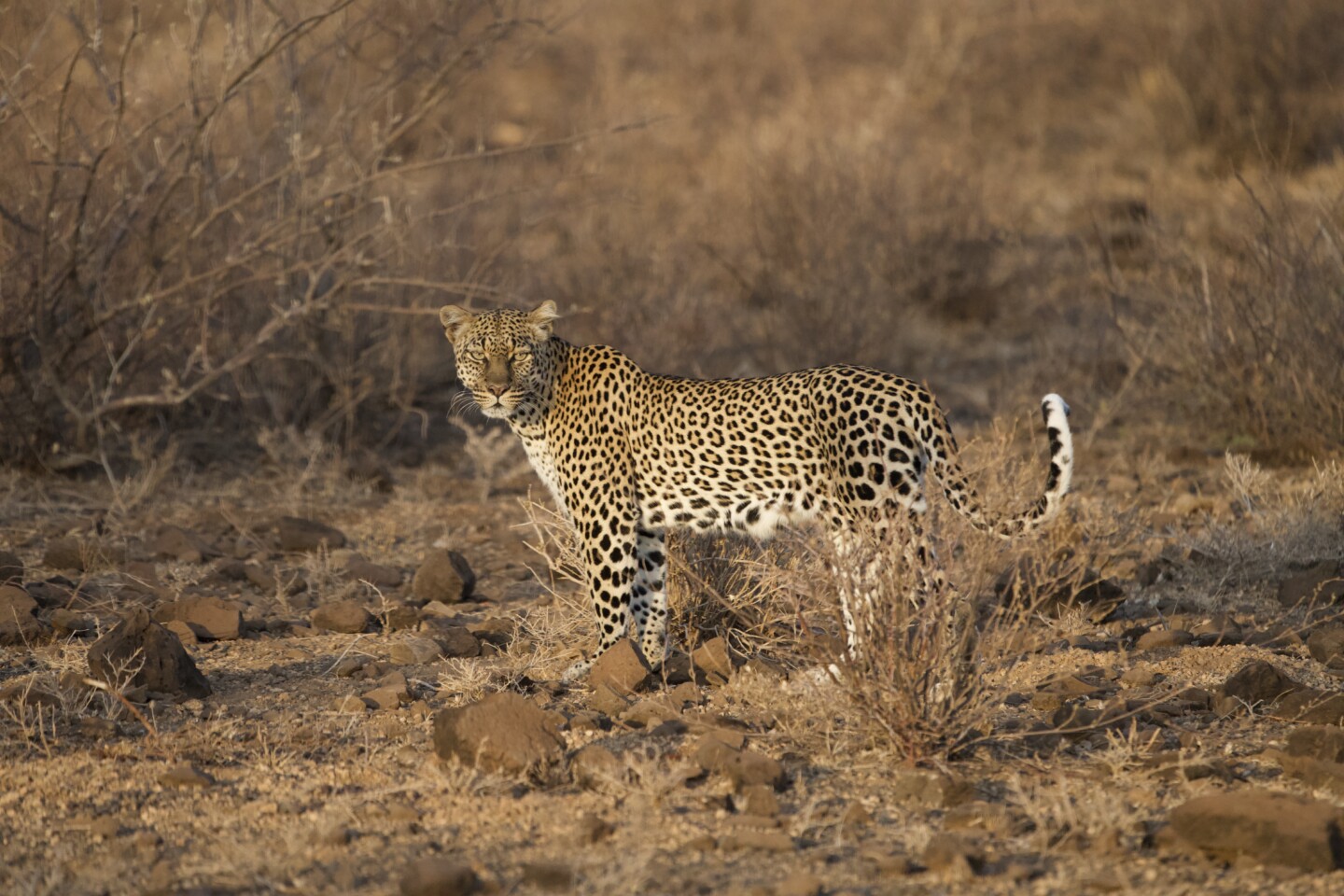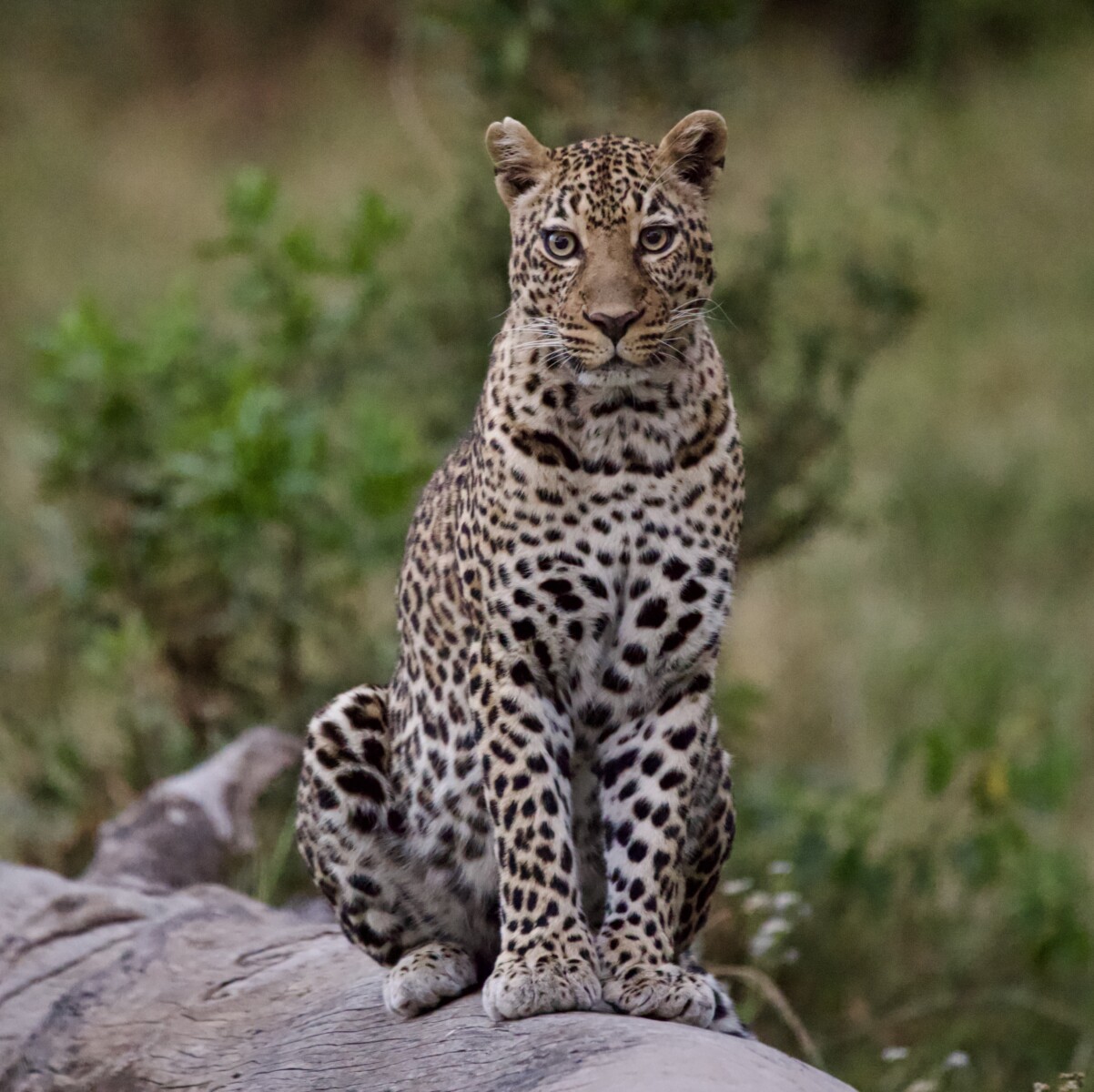
The leopard (Panthera pardus) is a sleek, powerfully built big cat renowned for its stunning spotted coat and unparalleled adaptability across various habitats, from African savannas to Asian rainforests. Unlike its other feline relatives, the leopard exhibits an exceptional ability to thrive in both densely forested areas and open terrains, thanks to its versatile hunting skills. Characterized by its rosette-patterned fur, which provides excellent camouflage, the leopard is also noted for its muscular build, strong jaw, and piercing, golden eyes. Unique among big cats, it frequently drags its prey up trees to safeguard it from scavengers, demonstrating remarkable strength and strategic acumen. Additionally, leopards display an impressive range of vocalizations, from growls and roars to the distinctive 'sawing' call, reflecting their complex social behavior. Their combination of physical prowess, adaptability, and mysterious allure cements their status as one of the most iconic and fascinating members of the animal kingdom.
Habitats & Distribution
Leopards have an incredibly adaptable habitat range, inhabiting a wide variety of environments including savannas, rainforests, mountains, and even arid regions. They thrive in both dense forests and open grasslands, demonstrating remarkable versatility in their survival. These formidable predators prefer areas with plentiful cover, such as thick bushes and rocky outcrops, which provide camouflage and stalking opportunities for hunting.
Geographically, leopards are distributed across sub-Saharan Africa, parts of the Middle East, and Asia, extending to regions in India, China, and Southeast Asia. They have one of the largest distributions among big cats, a testament to their adaptability. However, within this range, their population density varies significantly due to habitat loss, human conflict, and hunting pressures. Their elusive nature often makes them difficult to spot, particularly in densely populated or heavily forested areas where they are adept at remaining hidden.
Behaviours & Reproduction
Leopards exhibit solitary behavior, primarily associating with others only for mating purposes. Their mating habits involve vocalizations to attract partners and scent-marking to establish territories. Females enter estrus every few weeks and signal their readiness to mate through specific vocal calls and scent markings. After a gestation period of roughly 90-105 days, a female will give birth to a litter of 2-4 cubs, typically in a secluded den.
These cubs remain hidden for the first few months of their lives and are weaned by three months but stay with their mother until they are around 18-24 months old, learning essential survival skills. Once independent, they disperse to establish their own territories. Leopards are also known for their adaptability in various environments, which is reflected in their diverse hunting strategies and ability to thrive both in forests and savannas.
Diet
Leopards (Panthera pardus) have a highly adaptable and varied diet, which makes them successful predators in diverse habitats ranging from rainforests to savannas and mountainous regions. Their primary diet consists of medium-sized ungulates such as deer and antelope, but they are also known to hunt smaller mammals, birds, reptiles, and even fish. Leopards are opportunistic hunters and will consume almost anything they can catch, including rodents, insects, and carrion. One of the most interesting aspects of their feeding behavior is their ability to drag prey, often heavier than themselves, up into trees to avoid scavengers like hyenas and lions. This arboreal caching behavior not only secures their meal from competitors but also allows them to feast at leisure. Additionally, leopards have been observed to adapt their hunting techniques and prey selection based on the availability of food in their environment, showcasing their remarkable flexibility as predators.
Colors
The leopard has a tawny or golden-yellow coat covered in irregular black rosettes and spots that provide excellent camouflage in its natural habitat. Its underbelly is white with solid black spots, and the tail is ringed with dark bands, ending with a black tip. Melanistic individuals, known as black panthers, exhibit a solid black coat while still showing faint rosette patterns.
Fun Facts
Leopards are incredibly versatile adapters, known for their ability to thrive in diverse habitats ranging from rainforests to savannas and even urban areas. These spotted felines are solitary and primarily nocturnal, often storing their kills in trees to avoid scavengers like hyenas. Remarkably, they can jump up to 10 feet high and leap distances of over 20 feet in a single bound. Leopards are also skilled swimmers and have a distinctive practice of marking territory with claw marks and scent trails. Their rosettes provide perfect camouflage, making them nearly invisible in the dappled light of the forest.
Conservation Status & Efforts
Leopards (Panthera pardus) are currently listed as Vulnerable on the International Union for Conservation of Nature (IUCN) Red List, with population trends showing a general decline across their range. Primary threats include habitat loss and fragmentation, human-wildlife conflict, poaching for their skins and body parts, and depletion of their prey base due to overhunting by humans. In some regions, particularly in Africa and Asia, leopard populations are increasingly isolated, further exacerbating their vulnerability to genetic bottlenecks.
Conservation efforts for leopards involve a mix of legal protection, habitat conservation, and community engagement initiatives. Protected areas are being established and expanded to preserve critical habitats, while anti-poaching patrols and stricter law enforcement aim to curb illegal hunting. Numerous organizations are also working to mitigate human-wildlife conflict by promoting coexistence strategies, such as better livestock management and compensation schemes for communities affected by leopard predation. Additionally, public awareness campaigns and education programs help foster a more positive attitude toward leopards, encouraging local support for conservation measures.
Gallery