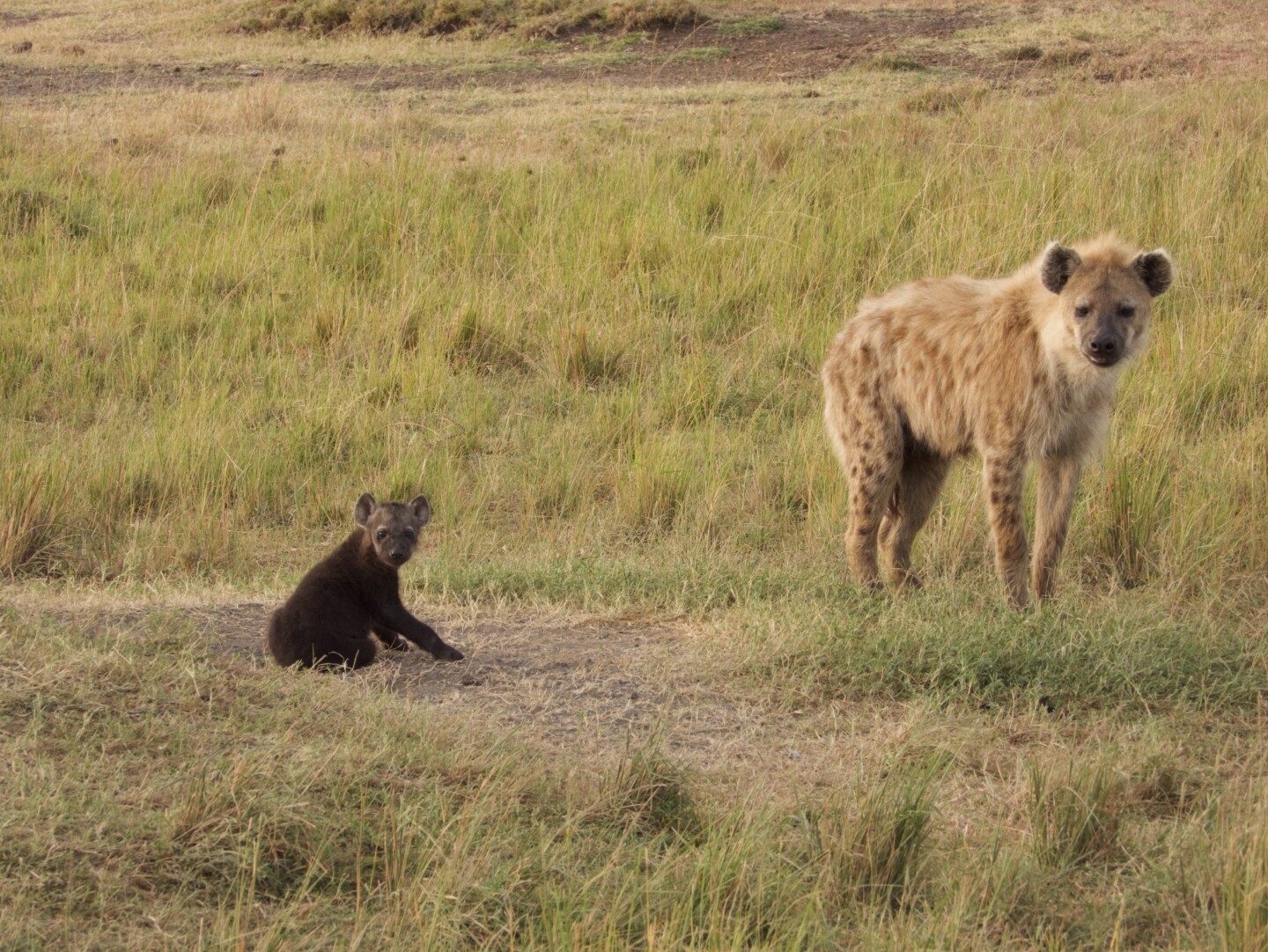
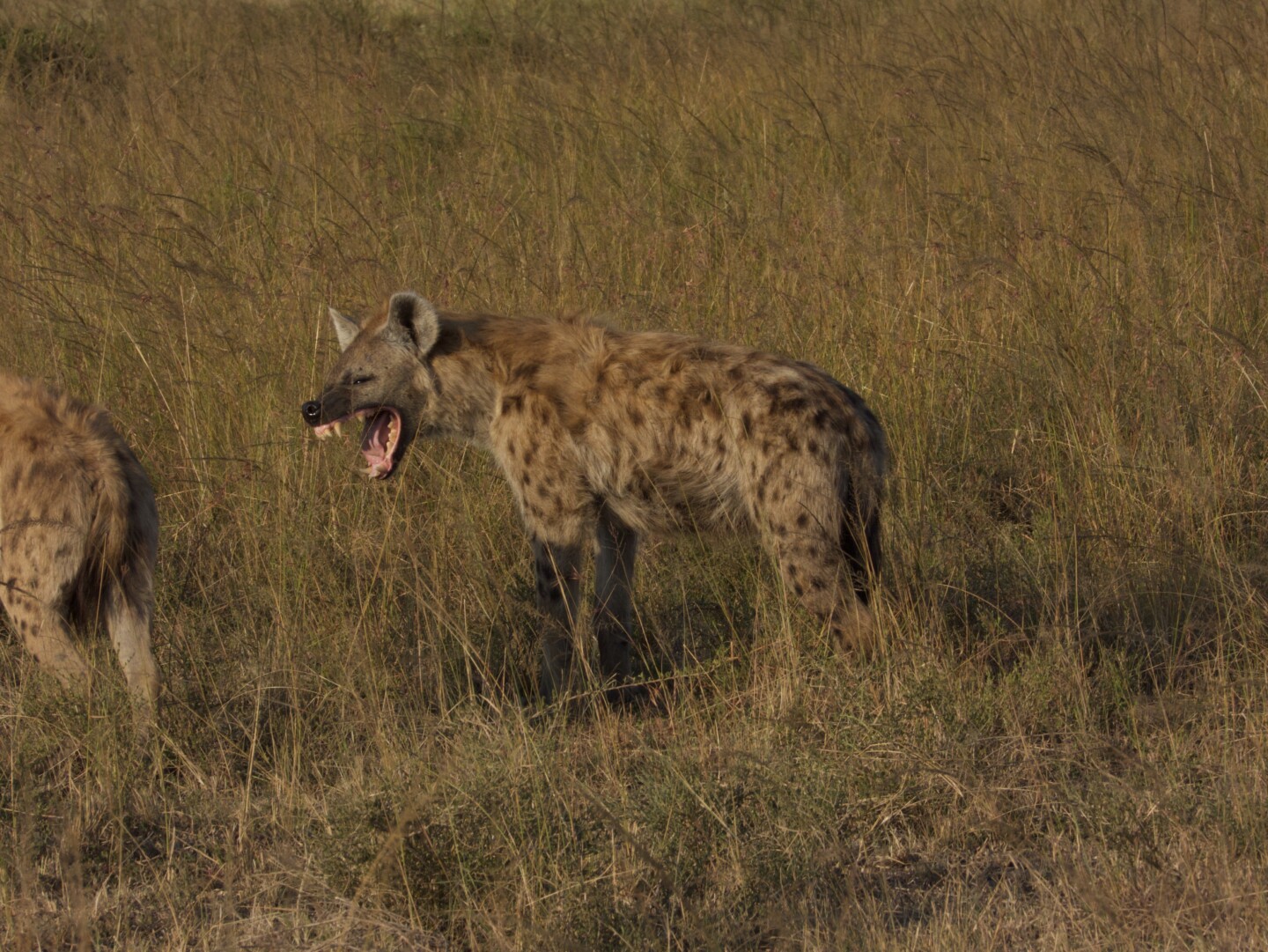
The Spotted Hyena (Crocuta crocuta), also known as the laughing hyena, is one of Africa's most fascinating and misunderstood predators. This powerful mammal is instantly recognizable by its robust build, long muscular neck, and distinctive spotted coat, which varies from light tan to gray with black rosettes. Renowned for their bone-crushing jaws capable of exerting immense pressure, spotted hyenas are opportunistic feeders with a diet ranging from carrion to live prey. Unique to their social structure is the matriarchal hierarchy, where females dominate males and exhibit more aggressive behaviors. Known for their eerie, laughter-like calls, spotted hyenas communicate through a complex array of vocalizations, making them incredibly social and intelligent creatures. Their adaptability and cunning ensure that they thrive in a range of habitats, from savannas to mountainous regions, embodying both the resilience and resourcefulness of Africa's diverse wildlife.
Habitats & Distribution
Spotted Hyenas inhabit a diverse range of environments across sub-Saharan Africa, including savannas, grasslands, woodlands, and mountainous forests. They are particularly abundant in areas where prey is plentiful, such as the Serengeti plains in Tanzania. These adaptable carnivores are also known to live in semi-desert regions, as well as marshes and even urban areas where they scavenge for food.
Their geographical range extends from Senegal in the west to Ethiopia in the east, and all the way down to southern Africa, encompassing countries like Zambia, Zimbabwe, and South Africa. Despite their adaptability, they tend to avoid dense rainforests and the driest deserts. The spotted hyena’s ability to exploit a wide variety of habitats helps ensure its continued survival across this extensive range.
Behaviours & Reproduction
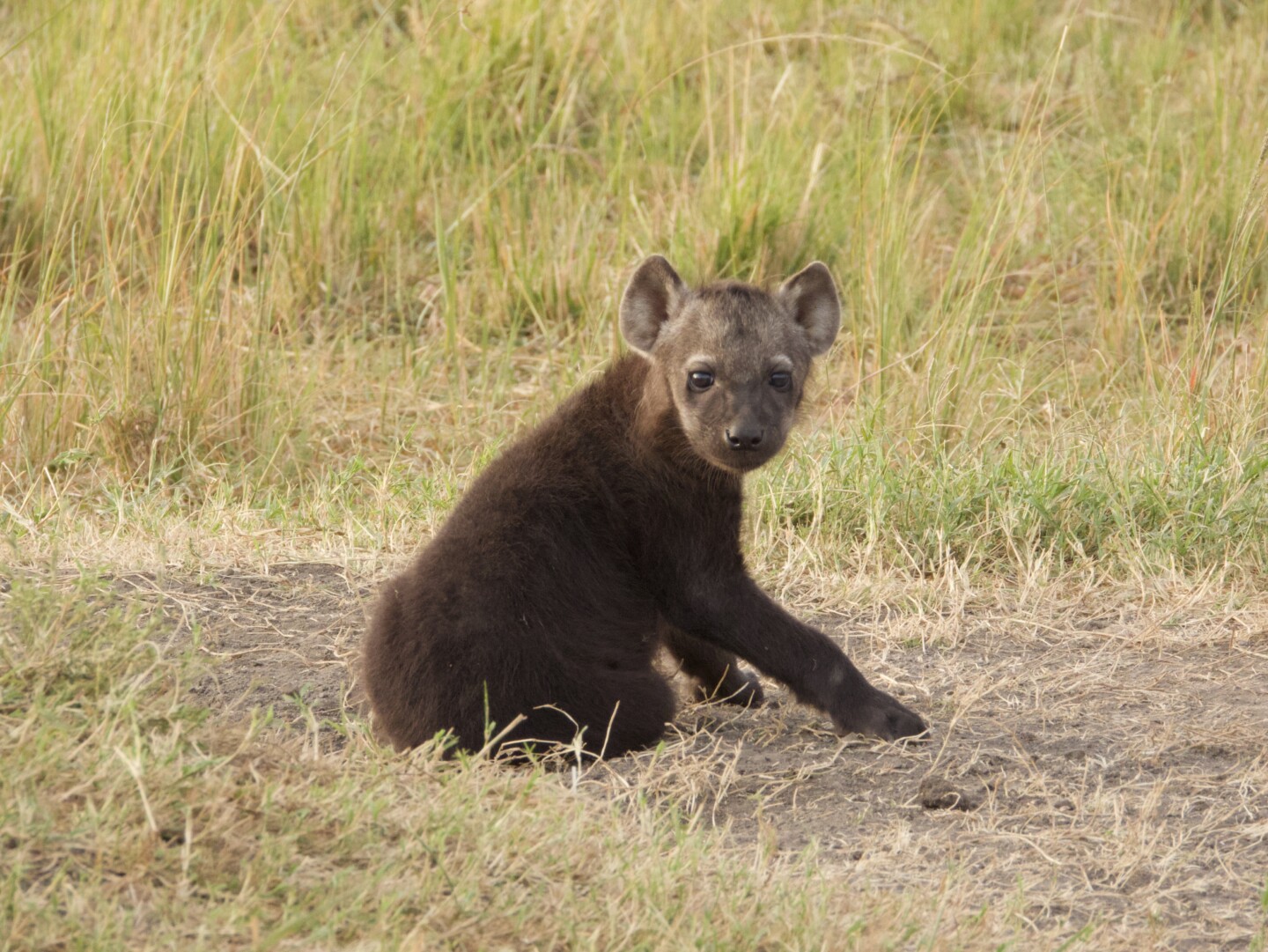
Spotted Hyenas exhibit complex social structures, living in large, matriarchal clans where females typically outrank males. Females are visibly larger and more dominant, controlling both resources and mating opportunities. Reproduction involves fierce competition among males, who often exhibit submissive behaviors to gain favor with dominant females. Unlike many mammals, female hyenas possess pseudo-penises which complicate the mating process, making successful copulation a challenge. After a gestation period of approximately 110 days, females give birth to typically two cubs, who are highly dependent on their mother's milk and protection. Cubs are often born with precocious features, including open eyes and teeth, enabling them to compete for resources from an early age.
Diet
The diet of the spotted hyena (Crocuta crocuta) is highly versatile and primarily carnivorous, encompassing a wide variety of prey including wildebeest, zebras, antelopes, and other ungulates. Known for their powerful jaws and digestive systems, spotted hyenas can consume and digest skin, bones, and other hard tissues that other predators often leave behind. They are both proficient hunters and effective scavengers, often taking the spoils from other predators like lions and leopards. Interestingly, their hunting success rate can reach up to 75%, and they are capable of coordinating in groups to take down large prey. The communal nature of their feeding rituals, often involving intense vocalizations and a strict hierarchy, is also a notable aspect of their dietary behavior.
Colors
The Spotted Hyena (Crocuta crocuta) has a coarse, tan to greyish-brown coat adorned with irregular dark spots that vary in shape and size, providing effective camouflage in the savanna. The spots are more concentrated on the hyena's back and legs, with the head and neck typically lighter. They also possess distinctive black-tipped ears and a short, bristly mane that can be raised when alarmed.
Fun Facts
Spotted hyenas are known for their matriarchal social structure, where the females are larger, more dominant, and even more aggressive than the males. They have an extraordinary vocal range, including their iconic "laugh," which actually signifies social status or excitement. Unique among mammals, spotted hyenas can digest almost everything they consume, including bone, because of their highly acidic stomachs. A quirky fact is that they often engage in "greeting ceremonies" where they lift their hind legs to expose their genitals to each other as a sign of submission.
Conservation Status & Efforts
The conservation status of the Spotted Hyena (Crocuta crocuta) is currently classified as "Least Concern" by the International Union for Conservation of Nature (IUCN), although population trends vary regionally. In some areas, populations are stable or even increasing, while in others they are declining due to habitat loss, human-wildlife conflict, and hunting. The primary threats to spotted hyenas include habitat fragmentation, depletion of prey species, and direct persecution by humans who view them as pests or threats to livestock.
Conservation efforts for spotted hyenas include habitat protection and establishing protected areas that ensure the availability of prey species. Anti-poaching initiatives and community-based conservation programs aim to mitigate human-wildlife conflict by promoting coexistence strategies and compensating farmers for livestock losses. Additionally, some research and education programs are focused on altering negative perceptions of hyenas, highlighting their ecological role as scavengers that help maintain healthy ecosystems.
Gallery