Blanco River
A serene gem in Colombia's Andean Region, the Blanco River winds through lush valleys, offering crystal-clear waters perfect for swimming, fishing, and soaking in untouched natural beauty.
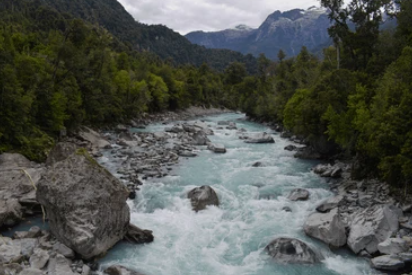
Flowing through Colombia's Andean highlands, the Blanco River is a ribbon of crystalline waters framed by emerald valleys and mist-cloaked peaks. Its gentle currents invite leisurely kayaking, while secluded pools offer serene moments amid untouched nature. A haven for biodiversity, the river whispers tales of the Andes—where the rhythm of water and wilderness creates an escape both tranquil and subtly exhilarating.
Destination Facts
- Official Name: N/A
- Type of Destination: River
- Brief Description: The Blanco River is a serene waterway winding through Colombia's Andean highlands, known for its crystalline waters and lush surrounding landscapes.
- Location: Andean Region (Región Andina), Colombia
- Year Established/Founded: N/A
- Governing Body/Management: Local environmental or regional authorities (specific entity not widely documented)
- Significance/Known For: Its pristine waters and role in local ecosystems, often frequented by nature enthusiasts and anglers.
- Size/Area: N/A (length and basin details not prominently cited)
- Population: N/A
- Main Attractions/Key Features:
- Scenic riverside trails ideal for hiking and birdwatching.
- Opportunities for freshwater fishing in its clear currents.
- Best Time to Visit: Dry season (December to March) for optimal water clarity and accessibility.
- Entrance Fee/Ticket Info: Free access (no formal entry points or fees noted).
- Operating Hours: N/A (open access year-round)
- Website: N/A (no prominent official site identified)
Essentials
- Best Months to Visit: January, February, December
History
History of Blanco River
The Blanco River, coursing through Colombia's Andean Region, is a waterway steeped in both natural and cultural significance. Its crystalline waters, fed by high-altitude tributaries, have shaped the landscapes and livelihoods of the communities along its banks for centuries. While the river itself is a product of geological forces, its history is intertwined with the indigenous peoples who first inhabited the region, followed by Spanish colonization and the subsequent development of agriculture and trade in the area.
In pre-Columbian times, the river was likely a vital resource for indigenous groups such as the Muisca, who revered water as sacred. During the colonial era, the Spanish exploited the river's resources, redirecting its flow for mining and agriculture. In more recent history, the Blanco River has become a symbol of regional identity, its waters supporting coffee plantations and small-scale farming while remaining a serene escape for travelers seeking the tranquility of Colombia's Andean highlands.
Key Historical Dates
- Pre-1500s: The Blanco River served as a lifeline for indigenous Muisca communities, who relied on its waters for agriculture and spiritual practices.
- 1537: Spanish conquistadors, led by Gonzalo Jiménez de Quesada, explored the region, altering the river's role through forced labor and resource extraction.
- 19th century: The river became integral to Colombia's agrarian economy, particularly in coffee cultivation, as haciendas flourished along its fertile banks.
- 20th century: Environmental awareness grew, leading to efforts to preserve the Blanco River's ecosystem amid expanding agricultural and urban pressures.
Tours and Day Trips
Popular Tours & Day Trips from Blanco River
1. Blanco River Rafting Adventure
For those seeking adrenaline, the Blanco River offers exhilarating white-water rafting through its swift currents and scenic gorges. The half-day excursion includes professional guides and equipment, perfect for adventure seekers. The route passes lush Andean landscapes, with occasional sightings of local wildlife. Suitable for ages 12 and up, this tour is a highlight for thrill-loving travelers.
2. Coffee Farm Tour in Andean Highlands
A short drive from Blanco River lies the heart of Colombia’s coffee country. Visitors can tour a traditional finca cafetera, learning about the cultivation and processing of Arabica beans. The experience includes a tasting session of freshly brewed coffee, paired with regional snacks. Ideal for culture and gastronomy enthusiasts, this day trip lasts approximately five hours.
3. Hike to Cascada La Perla
A moderate two-hour hike from Blanco River leads to Cascada La Perla, a hidden waterfall nestled in the Andean cloud forest. The trail winds through vibrant flora, with opportunities to spot hummingbirds and orchids. The serene pool at the base invites a refreshing dip. This excursion suits nature lovers and families with older children.
4. Colonial Town of Salento
Just over an hour from Blanco River, the charming town of Salento offers a glimpse into Colombia’s colonial past. Wander its colorful streets lined with artisan shops, or visit the nearby Cocora Valley, famous for its towering wax palms. A leisurely day trip, Salento appeals to history buffs and photographers alike.
When to visit
Best Time to Visit Blanco River
Seasonal Breakdown
The Blanco River, nestled in Colombia's Andean Region, experiences a tropical climate with distinct wet and dry seasons. Unlike temperate zones, the river’s surroundings are characterized by variations in rainfall rather than dramatic temperature shifts. Here’s what to expect throughout the year:
Dry Season (December–March)
This period offers the most stable weather, with minimal rainfall and temperatures averaging 18–25°C (64–77°F). Days are typically sunny, making it ideal for outdoor activities like rafting, hiking, or simply enjoying the river’s crystalline waters.
- Pros: Optimal conditions for water sports; trails and roads are easily accessible.
- Cons: Higher tourist traffic, especially during Colombian holiday periods like Christmas and New Year.
Local events include the Feria de Manizales (early January), a vibrant festival with parades and cultural performances, though it may draw crowds away from the river’s tranquility.
Wet Season (April–November)
Rainfall peaks between April–May and September–November, with occasional heavy downpours. Temperatures remain mild (16–22°C / 61–72°F), but humidity rises. The river swells, creating dramatic landscapes but limiting some activities.
- Pros: Lush greenery and fewer visitors; ideal for photography and solitude.
- Cons: Some trails may be muddy or closed; water sports can be hazardous due to strong currents.
Note: The Festival de la Luna Verde (September) celebrates Afro-Colombian culture in nearby towns, offering a unique cultural detour.
Shoulder Seasons (Late March & August)
These transitional months balance moderate rainfall and manageable crowds. August, in particular, sees a brief respite between wet periods, with pleasant temperatures and occasional sunshine.
- Pros: Lower accommodation prices; a good compromise for those avoiding extremes.
- Cons: Weather can be unpredictable—pack for both rain and sun.
Overall Recommendation
For adventure seekers, the dry season (December–March) is unbeatable, offering prime conditions for rafting and exploration. Nature lovers may prefer the wet season’s emerald landscapes, despite the rain. Shoulder seasons suit budget-conscious travelers seeking a quieter experience.
Considerations
Peak season (December–January) brings higher prices and crowded attractions, while the wet season often yields discounts. Always check local advisories for trail or river access, especially after heavy rains.
What to pack
What to Pack for Blanco River
The Blanco River, nestled in Colombia's Andean region, offers a blend of river adventures and lush landscapes. Pack thoughtfully for its variable mountain climate and water-based activities.
For the River
- Quick-Dry Clothing: Lightweight, moisture-wicking fabrics are ideal for kayaking or swimming, drying rapidly in the humid air.
- Water Shoes with Grip: The riverbed can be rocky or slippery; sturdy soles will protect your feet while wading.
- Dry Bag: Essential to keep valuables and spare clothes dry during boat excursions or sudden rain showers.
For the Climate
- Lightweight Rain Jacket: The Andean region is prone to sudden downpours; opt for a packable, breathable layer.
- Layered Clothing: Mornings and evenings can be cool, while midday warms up—versatile layers are practical.
- Sun Protection: High-altitude sun is intense; include a wide-brimmed hat and reef-safe sunscreen (for river use).
Practical Extras
- Insect Repellent: Riversides attract mosquitoes, especially at dusk; a DEET-free option is considerate for the ecosystem.
- Collapsible Water Bottle: Stay hydrated without bulk; some trails lack refill stations.
- Waterproof Phone Case: For capturing river moments without risking damage.
Culture
The Blanco River: A Thread of Tradition in the Andean Highlands
Flowing through Colombia's Andean highlands, the Blanco River is more than a waterway—it is a cultural artery. Unlike the broader region, the communities along its banks have preserved distinct traditions shaped by the river’s rhythms, blending Indigenous, Spanish, and Afro-Colombian influences into a quiet but resilient identity.
River Rituals and Daily Life
Here, the river dictates time. Mornings begin with lavanderas (laundry women) beating clothes against smooth stones, a practice unchanged for generations. Fishermen cast handmade nets at dusk, their techniques passed down orally. Visitors may witness the rare Ofrenda al Río, a small offering of flowers or coins left by elders to honor the water’s spirit—a tradition rooted in pre-Columbian Muisca beliefs.
Crafts Woven from Water and Wool
The river’s mineral-rich clay fuels a local pottery tradition, notably the cántaros blancos (white jugs), named for the river and fired in communal kilns. Wool from highland sheep is dyed with natural pigments—ochre from riverbank clay, indigo from local plants—and woven into ruanas (ponchos) with geometric patterns unique to Blanco River villages.
Where to Observe
- Taller Doña Luz: A cooperative where artisans demonstrate pottery techniques.
- Tejedores del Blanco: A weaving collective open to visitors on market days (Thursdays).
Flavors of the River Valley
The local cuisine reflects the river’s bounty. Trucha ahumada (smoked trout), prepared over guava wood, is a signature dish, served with papas criollas and a herb-infused ají de río—a chili sauce made with watercress from the riverbanks. A lesser-known delicacy is hormigas culonas
Festivals: Echoes of the Past
The Fiesta de la Cosecha (Harvest Festival) in February merges Catholic and Indigenous traditions. Processions honor the Virgin of the Waters, while masked dancers perform the Baile de los Pescadores, a pantomime of fishing rituals. Unlike larger Andean festivals, this event remains intimate, with music played on tiple (a small guitar) and carangano (a bamboo percussion instrument).
Local Etiquette: Unspoken Codes
- Greet elders first with a polite "Buenos días/tardes"—direct eye contact is respectful but not prolonged.
- Photographing lavanderas requires permission; it’s customary to offer a small coin or help carry a basket in exchange.
- When offered food, accept at least a token portion—declining is considered dismissive.
A Note on Language
The local dialect softens the "s" at word endings, a trait shared with nearby highland towns. Some elders still use Muisca loanwords, like "chicha" (fermented corn drink) or "curí" (guinea pig), though the latter is no longer eaten here.




