 Animales de Georgia del Sur – el mayor espectáculo de vida salvaje de la Tierra
Explore la impresionante fauna de Georgia del Sur, hogar de pingüinos, focas y diversas especies de aves en un impresionante entorno natural.
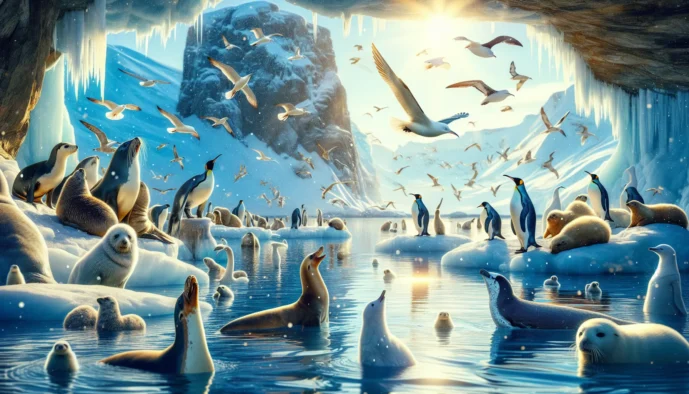
If you’re passionate about breathtaking wildlife encounters, South Georgia Island should be at the top of your bucket list. Nestled in the southern Atlantic Ocean, this remote locale is home to a dazzling array of fauna, unrivaled in its collective grandeur. From the staggering colonies of king penguins to the lumbering elephant seals, and a multitude of seabirds that fill the skies, South Georgia offers an awe-inspiring glimpse into nature’s unspoiled beauty. This article delves into what makes South Georgia’s wildlife one of the greatest spectacles on Earth, promising to meet your thirst for knowledge about these majestic creatures and their habitat.
Esenciales
Geografía y clima
Ubicación y Topografía
South Georgia is a remote and rugged island located in the southern Atlantic Ocean. It lies around 1,400 kilometers east of the southern tip of South America. This island is part of a British Overseas Territory called South Georgia and the South Sandwich Islands. It’s a long and narrow piece of land that stretches about 165 kilometers from end to end. Dramatic mountain landscapes shape South Georgia, with jagged peaks and sweeping valleys forming a stunning backdrop. Glaciers cover much of the island, giving it a frosty and wild appearance that is nothing short of mesmerizing.
Clima y Cambios Estacionales
The climate of South Georgia is sub-Antarctic, which means it is cold and often wet. The weather can change quickly, so it’s always an adventure. Summers are short and cool, usually lasting from December to February. During this time, temperatures hover around 8 degrees Celsius, which may not seem very warm, but it is a delightful escape from the more frigid winter months. Winters on the island are chilly, with temperatures dropping to just below freezing. During this time, the island gets covered in snow, turning it into a white wonderland.
Seasonal changes in South Georgia are more than just shifts in temperature. In the summer, the island becomes very busy with wildlife activity. This is when many animals breed and raise their young. As the snow melts, the land bursts into life, with seabirds and seals taking advantage of the warmer days. In winter, stormy seas and strong winds dominate, making survival more challenging for the creatures that call this island home.
Mamíferos Marinos
Focas Elefante
Imagina criaturas masivas descansando en la playa, tendidas bajo el sol. Estos son elefantes marinos, y Georgia del Sur es uno de sus lugares favoritos para reunirse. Aquí, estos sellos vienen a reproducirse y dar a luz a sus crías. Las hembras llegan primero y encuentran lugares seguros, donde sus crías nacerán y serán amamantadas. Una vez que las hembras se establecen, las playas cobran vida.
Sitios de Cría y Nacimiento
Cada año, miles de elefantes marinos viajan a Georgia del Sur durante la temporada de cría. Las playas se convierten en bulliciosas guarderías, donde las madres y sus adorables y esponjosas crías permanecen juntas. Es un momento importante para las crías, ya que dependen de sus madres para obtener calor y leche. Después de unas semanas, estos cachorros comienzan a explorar su entorno, aprendiendo sobre su mundo.
Estructura Social Jerárquica
Elephant seals have a fascinating social order. The dominant males, known as “bulls,” establish territories along the beach. They compete for the right to mate with the females, engaging in loud, booming roars and sometimes fierce battles. Watching them claim their territory is both thrilling and impressive. The bulls are crucial to their colonies, ensuring the seals’ future generations.
Focas Peludas
Las focas peleteras son otra maravilla marina que se encuentra en las costas de Georgia del Sur. Sus pelajes lisos y brillantes son perfectos para deslizarse por las frías aguas. Estas focas son más pequeñas pero igual de cautivadoras, con sus grandes ojos y naturaleza juguetona.
Patrones de Apareamiento
Like elephant seals, fur seals come to South Georgia for their breeding season. The males arrive early to stake out their territories, which they defend vigorously. Female seals soon follow, and each male tries to attract as many mates as possible. It’s a lively and competitive time, with much barking and splashing as seals move around their patch of beach.
Hábitos alimentarios
Después de cuidar a sus crías, las hembras de los lobos marinos se aventuran en el mar en busca de alimento. Su dieta consiste principalmente en peces y calamares, los cuales cazan con gran habilidad. Con sus rápidos movimientos y excelentes habilidades de buceo, los lobos marinos son cazadores natos, asegurando que ellos y sus crías tengan suficiente para comer.
Ballenas
The waters surrounding South Georgia are not just home to seals. They’re also a favored haunt of some of the world’s most majestic creatures – whales. These gentle giants pass through on their long journeys across the ocean, feeding and socializing in these rich waters.
Patrones Migratorios
Muchas especies de ballenas visitan Georgia del Sur durante sus migraciones. Las ballenas recorren distancias inmensas, a menudo siguiendo rutas ancestrales en busca de alimento. Se alimentan de krill y peces pequeños, aprovechando las aguas ricas en nutrientes. Observar a estas magníficas criaturas mientras se deslizan por el agua es una experiencia inolvidable.
Diversidad de especies
South Georgia’s seas host a variety of whale species, including humpback, blue, and minke whales. Each species has its unique characteristics, from the humpback’s acrobatic leaps to the blue whale’s immense size. This diversity ensures that the seas around South Georgia are full of surprises, with different whales appearing throughout the year.
Diversidad de Aves
### King Penguins
King penguins are one of the most iconic birds found on South Georgia. These striking birds, with their sleek bodies and vibrant orange markings, gather in huge colonies that can number in the tens of thousands. A single colony can be a bustling mini-city of penguins, all chattering and waddling about. During the breeding season, male king penguins perform elaborate courtship dances to impress potential mates. Once paired, the female lays just one egg. The parents take turns keeping the egg warm on a special patch of skin while enduring harsh winds and cold conditions.
When it comes to feeding, king penguins are expert fish hunters. They travel far out to sea, diving deep to catch lanternfish and squid. After several days at sea, they return to their colony to feed their hungry chicks. Molting is another important stage of their life. King penguins shed and replace all their feathers at once, during which they stay ashore until they’re waterproof again.
### Macaroni Penguins
Macaroni penguins are easily recognizable by their bright yellow crests that look like bushy eyebrows. On South Georgia, they form dense colonies, often on steep and rocky hillsides. This location helps protect them from predators. Each pair builds a nest of small stones and pebbles, usually laying two eggs, although often only one chick survives.
En cuanto a la dieta, los pingüinos macaroni se alimentan principalmente de krill, pequeñas criaturas similares a camarones que se encuentran en abundancia en el Océano Austral. También comen peces pequeños y calamares. Su estrategia de alimentación implica realizar largos viajes de forrajeo, a veces nadando más de 60 kilómetros en busca de comida. Sin embargo, los pingüinos macaroni deben mantenerse alerta, ya que tienen depredadores como los skúas y los petreles gigantes que atacan sus huevos y crías.
### Albatrosses
Albatrosses are majestic birds with enormous wingspans, allowing them to glide gracefully over the ocean waves. On South Georgia, several species of albatrosses make their homes. They prefer nesting on grassy cliffs and rugged hillsides, laying a single egg every two years. The nesting practices of albatrosses are fascinating. Both parents share responsibilities, from incubating the egg to feeding the chick.
Despite their grace, albatrosses face several threats. These include longline fishing, which can accidentally catch and kill these birds. Conservation efforts are underway to protect albatrosses, such as using bird-safe fishing techniques and monitoring populations. International cooperation is crucial, as these birds travel vast distances across the world’s oceans. Preserving albatross habitats and addressing human threats is essential to ensure these magnificent birds survive for future generations to admire.
Flora y Fauna Única
### Especies de Plantas Endémicas
South Georgia, a remote and wild island located in the Southern Atlantic Ocean, is home to a unique collection of plants that can’t be found anywhere else on the planet. The island’s rugged landscape, which includes towering mountains and icy glaciers, creates a range of habitats where these plants thrive. Despite the cold and windy climate, some hardy species have adapted to thrive in this challenging environment.
One of the most remarkable plants is the South Georgia cabbage, a leafy species that grows low to the ground to withstand the fierce winds. The nutrient-rich soils provide the perfect base for this plant to take root and grow. Another notable plant is the Antarctic hairgrass, a resilient species that covers the ground in dense patches, providing shelter and nourishment for various small creatures. These plants, though not as colorful as those found in warmer climates, are crucial for the island’s delicate ecosystem, supporting both land and marine life.
### Invertebrados
#### Especies Terrestres
In addition to its unique plant life, South Georgia boasts a surprising variety of invertebrates, creatures without backbones. Among these are tiny insects and spiders that manage to survive in the cold, often by taking shelter under stones or within plant tufts. Detritus feeders, like springtails and mites, play an essential role in breaking down dead plant material, recycling nutrients back into the soil. These invertebrates, though small and often overlooked, are vital to maintaining the health of the island’s ecosystem.
#### Invertebrados Marinos
Las aguas que rodean Georgia del Sur están repletas de invertebrados marinos, cada uno adaptado a la vida en el gélido Océano Austral. Una criatura fascinante es el kril antártico, un pequeño crustáceo similar a un camarón que sirve como fuente de alimento crucial para muchos animales más grandes, incluyendo ballenas y focas. Estos kril se agrupan en enormes enjambres, a veces visibles desde la superficie como una mancha rojiza en el agua.
Las estrellas de mar y los erizos de mar, con sus cuerpos espinosos y colores vibrantes, recorren el fondo del océano, junto con delicadas anémonas y nudibranquios, que son moluscos de cuerpo blando y sin concha, a menudo llamados babosas de mar. La rica diversidad de invertebrados marinos alrededor de South Georgia no solo sustenta una red alimentaria compleja, sino que también destaca la increíble capacidad de la vida para adaptarse y prosperar incluso en los entornos más hostiles.
Conservación y Protección
Desafíos Históricos
South Georgia, a remote island in the southern Atlantic Ocean, has faced significant challenges over the years, especially due to human activities. In the 19th and early 20th centuries, the island became a hotspot for the whaling and sealing industries. Ships arrived in large numbers, hunting seals and whales almost to extinction. This overexploitation severely damaged the marine life and disrupted the natural balance. These industries left a heavy footprint on the island’s ecosystem, wiping out countless animals and endangering many species. However, awareness began to grow about how crucial it is to protect such a unique environment.
Esfuerzos Actuales de Conservación
Today, South Georgia is a beacon of conservation. Many initiatives are in place to restore and protect its vibrant wildlife. One of the major efforts includes the South Georgia Heritage Trust’s Habitat Restoration Project. This project has been instrumental in eradicating invasive species like rats and reindeer, which have threatened native bird populations and plant life. These efforts create safe breeding grounds and help native species thrive. Additionally, the island’s surrounding waters are now part of a massive marine protected area, ensuring that fishing is carefully controlled. This helps conserve marine resources and protect countless sea creatures, from tiny krill to enormous whales.
Acuerdos Internacionales
South Georgia’s conservation efforts are bolstered by several international agreements. For instance, as part of the British Overseas Territories, the island follows regulations set by the Convention on the Conservation of Antarctic Marine Living Resources (CCAMLR). This agreement aims to preserve marine life and the ecosystems around Antarctica, including South Georgia. They work to manage fisheries sustainably and protect the broader marine environment. Moreover, South Georgia is under the environmental protections of the Antarctic Treaty System, which promotes peaceful activities and scientific research while conserving precious wildlife and natural habitats. Through these agreements, countries around the world come together, helping ensure that South Georgia’s ecosystems remain healthy and vibrant for generations to come.
Interacción Humana
Historia de la Exploración
South Georgia, a remote island in the southern Atlantic Ocean, has long captured the interest of explorers and adventurers. The island was first discovered in 1675 by a London merchant named Anthony de la Roché. However, it wasn’t until Captain James Cook’s expedition in 1775 that detailed maps were created, giving early explorers a better understanding of this chilly destination. Cook claimed the island for Britain, naming it “Isle of Georgia” after King George III. Over the years, explorers and whalers were drawn to its icy shores, navigating treacherous seas to better understand and utilize its rich resources.
Impacto de las Actividades Humanas
The human impact on South Georgia has been a mix of discovery and exploitation. During the 19th and early 20th centuries, large-scale whaling and sealing operations depleted much of the island’s wildlife. Whalers built processing stations and brought ships teeming with eager hunters, drastically reducing populations of whales and seals. This period of intense hunting left a lasting mark on the ecosystem. Fortunately, much of that exploitation has ceased, but traces of human activity remain, such as abandoned whaling stations that stand as silent witnesses to a bygone era.
Oportunidades de Ecoturismo
Today, South Georgia offers a new kind of human interaction: ecotourism. Visitors flock to the island to witness its breathtaking landscapes and vibrant wildlife. Tourists can see the enormous colonies of king penguins, watch elephant seals lounging on beaches, and spot albatrosses soaring overhead. Guided tours educate visitors about the importance of conservation and the island’s unique natural history, ensuring that the next generation learns to cherish and protect these delicate habitats. Ecotourism provides a sustainable way for people to experience the island while contributing to its preservation, bridging the gap between human curiosity and environmental responsibility.
Amenazas al Ecosistema
Efectos del Cambio Climático
Climate change is a significant threat to the ecosystem of South Georgia. This remote island is experiencing changes in temperature, which affects both the land and the sea. Warmer temperatures can lead to the melting of glaciers, altering landscapes, and affecting the habitat of many species. In the ocean, warmer waters can impact the food chain. Many marine animals, such as krill, which are crucial to the diet of seals, penguins, and whales, rely on cold water to thrive. When the water warms, krill populations can decrease, affecting the animals that feed on them. Moreover, changing weather patterns can disrupt breeding seasons and migratory patterns, causing further stress to the wildlife.
Especies Invasoras
Las especies invasoras representan otra amenaza grave para el equilibrio natural de South Georgia. Se trata de animales o plantas que no son nativos de la región y que han sido introducidos, a menudo por actividades humanas. Las ratas y los ratones son invasores comunes en la isla, y representan un peligro para las especies de aves nativas. Estos roedores se alimentan de huevos y polluelos de aves, reduciendo significativamente sus poblaciones. El South Georgian pipit, un ave nativa, ha sido particularmente afectado. Se están realizando esfuerzos para eliminar las especies invasoras y así ayudar a restaurar y proteger la vida silvestre nativa.
Actividades Humanas
Although human presence on South Georgia is minimal, the impact of human activities can still be felt. Past activities like whaling and sealing have drastically reduced populations of certain marine mammals. While these activities have been curbed, other human actions like fishing and tourism need careful management to prevent overexploitation and environmental degradation. Marine pollution, which mainly comes from distant places, can also affect the pristine waters around the island. Conservationists are working hard to balance human use of resources with the need to protect South Georgia’s unique environment.




