Cuiabá
Cuiabá, the gateway to Brazil's Pantanal, blends vibrant culture with wild adventures. Explore its colonial charm, bustling markets, and nearby nature wonders like Chapada dos Guimarães. A lively base for eco-tourism.
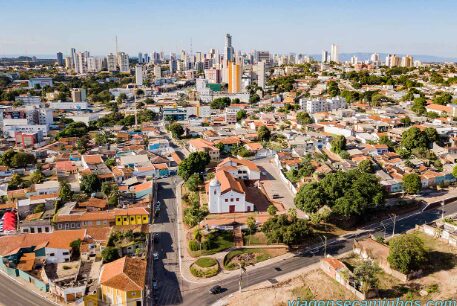
Nestled in Brazil's wild heartland, Cuiabá is a gateway to the Pantanal's untamed beauty, where urban rhythms blend with frontier spirit. This sun-drenched city, rich in cowboy culture and Afro-Brazilian heritage, thrums with open-air markets and churrascarias. Its colonial churches whisper history, while nearby wetlands promise jaguars and macaws—a rare fusion of urban charm and raw nature.
Datos sobre el destino
- Official Name: Cuiabá
- Tipo de destino: Ciudad
- Brief Description: A vibrant gateway to the Pantanal and the Amazon, Cuiabá blends colonial charm with modern urban energy, serving as the cultural and economic heart of Mato Grosso.
- Location: Central-Western Brazil, near the confluence of the Cuiabá and Coxipó rivers.
- Year Established/Founded: 1719
- Governing Body/Management: Municipal Government of Cuiabá
- Significance/Known For: Strategic access point to the Pantanal wetlands, rich indigenous heritage, and a melting pot of Brazilian frontier culture.
- Size/Area: Approximately 3,538 km²
- Population: ~650,000 (metropolitan area exceeds 1 million)
- Main Attractions/Key Features:
- Historic center with Baroque churches like São Benedito.
- Museu do Morro da Caixa d’Água (local history and art).
- Proximity to Chapada dos Guimarães National Park.
- Best Time to Visit: May to September (dry season, ideal for wildlife spotting in the Pantanal).
- Entrance Fee/Ticket Info: N/A (city access); attractions may have fees.
- Operating Hours: N/A (city); specific attractions vary.
- Website: www.cuiaba.mt.gov.br
Esenciales
- Mejores meses para visitar: Enero, febrero, noviembre, diciembre.
Historia
History of Cuiabá
Founded in 1719 by the bandeirante Pascoal Moreira Cabral during the Brazilian gold rush, Cuiabá emerged as a pivotal settlement in the heart of South America. Its strategic location along the Cuiabá River made it a gateway for explorers, missionaries, and fortune-seekers venturing into the untamed interior of Brazil. The city flourished as the capital of Mato Grosso in 1818, cementing its role as an administrative and cultural hub in the region. Over the centuries, Cuiabá evolved from a gold-mining outpost into a vibrant urban center, blending indigenous traditions, colonial heritage, and modern Brazilian dynamism.
Fechas históricas clave
- 1719: Pascoal Moreira Cabral discovers gold in the region, leading to the founding of Cuiabá and sparking a gold rush that drew settlers from across Brazil.
- 1818: Cuiabá is elevated to the status of capital of the Captaincy of Mato Grosso, solidifying its political importance in the Portuguese colonial administration.
- 1892: The city becomes the capital of the newly established state of Mato Grosso, marking its continued prominence in regional governance.
- 1970s: The construction of highways and agricultural expansion transforms Cuiabá into a commercial and logistical center for Brazil's Central-West region.
- 2014: Cuiabá hosts matches for the FIFA World Cup, showcasing its modern infrastructure and cultural vitality to the world.
Visitas y excursiones
Pantanal Wildlife Safari
Embark on a journey into the Pantanal, the world's largest tropical wetland, just a few hours from Cuiabá. This immersive safari offers encounters with jaguars, capybaras, and vibrant birdlife, guided by experts who navigate the region's rivers and trails. Ideal for nature enthusiasts and photographers, the tour typically spans two to three days, though shorter day trips are available. The dry season (May–October) is particularly rewarding for wildlife sightings.
Chapada dos Guimarães National Park
A scenic 70-kilometer drive from Cuiabá leads to this striking plateau, where waterfalls, sandstone cliffs, and cerrado landscapes unfold. Highlights include the Véu de Noiva waterfall and the mystical Portão do Céu viewpoint. Hiking trails cater to all levels, while the park's quartz caves and indigenous history appeal to cultural travelers. A full-day excursion suffices to explore its highlights.
Historic Cuiabá City Walk
Discover the colonial charm of Cuiabá’s center, where baroque churches like Igreja do Rosário and lively markets such as Mercado do Porto reveal the city’s gold-rush past. This half-day walking tour, led by local historians, weaves through cobbled streets, offering tastings of regional dishes like farofa de banana. Perfect for culture seekers and slow travelers.
Fishing Expedition on the Rio Cuiabá
For anglers, the rivers near Cuiabá are legendary, teeming with piranhas and dourado. A guided fishing trip—ranging from a day to a weekend—combines sport with the tranquility of the Pantanal’s waterways. Equipment and permits are typically included, and tours adapt to novices or experienced fishers.
Sesc Pantanal Private Reserve
A lesser-known gem, this 107,000-hectare reserve near Barão de Melgaço (130 km from Cuiabá) is a sanctuary for endangered species. Day visits include canoe rides, birdwatching, and trails through flooded forests. The reserve’s eco-lodge appeals to travelers seeking solitude and deep connection with nature.
Cuándo visitarnos
Best Time to Visit Cuiabá
Desglose estacional
Cuiabá, the gateway to Brazil's Pantanal and Amazon regions, experiences a tropical savanna climate with two distinct seasons: the wet season (October to March) and the dry season (April to September). Each offers unique advantages for travelers.
Wet Season (October to March)
During these months, Cuiabá sees heavy rainfall, high humidity, and temperatures averaging 25°C to 35°C (77°F to 95°F). The landscape becomes lush, and wildlife in nearby Pantanal is more active, making it ideal for nature enthusiasts.
- Pros: Vibrant greenery, excellent birdwatching, fewer tourists.
- Cons: High humidity, occasional flooding, some rural roads may be impassable.
- Events: Festa de São Benedito (December), a traditional religious festival with music and dance.
Dry Season (April to September)
This period brings cooler temperatures (18°C to 32°C / 64°F to 90°F) and minimal rainfall. The dry conditions make it easier to explore Cuiabá's urban attractions and venture into the Pantanal for wildlife spotting.
- Pros: Pleasant weather, optimal for outdoor activities, better road accessibility.
- Cons: Higher tourist numbers, especially in July (school holidays).
- Events: Expocacer (May), an agricultural fair showcasing local produce and culture.
Recomendación general
The dry season (May to September) is generally the best time to visit Cuiabá, particularly for those planning excursions into the Pantanal. However, wildlife photographers may prefer the wet season for its dramatic landscapes and abundant fauna. Avoid peak holiday periods like July if you prefer quieter travels.
Consideraciones
Tourist numbers peak during the dry season, leading to higher accommodation prices. For budget-conscious travelers, the shoulder months of April or late September offer a balance of good weather and moderate crowds. Always check local conditions, as weather patterns can vary.
Qué llevar
What to Pack for Cuiabá
Cuiabá, the gateway to Brazil’s Pantanal, balances urban energy with tropical heat. Pack for sweltering days, sudden rain showers, and the occasional evening breeze.
Ropa y accesorios
- Lightweight, breathable fabrics: Linen or cotton to combat humidity and temperatures often exceeding 30°C (86°F).
- Quick-dry clothing: Useful for sudden downpours or excursions to nearby wetlands.
- Wide-brimmed hat & UV-blocking sunglasses: The sun is intense, even in the city.
- Compact rain jacket or umbrella: Afternoon thunderstorms are frequent, especially from November to March.
Calzado
- Sturdy sandals with grip: For city strolls on uneven sidewalks and casual outings.
- Closed-toe walking shoes: If venturing into the Pantanal or rural areas, protection from insects and rough terrain is key.
Extras prácticos
- High-SPF sunscreen & insect repellent: Non-negotiable—mosquitoes thrive in this climate.
- Collapsible water bottle: Stay hydrated while exploring; tap water is not always safe to drink.
- Light scarf or sarong: Doubles as sun protection or a cover for air-conditioned spaces.
Cultura
A Gateway to Pantanal and Cerrado Cultures
Cuiabá, the capital of Mato Grosso, is a city where the rhythms of the Pantanal wetlands and the Cerrado savanna converge. Unlike Brazil's coastal metropolises, Cuiabá's culture is deeply rooted in its frontier history, indigenous heritage, and the rugged lifestyle of its pantaneiros (cowboys) and ribeirinhos (riverine communities). The city serves as a cultural bridge between these two vast ecosystems, offering visitors a taste of traditions shaped by isolation, resilience, and a profound connection to nature.
Language and Local Expressions
The Cuiabano dialect carries traces of indigenous languages, particularly Bororo and Guató, mixed with Portuguese. Locals often use expressions like "oxente" (a surprised exclamation) or "uai" (similar to "huh?"), which reflect the region's rural roots. The slow, melodic cadence of speech here contrasts sharply with the rapid-fire Portuguese of São Paulo or Rio.
Culinary Traditions
Cuiabá's cuisine is a hearty reflection of its surroundings. Dishes like arroz com pequi (rice with the fragrant, yellow pequi fruit) or farofa de banana (toasted manioc flour with bananas) showcase indigenous and pantaneiro influences. The city is also known for its freshwater fish, such as pacu and pintado, often grilled over open flames. A unique local ritual is the tereré, a chilled herbal tea sipped communally from a shared gourd, a tradition borrowed from Paraguay but deeply ingrained in Cuiabano daily life.
Must-Try Dishes
- Maria Isabel: A savory dish of dried meat cooked with rice, seasoned with local herbs.
- Moqueca de Pintado: A fish stew made with tomatoes, onions, and coriander, distinct from Bahian versions.
- Doce de Furrundu: A sweet made from papaya, coconut, and rapadura (unrefined cane sugar).
Fiestas y celebraciones
Cuiabá's calendar revolves around events that blend Catholic traditions with local folklore. The Festa de São Benedito, held in July, features the Dança do Congo, a rhythmic dance performed by devotees in colorful costumes. In June, the city embraces Festa Junina with a distinct Pantanal twist—think bonfires, square dancing (quadrilha), and corn-based dishes rather than the coastal focus on seafood.
Música y danza
The rasqueado is Cuiabá's signature musical rhythm, a lively blend of Paraguayan polka and local beats, often played on the accordion and guitar. The siriri and cururu are traditional dances performed at festivals, with movements mimicking birds and animals of the Pantanal. Modern Cuiabá also has a growing sertanejo (Brazilian country music) scene, reflecting its rural identity.
Local Etiquette and Social Customs
Cuiabanos are known for their warmth and hospitality, but visitors should note a few nuances:
- Punctuality is flexible—arriving "a little late" is often expected.
- Sharing tereré is a sign of friendship; declining might be seen as impolite.
- When greeting, a handshake or a light cheek kiss (one or two) is common, even among men.
Arts and Crafts
Cuiabá's artisans work with materials sourced from the Pantanal and Cerrado, such as buriti palm fibers (woven into baskets and hats) and ceramic figurines depicting local wildlife. The Casa do Artesão is a key spot to find authentic pieces, from intricate lacework (renda de bilro) to leather goods made by pantaneiro craftsmen.
Influencias históricas
Founded during Brazil's gold rush in the 18th century, Cuiabá retains traces of its colonial past in the Historic Center, where baroque churches like Igreja do Rosário stand alongside Portuguese-style townhouses. The city's isolation until the mid-20th century preserved many traditions, creating a culture distinct from Brazil's more cosmopolitan hubs.




