Región Andina
Nestled in Colombia's heart, the Andean Region (Región Andina) captivates with its dramatic mountainscapes, vibrant cities like Bogotá and Medellín, and lush coffee valleys. From colonial charm to adrenaline-fueled adventures, this zone blends rich culture, breathtaking biodiversity, and warm hospitality. Whether trekking páramos or savoring world-class coffee, the Andes offer an unforgettable slice of Colombian soul.
Esenciales
- Mejores meses para visitar: Enero, febrero, noviembre, diciembre.
Datos de la zona
- Geographical Location: Mountainous region in central and western Colombia, spanning the Andes mountain range.
- Main City/Town: Bogotá (also the national capital), Medellín, and Cali are the principal urban centers.
- Approximate Area: N/A (varies by source, as the region is not a single administrative division).
- Key Geographical Features: Andes Mountains (including the Cordillera Central, Cordillera Oriental, and Cordillera Occidental), Magdalena and Cauca Rivers, Nevado del Ruiz volcano, and the Coffee Cultural Landscape.
- Dominant Climate Type: Varied due to altitude, ranging from temperate (1,000–2,000 meters) to cold (above 2,000 meters), with some tropical zones in lower valleys.
- Population: Approximately 34 million (roughly 70% of Colombia's total population).
- Main Economic Activities: Coffee production, agriculture (potatoes, maize, flowers), mining, manufacturing, and tourism.
- Common Languages/Dialects Spoken: Spanish (Colombian dialects, including Paisa and Rolo accents).
- Best Time to Visit: December to March and July to August (dry seasons) for hiking and outdoor activities; year-round for cities due to mild climates.
- Unique Selling Points:
- Stunning Andean landscapes, including the Cocora Valley and coffee plantations.
- Rich cultural heritage, with vibrant cities like Bogotá and Medellín offering museums, festivals, and gastronomy.
Destinos principales


Azufral Volcano
A must-visit gem in Colombia's Andean Region, Azufral Volcano boasts...
Seguir leyendo
Parque Arqueológico de San Agustín
A mesmerizing UNESCO World Heritage Site in Colombia's Huila Department,...
Seguir leyendo
Tatacoa Desert
A surreal landscape of rust-red canyons and ash-gray valleys, Colombia's...
Seguir leyendo
Popayán
Popayán, Colombia's "White City," dazzles with its colonial charm, cobbled...
Seguir leyendo
Laguna Verde Azufral
A stunning emerald-green crater lake nestled in the Azufral Volcano,...
Seguir leyendo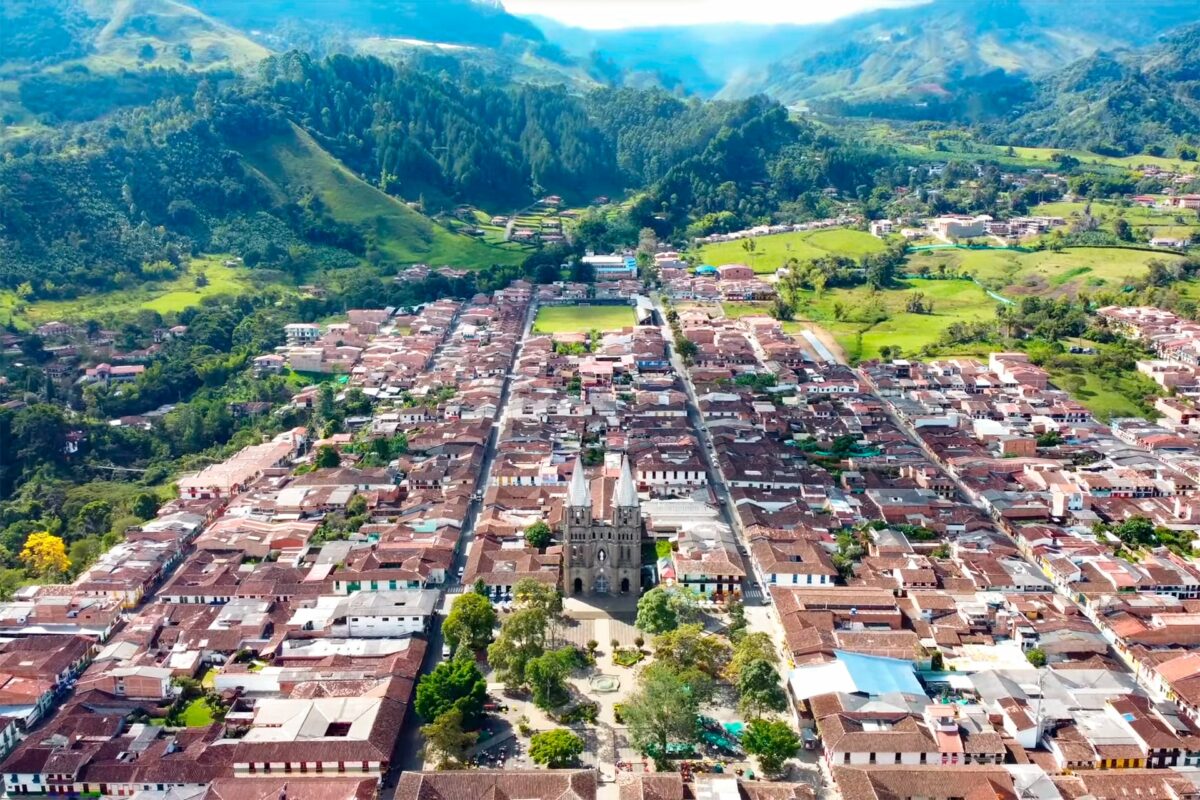



Bogotá
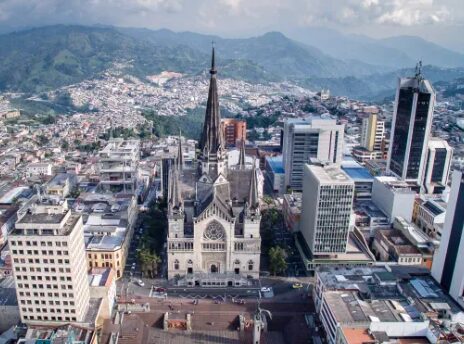
Bogotá, Colombia's vibrant capital in the Cundinamarca Department, blends colonial...
Seguir leyendo


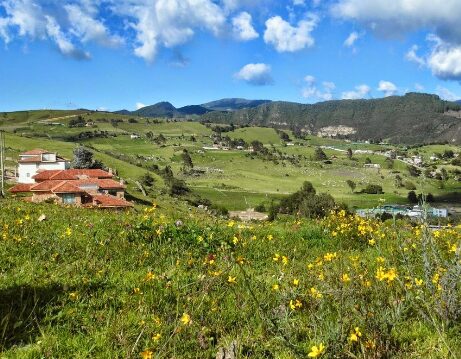


San Isidro Monochoa
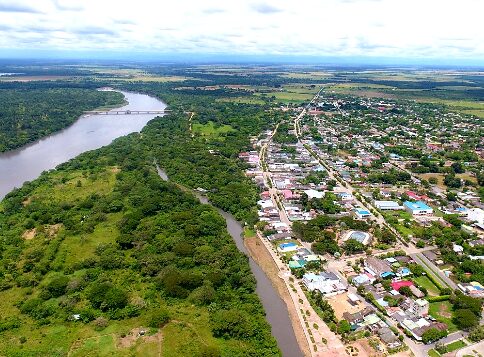
A charming neighborhood in Bogotá's Cundinamarca Department, San Isidro Monochoa...
Seguir leyendoNo se han encontrado atracciones relacionadas con esta zona.
Visitas y excursiones
Guatapé & El Peñol Day Trip
Just a few hours from Medellín, this vibrant excursion takes you to the iconic El Peñol Rock, a towering monolith with 740 steps leading to breathtaking panoramic views. Afterward, explore the colorful streets of Guatapé, a lakeside town famous for its zócalos (decorative frescoes) and lively atmosphere. Perfect for photographers, adventure seekers, and families, this full-day trip combines natural beauty with cultural charm.
- Duration: Full day (8–10 hours)
- Highlights: Climbing El Peñol, boat rides on the reservoir, exploring Guatapé's artisanal shops.
Coffee Cultural Landscape Tour
Dive into Colombia’s coffee heritage with a tour of the Eje Cafetero (Coffee Axis), a UNESCO-listed region. Visit traditional fincas (coffee farms) to learn about bean-to-cup production, sample freshly brewed coffee, and stroll through lush plantations. Ideal for foodies, culture enthusiasts, and slow travelers, this tour often includes stops in charming towns like Salento or Filandia.
- Duration: Full day or multi-day options
- Highlights: Coffee tastings, horseback riding in Cocora Valley, wax palm forest visits.
Lost City (Ciudad Perdida) Trek
For intrepid travelers, the multi-day trek to Ciudad Perdida, an ancient Tayrona city hidden in the Sierra Nevada mountains, is a must. This challenging 4–6 day hike winds through jungles, rivers, and indigenous villages, culminating in the awe-inspiring ruins predating Machu Picchu. Best suited for adventure seekers and history buffs with good physical fitness.
- Duration: 4–6 days
- Highlights: Jungle scenery, indigenous Kogui encounters, archaeological wonders.
Villa de Leyva Colonial Escape
Step back in time in Villa de Leyva, a beautifully preserved colonial town with cobblestone streets and whitewashed buildings. Highlights include the vast Plaza Mayor, fossil museums, and nearby natural attractions like the Pozos Azules (blue wells). A relaxed day trip or weekend getaway, ideal for history lovers and romantics.
- Duration: Day trip or overnight
- Highlights: Terracotta House, horseback riding in the desert, local artisan markets.
Parque Nacional Natural Los Nevados Adventure
Explore the high-altitude wonders of this Andean park, home to snow-capped peaks, paramo ecosystems, and thermal springs. Activities range from hiking to the Nevado del Ruiz glacier to birdwatching for endemic species like the Andean condor. Tailored for nature lovers and thrill-seekers, with options for guided treks or 4x4 tours.
- Duration: Full day or multi-day expeditions
- Highlights: Laguna del Otún, hot springs in Santa Rosa de Cabal.
Cuándo visitarnos
Best Time to Visit Andean Region (Región Andina)
The Andean Region of Colombia offers a diverse climate due to its varying altitudes, from warm valleys to chilly highlands. The region experiences two primary seasons: the dry season (December to March and July to August) and the wet season (April to June and September to November). Below is a detailed breakdown to help you plan your visit.
Desglose estacional
Dry Season (December–March & July–August)
During these months, the weather is generally sunny with minimal rainfall, making it ideal for outdoor activities like hiking and sightseeing. Temperatures range from 12°C to 24°C depending on altitude.
- Pros: Clear skies, comfortable temperatures, and vibrant landscapes. Perfect for exploring cities like Bogotá, Medellín, and the Coffee Triangle.
- Cons: Higher tourist crowds and elevated accommodation prices, especially around Christmas and New Year.
- Events: The Carnival de Negros y Blancos in Pasto (January) and the Feria de las Flores in Medellín (August) are major cultural highlights.
Wet Season (April–June & September–November)
Rainfall increases, particularly in the afternoons, with temperatures ranging from 10°C to 22°C. Humidity is higher, but the region remains lush and green.
- Pros: Fewer tourists, lower prices, and stunning scenery as the landscape blooms. Great for budget travelers.
- Cons: Some trails may be muddy or inaccessible, and outdoor activities can be disrupted by rain.
- Events: The Holy Week processions in Popayán (March/April) and the Festival de la Leyenda Vallenata in Valledupar (April) offer unique cultural experiences.
Recomendación general
The best time to visit the Andean Region is during the dry seasons (December–March and July–August) for optimal weather and activities. However, shoulder months like November or May can offer a balance of good weather and fewer crowds.
- For adventure travelers: June–August provides cooler temperatures for high-altitude treks.
- For cultural enthusiasts: January and August are packed with festivals.
- For budget-conscious travelers: April–June and September–November offer lower prices and a more local experience.
Consideraciones
Peak tourist seasons coincide with school holidays and major festivals, so book accommodations early. Off-peak travel can yield significant savings but may require flexibility due to unpredictable weather. Always pack layers, as temperatures can vary dramatically between day and night.
Qué llevar
What to Pack for the Andean Region
The Andean Region of Colombia is characterized by its high-altitude terrain, cool to mild temperatures, and unpredictable weather shifts. Whether exploring colonial cities like Bogotá or trekking in the Cocora Valley, these essentials will keep you comfortable and prepared.
Clothing & Layers
- Thermal Base Layers: Nights and early mornings can be chilly, especially at higher elevations.
- Lightweight Fleece or Down Jacket: Easy to layer and pack, ideal for temperature drops.
- Waterproof Windbreaker: Sudden rain showers are common in the Andes.
- Comfortable Walking Shoes: Cobblestone streets and uneven trails demand supportive footwear.
Aire libre y aventura
- Sturdy Hiking Boots: Essential for treks in paramo ecosystems or cloud forests.
- Sun Protection (Hat, Sunglasses, SPF 50+): High-altitude sun is intense even on cloudy days.
- Reusable Water Bottle: Stay hydrated to combat altitude sickness.
- Daypack with Rain Cover: Keeps belongings dry during sudden downpours.
Salud y Confort
- Altitude Sickness Remedies: Coca tea or over-the-counter pills like acetazolamide.
- Lip Balm & Moisturizer: High elevations and wind can cause dry skin.
- Hand Sanitizer & Toilet Paper: Many rural restrooms lack supplies.
Cómo llegar
Por aire
The Andean Region (Región Andina) is well-connected by air, with several major airports serving key cities. The primary international gateways are:
- El Dorado International Airport (BOG) in Bogotá: The largest airport in Colombia, offering direct flights from major international destinations. From here, travelers can take domestic flights, buses, or rental cars to other parts of the Andean Region.
- José María Córdova International Airport (MDE) in Medellín: Another major hub with international and domestic flights. Taxis, buses, and rental cars are available for onward travel.
- Alfonso Bonilla Aragón International Airport (CLO) in Cali: Serves international and domestic routes, with ground transportation options to the Andean Region.
Domestic flights to smaller airports like Perales Airport (IBE) in Ibagué or Palonegro Airport (BGA) in Bucaramanga are also convenient for reaching specific areas within the region.
En autobús/autocar
Long-distance buses are a popular and affordable way to reach the Andean Region from major Colombian cities. Key bus terminals include:
- Terminal de Transportes de Bogotá: Connects to cities like Medellín, Cali, and Bucaramanga with frequent departures.
- Terminal del Norte in Medellín: Offers routes to Bogotá, Pereira, and Manizales.
- Terminal de Cali: Provides services to Bogotá, Popayán, and other Andean destinations.
Travel times vary; for example, Bogotá to Medellín takes around 9-10 hours. Booking in advance is recommended, especially during holidays.
En coche (conducción)
The Andean Region is accessible via Colombia's well-maintained highway network. Key routes include:
- Autopista Norte (from Bogotá to Tunja and Bucaramanga).
- Autopista Medellín-Bogotá: A scenic but mountainous route with tolls.
- Pan-American Highway: Connects Cali to Popayán and beyond.
Driving conditions are generally good, but mountainous terrain requires caution. A 4x4 is not usually necessary unless venturing into rural areas.
Consejos prácticos
For a smooth journey to the Andean Region, consider these tips:
- Book flights early for better prices, especially during peak seasons (December-January, June-July).
- Use reputable bus companies like Expreso Bolivariano or Flota Occidental for safety and comfort.
- Check road conditions if driving, as landslides can occur in rainy seasons (April-May, October-November).
- Carry cash for tolls and smaller bus terminals where card payments may not be accepted.
Cómo desplazarse
Public Buses and Colectivos
The Andean Region relies heavily on buses and colectivos (shared minivans) for local transport. These are affordable and connect major towns, rural areas, and nearby attractions. In cities like Bogotá, Medellín, and Manizales, public bus systems are well-organized, with routes clearly marked. Colectivos operate on fixed routes but lack schedules—they depart when full.
- Cost: Buses start at ~$1,000 COP (USD $0.25); colectivos may cost slightly more.
- Payment: Cash only (small bills preferred); some cities use rechargeable cards (e.g., Bogotá's TuLlave).
- Tip: Ask locals or drivers for help with routes, as stops are rarely announced.
Taxis y Servicios de Transporte Compartido
Taxis are widely available and relatively inexpensive. In cities, use apps like Uber, Cabify, or local services (e.g., Tappsi in Bogotá) for safety and fixed fares. Street taxis are safe but insist on using the meter (taxímetro).
- Cost: ~$5,000–$20,000 COP (USD $1.25–$5) for short urban trips.
- Tip: Avoid hailing taxis at night in isolated areas; book via app instead.
Cable Cars and Metro (Medellín)
Medellín’s Metro and Metrocable (aerial cable cars) are iconic, linking the city to hillside neighborhoods. The system is tourist-friendly, with scenic views of the Aburrá Valley.
- Cost: Single ride ~$2,900 COP (USD $0.75); rechargeable Cívica card reduces fares.
- Tip: Use the cable cars to reach Parque Arví for hiking and local markets.
A pie y en bicicleta
Many Andean cities are walkable, especially historic centers like Bogotá’s La Candelaria or Villa de Leyva. Bike rentals are common, and Bogotá’s Ciclovía (Sundays) closes streets to cars. Medellín has dedicated bike lanes.
- Cost: Bike rentals ~$10,000–$20,000 COP (USD $2.50–$5) per hour.
- Tip: Watch for steep hills and altitude effects—pace yourself!
Alquiler de coches y motos
Renting a car or motorcycle is ideal for exploring rural areas like the Coffee Axis (Eje Cafetero). Roads are winding but well-maintained. Stick to daytime driving due to fog and limited lighting.
- Cost: Cars from ~$100,000 COP/day (USD $25); motorcycles ~$50,000 COP.
- Tip: Rent from reputable agencies; check if your license is valid in Colombia.
Unique Transport: Jeep Willys
In coffee regions like Salento, rugged Jeep Willys (colorful open-air jeeps) serve as shared taxis to Cocora Valley and remote farms.
- Cost: ~$4,000–$10,000 COP (USD $1–$2.50) per person.
- Tip: Arrive early for seats—these fill quickly!
Cultura
The Heartbeat of Colombia's Highlands
The Andean Region of Colombia is a cultural mosaic shaped by its rugged mountains, fertile valleys, and a blend of Indigenous, Spanish, and Afro-Colombian influences. Unlike the coastal or Amazonian regions, the Andean highlands are defined by their paisa (local) identity, vibrant festivals, and a deep-rooted connection to agriculture. Towns here cling to steep slopes, where cobblestone streets and whitewashed churches tell stories of colonial heritage, while modern cities like Medellín and Bogotá pulse with contemporary creativity.
Lengua y dialectos
Spanish in the Andean Region carries distinct regional flavors. The paisa accent, particularly in Antioquia, is melodic and rapid, often dropping final consonants. In Boyacá and Cundinamarca, speech is slower, with Indigenous Quechua influences lingering in place names like Chingaza or Sogamoso. Local slang abounds—"parce" (buddy) and "chévere" (cool) are staples.
Música y danza
Andean music is a soulful mix of guitars, tiples (small 12-string guitars), and the melancholic bandola. Bambuco and pasillo are iconic rhythms, often accompanied by couples dancing in graceful, measured steps. In contrast, Medellín’s tango scene thrives, a legacy of early 20th-century migrations. The annual Festival de la Leyenda Vallenata in Valledupar spills into the highlands, blending coastal and mountain sounds.
Cocina
Hearty and earthy, Andean food reflects the region’s farming roots. Staples include:
- Bandeja paisa: A mountain of beans, rice, chicharrón, avocado, and fried egg, symbolizing Antioquia’s agrarian past.
- Ajiaco santafereño: Bogotá’s creamy potato soup with chicken, capers, and guascas (a local herb).
- Arepas: Thick corn cakes, often stuffed with cheese or meat, unlike the thinner coastal versions.
Don’t miss hormigas culonas (fried ants), a crunchy delicacy in Santander.
Fiestas y tradiciones
The Andean calendar bursts with color:
- Feria de las Flores (Medellín): A week-long celebration of flowers, parades, and silleteros (flower-laden carriers).
- Carnaval de Blancos y Negros (Pasto): A January riot of paint and powder honoring Indigenous and African heritage.
- Semana Santa (Popayán): One of Latin America’s most solemn Easter processions, with centuries-old rituals.
Crafts & Artisanship
From the ruana (wool poncho) of Boyacá to the carriel (leather messenger bag) of Antioquia, artisanship is utilitarian and artistic. The town of Ráquira is a pottery hub, its ceramics painted in bold greens and yellows. In Bogotá’s La Candelaria, street art blends political commentary with pre-Columbian motifs.
Costumbres sociales
Andean culture values warmth and formality. A handshake or cheek kiss is standard, but elders are often addressed as "don" or "doña". Tinto (black coffee) is a social glue, offered to guests at all hours. In rural areas, mingas (community work parties) still gather neighbors to build houses or harvest crops.




