Panama City and Canal Zone
Panama City and Canal Zone dazzles with a fusion of modern energy and historic marvels. Skyscrapers gleam beside the UNESCO-listed Casco Viejo, while the iconic Panama Canal showcases human ingenuity. From vibrant nightlife to lush rainforests at its doorstep, this dynamic zone offers urban excitement and natural wonders, all woven into Panama’s crossroads of culture and commerce.
Esenciales
- Mejores meses para visitar: Enero, febrero, diciembre
Datos de la zona
- Geographical Location: Coastal area in central Panama, spanning the Pacific entrance of the Panama Canal and the adjacent metropolitan region.
- Main City/Town: Panama City (capital of Panama and the principal urban center of the zone).
- Approximate Area: N/A (zone is defined by its urban and canal infrastructure rather than strict boundaries).
- Key Geographical Features: Panama Canal, Miraflores Locks, Amador Causeway, Pacific coastline, and the Metropolitan Natural Park.
- Dominant Climate Type: Tropical savanna climate (hot, humid, with distinct wet and dry seasons).
- Population: ~1.5 million (metropolitan area of Panama City, which dominates the zone).
- Main Economic Activities: Logistics and shipping (due to the canal), tourism, banking, and commerce.
- Common Languages/Dialects Spoken: Spanish (dominant), English (widely spoken in business and tourism sectors).
- Best Time to Visit: December to April (dry season, with less humidity and minimal rainfall).
- Unique Selling Points:
- Home to the engineering marvel of the Panama Canal, a must-see for visitors.
- Blend of modern skyscrapers, historic Casco Viejo district, and vibrant coastal scenery.
Destinos principales
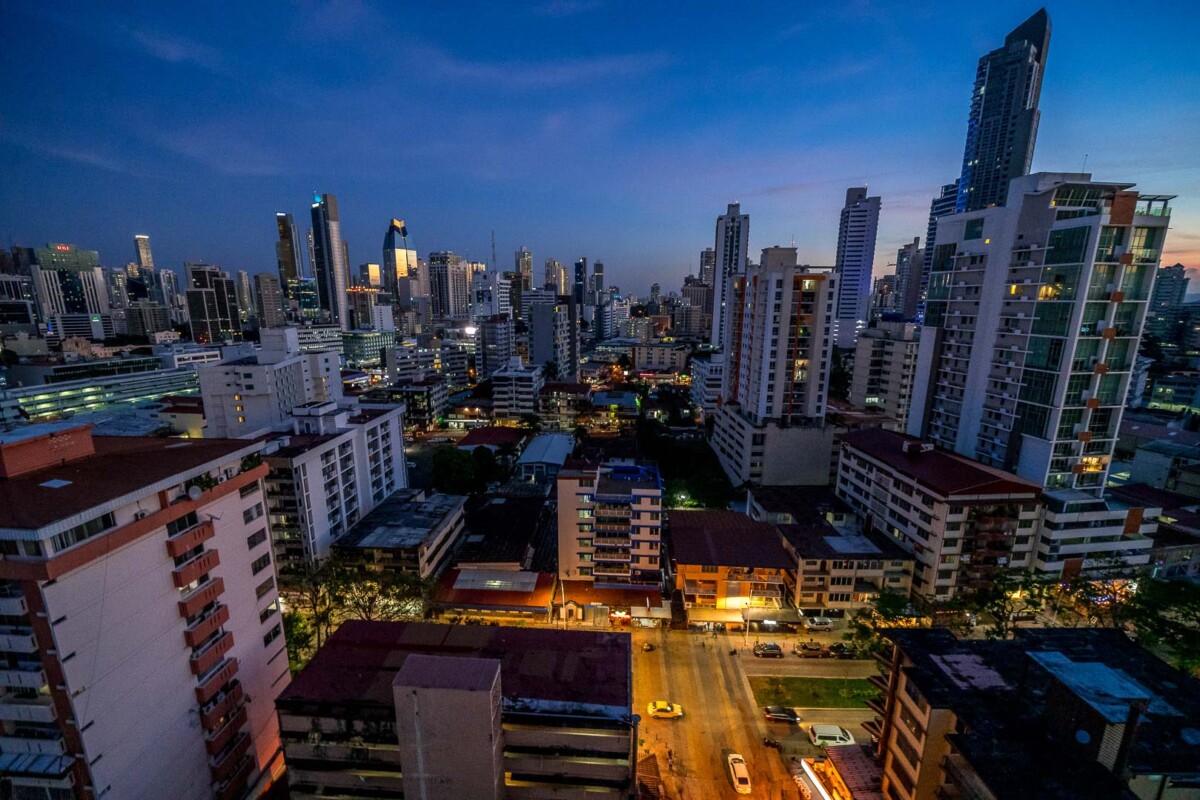
Ciudad de Panamá
A vibrant metropolis where modern skyscrapers meet historic Casco Viejo,...
Seguir leyendo

Casco Viejo
Casco Viejo, Panama City's historic heart, charms with cobblestone streets,...
Seguir leyendoNo se han encontrado atracciones relacionadas con esta zona.
Visitas y excursiones
Panama Canal Full Transit Tour
Experience one of the world's greatest engineering marvels firsthand with a full transit tour of the Panama Canal. This full-day excursion takes you through all three locks—Miraflores, Pedro Miguel, and Gatún—offering a rare perspective on the canal's operation. Along the way, spot cargo ships navigating the narrow passages and learn about the canal's history from expert guides. Ideal for history buffs and engineering enthusiasts, this tour is a must-do for anyone visiting Panama.
Emberá Indigenous Village Visit
Immerse yourself in the rich culture of Panama's indigenous Emberá people on this half-day tour. Travel by dugout canoe up the Chagres River to a traditional village, where you'll witness vibrant dances, intricate handicrafts, and storytelling. The Emberá warmly welcome visitors, offering a glimpse into their sustainable way of life. Perfect for families and cultural travelers, this tour also includes a rainforest hike to a nearby waterfall.
Taboga Island Day Trip
Just a 30-minute boat ride from Panama City, Taboga Island is a tropical escape with sandy beaches, colorful villages, and lush hills. Spend the day snorkeling in crystal-clear waters, exploring historic sites like the second-oldest church in the Western Hemisphere, or hiking to Cerro de la Cruz for panoramic views. This laid-back excursion is great for beach lovers and those seeking a quick retreat from the city.
Monkey Island and Gatún Lake Wildlife Tour
Set off on a boat adventure through Gatún Lake, where you'll encounter capuchin monkeys, howler monkeys, and even sloths in their natural habitat. This half-day tour also includes a stop at the historic Gatún Locks and a chance to fish for peacock bass. Wildlife enthusiasts and families with kids will love this interactive experience in the heart of the Panama Canal watershed.
Panama City Food and Culture Walking Tour
Savor the flavors of Panama on this culinary journey through Casco Viejo, the city's historic district. Sample local favorites like ceviche, tamales, and raspados while learning about the neighborhood's colonial architecture and vibrant street art. The tour includes stops at hidden gems and bustling markets, making it a delicious introduction to Panamanian culture. Foodies and casual explorers alike will enjoy this 3-hour stroll.
Soberanía National Park Birdwatching Expedition
Home to over 500 bird species, Soberanía National Park is a paradise for birdwatchers. This early-morning tour takes you along the famous Pipeline Road, where you might spot toucans, motmots, and even the elusive harpy eagle. With an expert naturalist guide, you'll learn about the rainforest ecosystem while keeping an eye out for other wildlife like agoutis and poison dart frogs. A must for nature lovers, this tour requires comfortable walking shoes and patience.
Cuándo visitarnos
Desglose estacional
Panama City and the Canal Zone experience a tropical climate with distinct wet and dry seasons, rather than traditional spring, summer, autumn, and winter. The region's weather is characterized by high humidity and consistent temperatures year-round, averaging between 75°F (24°C) and 88°F (31°C).
Dry Season (Mid-December to Mid-April)
The dry season, also known as summer in Panama, brings sunny days with minimal rainfall. Humidity is lower, making outdoor activities more comfortable. This is the peak tourist season, so expect higher prices and larger crowds.
- Pros: Ideal for exploring the Panama Canal, hiking, and city tours. Beaches along the nearby Pacific coast are at their best.
- Cons: Higher accommodation costs and crowded attractions.
- Events: Carnival (February or March) is a vibrant celebration with parades and music, but it can disrupt travel plans due to closures.
Wet Season (Mid-April to Mid-December)
The wet season, or winter, features frequent afternoon showers and higher humidity. Rainfall peaks in October and November, but mornings are often clear.
- Pros: Lush green landscapes, fewer tourists, and lower prices. Great for birdwatching as migratory species arrive.
- Cons: Some outdoor activities may be interrupted by rain. Mosquitoes are more prevalent.
- Events: Panama's Independence Day (November 3 and 28) features parades and cultural events, adding local flavor.
Shoulder Seasons (Late April-May and November)
These transitional months offer a balance between weather and crowds. Rainfall is increasing or decreasing, but not at its peak.
- Pros: Moderate prices and decent weather. November is particularly good for wildlife enthusiasts.
- Cons: Some days may still be rainy, especially in November.
Recomendación general
The best time to visit Panama City and the Canal Zone is during the dry season (December to April) for optimal weather and activities. However, budget travelers and those seeking fewer crowds should consider the shoulder seasons (May or November). Avoid October if heavy rainfall is a concern.
Consideraciones
Peak season (December-April) sees higher prices for flights and hotels, while the wet season offers discounts. Cruise ship traffic to the Canal peaks in January-March, which can affect availability for canal tours.
Qué llevar
Essentials for Tropical Humidity & Rain
Panama City and the Canal Zone are hot, humid, and prone to sudden downpours—especially in the rainy season (April–December). Pack smart to stay cool and dry.
- Quick-dry clothing: Lightweight, moisture-wicking fabrics (linen, polyester blends) to combat sweat and rain.
- Compact rain poncho or umbrella: Sudden tropical showers are frequent; a foldable option is ideal for day trips.
- Sturdy sandals with grip: For wet sidewalks and casual exploring (e.g., Tevas or Keens).
- DEET-based insect repellent: Mosquitoes are persistent, especially near water or at dusk.
Sun & Outdoor Exploration
The sun is intense year-round, and many Canal Zone activities involve boats or walking.
- High-SPF waterproof sunscreen: Reapply often—UV rays reflect off water and pavement.
- Wide-brimmed hat & UV-blocking sunglasses: Essential for boat tours or walking the Amador Causeway.
- Light long-sleeve shirt: Protects from sun and insects during jungle walks or canal visits.
- Reusable water bottle: Stay hydrated; many hotels offer filtered water refills.
Cultural & Practical Extras
A few overlooked items that will make your trip smoother.
- Spanish phrasebook or app: While tourist areas speak English, basic Spanish helps in local markets.
- Anti-chafing balm: Humidity can make walking uncomfortable—useful for thighs or feet.
- Small dry bag: Keeps phones/cash safe during boat tours or sudden rain.
- Binoculars: For spotting wildlife along the canal or in nearby rainforests.
Cómo llegar
Por aire
The primary gateway to Panama City and Canal Zone is Tocumen International Airport (PTY), located about 20 km east of downtown Panama City. This airport serves as a major hub for international and domestic flights. From PTY, travelers can reach the city and Canal Zone via:
- Taxis: Official airport taxis (yellow with "Taxi Aeropuerto" signs) are available outside arrivals. Fares to downtown Panama City typically range from $30–$40 USD.
- Ride-Sharing: Uber operates in Panama and is often cheaper than taxis.
- Public Bus: The Metrobus system offers affordable rides (under $1 USD) to the city center, but it may not be ideal for those with heavy luggage.
- Rental Cars: Major rental agencies are available at the airport, but driving in Panama City can be chaotic for first-time visitors.
En autobús/autocar
Long-distance buses connect Panama City to other regions of Panama and neighboring countries. Key terminals include:
- Gran Terminal Nacional de Transporte: Located in Albrook, this hub serves domestic routes (e.g., David, Boquete) and international destinations (e.g., San José, Costa Rica). From here, taxis or Metrobus can take you to the Canal Zone or downtown.
- Albrook Bus Terminal: Primarily for regional routes within the Canal Zone and nearby areas like Gamboa.
Tip: Book tickets in advance for popular routes, especially during holidays. Buses are budget-friendly but may lack air conditioning on some routes.
En coche (conducción)
Panama City is well-connected by highways, making road trips feasible:
- Pan-American Highway: Runs through Panama City, linking it to Costa Rica (north) and other Central American countries.
- Corredor Norte/Sur: Toll highways provide quick access to the city center and Canal Zone from suburbs and Tocumen Airport.
Driving Tips: Traffic in Panama City can be heavy during rush hours. Rental cars are widely available, but a 4x4 is unnecessary unless venturing into remote areas beyond the Canal Zone.
En tren
While Panama has limited passenger rail service, the Panama Canal Railway offers a scenic route between Panama City (Corozal station) and Colón. This is more of a tourist experience than a practical transit option, with one daily departure in each direction. Tickets should be booked in advance.
Cómo desplazarse
Public Buses & Metro
Panama City's public transport system includes the Metro Bus network and the Panama Metro (Line 1 and 2), which are efficient for navigating the city. The Metro Bus covers extensive routes, while the Metro is ideal for avoiding traffic. Tickets are purchased via a rechargeable Mi Bus card (available at stations or kiosks). Fares are affordable (around $0.25–$1.50 per ride), but buses can get crowded during peak hours.
- Tip: Download the Mi Bus app for real-time routes and schedules.
- Note: Metro lines connect key areas like Albrook Mall, Casco Viejo, and the financial district.
Taxis y viajes compartidos
Taxis are plentiful but rarely use meters—always negotiate fares upfront or request an estimated price. Uber and DiDi operate in Panama City and are often cheaper and safer. For short trips, taxis cost $3–$10, while ride-sharing apps offer transparent pricing.
- Tip: Avoid hailing taxis on the street at night; use apps or hotel-recommended services.
- Note: Uber is banned in the Canal Zone—opt for official taxis or tours.
Walking & Cycling
Panama City’s Casco Viejo and waterfront Cinta Costera are highly walkable, with pedestrian-friendly paths. Bike rentals are available along the Cinta Costera (around $5–$10/hour), but cycling elsewhere can be challenging due to traffic. The Amador Causeway offers scenic biking routes with rentals nearby.
- Tip: Wear sunscreen and carry water—Panama’s heat can be intense.
Transporte de agua
For a unique perspective, take a water taxi from the Amador Causeway to Taboga Island (30-minute ride, ~$20 round-trip). Ferries also operate to the Pearl Islands from Panama City’s docks. Private boat tours are available for exploring the Canal Zone’s waterways.
- Tip: Book ferry tickets in advance during peak season.
Alquiler de coches y motos
Renting a car is practical for day trips to the Canal Zone or Gamboa Rainforest, but traffic in the city is chaotic. Scooters are a nimble alternative (rentals start at ~$30/day). International licenses are accepted, but driving styles are aggressive.
- Tip: Parking is scarce in Panama City—opt for paid lots.
- Note: Avoid driving during rush hours (7–9 AM, 5–7 PM).
Cultura
A Cultural Crossroads
Panama City and the Canal Zone form a dynamic cultural melting pot, shaped by centuries of trade, migration, and engineering ambition. The zone's identity is deeply tied to the Panama Canal, which has drawn workers, entrepreneurs, and expatriates from around the world, creating a unique blend of Afro-Caribbean, Indigenous, Spanish, and American influences. This is a place where skyscrapers tower over colonial ruins, and salsa rhythms mix with the hum of massive cargo ships.
Historical Layers & Architecture
The area's architecture tells its story: the cobbled streets of Casco Viejo (a UNESCO site) showcase Spanish colonial and French-inspired buildings, while the former Canal Zone neighborhoods retain mid-century U.S. suburban aesthetics. The Amador Causeway, built from excavated canal rubble, is now a leisure hub with museums and waterfront dining, symbolizing repurposed history.
Cuisine: A Fusion of Flavors
Local dishes reflect the canal's global workforce. Don't miss:
- Sancocho: A hearty chicken stew with roots in Indigenous and Spanish cooking, often served with rice.
- Ropa Vieja: Shredded beef simmered in tomatoes, a Cuban influence brought by canal laborers.
- Patacones: Twice-fried plantains, a staple with Afro-Caribbean origins.
Seafood is king here—try ceviche made with fresh corvina (sea bass) at the Mercado de Mariscos.
Music & Festivals
The Canal Zone's soundtrack is salsa, reggaeton, and típico (folk music with accordion). The Panama Jazz Festival draws international artists, while Carnaval (pre-Lenten) erupts with culecos (water trucks) and murgas (satirical street bands). In December, Festival de la Mejorana celebrates rural traditions in nearby Guararé.
Social Customs & Daily Life
The canal's shift-work legacy means nightlife thrives—expect dinners past 8 PM and clubs pulsing until dawn. Locals greet with a light cheek kiss (among friends) or handshake. Chiva parrandera buses, decked in lights and blasting music, are mobile parties on weekends. Respectful dress is key in churches and government buildings, but beachwear stays at the coast.
Arte y artesanía
Molas, intricate textiles by the Guna people, are sold in Casco Viejo's markets. The Biomuseo, designed by Frank Gehry, explores Panama's biodiversity through bold architecture. Street murals often depict canal history or social commentary, particularly in the Calle Uruguay nightlife district.




