Fajã dos Padres
A hidden gem on Madeira Island, Fajã dos Padres is a secluded coastal paradise with lush banana plantations, dramatic cliffs, and crystal-clear waters, accessible only by boat or cable car.
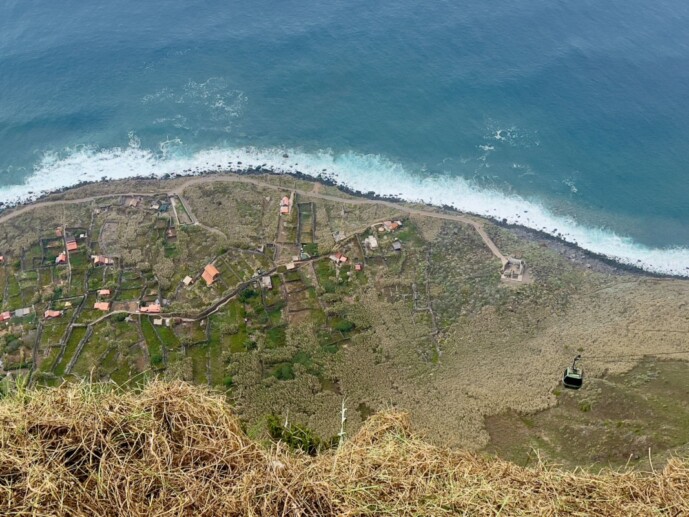
Nestled beneath Madeira’s dramatic cliffs, Fajã dos Padres is a secluded pebble beach accessible only by boat or cable car. Its tranquil waters, framed by lush banana plantations and vineyards, offer a rare escape from the island’s bustle. Here, time slows—sunlight dances on the waves, and the scent of salt mingles with ripe fruit, creating an idyll of quiet elegance.
Destination Facts
- Official Name: Fajã dos Padres
- Type of Destination: Beach
- Brief Description: A secluded coastal retreat nestled beneath dramatic cliffs, known for its black volcanic sand, lush banana plantations, and tranquil atmosphere.
- Location: Southern coast of Madeira Island, Portugal, near the municipality of Ribeira Brava.
- Significance/Known For: A rare accessible fajã (coastal platform formed by landslides) with a microclimate ideal for agriculture, particularly bananas and tropical fruits.
- Main Attractions/Key Features:
- The picturesque black sand beach, sheltered by towering cliffs.
- Historic agricultural terraces and banana plantations.
- Accessible only by cable car or boat, adding to its secluded charm.
- Best Time to Visit: Year-round, though spring and summer offer the warmest temperatures for swimming.
- Entrance Fee/Ticket Info: Free access to the beach; cable car ride requires a fee (check local operators for current rates).
- Website: N/A (No prominent official website; local tourism sites may provide updates).
Essentials
- Best Months to Visit: April, May, June, July, August, September, October
History
History of Fajã dos Padres
Nestled along the rugged southern coast of Madeira, Fajã dos Padres is a secluded beach and agricultural enclave with a history as distinctive as its dramatic cliffs. This small, fertile fajã—a flat coastal strip formed by landslides—was once a Jesuit estate, cultivated for its vineyards and exotic fruits since the 16th century. The Jesuits, known for their agricultural expertise, transformed the area into a productive retreat, leveraging its microclimate to grow bananas, mangoes, and grapes. After the Jesuits were expelled from Portugal in 1759, the land passed through private hands, yet its agricultural traditions endured. Today, it remains a rare example of Madeira’s historical agrarian landscapes, accessible only by boat or cable car, preserving an air of timeless isolation.
Key Historical Dates
- 16th century: The Jesuits established Fajã dos Padres as an agricultural estate, cultivating vineyards and tropical fruits, capitalizing on the area’s sheltered microclimate.
- 1759: Following the expulsion of the Jesuits from Portugal under the Marquis of Pombal, the estate was secularized and transferred to private ownership, though its agricultural use continued.
- 20th century: The construction of a cable car in the late 20th century made the fajã more accessible to visitors, while its historic terraces and crops remained largely unchanged.
Tours and Day Trips
Popular Tours & Day Trips from Fajã dos Padres
1. Private Boat Tour Along the Southwest Coast
Departing directly from the small harbor of Fajã dos Padres, this intimate boat excursion offers unparalleled views of Madeira's rugged southwestern cliffs. Guests can expect to glide past hidden sea caves, spot dolphins or whales (seasonal), and perhaps even take a refreshing swim in secluded coves. The tour typically lasts 2–3 hours, making it ideal for those seeking a tranquil yet immersive coastal experience.
2. Guided Hike to Cabo Girão
For those drawn to dramatic landscapes, a guided hike from Fajã dos Padres to Cabo Girão—Europe's highest sea cliff—is a must. The trail winds through terraced vineyards and offers sweeping ocean vistas. The hike is moderate in difficulty (approximately 4 hours round-trip) and appeals to nature enthusiasts and photography lovers. The glass-floored skywalk at Cabo Girão provides a thrilling finale.
3. Wine & Banana Farm Tour
A short walk from the fajã leads to the estate's historic agricultural terraces, where visitors can join a guided tour of the organic banana plantations and vineyards. Learn about Madeira's unique microclimate while sampling local wines and tropical fruits. This leisurely 1.5-hour excursion is perfect for families and gastronomy aficionados.
4. Sunset Kayaking Adventure
Paddle along the tranquil waters beneath the towering cliffs of Fajã dos Padres as the sun dips below the horizon. This small-group kayak tour (2 hours) is led by local guides who share insights about the area's geology and marine life. Suitable for beginners and couples seeking a romantic outdoor activity.
5. Cultural Walk to Ribeira Brava
A scenic 30-minute drive (or ferry ride) from the fajã brings travelers to the charming town of Ribeira Brava. Stroll through its historic center, visit the 15th-century São Bento Church, and browse artisan shops. The excursion is self-guided but pairs well with a lunch of traditional espetada (skewered meat) at a seaside tasca.
When to visit
Best Time to Visit Fajã dos Padres
Nestled on the southern coast of Madeira Island, Fajã dos Padres is a secluded beach retreat known for its dramatic cliffs, crystalline waters, and tranquil ambiance. The best time to visit depends on your preferences for weather, crowds, and seasonal activities.
Seasonal Breakdown
Spring (March–May)
Spring in Fajã dos Padres brings mild temperatures, ranging from 18°C to 23°C, with increasing sunshine and minimal rainfall. The landscape is lush, and the sea begins to warm, making it pleasant for swimming by late spring.
- Pros: Fewer tourists, ideal for hiking and exploring the cliffs without the summer heat.
- Cons: The water may still be cool for some swimmers early in the season.
Summer (June–August)
Summer is peak season, with temperatures between 22°C and 28°C and virtually no rain. The sea is warm, perfect for swimming and snorkeling, but the beach can feel crowded, especially in July and August.
- Pros: Long sunny days, vibrant atmosphere, and ideal beach conditions.
- Cons: Higher prices and limited availability for accommodations.
Local festivals like the Festa do Senhor Bom Jesus in June add cultural charm but may increase crowds.
Autumn (September–November)
Autumn offers a gentle transition, with temperatures cooling to 20°C–25°C and occasional rain showers by November. The sea remains warm well into October.
- Pros: Fewer crowds, pleasant weather for outdoor activities, and lower prices.
- Cons: Some services may reduce hours as the tourist season winds down.
Winter (December–February)
Winter is mild, with temperatures rarely dropping below 16°C, though rainfall increases. The sea is cooler, but the cliffs provide shelter from winds, making it a peaceful retreat.
- Pros: Solitude, dramatic coastal scenery, and off-peak rates.
- Cons: Less reliable beach weather; some boat services may be limited.
Overall Recommendation
For beach lovers, June to September is ideal, with warm waters and vibrant energy. Nature enthusiasts may prefer spring or autumn for hiking and tranquility. Winter appeals to those seeking solitude and lower prices.
Considerations
Peak season (July–August) brings higher costs and crowds, while shoulder seasons (May–June, September–October) offer a balance of good weather and accessibility. Always check boat schedules, as access to Fajã dos Padres is primarily by sea.
What to pack
What to Pack for Fajã dos Padres
Fajã dos Padres, a secluded beach on Madeira Island, demands thoughtful packing. Its dramatic cliffs, pebble shoreline, and subtropical climate call for a blend of practicality and comfort.
Beach & Sun Essentials
- Sturdy Water Shoes: The beach is pebbled, making barefoot walking uncomfortable. Water shoes protect feet while entering the sea.
- High-SPF Sunscreen: The sun here is intense, and reflections off the water and cliffs amplify exposure.
- Lightweight Beach Towel or Mat: Compact and quick-drying, ideal for lounging on the rocky shore.
- Wide-Brimmed Hat & UV-Blocking Sunglasses: Essential for shade, as natural cover is minimal.
Terrain & Access
- Small Backpack or Tote: The beach is accessed via a steep cable car or hiking trail; hands-free carrying is practical.
- Light Layers (e.g., Linen Shirt or Cover-Up): Coastal breezes can be cool, especially in the shade of the cliffs.
Hydration & Snacks
- Reusable Water Bottle: Limited facilities on-site make bringing your own water advisable.
- Fresh Fruit or Light Snacks: The beach’s remote location means fewer dining options nearby.
Culture
A Hidden Coastal Enclave
Fajã dos Padres is a secluded coastal settlement on Madeira Island, accessible only by boat or cable car, which lends it an air of quiet exclusivity. Unlike the bustling tourist hubs of Funchal or Porto Moniz, this small fajã—a flat, fertile strip of land at the base of cliffs—retains an almost timeless quality. Its isolation has preserved traditions and a way of life deeply connected to the land and sea.
Agricultural Heritage
The terraced slopes of Fajã dos Padres are famed for their banana plantations and vineyards, cultivated using methods passed down through generations. The microclimate here, sheltered by towering cliffs, allows for the production of unique varieties of tropical fruit, including the prized Madeira banana, smaller and sweeter than its commercial counterparts. Visitors can observe traditional irrigation techniques, such as the levadas (small canals) that channel water from the mountains.
Local Produce & Cuisine
The cuisine of Fajã dos Padres reflects its agricultural abundance. Dishes here often feature freshly caught seafood, such as espada (black scabbardfish), paired with locally grown bananas or passionfruit. A visit to the on-site restaurant offers a taste of these ingredients, prepared simply to let their natural flavors shine.
Historical Echoes
Originally a Jesuit estate, Fajã dos Padres has a layered history visible in its old stone houses and chapel. The Jesuits introduced viticulture in the 16th century, and remnants of their influence linger in the terraced vineyards. The local dialect retains archaic Portuguese phrases, a linguistic relic of the island’s early settlers.
Festivals & Social Customs
While larger Madeiran festivals dominate the island’s calendar, Fajã dos Padres celebrates its own intimate Festa do Senhor Bom Jesus in August, featuring a procession, folk music, and communal meals. The tight-knit community places great emphasis on hospitality, often sharing stories over glasses of poncha, a traditional sugarcane spirit.
Artisanal Crafts
The fajã’s isolation has fostered a tradition of handmade crafts, particularly woven baskets and fishing nets made from local materials. These items are rarely sold commercially but are sometimes gifted as tokens of goodwill to visitors who engage meaningfully with residents.
Visitor Etiquette
- Respect the tranquility of the area—loud noises or intrusive behavior are frowned upon.
- If invited to share a meal or drink, it is polite to accept, as refusal may be seen as impolite.
- Ask before photographing residents or their homes; privacy is highly valued.




