Quirigua
A must-visit archaeological gem in Eastern Guatemala, Quirigua boasts towering Maya stelae and intricate carvings, offering a glimpse into ancient civilization amidst lush tropical surroundings.
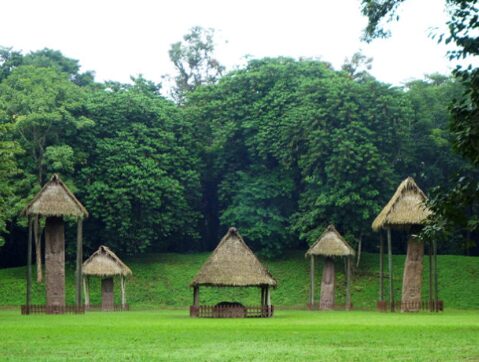
Nestled in eastern Guatemala, Quirigua is a hidden gem of Maya civilization, renowned for its towering stelae—some of the tallest in the ancient world. This UNESCO-listed site whispers tales of a once-powerful city through intricately carved monuments and hieroglyphs. A quieter alternative to Tikal, it invites travelers to wander among history’s silent giants, where artistry and legacy stand undisturbed by time.
Destination Facts
- Official Name: Parque Arqueológico Quiriguá
- Type of Destination: Archaeological Site
- Brief Description: A captivating Maya ruin site renowned for its intricately carved stelae and hieroglyphic inscriptions, offering a glimpse into the artistic and political achievements of the ancient civilization.
- Location: Near the Motagua River in eastern Guatemala, approximately 4 km from the modern town of Los Amates.
- Year Established/Founded: Flourished during the Classic Maya period (5th–9th centuries CE); rediscovered in the 19th century.
- Governing Body/Management: Managed by Guatemala's Instituto de Antropología e Historia (IDAEH).
- Significance/Known For: UNESCO World Heritage Site since 1981; home to the tallest freestanding stone monuments (stelae) in the Maya world, including the towering Stela E.
- Size/Area: The archaeological core covers approximately 3 km², with ceremonial plazas and acropolises.
- Main Attractions/Key Features:
- The Great Plaza, lined with monumental stelae and zoomorphic altars.
- Stela E, standing over 10 meters tall, depicting the ruler K’ak’ Tiliw Chan Yopaat.
- The Acropolis, a complex of palaces and administrative structures.
- Best Time to Visit: Dry season (November–April) for easier access and clearer skies.
- Entrance Fee/Ticket Info: Yes; fees apply (check IDAEH for current rates).
- Operating Hours: Typically 8:00 AM–4:00 PM daily.
- Website: www.mcd.gob.gt (official IDAEH portal).
Essentials
- Best Months to Visit: January, February, November, December
History
History of Quirigua
Nestled in the lush lowlands of eastern Guatemala, Quiriguá is a testament to the ingenuity of the ancient Maya. This archaeological site, though modest in size, boasts some of the most impressive stelae and zoomorphs in the Maya world, carved with intricate detail and towering over the jungle canopy. Established as a minor settlement in the Early Classic period (200–600 CE), Quiriguá rose to prominence under the rule of K’ak’ Tiliw Chan Yopaat, who secured its independence from the powerful city of Copán in 738 CE. The site’s golden age was brief but luminous, marked by monumental artistry and political defiance before its decline in the 9th century.
Key Historical Dates
- 426 CE: Quiriguá is founded as a vassal of Copán, under the influence of its more powerful neighbor.
- 738 CE: K’ak’ Tiliw Chan Yopaat defeats Copán’s ruler, Waxaklajuun Ub’aah K’awiil, in a dramatic revolt, securing Quiriguá’s independence and triggering a period of artistic flourishing.
- 785–800 CE: The reign of Sky Xul, Quiriguá’s last great king, during which the site’s iconic zoomorphs—massive boulders carved into mythical creatures—are created.
- 9th century: Like many Maya cities, Quiriguá experiences a decline, its monuments left to the encroaching jungle until its rediscovery in the 19th century.
Tours and Day Trips
Exploring the Ancient Maya Ruins of Quiriguá
The archaeological site of Quiriguá is the crown jewel of the region, renowned for its intricately carved stelae and zoomorphic sculptures. Visitors can marvel at the tallest freestanding stone monuments in the Maya world, including the towering Stela E, which stands over 10 meters high. A guided tour here offers insights into the city's rivalry with Copán and its significance in Maya history. Ideal for history enthusiasts, the site is easily explored in half a day.
Day Trip to Río Dulce and Livingston
A scenic boat journey along the Río Dulce leads to the Afro-Caribbean town of Livingston, where Garifuna culture thrives. The trip includes stops at the dramatic canyon walls of the river, the hot springs of Finca Paraíso, and the chance to savor traditional tapado soup. This full-day excursion is perfect for those seeking a blend of nature and cultural immersion, with the river acting as a natural gateway from Quiriguá.
Copán Ruins: A Cross-Border Adventure
Just across the border in Honduras, the Copán Ruins offer a deeper dive into Maya civilization, famed for its Hieroglyphic Stairway and exquisite sculptures. The journey from Quiriguá takes approximately two hours, making it a feasible day trip. The site’s detailed carvings and tranquil setting appeal to art lovers and those interested in the broader context of Maya history.
Izabal Lake and Castillo de San Felipe
A short drive from Quiriguá, Izabal Lake provides a serene escape with opportunities for birdwatching and boat rides. The nearby Castillo de San Felipe, a 17th-century Spanish fortress, adds a historical dimension to the visit. This half-day trip suits families and travelers looking for a relaxed yet enriching experience.
Banana Plantation Tour
The fertile lowlands around Quiriguá are home to vast banana plantations, a cornerstone of Guatemala’s economy. A guided tour reveals the cultivation process, from harvest to export, and the socio-economic impact on the region. This two-hour excursion is particularly engaging for those curious about agriculture and local livelihoods.
When to visit
Best Time to Visit Quirigua
Seasonal Breakdown
Quirigua, an archaeological gem in eastern Guatemala, experiences a tropical climate with distinct dry and wet seasons. The timing of your visit will significantly influence your experience, from weather conditions to crowd levels.
Dry Season (November – April)
The dry season offers the most favorable conditions for exploring Quirigua's ancient Mayan ruins. Temperatures typically range between 25°C to 32°C (77°F to 90°F), with minimal rainfall and low humidity. The clear skies and dry terrain make it ideal for walking among the towering stelae and intricately carved monuments.
- Pros: Optimal weather for outdoor exploration, fewer mosquitoes, and easier access to the site.
- Cons: Peak tourist season, particularly around Easter (Semana Santa), may result in higher accommodation prices.
Notable events include Semana Santa (Holy Week), celebrated with processions and cultural activities in nearby towns, adding a vibrant layer to your visit.
Wet Season (May – October)
The wet season brings lush greenery but also frequent afternoon showers and higher humidity. Temperatures remain warm, averaging 28°C to 35°C (82°F to 95°F), with rainfall peaking in September and October. While the site remains open, muddy paths and occasional heavy downpours can hinder exploration.
- Pros: Fewer visitors, lower prices, and a more serene atmosphere.
- Cons: Rain can disrupt travel plans, and some areas may become waterlogged.
Local festivals are scarce during this period, though the Día de la Independencia (September 15) is celebrated nationwide with parades and festivities.
Shoulder Seasons (Late April – Early May, Late October – Early November)
These transitional periods offer a balance between the dry and wet seasons. Weather is generally pleasant, with sporadic rain showers and moderate temperatures. Crowds are thinner, making it an excellent time for those seeking a quieter experience.
- Pros: Mild weather, fewer tourists, and reasonable prices.
- Cons: Unpredictable rainfall may require flexibility in your itinerary.
Overall Recommendation
The dry season (November – April) is the best time to visit Quirigua, particularly from December to February, when temperatures are milder and rainfall is rare. For travelers who prefer solitude and don’t mind occasional rain, the shoulder seasons or early wet season (May – June) can be rewarding.
Considerations
Peak season (December – March) attracts the most visitors, so booking accommodations in advance is advisable. Off-peak travel offers cost savings but requires preparedness for wet conditions. The site’s opening hours remain consistent year-round, though early mornings are recommended to avoid midday heat.
What to pack
What to Pack for Quirigua
Quirigua, an archaeological gem in eastern Guatemala, demands thoughtful preparation. The site’s tropical climate, open terrain, and historical significance call for practical yet respectful packing.
For the Site
- Lightweight, Long-Sleeved Shirts: Protection from both sun and insects while exploring the ruins.
- Sturdy, Closed-Toe Shoes: Uneven stone paths and grassy areas require secure footing.
- Wide-Brimmed Hat & Sunglasses: The site offers little shade; shielding from intense sun is essential.
- Compact Umbrella or Rain Poncho: Sudden tropical showers are common, even in dry seasons.
For Comfort & Practicality
- High-SPF, Sweat-Resistant Sunscreen: The equatorial sun is relentless, even on cloudy days.
- Reusable Water Bottle with Filter: Hydration is key, and local water sources may not be safe to drink.
- Notebook & Pencil: To sketch or jot down details of the intricate stelae—ink can smudge in humidity.
Cultural Considerations
- Modest, Breathable Clothing: Out of respect for local customs, avoid overly revealing attire.
- Small Bills in Local Currency (GTQ): For tips to guides or purchasing handmade souvenirs from nearby vendors.
Culture
The Legacy of Stone: Quiriguá's Ancient Maya Heritage
Quiriguá is distinguished by its extraordinary collection of Maya stelae and zoomorphs, some of the tallest and most intricately carved in the Maya world. Unlike the grand pyramids of Tikal, Quiriguá's cultural significance lies in its sculptural artistry, particularly the towering Stela E, which stands over 10 meters high. The site's inscriptions, detailing the city's rivalry with Copán, offer a rare glimpse into the political dynamics of the Classic Maya period. Visitors will find the site intimate, allowing for quiet contemplation of these stone narratives.
The Living Echoes of Achi' Influence
While the ancient Maya site is the primary draw, Quiriguá's modern cultural fabric is subtly shaped by the Achi' Maya, who maintain a presence in the surrounding areas. Unlike the more prominent K'iche' or Kaqchikel groups, the Achi' here preserve a quieter cultural continuity, visible in occasional traditional textiles and agricultural practices. The local dialect retains traces of ancient Ch'olan, the language of the inscriptions, though Spanish dominates daily life.
Festivals: A Blend of Colonial and Maya Traditions
Quiriguá's patron saint festivities (late January) reveal a syncretism unique to this region. The dances performed—particularly the "Baile de los Moros"—incorporate pre-Columbian elements masked within colonial narratives. Unlike the more flamboyant celebrations in Antigua, these events unfold with a subdued solemnity, reflecting the area's historical isolation.
Local Crafts: Jade and Stone Revival
Artisans near the archaeological park have revived ancient jade-working techniques, producing small-scale replicas of Quiriguá's monuments. These are distinct from the more commercialized jade products sold in Guatemala City, often incorporating motifs specific to Quiriguá's iconography, such as the serpent-headed sky deity K'awiil.
Culinary Notes: The Banana Belt's Humble Table
Given Quiriguá's location in Guatemala's eastern lowlands, the cuisine leans heavily on plantains and river fish rather than the maize-centric dishes of the highlands. Look for tapado de banano, a savory stew made with green bananas and coconut milk—a dish rarely found outside this region. The local coffee, grown in the nearby foothills, is notably lighter than the Antigua varieties, with a faint citrus note.
Visitor Etiquette: Respecting the Sacred in Silence
Unlike busier Maya sites, Quiriguá demands a particular reverence:
- Morning visits often coincide with local Maya making quiet offerings at the stelae; observe without intrusion.
- Guides from the nearby village of Los Amates frequently descend from families with oral histories about the site—their insights surpass standard tour scripts.
- Photography is permitted, but the play of light on the stelae is best captured between 9-11 AM, when the glyphs cast revealing shadows.




