Salta
A charming city in northwest Argentina, Salta dazzles with colonial architecture, vibrant folk culture, and the stunning Andes backdrop. Don't miss the Tren a las Nubes or empanadas salteñas.
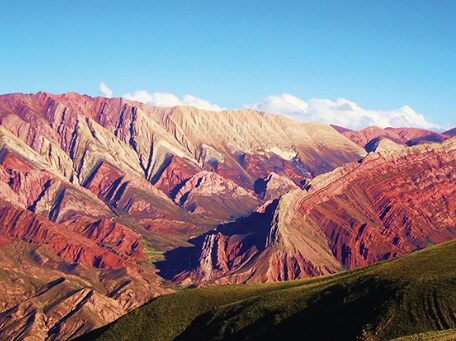
Nestled in the rugged landscapes of northwestern Argentina, Salta enchants with its colonial charm, vibrant folk culture, and breathtaking Andean vistas. Known as "La Linda" for its elegant architecture and cobbled plazas, the city is a gateway to the Quebrada de Humahuaca and the high-altitude vineyards of Cafayate. Here, tradition lingers in every corner, from peña music to empanadas savored with local Torrontés.
Destination Facts
- Official Name: Ciudad de Salta
- Type of Destination: City
- Brief Description: A colonial gem nestled in the Lerma Valley, Salta charms with its well-preserved Spanish architecture, vibrant folk culture, and gateway access to the Andean highlands.
- Location: Northwestern Argentina, within the Lerma Valley of Salta Province.
- Year Established/Founded: 1582 by Spanish conquistador Hernando de Lerma.
- Governing Body/Management: Municipalidad de Salta (City Council)
- Significance/Known For: Nicknamed "Salta la Linda" (Salta the Beautiful) for its historic center, a blend of colonial and neoclassical architecture, and as a cultural hub for traditional Argentine music and dance.
- Size/Area: Approximately 60 km² (city proper).
- Population: ~620,000 (metropolitan area).
- Main Attractions/Key Features:
- Cabildo Histórico (18th-century town hall and museum)
- Basílica Menor y Convento de San Francisco (iconic red-and-yellow church)
- Teleférico San Bernardo (cable car with panoramic city views)
- Best Time to Visit: April–October (dry season with mild temperatures; avoid summer heat and rain).
- Entrance Fee/Ticket Info: N/A (city); attractions may charge separately.
- Operating Hours: N/A (city); museums and landmarks typically open 9 AM–6 PM.
- Website: turismosalta.gov.ar (official tourism site)
Essentials
- Best Months to Visit: January, February, November, December
History
History of Salta
Nestled in the Lerma Valley of northwestern Argentina, Salta is a city where colonial charm and indigenous heritage intertwine. Founded in 1582 by Spanish conquistador Hernando de Lerma, it served as a strategic outpost between the silver-rich mines of Potosí (in modern-day Bolivia) and the administrative centers of the Viceroyalty of Peru. Its location along the Camino Real—the royal road—made it a vital hub for trade and military operations. Over the centuries, Salta evolved into a cultural crossroads, blending Spanish, Criollo, and indigenous influences, particularly from the Diaguita and Quechua peoples. The city played a pivotal role in Argentina's War of Independence, earning the moniker "La Linda" (The Beautiful) for its resilience and enduring elegance.
Key Historical Dates
- 1582: Hernando de Lerma establishes Salta under the name "Ciudad de Lerma en el Valle de Salta," intended as a fortified settlement to protect Spanish interests from indigenous resistance.
- 1783: The creation of the Intendency of Salta del Tucumán solidifies the city's administrative importance within the Spanish Empire, overseeing a vast region stretching into present-day Bolivia and Paraguay.
- 1813: Salta becomes a key battleground in the Argentine War of Independence, with General Martín Miguel de Güemes leading local gaucho forces to repel royalist advances in a series of guerrilla campaigns.
- 19th century: The decline of the silver trade shifts Salta's economy toward agriculture and cattle ranching, fostering a distinctive Criollo culture reflected in its architecture, music, and traditions.
- 20th century: Salta embraces its historical legacy, preserving its colonial core while modernizing infrastructure, culminating in its designation as a UNESCO World Heritage candidate in the 1990s for its well-conserved urban fabric.
Tours and Day Trips
Popular Tours & Day Trips from Salta
Quebrada de Humahuaca & Purmamarca
Journey through the striking landscapes of the Quebrada de Humahuaca, a UNESCO World Heritage site, where vibrant rock formations and indigenous villages tell stories of ancient cultures. The tour typically includes a stop in Purmamarca, famed for its Hill of Seven Colors, a geological wonder. Ideal for photographers and cultural enthusiasts, this full-day excursion (approximately 10–12 hours) reveals the soul of northwestern Argentina.
Train to the Clouds (Tren a las Nubes)
Embark on one of the world’s most spectacular railway journeys, the Tren a las Nubes, ascending to over 4,200 meters above sea level. The route winds through dramatic Andean landscapes, crossing viaducts and tunnels, with breathtaking views of the Puna desert. This full-day adventure (12–14 hours) is suited for those seeking a blend of history and awe-inspiring scenery, though altitude sensitivity should be considered.
Cafayate & Calchaquí Valleys Wine Tour
Discover the heart of Argentina’s high-altitude wine region with a tour to Cafayate, nestled in the Calchaquí Valleys. Sample distinctive Torrontés wines at boutique vineyards and admire the surreal red-rock formations of the Quebrada de las Conchas. A day trip (8–10 hours) perfect for oenophiles and landscape lovers alike, offering a taste of Salta’s terroir and natural beauty.
Salinas Grandes Salt Flats
Venture into the vast, shimmering expanse of the Salinas Grandes, a salt desert stretching across the high plains of Jujuy and Salta. The surreal white landscape, dotted with geometric salt pools, creates an otherworldly experience. This full-day tour (10–12 hours) includes stops at traditional artisan villages, making it a fascinating choice for those drawn to stark natural beauty and local craftsmanship.
City Walking Tour: Colonial Salta
Uncover the charm of Salta’s colonial past with a leisurely walking tour through its historic center. Highlights include the Cathedral of Salta, the San Francisco Church, and the MAAM Museum, home to Inca mummies. Lasting 2–3 hours, this excursion is ideal for history buffs and those who prefer a more relaxed exploration of the city’s architectural and cultural gems.
When to visit
Seasonal Breakdown
Salta, nestled in the foothills of the Andes, experiences a subtropical highland climate with distinct dry and wet seasons. The city's elevation (1,152 meters) ensures mild temperatures year-round, though variations between seasons are notable.
Dry Season (April to October)
This period is characterized by clear skies, low humidity, and cool to mild temperatures. Daytime highs range from 18°C to 25°C, while nights can drop to 5°C, especially in June and July.
- Pros: Ideal for outdoor activities like hiking in the Quebrada de Humahuaca or exploring the city's colonial architecture. Crowds are manageable, and prices remain moderate.
- Cons: Evenings can be chilly, requiring warm layers. Some rural attractions may have reduced accessibility due to drier landscapes.
- Events: The Fiesta Nacional de la Música (September) celebrates folk music, while Semana Santa (March/April) features solemn processions.
Wet Season (November to March)
Warmer and more humid, with daytime temperatures reaching 28°C. Afternoon thunderstorms are frequent but brief, often followed by sunshine. January and February are the wettest months.
- Pros: Lush, green landscapes and vibrant festivals. The Carnaval (February) transforms the city with colorful parades and water fights.
- Cons: Heavy rains can disrupt travel to remote areas like the Salinas Grandes. Higher humidity may be uncomfortable for some.
- Events: Fiesta de la Virgen del Milagro (September) blends religious devotion with cultural performances.
Overall Recommendation
The dry season (April to October) is generally the best time to visit Salta, offering pleasant weather and fewer disruptions. For those seeking cultural immersion, September combines mild temperatures with lively festivals. Adventurers should avoid the peak of the wet season (January-February) due to potential travel delays.
Considerations
Peak tourist seasons coincide with Argentine holidays (July winter break, December-January summer vacations), when prices rise and attractions are busier. Weekdays outside these periods offer a more tranquil experience. Many museums close on Mondays, so plan accordingly.
What to pack
What to Pack for Salta
Salta, a charming city in northwestern Argentina, blends colonial architecture with rugged landscapes. Its climate and terrain call for thoughtful packing—comfort for urban exploration and adaptability for nearby adventures.
For the City & Day Trips
- Lightweight, breathable layers: Days can be warm, but evenings cool quickly, especially in spring and autumn.
- Sturdy walking shoes: Cobblestone streets and hilly neighborhoods demand comfortable footwear.
- Compact daypack: Ideal for carrying essentials while exploring the city or venturing to nearby valleys.
- Sunglasses & wide-brimmed hat: High-altitude sun is intense, even in the city.
For the Climate
- Reusable water bottle: Stay hydrated in the dry climate; many plazas have refill stations.
- Light rain jacket: Sudden showers are common, particularly in summer.
- High-altitude sunscreen (SPF 50+): The sun is stronger at Salta’s elevation (1,152m).
For Cultural Exploration
- Modest attire for churches: Shoulders and knees should be covered when visiting religious sites.
- Small notebook or travel journal: Handy for jotting down notes about historic cafés or local folklore.
Culture
A City of Colonial Elegance and Andean Soul
Salta, often called "La Linda" (The Beautiful), is a city where Spanish colonial architecture meets the vibrant traditions of the Andean highlands. Unlike the cosmopolitan bustle of Buenos Aires or the rugged Patagonian south, Salta exudes a quieter, more introspective charm. Its well-preserved 18th-century buildings—painted in warm terracottas and ochres—whisper of a time when it was a key stop on the colonial trade route between Lima and Buenos Aires. Yet, the city’s soul is undeniably rooted in its indigenous and mestizo heritage, evident in its music, crafts, and the gentle cadence of daily life.
The Soundtrack of the Norte: Folklore and Peñas
Salta is the beating heart of Argentine folklore music, a genre deeply tied to the landscapes and stories of the northwest. The zamba and chacarera rhythms dominate, with lyrics often reflecting themes of love, loss, and the arid beauty of the surrounding valleys. Unlike the tango-centric culture of Buenos Aires, Salta’s music thrives in intimate peñas—small, often family-run venues where locals and visitors gather to listen, dance, and share wine. The Guitarra y Canto festival in April is a highlight, drawing musicians from across the region.
Where to Experience It
- La Casona del Molino: A quintessential peña where the music flows as freely as the local Torrontés wine.
- Museo de la Ciudad "Casa de Hernández": Hosts occasional folkloric performances in a historic setting.
Cuisine: A Symphony of Corn and Fire
Salta’s cuisine is a testament to its Andean roots, with maize as its cornerstone. Dishes like humita en chala (sweet corn steamed in husks) and tamales salteños (spiced corn dough wrapped in leaves) are staples, distinct from the beef-heavy plates of the Pampas. The city’s signature empanadas salteñas—small, juicy, and laced with cumin and paprika—are a point of local pride. Unlike elsewhere in Argentina, Salta’s empanadas are traditionally baked (not fried) and served with a fiery llajwa sauce made from tomatoes and locoto peppers.
Must-Try Flavors
- Locro salteño: A hearty stew of white corn, beans, and meat, often eaten during patriotic holidays.
- Quesillo con miel de caña: Fresh cheese drizzled with sugarcane syrup, a simple yet profound dessert.
Festivals: Where Devotion Meets Celebration
Salta’s calendar is punctuated by festivals blending Catholic and indigenous traditions. The Fiesta del Milagro in September commemorates a 17th-century earthquake said to have been halted by divine intervention. For 15 days, processions wind through the city, accompanied by folk music and communal feasts. In contrast, the Carnaval del Norte in February is a riotous affair, where water balloons and flour battles erupt in the streets—a playful nod to pre-Hispanic harvest celebrations.
Local Etiquette: A Reserved Warmth
Salteños are courteous but measured in their interactions, valuing formality in initial encounters. A handshake and a polite "buenos días" go far here. Unlike the porteños of Buenos Aires, who thrive on rapid-fire banter, Salteños appreciate slower, more deliberate conversations. When invited to a home, it’s customary to bring a small gift—perhaps a bottle of local wine or a box of alfajores from a nearby bakery.
Textiles and Crafts: Woven Histories
The Mercado Artesanal is a treasure trove of handwoven ponchos, blankets, and aguayos (colorful carrying cloths), each piece telling a story through its patterns. The intricate saltas designs—geometric motifs in bold reds and blacks—are unique to the region, differing from the brighter palettes of Jujuy or the earth tones of Catamarca. Many artisans still use backstrap looms, a technique passed down through generations.




