Northwestern Argentina
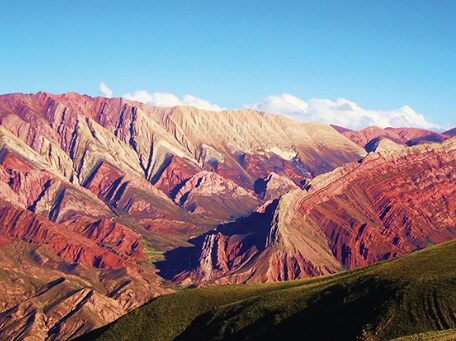
Northwestern Argentina captivates with its dramatic landscapes, from the rainbow-hued Quebrada de Humahuaca to the towering Andes. Rich in indigenous culture and colonial charm, it’s a haven for adventurers and culture seekers alike. Savor bold flavors of empanadas salteñas, explore ancient ruins, or lose yourself in the otherworldly salt flats—this region promises an unforgettable blend of nature, history, and tradition.
Essentials
- Best Months to Visit: January, February, November, December
zone Facts
- Geographical Location: Mountainous region in the northwest of Argentina, bordering Chile and Bolivia.
- Main City/Town: Salta, the cultural and administrative hub of the region.
- Approximate Area: N/A (varies by provincial boundaries within the zone).
- Key Geographical Features: Andes Mountains, Quebrada de Humahuaca (UNESCO World Heritage Site), salt flats (Salinas Grandes), and the Calchaquí Valleys.
- Dominant Climate Type: Arid to semi-arid, with warm days and cool nights; subtropical in lower valleys.
- Population: Approximately 3 million (varies by province).
- Main Economic Activities: Tourism, wine production (notably Torrontés grapes), agriculture (tobacco, sugarcane), and mining.
- Common Languages/Dialects Spoken: Spanish (official), with some indigenous languages like Quechua.
- Best Time to Visit: April to October (dry season, mild temperatures ideal for exploration).
- Unique Selling Points:
- Rich indigenous and colonial heritage, vibrant folkloric traditions (e.g., peñas music).
- Stunning landscapes: colorful mountains, salt deserts, and historic Inca trails.
Top Destinations
No related attractions found for this zone.
Tours and Day Trips
Salta and the Quebrada de Humahuaca
Explore the vibrant colonial city of Salta, known as "La Linda" (The Beautiful), before venturing into the UNESCO-listed Quebrada de Humahuaca. This stunning gorge is famed for its multicolored rock formations, indigenous villages, and rich cultural heritage. Highlights include the Hill of Seven Colors in Purmamarca and the historic town of Tilcara. The tour typically lasts a full day and is perfect for history buffs, photographers, and culture enthusiasts.
Wine Tasting in Cafayate
Journey through the scenic Calchaquí Valleys to Cafayate, Argentina’s premier high-altitude wine region. Sample exceptional Torrontés wines at boutique vineyards while soaking in the dramatic desert landscapes. Many tours include stops at the surreal rock formations of Quebrada de las Conchas. This day trip is ideal for foodies, wine lovers, and those seeking a relaxed yet immersive experience.
Salinas Grandes Salt Flats Adventure
Venture into the otherworldly Salinas Grandes, a vast salt flat stretching across Jujuy and Salta provinces. Walk on the blinding white crust, marvel at geometric salt pools, and learn about traditional salt harvesting. The excursion often includes a stop at the picturesque village of Purmamarca. Best suited for adventure seekers and those craving unique landscapes, this tour typically takes a full day.
Trekking in the Calchaquí Valleys
Hike through the rugged beauty of the Calchaquí Valleys, where red-rock canyons, ancient ruins, and remote villages await. Popular routes include trails around Cachi or the lesser-known Anfama Valley. These guided treks range from half-day to multi-day adventures, catering to outdoor enthusiasts and those looking to disconnect in nature.
Train to the Clouds (Tren a las Nubes)
Board one of the world’s highest railways, the Tren a las Nubes, which ascends to over 4,200 meters above sea level. The journey offers breathtaking views of the Andes, deep valleys, and engineering marvels like the La Polvorilla Viaduct. This iconic ride is a must for train enthusiasts and those who appreciate dramatic high-altitude scenery. The round-trip excursion usually spans a full day.
When to visit
Seasonal Breakdown
Northwestern Argentina experiences a diverse climate due to its varied topography, ranging from arid deserts to high-altitude plateaus. The region has distinct seasons, with a dry winter and a wet summer, making timing crucial for an enjoyable visit.
Summer (December – February)
Weather: Hot and humid, with temperatures ranging from 25°C to 35°C (77°F to 95°F) in lower areas like Salta, while higher altitudes like the Puna region remain cooler. Afternoon thunderstorms are common, especially in January and February.
- Pros: Lush landscapes, vibrant festivals, and ideal conditions for exploring cultural sites.
- Cons: Heavy rainfall can disrupt travel plans, and some high-altitude roads may close due to flooding.
- Events: The Fiesta Nacional de la Pachamama (February) celebrates Andean traditions, attracting visitors but also increasing crowds.
Autumn (March – May)
Weather: Mild and dry, with temperatures between 15°C and 25°C (59°F to 77°F). Rainfall decreases, and skies are clear, making it perfect for outdoor activities.
- Pros: Comfortable weather, fewer tourists, and stunning fall foliage in the Quebrada de Humahuaca.
- Cons: Some rural accommodations may close as the tourist season winds down.
- Events: Semana Santa (Holy Week) in March or April features colorful religious processions in towns like Tilcara.
Winter (June – August)
Weather: Cool and dry, with daytime temperatures of 10°C to 20°C (50°F to 68°F) in valleys, but dropping below freezing at night in high-altitude areas like the Salinas Grandes.
- Pros: Crisp, clear skies ideal for photography and stargazing. Fewer crowds and lower prices.
- Cons: Some remote attractions may be inaccessible due to snow or icy roads.
- Events: The Fiesta Nacional de los Estudiantes (August) in Jujuy showcases parades and cultural performances.
Spring (September – November)
Weather: Warm and dry, with temperatures rising from 15°C to 28°C (59°F to 82°F). Wildflowers bloom across the region, adding bursts of color to the landscapes.
- Pros: Ideal for hiking and exploring national parks like Calilegua before the summer heat arrives.
- Cons: Occasional windstorms in October can make travel dusty in desert areas.
- Events: The Serenata a Cafayate (November) is a famous folk music festival drawing large crowds.
Overall Recommendation
The best time to visit Northwestern Argentina is during autumn (March–May) or spring (September–November), when temperatures are pleasant, crowds are manageable, and nature is at its most vibrant. For budget travelers, winter (June–August) offers lower prices, while summer (December–February) is best for festival enthusiasts despite the rain.
Considerations
Peak tourist seasons coincide with summer holidays (December–February) and major festivals, leading to higher prices and crowded attractions. Shoulder seasons (autumn and spring) provide a balance of good weather and affordability. Always check road conditions if traveling to high-altitude areas outside of summer.
What to pack
Essentials for Northwestern Argentina
Northwestern Argentina is characterized by dramatic landscapes, from high-altitude deserts to rugged mountains. Pack for extreme temperature swings, intense sun, and dry, dusty conditions.
Clothing & Protection
- Layered clothing: Days can be hot, but nights are chilly, especially in the Andes. Include a warm fleece or lightweight down jacket.
- Wide-brimmed hat & UV-blocking sunglasses: The high-altitude sun is intense, even in cooler weather.
- Sturdy hiking boots: Essential for exploring rocky trails and uneven terrain in places like Quebrada de Humahuaca.
- Bandana or buff: Useful for dust protection in arid areas like the Salinas Grandes salt flats.
Gear & Accessories
- Reusable water bottle with purification tablets: Tap water isn’t always safe, and hydration is key in dry climates.
- High-SPF sunscreen & lip balm: The thin air at altitude increases UV exposure.
- Portable power bank: Remote areas may have limited electricity for charging devices.
- Camera with extra memory cards: The region’s colorful landscapes and salt flats are photogenic.
Cultural Considerations
- Modest clothing for village visits: Some rural communities appreciate covered shoulders and knees.
- Small cash (Argentine pesos): Many markets and rural vendors don’t accept cards.
Getting there
By Air
The primary gateway to Northwestern Argentina is Martín Miguel de Güemes International Airport (SLA) in Salta, with domestic flights from Buenos Aires (AEP/EZE), Córdoba (COR), and other major cities. Some international flights connect via Buenos Aires. From the airport:
- Taxi or ride-hailing services are readily available to Salta city (15–20 minutes) or nearby towns.
- Rental cars are ideal for exploring the region independently, but book ahead during peak seasons.
Smaller airports like Gobernador Horacio Guzmán International Airport (JUJ) in Jujuy also serve the area, though with fewer connections.
By Bus/Coach
Long-distance buses are a budget-friendly and scenic option, with frequent services from Buenos Aires (18–22 hours), Córdoba (12–14 hours), and Mendoza (14–16 hours). Key terminals:
- Salta Bus Terminal: Central hub with connections to Cafayate, Humahuaca, and other regional destinations.
- San Salvador de Jujuy Terminal: Serves northern routes into Quebrada de Humahuaca.
Book semi-cama or cama (reclining seats) for overnight trips. Companies like Flecha Bus and Balut offer reliable service.
By Car (Driving)
Road trips offer flexibility to explore Northwestern Argentina's dramatic landscapes. Key routes:
- RN9: Connects Buenos Aires to Salta via Córdoba (paved, well-maintained).
- RN40: A legendary route running north-south, but some stretches (e.g., near Cachi) require 4x4 vehicles due to unpaved sections.
Fuel stations are sparse in remote areas—plan ahead. Mountain roads may close temporarily in heavy rain.
Practical Advice
- Peak seasons (July–August, December–February) require advance bookings for flights, buses, and rental cars.
- For bus travel, check if your ticket includes meal stops or bring snacks.
- Domestic flights are faster but pricier; compare with overnight buses for budget options.
Getting around
Local Buses and Public Transport
Northwestern Argentina is well-connected by a network of local buses, which are the most economical way to travel between cities and towns. Companies like Flecha Bus and Balut operate frequent routes between destinations such as Salta, Jujuy, Cafayate, and Tilcara. Tickets can be purchased at bus terminals or online, with fares varying by distance (typically $5–$20 USD). Buses are comfortable but may not always run on schedule in rural areas.
- Check schedules in advance, as services may be limited on weekends or holidays.
- Carry small bills for ticket purchases, as change can be scarce.
- For shorter trips within cities, colectivos (local minibuses) are affordable (under $1 USD) but require exact change.
Taxis and Ride-Sharing
Taxis are widely available in urban centers like Salta and Jujuy, with fares negotiated upfront or metered. Ride-sharing apps like Uber operate in larger cities, though coverage is spotty in rural areas. For remote attractions (e.g., Quebrada de Humahuaca), hiring a remis (private car with driver) is practical but costs $50–$100 USD/day.
- Always confirm prices before starting a journey.
- Pre-book remises through hotels for reliability.
Walking and Cycling
Many towns, such as Cafayate and Tilcara, are compact and walkable, with pedestrian-friendly streets. Bike rentals ($10–$20 USD/day) are available in tourist hubs, ideal for exploring vineyards or scenic routes like Ruta 40. Dedicated bike lanes are rare, so caution is advised on highways.
- Rent from reputable shops that provide helmets and repair kits.
- Start rides early to avoid midday heat in summer.
Car and Motorcycle Rentals
Renting a car or motorcycle (from $30–$80 USD/day) offers flexibility for exploring remote areas like the Salinas Grandes salt flats or Calchaquí Valleys. Roads are often unpaved and winding, so 4x4s are recommended. International driver’s licenses are accepted.
- Book in advance during peak seasons (July–October).
- Fuel stations are sparse in rural zones—fill up whenever possible.
Unique Local Transport
In the Quebrada de Humahuaca, shared camionetas (open-back trucks) serve as informal transport to villages like Purmamarca. For a scenic thrill, the Tren a las Nubes (Train to the Clouds) runs seasonal tourist routes from Salta to high-altitude vistas.
- Camionetas are cheap but crowded—confirm destinations with the driver.
- Tren a las Nubes tickets sell out quickly; book months ahead.
Culture
Cultural Identity
Northwestern Argentina, encompassing the provinces of Jujuy, Salta, Tucumán, Catamarca, and La Rioja, is a region where indigenous heritage, colonial history, and rugged landscapes intertwine. Known for its Andean roots, the area retains a strong connection to pre-Hispanic traditions, visible in its festivals, crafts, and daily life. The blend of Quechua and Spanish influences creates a unique cultural tapestry distinct from the Pampas or Patagonia.
Traditional Festivals & Celebrations
Local festivities here are deeply tied to agricultural cycles and Catholic syncretism. The Carnaval de Humahuaca in Jujuy is a riot of color, music, and masked dancers honoring Pachamama (Mother Earth). In Salta, the Fiesta del Milagro commemorates a 17th-century earthquake miracle with processions blending indigenous and Spanish rituals. Smaller towns host misa criolla (folk Masses) accompanied by charango and bombo legüero drums.
Music & Dance
The region is the heartland of folklore argentino, with styles like the zamba and chacarera echoing through peñas (folk clubs). Instruments like the quena (Andean flute) and erke (a long wooden trumpet) feature prominently. Salta’s La Candelaria neighborhood is famed for its late-night peñas where locals dance until dawn.
Cuisine
Food here is hearty and rooted in the land. Staples include locro (a corn and meat stew), humitas (sweet corn tamales), and empanadas salteñas (small, juicy turnovers). Unique ingredients like quinoa and llama meat reflect Andean traditions. Don’t miss cayote (a local squash) sweets or sipping torrontés, the floral white wine from Cafayate’s high-altitude vineyards.
Arts & Crafts
Handwoven aguayos (colorful textiles) and ponchos from Catamarca showcase intricate geometric patterns passed down through generations. The Purmamarca Hill of Seven Colors inspires local pottery and paintings. In Jujuy’s Quebrada de Humahuaca, artisans craft teleras (loom-woven fabrics) using natural dyes like cochineal and walnut husks.
Social Customs
Respect for Pachamama is central—locals often pour a sip of chicha (fermented corn drink) onto the earth before drinking. Greetings are warm but formal; a handshake or cheek kiss is common. In rural areas, mingas (community work parties) still occur, where neighbors gather to harvest or build, followed by shared meals.
Language & Dialects
Spanish here is peppered with Quechua words like wawa (baby) or choclo (corn). The melodic voseo (use of "vos" instead of "tú") is standard, but intonation differs from Buenos Aires—softer and slower, with a sing-song rhythm in the valleys.




