Samana River
A must-visit gem in Santander, Colombia, the Samana River winds through lush jungles and dramatic canyons, offering thrilling rafting, serene swimming spots, and breathtaking waterfalls for adventurous travelers.
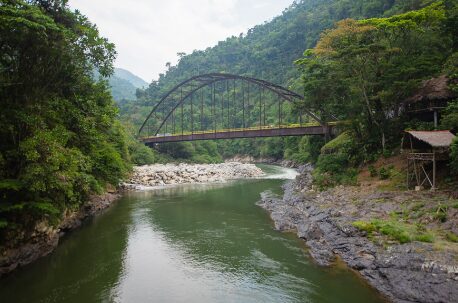
Flowing through Colombia's Santander Department, the Samana River carves a path of wild beauty in the Andean foothills. Its emerald waters invite adventurers to raft through thrilling rapids or drift past lush forests teeming with biodiversity. A hidden gem, it whispers of untamed landscapes and the quiet allure of nature’s rhythm—perfect for those seeking both exhilaration and serenity.
Destination Facts
- Official Name: Río Samaná
- Type of Destination: River
- Brief Description: A serene and biodiverse river winding through lush landscapes, offering opportunities for eco-tourism and adventure.
- Location: Santander Department, Andean Region, Colombia
- Significance/Known For: Renowned for its pristine waters, rich biodiversity, and role in regional ecosystems.
- Main Attractions/Key Features:
- Scenic river rafting and kayaking routes
- Surrounding tropical forests with diverse wildlife
- Remote, unspoiled natural beauty
- Best Time to Visit: Dry season (December to March) for optimal water activities.
- Entrance Fee/Ticket Info: Free access; guided tours may require fees.
Essentials
- Best Months to Visit: January, February, December
History
History of the Samana River
The Samana River, flowing through the lush landscapes of Colombia's Santander Department in the Andean Region, is a waterway steeped in both natural and cultural significance. Its origins trace back to the geological upheavals that shaped the Andes, carving a path through dense forests and rugged terrain. For centuries, indigenous communities, including the Guane people, relied on its waters for sustenance and transportation, leaving behind traces of their presence in the form of petroglyphs and artifacts. During the colonial era, the river became a vital route for Spanish explorers and settlers, linking the interior to the Magdalena River and beyond.
In more recent history, the Samana River has played a role in Colombia's agricultural and economic development, supporting coffee plantations and small-scale farming along its banks. Today, it is celebrated for its ecological diversity and adventure tourism, offering travelers a glimpse into a landscape where history and nature intertwine.
Key Historical Dates
- Pre-Columbian Era: The Samana River was inhabited by the Guane people, who left archaeological evidence of their settlements and spiritual practices along its banks.
- 16th Century: Spanish conquistadors explored the region, using the river as a corridor for expansion and resource extraction.
- 19th Century: The river became a lifeline for coffee growers and farmers during Colombia's agricultural boom, shaping the local economy.
- 20th Century: Infrastructure projects, including bridges and roads, reduced the river's role in transportation but preserved its cultural and ecological importance.
- 21st Century: Recognized for its biodiversity, the Samana River is now a destination for ecotourism and adventure activities like rafting and hiking.
Tours and Day Trips
Rafting the Samaná River
The Samaná River is renowned for its thrilling white-water rafting experiences, particularly in the stretch near San Agustín. The river’s Class III and IV rapids offer an exhilarating adventure through lush Andean landscapes, with occasional calm stretches allowing travelers to take in the surrounding biodiversity. This excursion typically lasts half a day and is ideal for adventure seekers and those with a moderate fitness level. Local operators provide safety gear and experienced guides.
Visit to the Cueva del Indio
A short journey from the Samaná River leads to the Cueva del Indio, a cave system steeped in indigenous history. Visitors can explore ancient petroglyphs and stalactite formations, often accompanied by a guide who shares insights into the region’s pre-Columbian cultures. The tour is suitable for history buffs and families, lasting approximately two hours. The cave’s cool interior provides a refreshing contrast to the tropical climate.
Birdwatching in the Río Claro Canyon
For nature enthusiasts, the Río Claro Canyon, accessible via a scenic drive from the Samaná River, is a haven for birdwatching. The area is home to endemic species such as the multicolored tanager and the Andean cock-of-the-rock. Guided walks along the canyon’s trails reveal cascading waterfalls and crystal-clear pools. This half-day excursion is perfect for wildlife lovers and photographers seeking tranquility amid Colombia’s biodiversity.
Cultural Immersion in San Luis
The quaint village of San Luis, nestled along the Samaná River, offers a glimpse into rural Colombian life. Visitors can participate in workshops on traditional coffee cultivation or sample local dishes like arepas de choclo. The experience, often combined with a leisurely riverbank stroll, is ideal for cultural travelers and those interested in sustainable tourism. The visit typically spans three to four hours.
Kayaking to the Cascada de la Virgen
A serene kayak trip along the Samaná River leads to the Cascada de la Virgen, a hidden waterfall surrounded by verdant foliage. The journey, suitable for beginners and families, includes stops for swimming in natural pools. The round-trip excursion lasts about three hours, with equipment provided by local outfitters. The waterfall’s secluded setting makes it a favorite among nature lovers.
When to visit
Best Time to Visit Samana River
Seasonal Breakdown
The Samana River, nestled in Colombia's Andean Region, experiences a tropical climate with distinct wet and dry seasons. The river's flow and surrounding landscapes shift dramatically between these periods, offering varied experiences for travelers.
Dry Season (December – March)
During these months, the weather is characterized by warm temperatures (22–28°C / 72–82°F) and minimal rainfall. The river's water levels are lower, making it ideal for activities like kayaking, rafting, and hiking along its banks.
- Pros: Optimal conditions for outdoor adventures; fewer mosquitoes; clearer trails.
- Cons: Higher tourist traffic, especially in January; some waterfalls may be less impressive.
Local festivals such as the Feria de Manizales (early January) bring vibrant cultural events to nearby towns, though they may also mean busier accommodations.
Wet Season (April – November)
Heavy rainfall dominates, particularly from April to June and September to November. Temperatures remain warm (20–26°C / 68–79°F), but humidity rises. The river swells, creating powerful rapids and lush greenery.
- Pros: Spectacular waterfalls and vibrant flora; fewer tourists; lower prices.
- Cons: Some trails may be muddy or inaccessible; rafting can be more challenging.
The Festival del Río Samaná (July) celebrates the river's cultural significance with music and traditional dances, though travel logistics may be complicated by rain.
Shoulder Seasons (Late March – Early April & Late November – Early December)
These transitional periods offer a balance between dry and wet conditions. Rainfall is sporadic, and temperatures are pleasant (21–27°C / 70–80°F).
- Pros: Moderate crowds; good river conditions for activities; lower accommodation rates.
- Cons: Unpredictable weather may require flexibility in plans.
Overall Recommendation
For adventure seekers, the dry season (December–March) is ideal, offering reliable conditions for rafting and exploration. Nature lovers may prefer the wet season (April–November) for its dramatic landscapes and solitude, though they should prepare for rain. The shoulder seasons provide a harmonious middle ground for those seeking fewer crowds and reasonable weather.
Considerations
Peak tourist months (December–January) see higher prices and busier trails, while the wet season often means discounted rates and quieter surroundings. Always check local conditions, as heavy rains can occasionally disrupt access to the river.
What to pack
Essentials for River Exploration
The Samana River, winding through Colombia's Andean region, demands practical yet thoughtful packing. Its tropical climate, combined with river activities and lush terrain, calls for gear that balances comfort and functionality.
- Quick-Dry Clothing: Lightweight, moisture-wicking fabrics are ideal for humid days and sudden rain showers, especially if kayaking or rafting.
- Sturdy Water Shoes: The riverbanks and rocky shallows require footwear with grip and drainage—avoid flimsy sandals.
- Waterproof Dry Bag: Essential for protecting electronics, snacks, and spare clothes during boat trips or unexpected downpours.
- Biodegradable Insect Repellent: The river's ecosystem thrives with life, including mosquitoes—opt for eco-friendly formulas.
Climate & Terrain Considerations
Mornings can be cool in the Andean foothills, while afternoons turn warm and humid. Layering is key.
- Packable Rain Jacket: Sudden tropical showers are common; a lightweight, breathable shell will keep you dry without bulk.
- Wide-Brimmed Hat: Shields against both sun and rain, preferable over caps for better coverage.
- Reef-Safe Sunscreen: The river’s reflective surface intensifies UV exposure—choose a formula safe for freshwater ecosystems.
For Adventure & Respect
The Samana is a place of natural beauty and local communities. Pack with both practicality and sensitivity in mind.
- Compact Binoculars: For spotting birds like toucans or howler monkeys in the dense riverside foliage.
- Collapsible Water Bottle: Stay hydrated without single-use plastics; some lodges offer filtered refill stations.
- Lightweight Sarong: Doubles as a towel, sun cover, or respectful cover-up when visiting nearby villages.
Culture
The Cultural Tapestry of Samana River
Nestled in the Santander Department of Colombia's Andean Region, the Samana River is a destination where nature and culture intertwine seamlessly. Unlike the broader Caribbean or Andean influences found elsewhere in the country, this riverine corridor boasts traditions shaped by its unique geography—a blend of indigenous heritage, colonial history, and the rhythms of rural life.
Local Traditions and Social Customs
The communities along the Samana River maintain a strong connection to the land, with traditions rooted in agriculture and riverine livelihoods. Fishing and small-scale farming are not just economic activities but cultural practices passed down through generations. Visitors may observe the molienda, the traditional grinding of sugarcane using wooden presses, a ritual that harks back to pre-colonial times.
- Respect for elders is paramount; a polite greeting ("Buenos días" or "Buenas tardes") is expected when entering homes or small businesses.
- Local festivals often feature cuadros vivos (living paintings), where villagers reenact religious or historical scenes in vibrant costumes.
Music and Dance
The Samana River region has a distinct musical identity, blending Andean bambuco rhythms with Afro-Colombian influences. The guabina, a traditional string-heavy genre, is often performed at gatherings, accompanied by improvisational poetry known as coplas. In smaller villages, you might encounter the torbellino, a lively dance performed during harvest celebrations.
Cuisine: A Riverine Flavorscape
The river’s bounty defines local cuisine. Bagre (catfish) and bocachico, seasoned with wild herbs and cooked in banana leaves, are staples. A must-try is viudo de pescado, a hearty fish stew with yuca and plantains, traditionally served with arepa santandereana—a thicker, saltier variant of the Colombian arepa.
- Meals are often communal; it’s customary to accept an invitation to share food if offered.
- Local coffee, grown in the surrounding hills, is served strong and sweet—a reflection of Santander’s proud coffee culture.
Festivals and Seasonal Highlights
The Fiesta del Río, held annually in nearby towns, celebrates the Samana’s cultural and ecological significance with canoe races, folk music, and artisanal fairs. December brings Las Velitas, where villagers light candles along the riverbanks in honor of the Virgin Mary, creating a mesmerizing nocturnal spectacle.
Arts and Crafts
Artisans along the Samana River specialize in cestería (basket weaving) using caña flecha, a native reed. These intricately patterned baskets often feature designs inspired by indigenous cosmologies. Pottery, too, is notable, with pieces fired using traditional wood-burning kilns.
Historical Influences
The region’s culture bears traces of the Yariguíes indigenous people, who once inhabited these lands. Colonial-era haciendas dot the landscape, their architecture reflecting the blend of Spanish and local techniques. The river itself was a vital trade route during the 19th century, leaving a legacy of storytelling and oral history among older residents.




