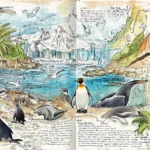
 Animales de Georgia del Sur: Una visión general de la vida silvestre de Georgia del Sur
Descubra la fauna única de Georgia del Sur, desde los majestuosos pingüinos rey hasta las curiosas focas, y explore sus extraordinarios hábitats.

Discover the remarkable wildlife of South Georgia, a remote and rugged island located in the southern Atlantic Ocean. Home to a rich array of unique animal species, this article provides an insightful overview of the various wildlife that inhabits this extraordinary region. From massive elephant seals and playful penguins to diverse bird populations and fascinating marine life, we will explore the habitats, behaviors, and conservation efforts surrounding these incredible animals. Whether you're planning a visit or simply curious about South Georgia's natural wonders, this guide will equip you with essential knowledge and inspire your appreciation for its vibrant ecosystems.
Esenciales
Geografía y clima
Situación y paisaje
Georgia del Sur es una isla remota situada en el sur del océano Atlántico. Se encuentra a unos 1.390 kilómetros al este del extremo meridional de Sudamérica. Este paraíso aislado tiene unos 170 kilómetros de largo y unos 1.600 kilómetros cuadrados de superficie. La isla es conocida por sus escarpados y espectaculares paisajes, con imponentes montañas, profundos fiordos y vastos glaciares.
El punto más alto de la isla es el monte Paget, que alcanza una impresionante altura de 2.934 metros. El terreno suele describirse como salvaje e indómito, con grandes extensiones cubiertas de musgo, hierba y diversas plantas con flores. Además de su grandeza, la isla está bordeada por costas rocosas, que albergan una rica variedad de vida marina.
Patrones climáticos
South Georgia experiences a cold and temperate climate. The surrounding ocean moderates the temperature, preventing extreme highs and lows. The average summer temperatures hover around 5 to 10 degrees Celsius (41 to 50 degrees Fahrenheit), while winter temperatures can drop to around -5 to 0 degrees Celsius (23 to 32 degrees Fahrenheit). It’s important to note that even in summer, the weather can change rapidly. Visitors often experience rain, fog, and strong winds, so preparation is essential.
Esta isla también recibe una buena cantidad de precipitaciones, principalmente en forma de lluvia o nieve. La costa occidental tiende a ser más húmeda que la oriental, lo que da lugar a exuberantes paisajes verdes en un lado y zonas más secas en el otro. Estas diferentes condiciones climáticas contribuyen a la diversidad de hábitats de la isla.
Diversidad de hábitats
Georgia del Sur ofrece una gran variedad de hábitats debido a su geografía y clima únicos. Desde las costas rocosas hasta las montañas cubiertas de hielo, cada zona alberga distintos tipos de fauna. Las regiones costeras albergan playas, acantilados y zonas de mareas, que constituyen lugares perfectos para la nidificación de diversas especies de aves, como focas y pingüinos. En el interior, los brezales y las zonas alpinas albergan un conjunto diferente de plantas y animales. Aquí encontrará hierbas, plantas con flores y aves resistentes que prosperan en estos entornos más fríos y agrestes.
Moreover, the glacial areas play a crucial role in shaping the island’s ecosystem. Glaciers slowly carve the landscape, creating new habitats while also affecting sea levels and ocean currents nearby. All these factors combine to create a rich tapestry of life that defines South Georgia, making it a vital area for biodiversity.
Fauna terrestre
Fauna terrestre
South Georgia is a remote and unique part of the world, home to a wide variety of terrestrial wildlife. The island’s diverse habitats support many fascinating mammals, birds, and invertebrates.
Mamíferos
Ánade rabudo de Georgia del Sur
The South Georgia pintail is a striking bird often found in the island’s wetlands. It has a long neck and a distinctive elongated body, which makes it easy to identify. These ducks feed on aquatic plants and insects, showcasing their adaptability to the island’s varying seasons. Their population reflects the health of the wetland ecosystems, highlighting the importance of these areas to wildlife.
Reno
Interestingly, South Georgia is also home to reindeer, which were introduced to the island in the 20th century. These animals thrive in the island’s lush landscapes. With their impressive antlers and shaggy coats, reindeer are well-suited for the cooler temperatures. They graze on the island’s vegetation, playing an important role in the ecosystem. They have adapted well but also highlight the complexities of introducing non-native species.
Pájaros
Especies de pingüinos
Georgia del Sur es famosa por sus pingüinos. Entre ellos destacan los pingüinos rey y papúa.
Rey Pingüino
Los pingüinos rey son la segunda especie más grande de pingüinos. Son conocidos por sus llamativas marcas naranjas y amarillas en la cabeza y el pecho. Estas impresionantes aves pueden llegar a medir casi un metro de altura. Suelen reunirse en grandes colonias, creando un ambiente animado y ruidoso. Los pingüinos rey son grandes nadadores y se sumergen en las profundidades del océano para capturar peces.
Pingüino papúa
El pingüino papúa se reconoce por su pico naranja brillante y la raya blanca que se extiende por su cabeza. Estas encantadoras aves son algo más pequeñas que los pingüinos rey y son conocidas por su comportamiento enérgico y juguetón. Los pingüinos papúa se pasean a menudo por las costas rocosas, arrancando sonrisas a los visitantes. También son excepcionales nadadores en picado, a la caza de krill y peces pequeños.
Albatros
Otra ave notable de Georgia del Sur es el albatros. Estas magníficas aves marinas son conocidas por su gran envergadura, que puede alcanzar los 3 metros. Los albatros son excelentes voladores y a menudo planean sin esfuerzo sobre el océano durante horas. Se alimentan de peces y calamares, y utilizan su aguda vista para detectar posibles alimentos desde grandes distancias. Verlos volar es una experiencia inolvidable.
Otras aves
In addition to penguins and albatrosses, South Georgia boasts a variety of other bird species. These include petrels and skuas. Petrels are small seabirds that often follow ships, while skuas are formidable predators known for their impressive hunting skills. The island’s rich birdlife adds to the fascinating tapestry of its terrestrial wildlife.
Invertebrados
Krill antártico
El krill antártico es una criatura diminuta parecida a un camarón que desempeña un papel esencial en el ecosistema de Georgia del Sur. Aunque son pequeños, constituyen una fuente de alimento vital para animales más grandes, como ballenas y focas. Estos invertebrados forman grandes enjambres en el océano, lo que los hace increíblemente importantes para las redes alimentarias marinas. Su presencia demuestra la salud del medio marino.
Otras especies
In addition to krill, South Georgia is home to various other invertebrate species. These include several types of worms and shellfish, which contribute to the island’s biodiversity. These creatures play important roles in recycling nutrients and supporting the overall health of their habitats.
In summary, the terrestrial wildlife of South Georgia is diverse and captivating. From the striking penguins and playful reindeer to the incredible albatross and tiny krill, each species contributes to the island’s rich ecological tapestry. Their survival depends on the health of their delicate environments, emphasizing the need for continued conservation efforts.
Fauna marina
Fauna marina
Georgia del Sur alberga una asombrosa variedad de fauna marina. Las frías aguas ricas en nutrientes que rodean la isla albergan vibrantes ecosistemas llenos de vida. Desde juguetonas focas hasta majestuosas ballenas, la vida marina es fascinante y esencial para la salud de nuestro planeta.
Sellos
One of the most prominent features of South Georgia’s marine wildlife is its seals. Two of the most notable species are the Antarctic fur seal and the leopard seal.
Foca peletera antártica
El lobo fino antártico se ve a menudo en las playas de Georgia del Sur. Estas focas son conocidas por su comportamiento juguetón y su agilidad en el agua. Los machos pueden pesar hasta 400 libras y son fácilmente reconocibles por su gran tamaño y su grueso pelaje. Durante la época de cría, de noviembre a enero, se reúnen en grandes grupos llamados colonias. Verlos interactuar puede ser toda una experiencia.
Foca leopardo
Las focas leopardo son otra especie fascinante, conocida por su aspecto único y sus habilidades de caza. Deben su nombre a su pelaje moteado, parecido al de un leopardo. Estas focas son más grandes que las focas peleteras antárticas y pueden llegar a medir hasta 3 metros. Son excelentes depredadores y suelen alimentarse de pingüinos, krill e incluso otras focas. A pesar de su feroz reputación, las focas leopardo son importantes para mantener el equilibrio del ecosistema marino.
Ballenas
Whales are another incredible aspect of South Georgia’s marine wildlife. Many species can be found in these waters, taking advantage of the rich food supply.
Tipos de ballenas
Among the most commonly spotted whales are humpback whales and southern right whales. Humpback whales are famous for their majestic songs and acrobatic displays, including breaching and tail slapping. Southern right whales, on the other hand, are known for their unique callosities—ridges of rough skin that help researchers identify individual whales.
Migración de las ballenas
Las ballenas migran a menudo hacia y desde Georgia del Sur. Vienen a alimentarse en las aguas ricas en nutrientes durante los meses de verano. Los patrones migratorios de estas ballenas no sólo son esenciales para su supervivencia, sino que también contribuyen a la salud del ecosistema marino. Al alimentarse, ayudan a controlar la población de especies marinas, garantizando una red alimentaria equilibrada.
Pescado
Las aguas que rodean Georgia del Sur también albergan diversas especies de peces. Estos peces desempeñan papeles vitales en el ecosistema como presas de animales más grandes y como contribuyentes a la biodiversidad general de la región.
Diversidad de especies
Algunas especies de peces comunes en la zona son la austromerluza antártica y la austromerluza linterna, ambas adaptadas a las frías condiciones. La austromerluza antártica es uno de los principales depredadores de la región, mientras que la austromerluza linterna es crucial en la cadena alimentaria, ya que constituye la principal fuente de alimento para muchos animales marinos.
Funciones de los ecosistemas
Los peces de Georgia del Sur ayudan a mantener el equilibrio de la vida marina. No sólo sirven de sustento a focas y ballenas, sino también a diversas aves que dependen de ellos para alimentarse. Unas poblaciones de peces sanas son esenciales para la supervivencia de muchas otras especies del ecosistema.
In summary, the marine wildlife of South Georgia is rich and diverse. From seals to whales to fish, each species plays an important role in this delicate ecosystem. Understanding and protecting these animals is essential for maintaining the health of our planet’s oceans.
Estado de conservación
Estado de conservación
Georgia del Sur alberga una increíble variedad de vida salvaje, pero este ecosistema único se enfrenta a varias amenazas que pueden afectar a sus especies y hábitats. Entender estos retos es esencial para proteger a los animales que llaman hogar a esta remota isla.
Amenazas para la fauna
Cambio climático
One of the most significant threats to South Georgia’s wildlife is climate change. As temperatures rise, glaciers are melting at an alarming rate. This not only affects the landscape but also disrupts the habitats of many species. For instance, warmer temperatures can lead to changes in breeding patterns for birds and alterations in the food supply for marine life. These shifts can cause stress on populations and affect their ability to thrive.
Impacto humano
Human activity has also had adverse effects on South Georgia’s wildlife. Although the island is mostly uninhabited, past whaling and sealing practices have severely reduced some animal populations. Introduced species, such as rats and reindeer, have also harmed native wildlife. These invaders compete for food and resources, often leading to declines in the populations of local species. Protecting South Georgia’s unique wildlife means addressing these human-related issues.
Esfuerzos de conservación
Zonas protegidas
Para combatir estas amenazas, se están llevando a cabo diversos esfuerzos de conservación. Georgia del Sur ha sido declarada Reserva Natural Especial, lo que contribuye a proteger sus ecosistemas y su fauna. Este marco jurídico garantiza que se reserven zonas específicas para su conservación, limitando el acceso humano y minimizando las molestias a las especies vulnerables. Investigadores y conservacionistas trabajan sin descanso en la gestión de estas zonas protegidas para mantener y recuperar las poblaciones de especies clave.
Iniciativas de investigación
Research plays a crucial role in conservation efforts. Scientists monitor wildlife populations to track their health and behavior. This information helps guide conservation strategies and ensures that measures are effective. Additionally, studies on climate impacts can inform future actions to protect these unique ecosystems. Collaboration with international organizations further strengthens these initiatives, promoting global support for South Georgia’s wildlife.
In summary, the conservation status of the wildlife in South Georgia is critical. By understanding the threats and implementing conservation efforts, we can help ensure that the island’s remarkable biodiversity continues to survive and thrive for generations to come.
Ecosistemas únicos
Ecosistemas únicos
Georgia del Sur alberga una variedad de ecosistemas únicos, cada uno rebosante de vida y características fascinantes. Estos ecosistemas abarcan desde zonas costeras hasta imponentes montañas e incluso los gélidos reinos de los glaciares. Comprender estos ecosistemas nos ayuda a apreciar la increíble diversidad de la fauna que habita en Georgia del Sur.
Ecosistemas costeros
Los ecosistemas costeros de Georgia del Sur son dinámicos y vitales. Aquí encontrará ricos entornos marinos donde la tierra se encuentra con el mar. Las playas suelen estar llenas de lobos marinos tomando el sol y pingüinos deambulando. Estas zonas son lugares de cría esenciales para varias especies de aves, entre ellas el emblemático pingüino rey. Las aguas, ricas en nutrientes, albergan abundante vida marina, como el krill, que constituye la base de la cadena alimentaria. Los ecosistemas costeros son cruciales para criar a los animales jóvenes antes de que se aventuren en mar abierto.
Ecosistemas de montaña
As you move inland, the landscape changes dramatically. The rugged mountains of South Georgia create a unique environment for many terrestrial species. These mountains are often covered in lush vegetation, providing habitat for mammals like the reindeer. The slopes are steep, and the peaks are often capped with snow. This alpine habitat is home to various bird species, including the majestic albatross. The mountain ecosystems are vital for regulating the local climate and play a crucial role in the overall health of the island’s environment.
Ecosistemas glaciares
Glacial ecosystems are some of the most striking areas in South Georgia. The glaciers themselves are massive, slowly moving rivers of ice that shape the landscape. These glaciers feed freshwater into streams and rivers, creating unique habitats for many species. The extreme cold and harsh conditions challenge the wildlife that lives in and around these icy habitats. However, some brave organisms thrive here, including specially adapted plants that can survive in such conditions. Glacial ecosystems are essential for maintaining the island’s overall water cycle and for providing habitats that support diverse life forms.
Overall, the unique ecosystems of South Georgia are like a treasure chest of biodiversity. Each ecosystem functions hand in hand, supporting the wildlife that depends on them. Understanding and protecting these ecosystems is vital for preserving the beauty and health of South Georgia’s natural environment.
Ecoturismo
Ecoturismo
Georgia del Sur es un lugar extraordinario para el ecoturismo, que atrae a aventureros de todo el mundo. Esta remota isla ofrece una oportunidad única de disfrutar de sus impresionantes paisajes y su variada vida salvaje, al tiempo que promueve la conservación y la sostenibilidad.
When planning a visit, it’s essential to follow certain guidelines to protect the environment. Tourists are encouraged to stay on marked paths and maintain a respectful distance from wildlife. These practices help minimize human impact on the delicate ecosystems of South Georgia. By following these rules, visitors can enjoy the island’s beauty without harming its natural habitats.
En Georgia del Sur abundan las oportunidades educativas. Muchas empresas ofrecen excursiones guiadas por expertos. Estos guías comparten fascinantes conocimientos sobre la fauna local, incluidos pingüinos, focas y ballenas. Aprender sobre estos animales en su hábitat natural puede crear recuerdos imborrables y un mayor aprecio por la biodiversidad.
Ecotourism also has significant economic benefits for conservation efforts in South Georgia. Entrance fees and donations from visitors help fund research initiatives and the management of protected areas. By supporting local economies and conservation programs, tourists play a crucial role in preserving South Georgia’s unique wildlife for future generations.
In conclusion, ecotourism in South Georgia is not only a thrilling adventure but also an important way to contribute to conservation. By being responsible visitors, we can enjoy the island’s natural wonders while ensuring that they remain safe and intact for years to come.




