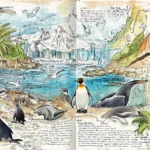
 Animais da Geórgia do Sul: Uma Visão Geral da Vida Selvagem da Geórgia do Sul
Descubra a vida selvagem única da Geórgia do Sul, desde os majestosos pinguins-rei às curiosas focas, e explore os seus notáveis habitats.

Discover the remarkable wildlife of South Georgia, a remote and rugged island located in the southern Atlantic Ocean. Home to a rich array of unique animal species, this article provides an insightful overview of the various wildlife that inhabits this extraordinary region. From massive elephant seals and playful penguins to diverse bird populations and fascinating marine life, we will explore the habitats, behaviors, and conservation efforts surrounding these incredible animals. Whether you're planning a visit or simply curious about South Georgia's natural wonders, this guide will equip you with essential knowledge and inspire your appreciation for its vibrant ecosystems.
Fundamentos
Geografia e clima
Localização e paisagem
A Geórgia do Sul é uma ilha remota localizada no sul do Oceano Atlântico. Situa-se a cerca de 1.390 quilómetros (cerca de 865 milhas) a leste do extremo sul da América do Sul. Este paraíso isolado estende-se por cerca de 170 quilómetros (105 milhas) de comprimento e tem uma área de cerca de 1600 quilómetros quadrados (620 milhas quadradas). A ilha é conhecida pelas suas paisagens escarpadas e dramáticas, com montanhas imponentes, fiordes profundos e vastos glaciares.
O ponto mais alto da ilha é o Monte Paget, que atinge uma altura impressionante de 2.934 metros (9.626 pés). O terreno é frequentemente descrito como selvagem e indomável, com grandes extensões cobertas de musgo, relva e várias plantas com flores. Para além da sua grandeza, a ilha é delimitada por costas rochosas, que albergam uma grande variedade de vida marinha.
Padrões climáticos
South Georgia experiences a cold and temperate climate. The surrounding ocean moderates the temperature, preventing extreme highs and lows. The average summer temperatures hover around 5 to 10 degrees Celsius (41 to 50 degrees Fahrenheit), while winter temperatures can drop to around -5 to 0 degrees Celsius (23 to 32 degrees Fahrenheit). It’s important to note that even in summer, the weather can change rapidly. Visitors often experience rain, fog, and strong winds, so preparation is essential.
Esta ilha também recebe uma boa quantidade de precipitação, principalmente sob a forma de chuva ou neve. A costa ocidental tende a ser mais húmida do que a costa oriental, dando origem a paisagens verdejantes de um lado e a zonas mais secas do outro. Estas condições climáticas variáveis contribuem para a diversidade de habitats que se encontram em toda a ilha.
Diversidade de habitats
A Geórgia do Sul oferece uma grande variedade de habitats devido à sua geografia e clima únicos. Desde as costas rochosas até às montanhas cobertas de gelo, cada área suporta diferentes tipos de vida selvagem. As regiões costeiras são o lar de praias, falésias e zonas de maré, proporcionando locais de nidificação perfeitos para várias espécies de aves, como focas e pinguins. No interior, as charnecas e as zonas alpinas albergam um conjunto diferente de plantas e animais. Aqui, pode encontrar gramíneas, plantas com flores e aves resistentes que se desenvolvem nestes ambientes mais frios e acidentados.
Moreover, the glacial areas play a crucial role in shaping the island’s ecosystem. Glaciers slowly carve the landscape, creating new habitats while also affecting sea levels and ocean currents nearby. All these factors combine to create a rich tapestry of life that defines South Georgia, making it a vital area for biodiversity.
Vida selvagem terrestre
Vida selvagem terrestre
South Georgia is a remote and unique part of the world, home to a wide variety of terrestrial wildlife. The island’s diverse habitats support many fascinating mammals, birds, and invertebrates.
Mamíferos
Pintassilgo da Geórgia do Sul
The South Georgia pintail is a striking bird often found in the island’s wetlands. It has a long neck and a distinctive elongated body, which makes it easy to identify. These ducks feed on aquatic plants and insects, showcasing their adaptability to the island’s varying seasons. Their population reflects the health of the wetland ecosystems, highlighting the importance of these areas to wildlife.
Renas
Interestingly, South Georgia is also home to reindeer, which were introduced to the island in the 20th century. These animals thrive in the island’s lush landscapes. With their impressive antlers and shaggy coats, reindeer are well-suited for the cooler temperatures. They graze on the island’s vegetation, playing an important role in the ecosystem. They have adapted well but also highlight the complexities of introducing non-native species.
Aves
Espécies de pinguins
A Geórgia do Sul é famosa pelos seus pinguins. Os mais notáveis são os pinguins-rei e os pinguins-gentoo.
Rei Pinguim
Os pinguins-rei são a segunda maior espécie de pinguim. São conhecidos pelas suas impressionantes marcas laranja e amarelas na cabeça e no peito. Estas aves impressionantes podem atingir quase um metro de altura! Reúnem-se frequentemente em grandes colónias, criando uma atmosfera animada e ruidosa. Os pinguins-rei são grandes nadadores, mergulhando fundo no oceano para apanhar peixe.
Pinguim Gentoo
O pinguim-gentoo é reconhecido pelo seu bico cor de laranja brilhante e pela risca branca que se estende pela cabeça. Estas aves encantadoras são ligeiramente mais pequenas do que os pinguins-rei e são conhecidas pelo seu comportamento enérgico e brincalhão. Os pinguins-gentoo passeiam-se frequentemente pelas costas rochosas, arrancando sorrisos dos visitantes. São também nadadores de mergulho excepcionais, caçando krill e pequenos peixes.
Albatroz
Outra ave notável encontrada na Geórgia do Sul é o albatroz. Estas magníficas aves marinhas são conhecidas pela sua longa envergadura, que pode atingir os 12 pés. Os albatrozes são excelentes voadores, muitas vezes planando sem esforço sobre o oceano durante horas. Alimentam-se de peixes e lulas, utilizando a sua visão aguçada para detetar potenciais refeições a grandes distâncias. Observá-los a voar é uma experiência inesquecível.
Outras aves
In addition to penguins and albatrosses, South Georgia boasts a variety of other bird species. These include petrels and skuas. Petrels are small seabirds that often follow ships, while skuas are formidable predators known for their impressive hunting skills. The island’s rich birdlife adds to the fascinating tapestry of its terrestrial wildlife.
Invertebrados
Krill do Antártico
O krill antártico é uma criatura minúscula, semelhante a um camarão, que desempenha um papel essencial no ecossistema da Geórgia do Sul. Embora sejam pequenos, são uma fonte de alimento vital para animais maiores, como as baleias e as focas. Estes invertebrados formam grandes enxames no oceano, o que os torna incrivelmente importantes para as cadeias alimentares marinhas. A sua presença demonstra a saúde do ambiente marinho.
Outras espécies
In addition to krill, South Georgia is home to various other invertebrate species. These include several types of worms and shellfish, which contribute to the island’s biodiversity. These creatures play important roles in recycling nutrients and supporting the overall health of their habitats.
In summary, the terrestrial wildlife of South Georgia is diverse and captivating. From the striking penguins and playful reindeer to the incredible albatross and tiny krill, each species contributes to the island’s rich ecological tapestry. Their survival depends on the health of their delicate environments, emphasizing the need for continued conservation efforts.
Vida selvagem marinha
Vida selvagem marinha
A Geórgia do Sul é o lar de uma espantosa variedade de vida selvagem marinha. As águas frias e ricas em nutrientes que rodeiam a ilha suportam ecossistemas vibrantes e cheios de vida. De focas brincalhonas a baleias majestosas, a vida marinha aqui é fascinante e essencial para a saúde do nosso planeta.
Selos
One of the most prominent features of South Georgia’s marine wildlife is its seals. Two of the most notable species are the Antarctic fur seal and the leopard seal.
Lobo marinho do Antártico
A foca peluda do Antártico é frequentemente vista nas praias da Geórgia do Sul. Estas focas são conhecidas pelo seu comportamento brincalhão e agilidade na água. Os machos podem pesar até 400 libras e são facilmente reconhecíveis devido ao seu tamanho maior e pelo espesso. Durante a época de reprodução, que ocorre de novembro a janeiro, reúnem-se em grandes grupos chamados "rookeries". Observá-los a interagir pode ser uma experiência e tanto!
Foca-leopardo
As focas-leopardo são outra espécie fascinante, conhecida pelo seu aspeto único e pelas suas capacidades de caça. O seu nome deve-se à sua pelagem manchada, que se assemelha à de um leopardo. Estas focas são maiores do que as focas peludas do Antártico e podem atingir comprimentos de até 3 metros. São excelentes predadores, alimentando-se frequentemente de pinguins, krill e até de outras focas. Apesar da sua reputação feroz, as focas-leopardo são importantes para manter o equilíbrio do ecossistema marinho.
Baleias
Whales are another incredible aspect of South Georgia’s marine wildlife. Many species can be found in these waters, taking advantage of the rich food supply.
Tipos de baleias
Among the most commonly spotted whales are humpback whales and southern right whales. Humpback whales are famous for their majestic songs and acrobatic displays, including breaching and tail slapping. Southern right whales, on the other hand, are known for their unique callosities—ridges of rough skin that help researchers identify individual whales.
Padrões de migração das baleias
As baleias migram frequentemente de e para a Geórgia do Sul. Vêm alimentar-se nas águas ricas em nutrientes durante os meses de verão. Os padrões de migração destas baleias não só são essenciais para a sua sobrevivência, como também contribuem para a saúde do ecossistema marinho. Ao alimentarem-se, ajudam a controlar a população de espécies marinhas, assegurando uma rede alimentar equilibrada.
Peixe
As águas em torno da Geórgia do Sul também albergam uma variedade de espécies de peixes. Estes peixes desempenham um papel vital no ecossistema como presas de animais maiores e como contribuintes para a biodiversidade global da região.
Diversidade de espécies
Algumas espécies de peixes comuns na área incluem a Antarctic toothfish e a lanternfish, ambas adaptadas às condições frias. A Antarctic toothfish é um predador de topo na região, enquanto a lanternfish é crucial na cadeia alimentar, uma vez que serve como fonte primária de alimento para muitos animais marinhos.
Funções do ecossistema
Os peixes da Geórgia do Sul ajudam a manter o equilíbrio da vida marinha. Não só apoiam as focas e as baleias, mas também uma variedade de aves que dependem deles para se alimentarem. A existência de populações saudáveis de peixes é essencial para a sobrevivência de muitas outras espécies no ecossistema.
In summary, the marine wildlife of South Georgia is rich and diverse. From seals to whales to fish, each species plays an important role in this delicate ecosystem. Understanding and protecting these animals is essential for maintaining the health of our planet’s oceans.
Estado de conservação
Estado de conservação
A Geórgia do Sul é o lar de uma incrível variedade de vida selvagem, mas este ecossistema único enfrenta várias ameaças que podem afetar as suas espécies e habitats. Compreender estes desafios é essencial para proteger os animais que vivem nesta ilha remota.
Ameaças à vida selvagem
Mudanças climáticas
One of the most significant threats to South Georgia’s wildlife is climate change. As temperatures rise, glaciers are melting at an alarming rate. This not only affects the landscape but also disrupts the habitats of many species. For instance, warmer temperatures can lead to changes in breeding patterns for birds and alterations in the food supply for marine life. These shifts can cause stress on populations and affect their ability to thrive.
Impacto humano
Human activity has also had adverse effects on South Georgia’s wildlife. Although the island is mostly uninhabited, past whaling and sealing practices have severely reduced some animal populations. Introduced species, such as rats and reindeer, have also harmed native wildlife. These invaders compete for food and resources, often leading to declines in the populations of local species. Protecting South Georgia’s unique wildlife means addressing these human-related issues.
Esforços de conservação
Áreas protegidas
Para combater estas ameaças, estão a ser desenvolvidos vários esforços de conservação. A Geórgia do Sul foi designada como Reserva Natural Especial, o que ajuda a proteger os seus ecossistemas e a sua vida selvagem. Este enquadramento legal assegura que áreas específicas são reservadas para preservação, limitando o acesso humano e minimizando a perturbação de espécies vulneráveis. Os investigadores e conservacionistas trabalham incansavelmente na gestão destas áreas protegidas para manter e restaurar as populações de espécies-chave.
Iniciativas de investigação
Research plays a crucial role in conservation efforts. Scientists monitor wildlife populations to track their health and behavior. This information helps guide conservation strategies and ensures that measures are effective. Additionally, studies on climate impacts can inform future actions to protect these unique ecosystems. Collaboration with international organizations further strengthens these initiatives, promoting global support for South Georgia’s wildlife.
In summary, the conservation status of the wildlife in South Georgia is critical. By understanding the threats and implementing conservation efforts, we can help ensure that the island’s remarkable biodiversity continues to survive and thrive for generations to come.
Ecossistemas únicos
Ecossistemas únicos
A Geórgia do Sul é o lar de uma variedade de ecossistemas únicos, cada um repleto de vida e caraterísticas fascinantes. Estes ecossistemas vão desde as zonas costeiras às montanhas imponentes e até aos reinos gelados dos glaciares. A compreensão destes ecossistemas ajuda-nos a apreciar a incrível diversidade de vida selvagem que habita a Geórgia do Sul.
Ecossistemas costeiros
Os ecossistemas costeiros da Geórgia do Sul são dinâmicos e vitais. Aqui, encontrará ambientes marinhos ricos onde a terra encontra o mar. As praias estão frequentemente repletas de focas peludas a apanhar sol e pinguins a passear. Estas áreas proporcionam locais de reprodução essenciais para várias espécies de aves, incluindo o icónico pinguim-rei. As águas ricas em nutrientes suportam uma vida marinha abundante, como o krill, que constitui a base da cadeia alimentar. Os ecossistemas costeiros são cruciais para nutrir os animais jovens antes de se aventurarem no oceano aberto.
Ecossistemas de montanha
As you move inland, the landscape changes dramatically. The rugged mountains of South Georgia create a unique environment for many terrestrial species. These mountains are often covered in lush vegetation, providing habitat for mammals like the reindeer. The slopes are steep, and the peaks are often capped with snow. This alpine habitat is home to various bird species, including the majestic albatross. The mountain ecosystems are vital for regulating the local climate and play a crucial role in the overall health of the island’s environment.
Ecossistemas glaciares
Glacial ecosystems are some of the most striking areas in South Georgia. The glaciers themselves are massive, slowly moving rivers of ice that shape the landscape. These glaciers feed freshwater into streams and rivers, creating unique habitats for many species. The extreme cold and harsh conditions challenge the wildlife that lives in and around these icy habitats. However, some brave organisms thrive here, including specially adapted plants that can survive in such conditions. Glacial ecosystems are essential for maintaining the island’s overall water cycle and for providing habitats that support diverse life forms.
Overall, the unique ecosystems of South Georgia are like a treasure chest of biodiversity. Each ecosystem functions hand in hand, supporting the wildlife that depends on them. Understanding and protecting these ecosystems is vital for preserving the beauty and health of South Georgia’s natural environment.
Ecoturismo
Ecoturismo
A Geórgia do Sul é um local notável para o ecoturismo, atraindo visitantes aventureiros de todo o mundo. Esta ilha remota oferece uma oportunidade única de conhecer as suas paisagens deslumbrantes e a diversidade da sua vida selvagem, promovendo simultaneamente a conservação e a sustentabilidade.
When planning a visit, it’s essential to follow certain guidelines to protect the environment. Tourists are encouraged to stay on marked paths and maintain a respectful distance from wildlife. These practices help minimize human impact on the delicate ecosystems of South Georgia. By following these rules, visitors can enjoy the island’s beauty without harming its natural habitats.
As oportunidades educativas são abundantes na Geórgia do Sul. Muitas empresas turísticas oferecem excursões guiadas por especialistas experientes. Estes guias partilham ideias fascinantes sobre a vida selvagem local, incluindo pinguins, focas e baleias. Aprender sobre estes animais no seu habitat natural pode criar memórias duradouras e uma apreciação mais profunda da biodiversidade.
Ecotourism also has significant economic benefits for conservation efforts in South Georgia. Entrance fees and donations from visitors help fund research initiatives and the management of protected areas. By supporting local economies and conservation programs, tourists play a crucial role in preserving South Georgia’s unique wildlife for future generations.
In conclusion, ecotourism in South Georgia is not only a thrilling adventure but also an important way to contribute to conservation. By being responsible visitors, we can enjoy the island’s natural wonders while ensuring that they remain safe and intact for years to come.




