La tortuga carey (Eretmochelys imbricata), comúnmente conocida como tortuga carey en español, es una tortuga marina en peligro crítico de extinción famosa por su caparazón de sorprendente belleza y su función ecológica vital. Presente en los arrecifes de coral tropicales, esta especie es esencial para la salud y la diversidad de los ecosistemas marinos.
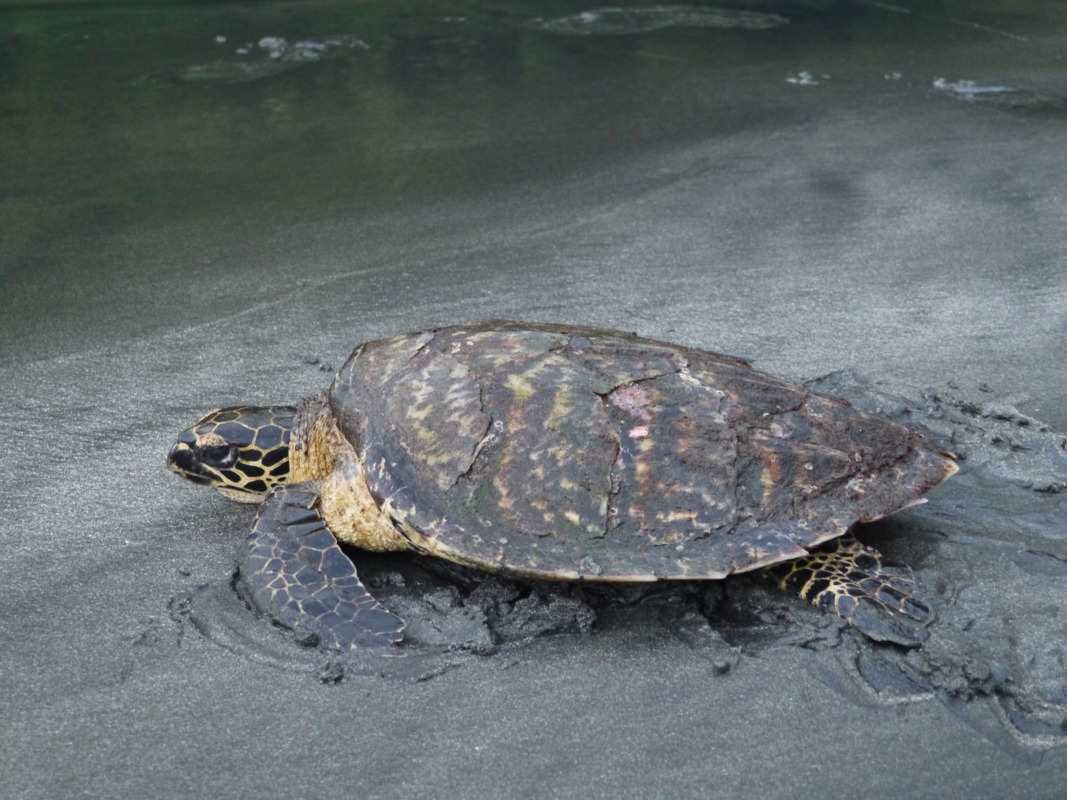
The Hawksbill Sea Turtle is a medium-sized marine turtle, typically measuring between 60 to 90 centimeters in shell length and weighing up to 80 kilograms. It is easily recognizable by its narrow, pointed beak, which resembles that of a bird of prey, and its stunning shell. The carapace is intricately patterned with overlapping scales (scutes) that have a unique, tortoiseshell coloration—amber, brown, yellow, and black hues blend together to create a mosaic of color.
Hábitats y distribución
Las tortugas carey viven principalmente en arrecifes de coral tropicales, que les proporcionan alimento y refugio. También se encuentran en zonas rocosas, lagunas, manglares e islas oceánicas. Estos hábitats se encuentran en los océanos Atlántico, Índico y Pacífico. Las tortugas carey prefieren aguas cálidas y poco profundas con abundantes formaciones coralinas.
Comportamiento y reproducción
Hawksbill sea turtles are solitary creatures, except during the nesting season. Females reach sexual maturity at around 20 to 30 years of age. During the nesting season, which occurs every two to three years, they return to the beaches where they were born to lay eggs—a behavior known as natal homing. They typically nest at night, laying up to 200 eggs in a single clutch, and may nest several times in one season.
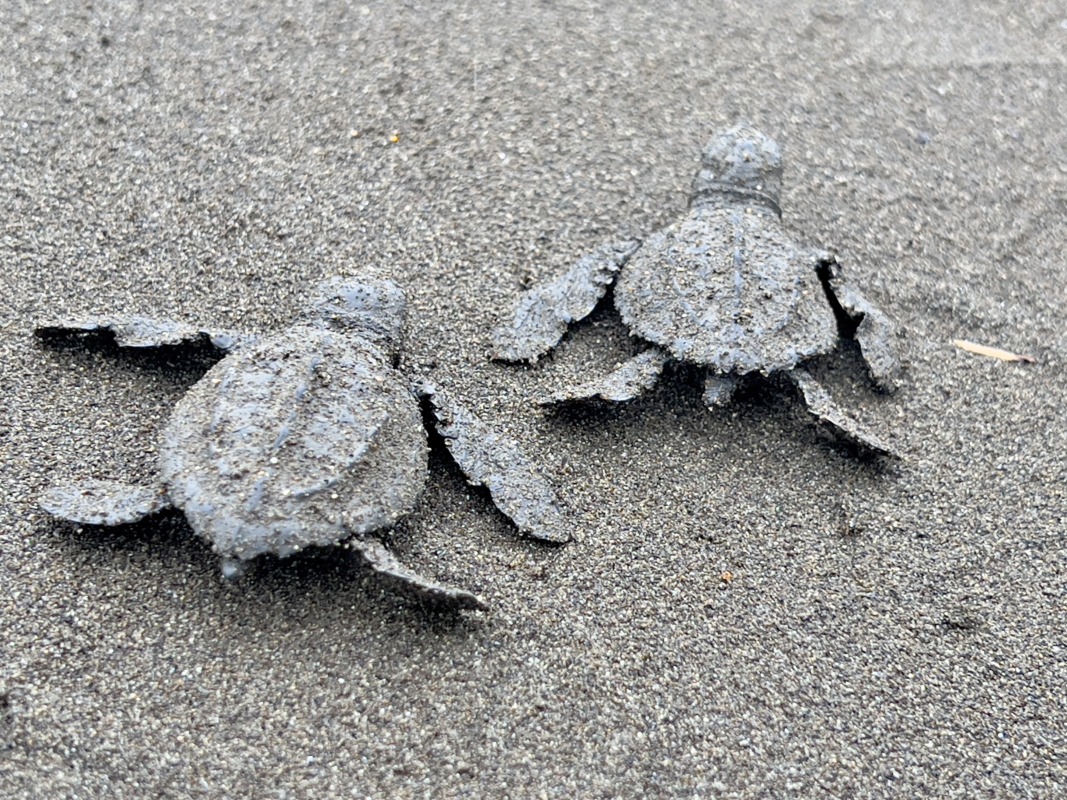
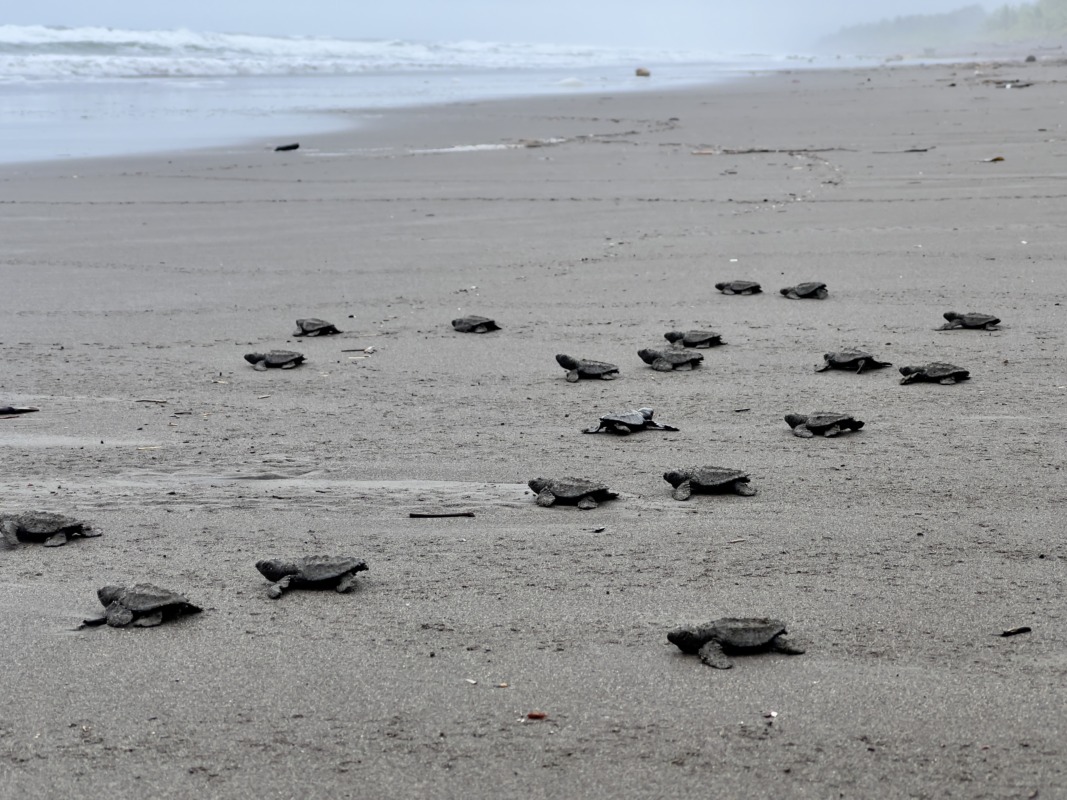
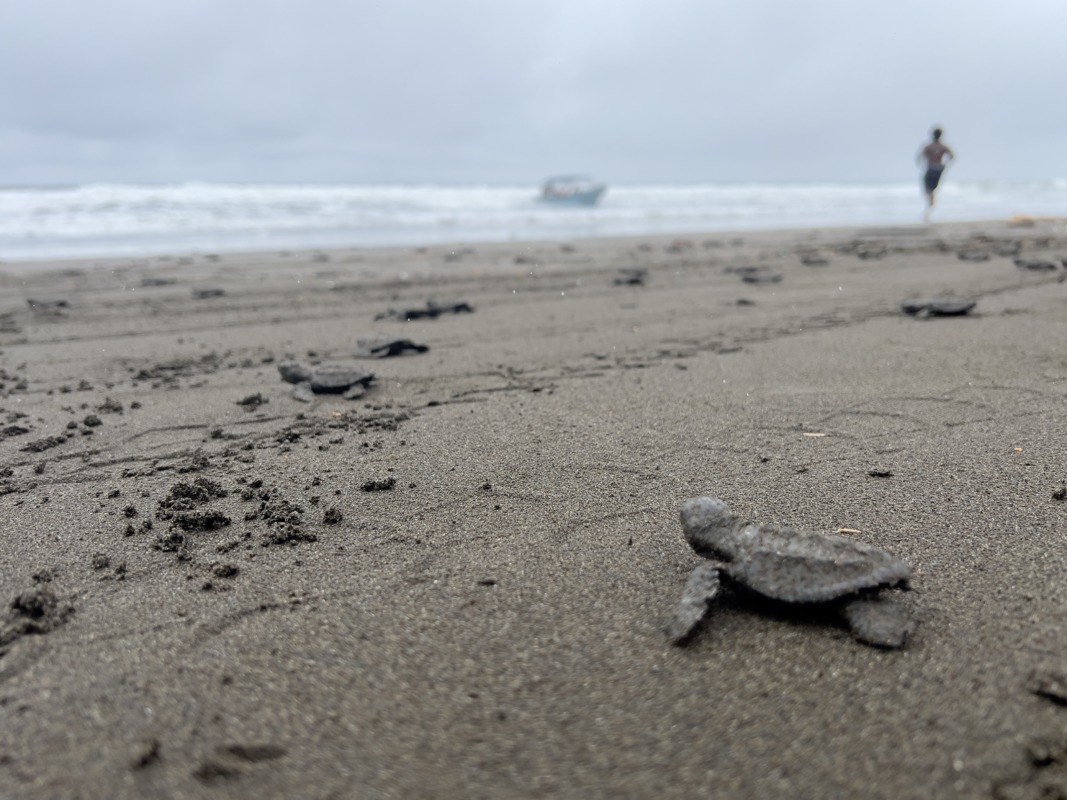
El periodo de incubación dura unos dos meses. Las crías emergen e instintivamente se dirigen al océano, guiadas por el horizonte de luz natural sobre el mar. Como otras tortugas marinas, las crías de carey se enfrentan a numerosas amenazas de depredadores y actividades humanas.
Dieta
The Hawksbill's diet primarily consists of sponges, which they forage from the nooks and crannies of coral reefs using their pointed beak. They also eat algae, sea anemones, and jellyfish. Their preference for sponges plays a crucial role in maintaining the health and diversity of coral reefs, as it prevents any single species of sponge from dominating the ecosystem.
Colores
La tortuga carey (Eretmochelys imbricata) tiene un llamativo caparazón con un patrón de escamas superpuestas, o "carey", que presenta una mezcla de colores ámbar, amarillo, marrón y negro. Sus aletas suelen ser oscuras con vetas y manchas de color más claro, lo que les ayuda a mimetizarse con los arrecifes de coral y los entornos rocosos que habitan. La parte inferior de su caparazón es más clara para camuflarse de los depredadores.
Datos curiosos
Hawksbill turtles have been known to travel thousands of kilometers between feeding and nesting sites.
Their beak-like mouths allow them to reach into crevices in coral reefs to extract their favorite prey—sponges.
Hawksbills are among the few creatures that can consume toxic sponges without harm, playing a unique role in their ecosystem.
Estado y esfuerzos de conservación
Conservation Status
The Hawksbill Sea Turtle is classified as Critically Endangered by the International Union for Conservation of Nature (IUCN). Their populations have drastically declined due to several factors, including:
Illegal Trade: The tortoiseshell trade, which uses their beautifully patterned shells to make jewelry and ornaments, has been a significant threat.
Habitat Loss: Coastal development and climate change threaten their nesting and foraging habitats.
Bycatch: Accidental capture in fishing gear is a major threat.
Pollution: Marine debris, particularly plastic, poses significant risks to turtles, which can ingest or become entangled in it.
Conservation Efforts
Efforts to conserve Hawksbill Sea Turtles include:
Protecting Nesting Beaches: Establishing marine protected areas and patrolling beaches to prevent poaching.
Regulating Fisheries: Implementing turtle-friendly fishing practices and devices to reduce bycatch.
Legislation: Enforcing international laws against the trade of turtle shells and their products.
Public Education: Raising awareness about the importance of hawksbill turtles and the threats they face.
Conservationists are working tirelessly to protect these remarkable creatures, ensuring that they continue to grace the world's oceans and contribute to the health of coral reef ecosystems. Through combined global efforts, there is hope for the recovery and preservation of the Hawksbill Sea Turtle.
Galería