La tortue de mer imbriquée (Eretmochelys imbricata), communément appelée Tortuga Carey en espagnol, est une tortue marine gravement menacée d'extinction, connue pour sa carapace d'une beauté saisissante et son rôle écologique vital. Présente dans les récifs coralliens tropicaux, cette espèce est essentielle à la santé et à la diversité des écosystèmes marins.
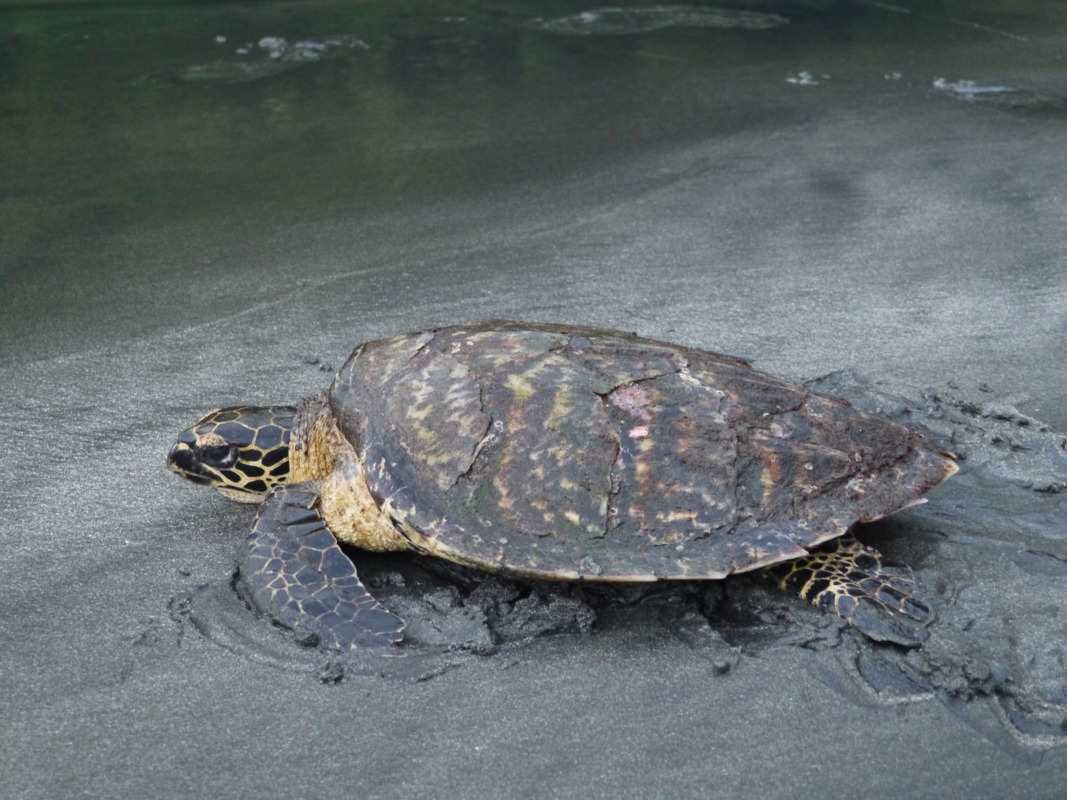
The Hawksbill Sea Turtle is a medium-sized marine turtle, typically measuring between 60 to 90 centimeters in shell length and weighing up to 80 kilograms. It is easily recognizable by its narrow, pointed beak, which resembles that of a bird of prey, and its stunning shell. The carapace is intricately patterned with overlapping scales (scutes) that have a unique, tortoiseshell coloration—amber, brown, yellow, and black hues blend together to create a mosaic of color.
Habitats et répartition
Les tortues imbriquées vivent principalement dans les récifs coralliens tropicaux, qui leur fournissent à la fois de la nourriture et un abri. On les trouve également dans les zones rocheuses, les lagons, les mangroves et les îles océaniques. Ces habitats se trouvent dans les océans Atlantique, Indien et Pacifique. Les éperviers préfèrent les eaux chaudes et peu profondes où les formations coralliennes sont abondantes.
Comportements et reproduction
Hawksbill sea turtles are solitary creatures, except during the nesting season. Females reach sexual maturity at around 20 to 30 years of age. During the nesting season, which occurs every two to three years, they return to the beaches where they were born to lay eggs—a behavior known as natal homing. They typically nest at night, laying up to 200 eggs in a single clutch, and may nest several times in one season.
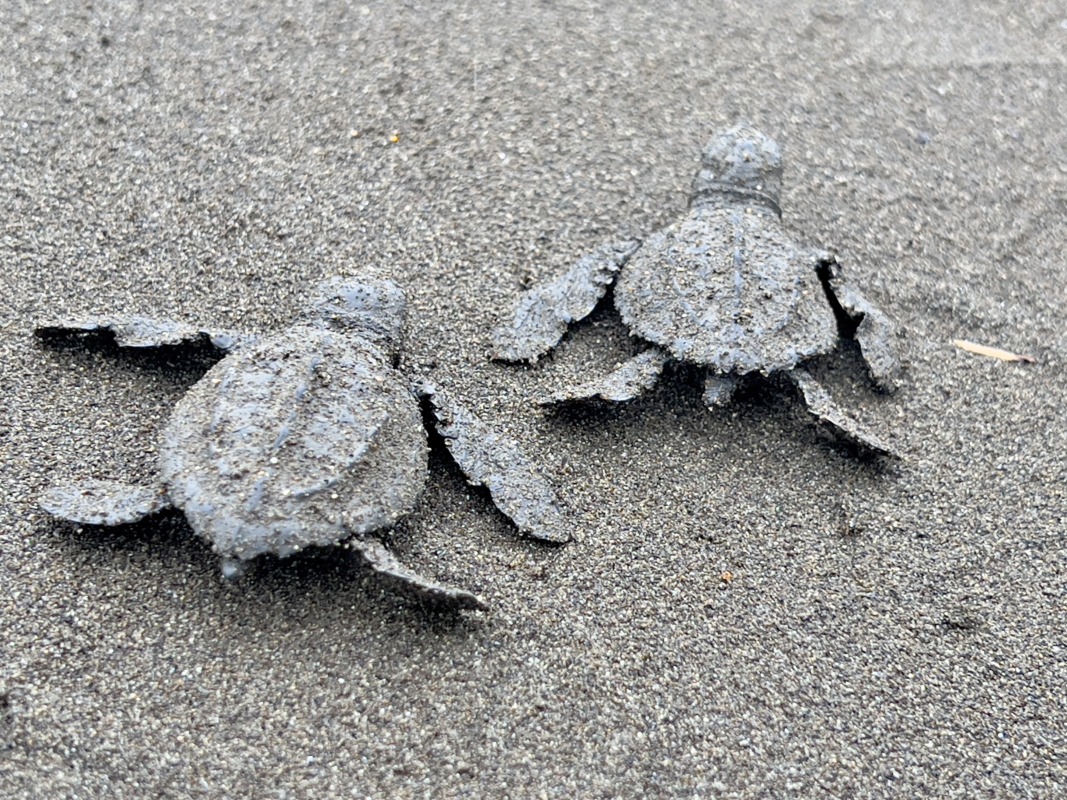
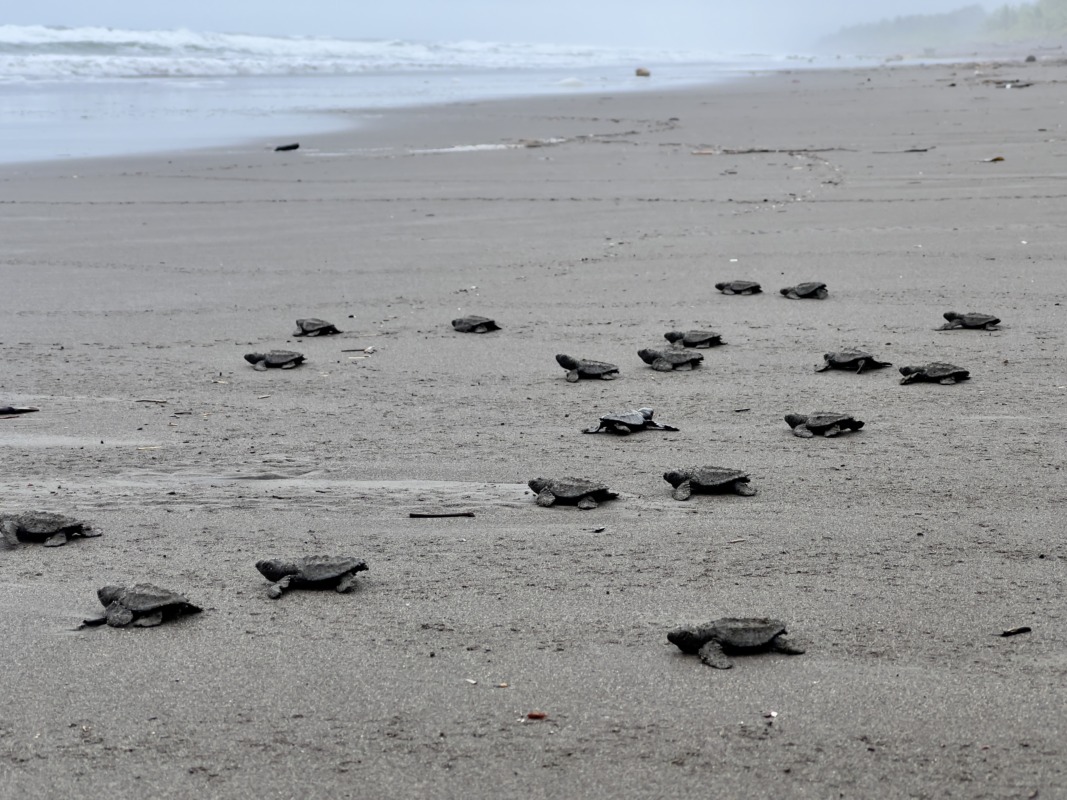
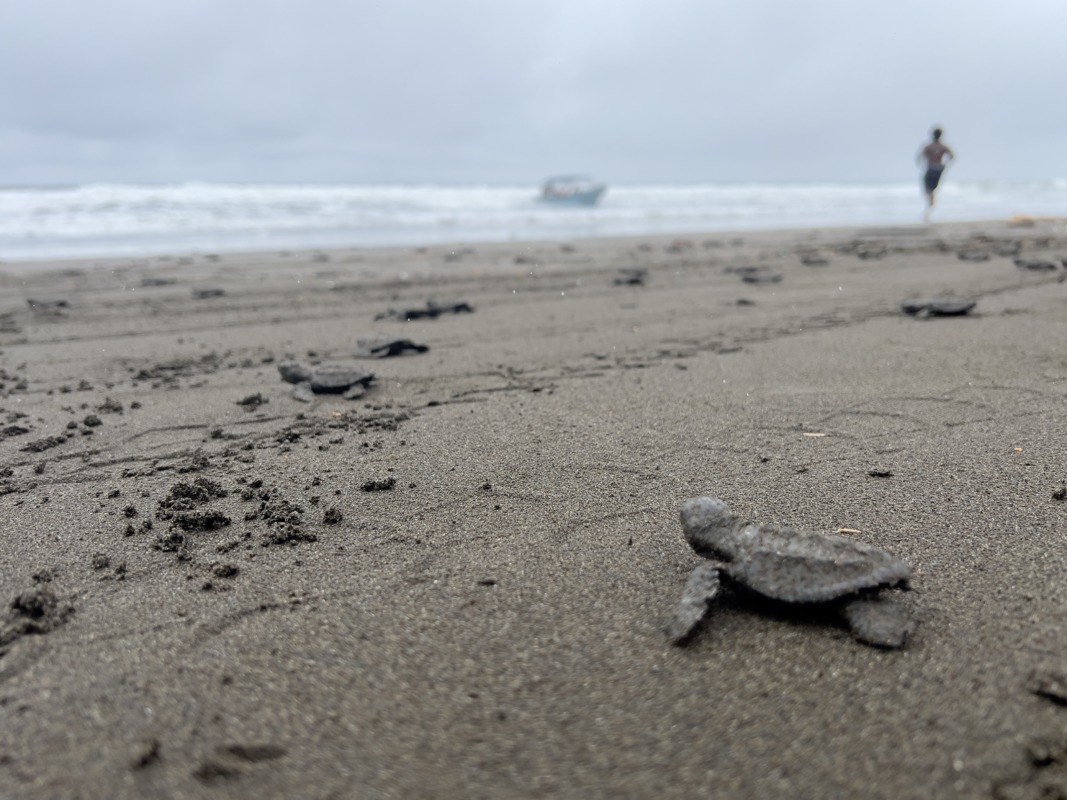
La période d'incubation dure environ deux mois. Les jeunes émergent et se dirigent instinctivement vers l'océan, guidés par l'horizon de lumière naturelle sur la mer. Comme les autres tortues de mer, les jeunes tortues imbriquées sont confrontées à de nombreuses menaces provenant des prédateurs et des activités humaines.
Régime alimentaire
The Hawksbill's diet primarily consists of sponges, which they forage from the nooks and crannies of coral reefs using their pointed beak. They also eat algae, sea anemones, and jellyfish. Their preference for sponges plays a crucial role in maintaining the health and diversity of coral reefs, as it prevents any single species of sponge from dominating the ecosystem.
Couleurs
La tortue de mer imbriquée (Eretmochelys imbricata) est dotée d'une carapace étonnante avec un motif d'écailles superposées, ou "écaille de tortue", qui présente un mélange de couleurs ambre, jaune, marron et noir. Leurs nageoires sont généralement foncées avec des stries et des taches plus claires, ce qui leur permet de se fondre dans les récifs coralliens et les environnements rocheux qu'ils habitent. Le dessous de leur coquille est plus clair, ce qui leur permet de se camoufler aux yeux des prédateurs.
Faits amusants
Hawksbill turtles have been known to travel thousands of kilometers between feeding and nesting sites.
Their beak-like mouths allow them to reach into crevices in coral reefs to extract their favorite prey—sponges.
Hawksbills are among the few creatures that can consume toxic sponges without harm, playing a unique role in their ecosystem.
Statut de conservation et efforts
Conservation Status
The Hawksbill Sea Turtle is classified as Critically Endangered by the International Union for Conservation of Nature (IUCN). Their populations have drastically declined due to several factors, including:
Illegal Trade: The tortoiseshell trade, which uses their beautifully patterned shells to make jewelry and ornaments, has been a significant threat.
Habitat Loss: Coastal development and climate change threaten their nesting and foraging habitats.
Bycatch: Accidental capture in fishing gear is a major threat.
Pollution: Marine debris, particularly plastic, poses significant risks to turtles, which can ingest or become entangled in it.
Conservation Efforts
Efforts to conserve Hawksbill Sea Turtles include:
Protecting Nesting Beaches: Establishing marine protected areas and patrolling beaches to prevent poaching.
Regulating Fisheries: Implementing turtle-friendly fishing practices and devices to reduce bycatch.
Legislation: Enforcing international laws against the trade of turtle shells and their products.
Public Education: Raising awareness about the importance of hawksbill turtles and the threats they face.
Conservationists are working tirelessly to protect these remarkable creatures, ensuring that they continue to grace the world's oceans and contribute to the health of coral reef ecosystems. Through combined global efforts, there is hope for the recovery and preservation of the Hawksbill Sea Turtle.
Galerie