Costa Rica: Breve reseña histórica
Explore el viaje de Costa Rica desde la época precolombina, pasando por la colonización española, hasta la democracia actual.
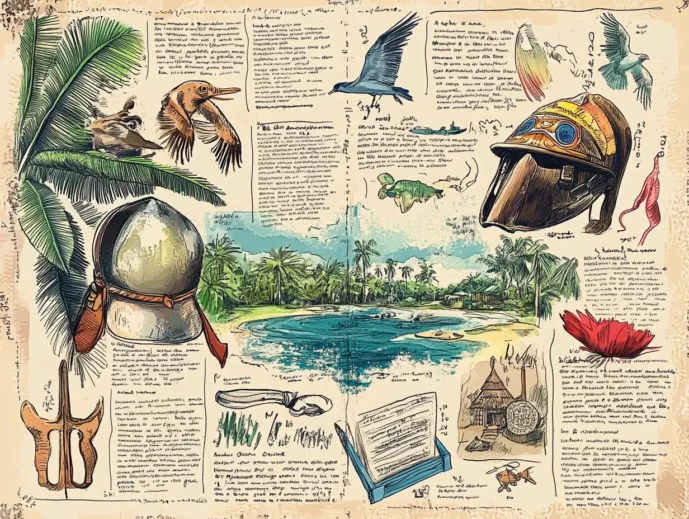
Costa Rica: Breve reseña histórica
Época precolombina
tribus indígenas
Before the arrival of Europeans, Costa Rica was home to a number of indigenous tribes such as the Chorotegas, Bribris, Cabécares, and Borucas. These tribes were a part of the Mesoamerican and South American cultural areas, engaging in agriculture, pottery, and metalworking.
Hallazgos arqueológicos
Archaeological discoveries like the Diquís Spheres, mysterious stone spheres whose purpose remains unknown, and the Guayabo National Monument, a pre-Columbian city, provide a glimpse into the sophisticated societies that once thrived here.
Colonización española
Christopher Columbus’ Arrival
Cristóbal Colón realizó su cuarto y último viaje al Nuevo Mundo en 1502, desembarcando en las costas orientales de lo que hoy es Costa Rica. No fue recibido con calles bañadas en oro, sino con densas selvas y resistencia indígena.
Establecimiento de colonias
Despite initial setbacks, Spanish settlers established colonies like Cartago in 1563. Costa Rica’s remote location and lack of precious metals made it a lesser priority for the Spanish Crown, which perhaps explains the region’s distinct development path.
Período colonial
Actividades económicas
During the colonial period, subsistence farming and small-scale cattle ranching were the main economic activities. Costa Rica lacked the large plantations and slave labor systems seen in other Spanish colonies.
Estructura social
The social structure was more egalitarian compared to other colonies. The absence of a large indigenous labor force or a significant influx of slaves meant fewer hierarchical divisions, laying the groundwork for Costa Rica’s modern-day social policies.
Movimiento independentista
Independencia centroamericana
En 1821, Costa Rica, junto con otras provincias centroamericanas, declaró su independencia de España. No hubo batallas dramáticas ni heroicas últimas batallas, sino que la noticia de la independencia llegó por carta.
Costa Rica’s Path to Sovereignty
Costa Rica chose to be part of the Federal Republic of Central America until 1838 when it peacefully opted for full sovereignty. Unlike many neighbors, Costa Rica avoided prolonged conflicts during its quest for independence.
Desarrollos del siglo XIX
Café Boom
The introduction of coffee in the 1830s transformed Costa Rica’s economy. By the mid-19th century, coffee became the nation’s primary export, establishing it as a key player in global markets and funding public infrastructure.
Cambios políticos
The 19th century saw a series of political changes, with the rise of prominent leaders like Prospero Fernandez and the establishment of a more stable governmental framework.
Reformas del siglo XX
Abolición de las Fuerzas Armadas
In 1948, following a civil war, José Figueres Ferrer abolished the national military, a move that allowed for increased investment in education, health, and infrastructure. Imagine firing your generals and hiring more teachers and doctors—radical, right?
Reformas sociales
The mid-20th century was marked by significant social reforms, including the creation of the Costa Rican Social Security Fund (CCSS), which provided universal healthcare and pensions. This laid the foundation for the nation’s high human development indices.
Época moderna
Crecimiento económico
In recent decades, Costa Rica has diversified its economy, focusing on technology, tourism, and eco-friendly agriculture. The country now boasts one of the highest standards of living in Latin America.
Iniciativas medioambientales
Costa Rica is globally recognized for its commitment to the environment. With ambitious goals like becoming carbon neutral and protecting over 25% of its territory in national parks and reserves, the country is a beacon of sustainability.
Patrimonio cultural
Lengua y religión
The primary language is Spanish, and Roman Catholicism is the predominant religion, although religious freedoms are respected. This cultural blend is reflected in traditions, literature, and daily life.
Fiestas y tradiciones
Costa Ricans, or Ticos, celebrate numerous festivals like Día de los Muertos, Independence Day, and Fiesta de los Diablitos. Each festival is a vibrant display of music, dance, and deep-rooted traditions.
Cifras históricas clave
Juan Santamaría
A national hero who fought valiantly in the Battle of Rivas in 1856, Juan Santamaría symbolizes bravery and sacrifice. His legacy is celebrated annually on April 11th.
José Figueres Ferrer
A pivotal figure, Figueres led the 1948 revolution and later served as president. His decision to abolish the military has had lasting impacts on Costa Rica’s peaceful and progressive development.
Conclusión
Legado y perspectivas de futuro
Costa Rica’s history is a tapestry of indigenous heritage, colonial influence, and progressive reforms. Today, it stands as a model of peace, education, and environmental stewardship. As the country continues to innovate and prioritize sustainability, its future looks as verdant as its famed rainforests. Pura Vida, indeed.




