Albergue Ambua
Nestled in Papua New Guinea's Southern Highlands Province, Ambua Lodge offers breathtaking mountain vistas, rich cultural encounters with the Huli people, and unparalleled birdwatching in its pristine rainforest setting.
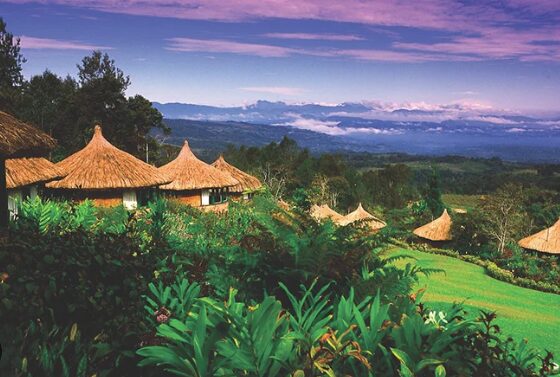
Nestled in the mist-clad Southern Highlands of Papua New Guinea, Ambua Lodge offers an immersion into the untouched beauty of the highland forests. Here, the air hums with birdsong, and the vibrant culture of the Huli people intertwines with the lush landscape. A haven for nature and authenticity, it invites travelers to step into a world where tradition and wilderness remain unspoiled.
Datos sobre el destino
- Official Name: Ambua Lodge
- Type of Destination: Forest
- Brief Description: A secluded eco-lodge nestled in the pristine highland rainforest, offering immersive encounters with Papua New Guinea's unique biodiversity and indigenous cultures.
- Location: Tari Valley, Southern Highlands Province, Papua New Guinea Highlands
- Año de creación/fundación: N/A
- Governing Body/Management: Privately operated (often by eco-tourism or conservation-focused entities)
- Significance/Known For: Renowned for its proximity to the Huli wigmen communities and as a base for birdwatching, including the iconic birds of paradise.
- Tamaño/Área: N/A
- Población: N/A
- Main Attractions/Key Features:
- Guided treks through montane rainforests
- Cultural exchanges with the Huli people
- Birdwatching, particularly for endemic species
- Best Time to Visit: Dry season (May to October) for optimal trekking conditions
- Entrance Fee/Ticket Info: Typically included in lodge stays; independent visits may require arrangements
- Operating Hours: N/A (accessible to lodge guests or by prior arrangement)
- Website: Check for official lodge or partner eco-tourism sites
Esenciales
- Best Months to Visit: January, February, March, December
Historia
History of Ambua Lodge
Nestled in the mist-laden forests of Papua New Guinea's Southern Highlands, Ambua Lodge is a gateway to both natural splendor and cultural heritage. Established in the late 20th century, the lodge was conceived as a haven for travelers seeking to explore the pristine highland ecosystems while engaging with the traditions of the Huli people, one of the region's most storied indigenous groups. Built with minimal environmental disruption, Ambua Lodge reflects a harmonious balance between modern comfort and reverence for the land—a philosophy deeply rooted in the highland communities' ancestral connection to their surroundings.
Fechas históricas clave
- 1970s: The concept of Ambua Lodge emerged as part of Papua New Guinea's early efforts to promote sustainable tourism, offering visitors a rare glimpse into the highlands' untouched landscapes and vibrant cultures.
- 1980s: The lodge was constructed using traditional materials and techniques, blending seamlessly into the forested slopes of the Tari Valley, a region long inhabited by the Huli people.
- 1990s: Ambua Lodge gained international recognition for its eco-conscious approach and role in supporting local communities, becoming a model for responsible tourism in the Pacific.
- 2000s: The lodge expanded its cultural programs, inviting guests to witness Huli sing-sings (ceremonial dances) and learn about the highlands' rich oral histories and agricultural practices.
Visitas y excursiones
Popular Tours & Day Trips from Ambua Lodge
Tari Valley Cultural Walk
Immerse yourself in the traditions of the Huli people, one of Papua New Guinea's most iconic tribes, on this guided walk through the Tari Valley. Witness vibrant ceremonial dress, learn about ancestral customs, and visit a local village where daily life unfolds much as it has for generations. The walk is gentle, making it suitable for most travelers, and lasts approximately half a day. Ideal for those with a deep curiosity for indigenous cultures.
Ambua Lodge Birdwatching Expedition
Papua New Guinea's Highlands are a paradise for ornithologists, and Ambua Lodge sits at the heart of this avian wonderland. With over 100 species recorded in the immediate vicinity, including the King of Saxony bird-of-paradise, this guided expedition offers unparalleled opportunities for sightings. Early mornings are best, and the lodge's expert guides know the hidden perches and mating grounds. A full morning is recommended for serious enthusiasts.
Lake Ambua Hike
A moderate trek through mossy forests and alpine grasslands leads to the serene Lake Ambua, a crater lake surrounded by mist-shrouded peaks. The journey, taking roughly four hours round-trip, rewards with sweeping views and the chance to spot rare orchids and endemic wildlife. Pack a picnic to enjoy by the water's edge. Best suited for those with a reasonable level of fitness and a love for untouched landscapes.
Southern Highlands Market Visit
Experience the vibrant pulse of highland life at a local market, where villagers gather to trade fresh produce, handwoven bilums (string bags), and traditional crafts. Markets rotate by day and location, but your guide will select the most authentic and lively option within an hour's drive of the lodge. A fascinating glimpse into the informal economy of the region, this excursion is particularly engaging for photographers and cultural observers.
Koroba Waterfall Exploration
Venture off the beaten path to discover the cascading Koroba Waterfall, hidden in the lush rainforest a short drive from Ambua Lodge. The final approach involves a walk through dense vegetation, emerging at a crystal-clear pool perfect for a refreshing dip. Listen for the calls of hidden birds and keep an eye out for butterflies. This half-day trip appeals to nature lovers seeking tranquility away from even the modest tourist trails of PNG.
Cuándo visitarnos
Best Time to Visit Ambua Lodge
Nestled in the lush highland forests of Papua New Guinea, Ambua Lodge offers a serene escape into nature, where the rhythms of the seasons dictate the ideal moments for exploration. The region experiences a tropical highland climate, characterized by distinct wet and dry periods, each offering unique advantages for travelers.
Desglose estacional
Estación seca (de mayo a octubre)
The dry season is the most favorable time to visit Ambua Lodge, with mild temperatures ranging from 15°C to 25°C and significantly reduced rainfall. The skies are often clear, and humidity is lower, making it ideal for trekking and wildlife spotting.
- Pros: Optimal conditions for hiking the lodge’s forest trails, birdwatching (including the iconic Birds of Paradise), and photography. Roads and trails are more accessible.
- Cons: Higher tourist numbers, particularly in July and August, may result in fewer available accommodations.
- Events: The Goroka Show (September) showcases vibrant Highland culture and is worth planning around if combining with a lodge visit.
Temporada húmeda (de noviembre a abril)
Heavy rainfall and higher humidity define this period, with temperatures remaining steady between 18°C to 28°C. The forest thrives, becoming even more verdant, but trails may be muddy and some areas less accessible.
- Pros: Fewer visitors, lush scenery, and dramatic waterfalls at their peak. Ideal for those seeking solitude and a deeper immersion in the rainforest’s vitality.
- Cons: Trekking can be challenging due to slippery paths, and occasional road closures may disrupt travel plans.
- Events: Local festivals are less frequent, but the Hiri Moale Festival (September, sometimes extending into early wet season) offers cultural insights.
Recomendación general
For most travelers, the dry season (May to October) is the optimal time to visit Ambua Lodge, balancing pleasant weather and accessibility. However, those who prefer solitude and don’t mind the rain may find the early wet season (November to December) equally rewarding, with the forest at its most vibrant.
Consideraciones
Peak tourist months (July-August) may see higher lodge rates and limited availability, so booking in advance is advisable. The wet season, while quieter, requires flexibility and preparation for unpredictable weather. Regardless of the season, packing layers and waterproof gear is essential for comfort in the Highlands.
Qué llevar
What to Pack for Ambua Lodge
Nestled in the lush highland forests of Papua New Guinea, Ambua Lodge calls for thoughtful preparation. The terrain is rugged, the climate cool and often damp, and the activities revolve around immersive nature experiences. Here are the essentials to ensure comfort and practicality.
Ropa y calzado
- Lightweight, Quick-Dry Layers: Mornings and evenings can be chilly, while daytime hikes may warm you up. Opt for moisture-wicking fabrics.
- Waterproof Jacket: The highlands are prone to sudden rain showers—a compact, breathable shell is indispensable.
- Sturdy Hiking Boots: Trails can be muddy and uneven; ankle support and grip are essential for forest walks.
- Neutral-Colored Clothing: Earth tones blend with the environment, ideal for birdwatching and wildlife spotting.
Equipamiento y accesorios
- Binoculars: The lodge is renowned for its birdlife, including birds of paradise—bring a quality pair for close observation.
- Headlamp or Small Flashlight: Electricity may be limited, and paths are unlit after dusk.
- Reusable Water Bottle with Purification Tablets: Stay hydrated during hikes; tap water may not always be safe to drink.
- Compact Daypack: For carrying essentials during guided walks or village visits.
Health & Protection
- High-DEET Insect Repellent: The forest environment hosts mosquitoes; protection is key to avoid bites.
- Lightweight Gloves & Bandana: Useful for cooler mornings or brushing through dense foliage.
- Basic First-Aid Kit: Include blister plasters, antiseptic wipes, and any personal medications—medical facilities are distant.
Cultura
The Huli People: Guardians of Ambua Lodge
Ambua Lodge, perched in the mist-clad highlands of Papua New Guinea, is deeply intertwined with the Huli people, one of the region’s most iconic ethnic groups. Unlike broader Highland cultures, the Huli here maintain distinct traditions, such as their elaborate wigmen ceremonies, where men adorn themselves with wigs crafted from human hair, decorated with ochre and feathers. Visitors may encounter local Huli guides who share stories of their ancestral lands, blending myth with the lodge’s stunning natural surroundings.
Lengua y tradiciones orales
While Tok Pisin is widely spoken, the Huli language (Huli Tok) dominates daily life around Ambua Lodge. The Huli are renowned for their rich oral histories, passed down through generations. Guests might overhear bi te (sung tales) or dindi gamu (poetic chants), often performed during evening gatherings. A respectful curiosity about these traditions is welcomed, though recording or interrupting such performances is discouraged.
Artisanal Craftsmanship
The lodge’s vicinity is a hub for unique Huli crafts, particularly tambua (sacred pearl shells) and intricately carved kundu drums. Local artisans often demonstrate their techniques, using natural dyes from tree bark and clay. Purchasing these items directly from makers supports the community—look for the distinctive geometric patterns found only in this area.
Etiquette Notes
- Always ask permission before photographing individuals or cultural artifacts.
- Avoid touching ceremonial items unless invited to do so.
- Engage with locals by learning a few Huli phrases, such as "Nyanaga" (Thank you).
Seasonal Festivals
Ambua Lodge’s cultural calendar peaks during the Sing-Sing festivals, where Huli clans gather in full regalia—feathered headdresses, painted faces, and rhythmic drumming. These are not staged performances but vibrant community events. The lodge can arrange visits, but timing is critical; the most authentic experiences occur during local harvest celebrations (typically July–September).
Cuisine: A Highland Palette
Meals at Ambua Lodge often feature Huli staples like kaukau (sweet potato) and pitpit (wild sugarcane), prepared in earth ovens. A notable local variation is the use of mumu cooking, where meat and vegetables are wrapped in banana leaves and slow-cooked with hot stones. Guests may be invited to share a communal meal, a gesture of hospitality that underscores the Huli value of reciprocity.




