Tierras altas de Papúa Nueva Guinea
Step into the rugged heart of Papua New Guinea Highlands, where mist-clad mountains cradle vibrant tribal cultures untouched by time. Trek through emerald valleys, witness fiery sing-sing ceremonies, and meet proud communities whose traditions pulse with ancestral spirit. Remote, raw, and breathtaking, this highland realm offers intrepid travelers a rare glimpse into one of the world’s last truly wild frontiers.
Esenciales
- Mejores meses para visitar: Mayo, junio, julio, agosto, septiembre.
Datos de la zona
- Geographical Location: Mountainous region in the central part of Papua New Guinea, spanning several provinces.
- Main City/Town: Mount Hagen (Western Highlands Province) and Goroka (Eastern Highlands Province) are the principal urban centers.
- Approximate Area: N/A (varies by provincial boundaries within the Highlands region).
- Key Geographical Features: Rugged mountain ranges, including the Bismarck Range and Mount Wilhelm (the country's highest peak at 4,509 meters), fertile valleys, and fast-flowing rivers like the Wahgi River.
- Dominant Climate Type: Cooler tropical highland climate with distinct wet and dry seasons; temperatures are milder than coastal areas.
- Population: Approximately 2-3 million (estimates vary across the Highlands provinces).
- Main Economic Activities: Subsistence agriculture (sweet potatoes, coffee, tea), small-scale mining, and local trade. Coffee is a major cash crop.
- Common Languages/Dialects Spoken: Over 100 indigenous languages, with Tok Pisin (Pidgin) and English widely used for communication.
- Best Time to Visit: May to October (dry season) for trekking, cultural festivals, and clearer mountain views.
- Unique Selling Points:
- Rich cultural diversity with vibrant tribal traditions, including the famous Sing-sing festivals.
- Stunning highland landscapes ideal for adventure trekking and birdwatching.
Destinos principales

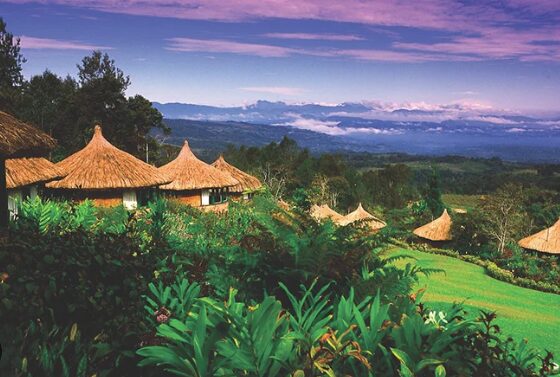
Albergue Ambua
Nestled in Papua New Guinea's Southern Highlands Province, Ambua Lodge...
Seguir leyendo
No se han encontrado atracciones relacionadas con esta zona.
Visitas y excursiones
Goroka Cultural Show & Highland Tribes Experience
Immerse yourself in the vibrant traditions of Papua New Guinea's Highland tribes at the annual Goroka Cultural Show, one of the country's most famous festivals. Witness spectacular sing-sing performances, elaborate tribal costumes, and rhythmic drumming from over 100 different clans. The event typically lasts 1-2 days and is held in Goroka, the heart of the Highlands. Ideal for culture enthusiasts and photographers, this experience offers a rare glimpse into the region's rich heritage.
Mount Wilhelm Trek
Challenge yourself with a trek to the summit of Mount Wilhelm, Papua New Guinea's highest peak at 4,509 meters. The journey takes 2-3 days, starting from the village of Keglsugl, and rewards hikers with breathtaking views of the Highlands' rugged landscapes. Suitable for adventure seekers with moderate fitness, the trek includes traversing alpine grasslands and dense rainforests. Local guides are essential for this expedition.
Tari Valley Birdwatching & Huli Wigmen Encounter
Explore the lush Tari Valley, a paradise for birdwatchers with over 200 bird species, including the iconic Birds of Paradise. The valley is also home to the Huli Wigmen, known for their elaborate wigs and face paint. A day trip here includes guided walks through pristine forests and interactions with the Huli people. Perfect for nature lovers and those interested in indigenous cultures, the valley is accessible from Tari town.
Ambua Lodge & Highland Scenic Flights
For a luxurious yet immersive Highland experience, stay at Ambua Lodge and take a scenic flight over the dramatic valleys and waterfalls of the Southern Highlands. The lodge offers guided village visits and nature walks, while the flights provide unparalleled aerial views of the region's untouched beauty. This option is great for travelers seeking comfort and unique perspectives of the Highlands.
Kundiawa Market & Saltmen of the Simbu
Visit Kundiawa's bustling local market, where Highland farmers trade fresh produce, crafts, and traditional salt extracted by the Simbu people. A short trip from Kundiawa takes you to the salt springs, where locals still use ancient methods to harvest salt. This cultural and culinary excursion is ideal for those wanting to experience daily life in the Highlands.
Cuándo visitarnos
Desglose estacional
The Papua New Guinea Highlands experience a tropical highland climate, characterized by distinct wet and dry seasons rather than traditional four-season cycles. The region's elevation (1,500–2,500 meters) moderates temperatures, creating cooler conditions than coastal areas.
Estación seca (mayo-octubre)
Weather: Daytime temperatures range from 18–25°C (64–77°F), with cooler nights (10–15°C/50–59°F). Rainfall is minimal, and humidity is lower, with clear skies and abundant sunshine.
- Pros: Ideal for trekking, cultural tours, and outdoor activities. Roads are more accessible, and festivals are frequent.
- Cons: Peak tourist season; accommodations may book early, and prices are higher.
- Events: The Goroka Show (September) and Mount Hagen Cultural Show (August) showcase vibrant tribal traditions.
Estación húmeda (noviembre-abril)
Weather: Heavy rainfall, especially December–March, with frequent afternoon thunderstorms. Temperatures remain mild (20–28°C/68–82°F), but humidity is high, and cloud cover is common.
- Pros: Lush landscapes, fewer tourists, and lower prices. Birdwatching is exceptional.
- Cons: Trekking trails may be muddy or impassable due to landslides. Some remote villages are harder to reach.
- Events: Local harvest festivals occur sporadically, but major events are rare.
Recomendación general
The best time to visit is during the dry season (May–October), particularly June–September, for optimal weather and cultural experiences. Budget travelers or those seeking solitude might prefer the shoulder months (April or November), when rains are lighter, and crowds are thinner.
Consideraciones
- Peak season (July–September) coincides with major festivals; book flights and accommodations months in advance.
- Off-peak travel (wet season) offers discounts but requires flexibility due to weather disruptions.
Qué llevar
Essentials for the Highlands Climate
The Papua New Guinea Highlands feature cool, misty mornings and warm afternoons with frequent rain. Pack versatile layers to adapt to rapid weather shifts.
- Lightweight Rain Jacket: Compact and breathable for sudden downpours.
- Quick-Dry Pants & Long-Sleeve Shirts: Protects against sun, insects, and brush while hiking.
- Wool or Synthetic Socks: Keeps feet dry during muddy treks and chilly nights.
- Sturdy Hiking Boots: Waterproof with ankle support for uneven, slippery trails.
Health & Safety Gear
Remote terrain and limited medical facilities make preparedness critical.
- DEET Insect Repellent: Highlands have mosquitoes and biting insects.
- Portable Water Purifier: Avoid reliance on untreated water sources.
- Basic First-Aid Kit: Include antiseptic, bandages, and altitude sickness meds (if trekking high passes).
- Headlamp + Extra Batteries: Essential for villages with unreliable electricity.
Consideraciones culturales
Respect local customs in traditional communities.
- Modest Clothing: Women should pack knee-length skirts or sarongs; men avoid shorts in villages.
- Small Gifts (e.g., School Supplies): Optional but appreciated in rural areas.
- Cash (Small Bills): ATMs are scarce; Kina notes for markets/guides.
Cómo llegar
Por aire
The most common way to reach the Papua New Guinea Highlands is by air, as road infrastructure is limited. The primary domestic airports serving the region are:
- Mount Hagen Airport (HGU): The main gateway to the Highlands, with regular flights from Port Moresby (Jacksons International Airport, POM) operated by Air Niugini and PNG Air.
- Goroka Airport (GKA): Another key airport with domestic connections from Port Moresby and other regional hubs.
From these airports, travelers can hire taxis or arrange private transfers to their final destination. Flights should be booked well in advance, especially during peak travel seasons.
En autobús/autocar
Long-distance bus services operate between major cities like Port Moresby and the Highlands, but journeys are lengthy and roads can be rough. Key routes include:
- Highlands Highway: The main road connecting Lae to Mount Hagen and other Highland towns. Buses and PMVs (public motor vehicles) are available, but travel times can exceed 12 hours due to road conditions.
Travelers should be prepared for unpredictable schedules and basic amenities. Booking a seat in advance is recommended, and a 4x4 vehicle is advisable for those driving independently.
En coche (conducción)
Driving to the Highlands is challenging but possible for adventurous travelers. The Highlands Highway is the primary route, but conditions vary from paved sections to rough, unpaved stretches. Key considerations:
- A 4x4 vehicle is highly recommended due to uneven terrain and occasional landslides.
- Fuel stations are sparse in remote areas, so plan refueling stops carefully.
- Travel with a local guide or in convoy for safety, especially in less-traveled areas.
Consejos prácticos
When planning your trip to the Highlands, keep these tips in mind:
- Flights are the most reliable option; book early to secure seats, especially during festivals or peak seasons.
- Road travel requires patience and flexibility—delays due to weather or road conditions are common.
- Carry cash, as ATMs and card facilities are limited outside major towns.
- Check travel advisories and local conditions before departing, as infrastructure can change rapidly.
Cómo desplazarse
Public Motor Vehicles (PMVs)
Public Motor Vehicles (PMVs) are the backbone of local transport in the Papua New Guinea Highlands. These shared minibuses or trucks operate on set routes between towns and villages, though schedules are informal.
- How it works: Flag down a PMV on the roadside or find them at informal depots in towns. Drivers wait until vehicles are full before departing.
- Cost: Very affordable (PGK 5–20 depending on distance), paid in cash directly to the driver.
- Tourist tips: PMVs can be crowded and slow, but offer an authentic experience. Confirm the destination with the driver, as routes aren’t always marked.
4WD Rentals & Private Hire
Renting a 4WD vehicle or hiring a driver is practical for exploring remote areas, as many roads are unpaved and rugged.
- Availability: Rentals are scarce outside major towns like Goroka or Mount Hagen; book in advance through local tour operators.
- Cost: Around PGK 300–600/day for a 4WD, plus fuel. Drivers may charge extra (PGK 100–200/day).
- Tourist tips: Driving independently requires experience with rough terrain. Hiring a local driver is safer and helps navigate unmarked roads.
Walking & Trekking
Walking is common for short distances in villages, while trekking routes like the Black Cat Trail attract adventurous travelers.
- Walkability: Towns are small and walkable, but rural paths can be steep and muddy. Carry water and wear sturdy shoes.
- Guides: For multi-day treks, hire a local guide (PGK 100–300/day) for safety and cultural insights.
Vuelos nacionales
Small planes connect highland towns like Goroka, Mount Hagen, and Kundiawa, bypassing difficult roads.
- How it works: Book through airlines like PNG Air or Air Niugini. Flights are frequent but weather-dependent.
- Cost: PGK 200–500 one-way; book early as seats fill fast.
- Tourist tips: Luggage limits are strict (usually 15kg). Flights offer stunning aerial views of the highlands.
Transporte local único
Village trucks or missionary vehicles sometimes offer lifts to travelers, especially in remote areas. Negotiate fares in advance.
- Advantage: Often the only option in areas without PMVs.
- Disadvantage: Irregular and dependent on local goodwill.
Cultura
Identidad cultural
The Papua New Guinea Highlands are a rugged, mountainous region where tribal traditions remain deeply ingrained in daily life. Unlike the coastal areas, the Highlands are characterized by their isolation, which has preserved a mosaic of distinct cultures, languages, and customs. Here, clan loyalty and ceremonial exchange systems, such as the Sing-Sing festivals, define social cohesion. The region is renowned for its vibrant bilas (body adornment) and elaborate rituals that mark life events like initiations, marriages, and warfare reconciliations.
Languages & Oral Traditions
Over 100 distinct languages are spoken in the Highlands, many confined to small tribal groups. Tok Pisin (Pidgin English) serves as a lingua franca, but local dialects like Enga, Huli, and Melpa dominate daily communication. Oral traditions are paramount, with epic tales of ancestors and spirits passed down through storytelling and song. Chants and drumming accompany ceremonies, often recounting battles or invoking agricultural blessings.
Artesanía tradicional
The Highlands are famed for their intricate bilum bags, woven from tree bark or dyed fibers, each pattern signifying clan identity. Woodcarving, particularly ceremonial masks and shields, plays a central role in rituals. Face and body painting, using natural pigments, transforms individuals into spiritual beings during festivals. Key art forms include:
- Huli wigmen: Elaborate wigs made from human hair, worn by Huli men as symbols of status.
- Mount Hagen bilas: Feather headdresses and shell necklaces worn during Sing-Sings.
- Enga sand paintings: Temporary artworks created for healing or storytelling.
Ceremonies & Social Customs
Highland societies revolve around reciprocity, with the moka (gift exchange) system cementing alliances. Pig feasts, where prized pigs are slaughtered and distributed, are central to prestige. Bride price negotiations involve intricate exchanges of shells, livestock, and cash. Key ceremonies include:
- Sing-Sing gatherings: Tribes showcase dances, costumes, and music in competitive displays.
- Spirit appeasement rituals: Sacrifices and dances to honor ancestors or seek crop fertility.
- Warfare reconciliations: Elaborate peace ceremonies to end tribal conflicts.
Cuisine & Subsistence
Highland cuisine is rooted in subsistence farming, with sweet potato (kaukau) as the staple crop. Pit-roasted pork, cooked in earth ovens (mumu), is reserved for feasts. Other staples include taro, bananas, and greens. Protein comes from hunted game like cassowaries or wild pigs. Betel nut chewing is a widespread social ritual, often accompanied by lime powder.




