Terras altas da Papua-Nova Guiné
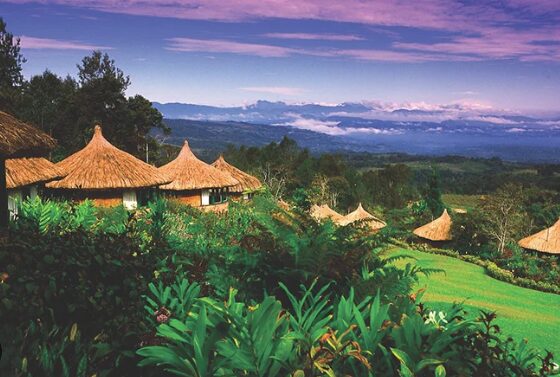
Step into the rugged heart of Papua New Guinea Highlands, where mist-clad mountains cradle vibrant tribal cultures untouched by time. Trek through emerald valleys, witness fiery sing-sing ceremonies, and meet proud communities whose traditions pulse with ancestral spirit. Remote, raw, and breathtaking, this highland realm offers intrepid travelers a rare glimpse into one of the world’s last truly wild frontiers.
Fundamentos
- Melhores Meses para Visitar: maio, junho, julho, agosto, setembro
zona Factos
- Geographical Location: Mountainous region in the central part of Papua New Guinea, spanning several provinces.
- Main City/Town: Mount Hagen (Western Highlands Province) and Goroka (Eastern Highlands Province) are the principal urban centers.
- Approximate Area: N/A (varies by provincial boundaries within the Highlands region).
- Key Geographical Features: Rugged mountain ranges, including the Bismarck Range and Mount Wilhelm (the country's highest peak at 4,509 meters), fertile valleys, and fast-flowing rivers like the Wahgi River.
- Dominant Climate Type: Cooler tropical highland climate with distinct wet and dry seasons; temperatures are milder than coastal areas.
- Population: Approximately 2-3 million (estimates vary across the Highlands provinces).
- Main Economic Activities: Subsistence agriculture (sweet potatoes, coffee, tea), small-scale mining, and local trade. Coffee is a major cash crop.
- Common Languages/Dialects Spoken: Over 100 indigenous languages, with Tok Pisin (Pidgin) and English widely used for communication.
- Best Time to Visit: May to October (dry season) for trekking, cultural festivals, and clearer mountain views.
- Unique Selling Points:
- Rich cultural diversity with vibrant tribal traditions, including the famous Sing-sing festivals.
- Stunning highland landscapes ideal for adventure trekking and birdwatching.
Principais destinos


Não foram encontradas atracções relacionadas com esta zona.
Excursões e viagens de um dia
Goroka Cultural Show & Highland Tribes Experience
Mergulhe nas vibrantes tradições das tribos das Terras Altas da Papua-Nova Guiné no Show Cultural Goroka anual, um dos festivais mais famosos do país. Assista a espectaculares actuações de canto, elaborados trajes tribais e ritmados toques de tambor de mais de 100 clãs diferentes. O evento dura normalmente 1 a 2 dias e realiza-se em Goroka, o coração das Terras Altas. Ideal para entusiastas da cultura e fotógrafos, esta experiência oferece um raro vislumbre do rico património da região.
Caminhada no Monte Wilhelm
Desafie-se com uma caminhada até ao cume do Monte Wilhelm, o pico mais alto da Papua Nova Guiné, com 4.509 metros. A viagem demora 2-3 dias, partindo da aldeia de Keglsugl, e recompensa os caminhantes com vistas deslumbrantes das paisagens escarpadas das Terras Altas. Adequado para aventureiros com condição física moderada, o trekking inclui a travessia de prados alpinos e densas florestas tropicais. Os guias locais são essenciais para esta expedição.
Tari Valley Birdwatching & Huli Wigmen Encounter
Explore o exuberante Vale de Tari, um paraíso para os observadores de aves com mais de 200 espécies de aves, incluindo as icónicas Aves do Paraíso. O vale é também o lar dos Huli Wigmen, conhecidos pelas suas elaboradas perucas e pinturas faciais. Uma viagem de um dia inclui passeios guiados por florestas virgens e interações com o povo Huli. Perfeito para os amantes da natureza e para os interessados nas culturas indígenas, o vale é acessível a partir da cidade de Tari.
Ambua Lodge & Highland Scenic Flights
Para uma experiência luxuosa e envolvente nas Terras Altas, fique no Ambua Lodge e apanhe um voo panorâmico sobre os vales dramáticos e as cascatas das Terras Altas do Sul. O alojamento oferece visitas guiadas às aldeias e passeios pela natureza, enquanto os voos proporcionam vistas aéreas sem paralelo da beleza intocada da região. Esta opção é óptima para os viajantes que procuram conforto e perspectivas únicas das Terras Altas.
Kundiawa Market & Saltmen of the Simbu
Visite o movimentado mercado local de Kundiawa, onde os agricultores das terras altas comercializam produtos frescos, artesanato e sal tradicional extraído pelo povo Simbu. Uma curta viagem de Kundiawa leva-o até às fontes de sal, onde os habitantes locais ainda utilizam métodos antigos para colher sal. Esta excursão cultural e gastronómica é ideal para quem deseja conhecer a vida quotidiana nas Terras Altas.
Quando visitar
Repartição sazonal
The Papua New Guinea Highlands experience a tropical highland climate, characterized by distinct wet and dry seasons rather than traditional four-season cycles. The region's elevation (1,500–2,500 meters) moderates temperatures, creating cooler conditions than coastal areas.
Dry Season (May–October)
Weather: Daytime temperatures range from 18–25°C (64–77°F), with cooler nights (10–15°C/50–59°F). Rainfall is minimal, and humidity is lower, with clear skies and abundant sunshine.
- Pros: Ideal for trekking, cultural tours, and outdoor activities. Roads are more accessible, and festivals are frequent.
- Cons: Peak tourist season; accommodations may book early, and prices are higher.
- Events: The Goroka Show (September) and Mount Hagen Cultural Show (August) showcase vibrant tribal traditions.
Wet Season (November–April)
Weather: Heavy rainfall, especially December–March, with frequent afternoon thunderstorms. Temperatures remain mild (20–28°C/68–82°F), but humidity is high, and cloud cover is common.
- Pros: Lush landscapes, fewer tourists, and lower prices. Birdwatching is exceptional.
- Cons: Trekking trails may be muddy or impassable due to landslides. Some remote villages are harder to reach.
- Events: Local harvest festivals occur sporadically, but major events are rare.
Recomendação geral
The best time to visit is during the dry season (May–October), particularly June–September, for optimal weather and cultural experiences. Budget travelers or those seeking solitude might prefer the shoulder months (April or November), when rains are lighter, and crowds are thinner.
Considerações
- Peak season (July–September) coincides with major festivals; book flights and accommodations months in advance.
- As viagens fora da época alta (estação das chuvas) oferecem descontos, mas exigem flexibilidade devido às perturbações meteorológicas.
O que levar na mala
Essenciais para o clima das terras altas
As terras altas da Papua-Nova Guiné apresentam manhãs frias e enevoadas e tardes quentes com chuva frequente. Leve camadas versáteis para se adaptar às rápidas mudanças de tempo.
- Lightweight Rain Jacket: Compact and breathable for sudden downpours.
- Quick-Dry Pants & Long-Sleeve Shirts: Protects against sun, insects, and brush while hiking.
- Wool or Synthetic Socks: Keeps feet dry during muddy treks and chilly nights.
- Sturdy Hiking Boots: Waterproof with ankle support for uneven, slippery trails.
Health & Safety Gear
O terreno remoto e as instalações médicas limitadas tornam a preparação crítica.
- DEET Insect Repellent: Highlands have mosquitoes and biting insects.
- Portable Water Purifier: Avoid reliance on untreated water sources.
- Basic First-Aid Kit: Include antiseptic, bandages, and altitude sickness meds (if trekking high passes).
- Headlamp + Extra Batteries: Essential for villages with unreliable electricity.
Considerações Culturais
Respeitar os costumes locais nas comunidades tradicionais.
- Modest Clothing: Women should pack knee-length skirts or sarongs; men avoid shorts in villages.
- Small Gifts (e.g., School Supplies): Optional but appreciated in rural areas.
- Cash (Small Bills): ATMs are scarce; Kina notes for markets/guides.
Como chegar
Por via aérea
The most common way to reach the Papua New Guinea Highlands is by air, as road infrastructure is limited. The primary domestic airports serving the region are:
- Mount Hagen Airport (HGU): The main gateway to the Highlands, with regular flights from Port Moresby (Jacksons International Airport, POM) operated by Air Niugini and PNG Air.
- Goroka Airport (GKA): Another key airport with domestic connections from Port Moresby and other regional hubs.
A partir destes aeroportos, os viajantes podem alugar táxis ou organizar transfers privados para o seu destino final. Os voos devem ser reservados com bastante antecedência, especialmente durante as épocas altas.
De autocarro
Os serviços de autocarros de longa distância operam entre as principais cidades, como Port Moresby e as Highlands, mas as viagens são longas e as estradas podem ser difíceis. As principais rotas incluem:
- Highlands Highway: The main road connecting Lae to Mount Hagen and other Highland towns. Buses and PMVs (public motor vehicles) are available, but travel times can exceed 12 hours due to road conditions.
Os viajantes devem estar preparados para horários imprevisíveis e comodidades básicas. Recomenda-se a reserva de um lugar com antecedência e um veículo 4x4 é aconselhável para quem viaja de forma independente.
De carro (Condução)
Driving to the Highlands is challenging but possible for adventurous travelers. The Highlands Highway is the primary route, but conditions vary from paved sections to rough, unpaved stretches. Key considerations:
- A 4x4 vehicle is highly recommended due to uneven terrain and occasional landslides.
- Os postos de abastecimento de combustível são escassos nas zonas remotas, pelo que deve planear cuidadosamente as paragens para reabastecimento.
- Por razões de segurança, viajar com um guia local ou em comboio, especialmente nas zonas menos movimentadas.
Conselhos práticos
Ao planear a sua viagem às Terras Altas, tenha em mente estas dicas:
- Flights are the most reliable option; book early to secure seats, especially during festivals or peak seasons.
- Road travel requires patience and flexibility—delays due to weather or road conditions are common.
- Leve dinheiro, pois as caixas multibanco e os serviços de cartões são limitados fora das grandes cidades.
- Verifique os avisos de viagem e as condições locais antes de partir, uma vez que as infra-estruturas podem mudar rapidamente.
Como se deslocar
Veículos públicos a motor (PMV)
Os veículos motorizados públicos (PMV) são a espinha dorsal dos transportes locais nas terras altas da Papua Nova Guiné. Estes mini-autocarros ou camiões partilhados operam em rotas definidas entre cidades e aldeias, embora os horários sejam informais.
- How it works: Flag down a PMV on the roadside or find them at informal depots in towns. Drivers wait until vehicles are full before departing.
- Cost: Very affordable (PGK 5–20 depending on distance), paid in cash directly to the driver.
- Tourist tips: PMVs can be crowded and slow, but offer an authentic experience. Confirm the destination with the driver, as routes aren’t always marked.
4WD Rentals & Private Hire
Alugar um veículo com tração às quatro rodas ou contratar um motorista é prático para explorar áreas remotas, uma vez que muitas estradas não são pavimentadas e são acidentadas.
- Availability: Rentals are scarce outside major towns like Goroka or Mount Hagen; book in advance through local tour operators.
- Cost: Around PGK 300–600/day for a 4WD, plus fuel. Drivers may charge extra (PGK 100–200/day).
- Tourist tips: Driving independently requires experience with rough terrain. Hiring a local driver is safer and helps navigate unmarked roads.
Walking & Trekking
Walking is common for short distances in villages, while trekking routes like the Black Cat Trail attract adventurous travelers.
- Walkability: Towns are small and walkable, but rural paths can be steep and muddy. Carry water and wear sturdy shoes.
- Guides: For multi-day treks, hire a local guide (PGK 100–300/day) for safety and cultural insights.
Voos domésticos
Pequenos aviões ligam cidades das terras altas como Goroka, Mount Hagen e Kundiawa, contornando estradas difíceis.
- How it works: Book through airlines like PNG Air or Air Niugini. Flights are frequent but weather-dependent.
- Cost: PGK 200–500 one-way; book early as seats fill fast.
- Tourist tips: Luggage limits are strict (usually 15kg). Flights offer stunning aerial views of the highlands.
Transporte local único
Village trucks or missionary vehicles sometimes offer lifts to travelers, especially in remote areas. Negotiate fares in advance.
- Advantage: Often the only option in areas without PMVs.
- Disadvantage: Irregular and dependent on local goodwill.
Cultura
Identidade cultural
The Papua New Guinea Highlands are a rugged, mountainous region where tribal traditions remain deeply ingrained in daily life. Unlike the coastal areas, the Highlands are characterized by their isolation, which has preserved a mosaic of distinct cultures, languages, and customs. Here, clan loyalty and ceremonial exchange systems, such as the Sing-Sing festivals, define social cohesion. The region is renowned for its vibrant bilas (body adornment) and elaborate rituals that mark life events like initiations, marriages, and warfare reconciliations.
Languages & Oral Traditions
Over 100 distinct languages are spoken in the Highlands, many confined to small tribal groups. Tok Pisin (Pidgin English) serves as a lingua franca, but local dialects like Enga, Huli, and Melpa dominate daily communication. Oral traditions are paramount, with epic tales of ancestors and spirits passed down through storytelling and song. Chants and drumming accompany ceremonies, often recounting battles or invoking agricultural blessings.
Traditional Arts & Crafts
The Highlands are famed for their intricate bilum bags, woven from tree bark or dyed fibers, each pattern signifying clan identity. Woodcarving, particularly ceremonial masks and shields, plays a central role in rituals. Face and body painting, using natural pigments, transforms individuals into spiritual beings during festivals. Key art forms include:
- Huli wigmen: Elaborate wigs made from human hair, worn by Huli men as symbols of status.
- Mount Hagen bilas: Feather headdresses and shell necklaces worn during Sing-Sings.
- Enga sand paintings: Temporary artworks created for healing or storytelling.
Ceremonies & Social Customs
Highland societies revolve around reciprocity, with the moka (gift exchange) system cementing alliances. Pig feasts, where prized pigs are slaughtered and distributed, are central to prestige. Bride price negotiations involve intricate exchanges of shells, livestock, and cash. Key ceremonies include:
- Sing-Sing gatherings: Tribes showcase dances, costumes, and music in competitive displays.
- Spirit appeasement rituals: Sacrifices and dances to honor ancestors or seek crop fertility.
- Warfare reconciliations: Elaborate peace ceremonies to end tribal conflicts.
Cuisine & Subsistence
Highland cuisine is rooted in subsistence farming, with sweet potato (kaukau) as the staple crop. Pit-roasted pork, cooked in earth ovens (mumu), is reserved for feasts. Other staples include taro, bananas, and greens. Protein comes from hunted game like cassowaries or wild pigs. Betel nut chewing is a widespread social ritual, often accompanied by lime powder.




