Aipe
Aipe, in Colombia's Caribbean Region, is a charming town known for its rich cultural heritage, vibrant festivals, and stunning landscapes along the Magdalena River. A hidden gem for authentic Colombian experiences.
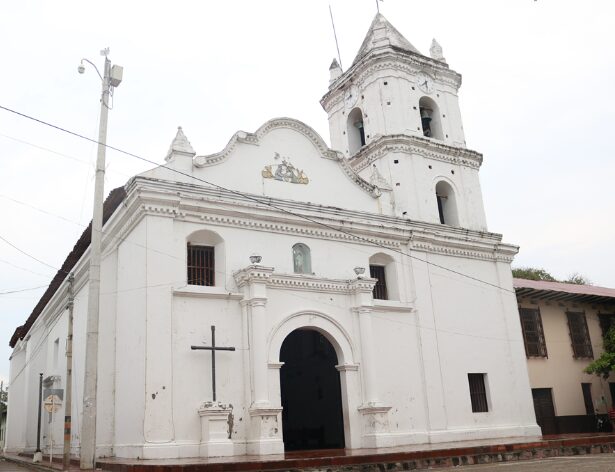
Nestled in Colombia's Caribbean Region, Aipe is a village where time moves gently, its dusty streets whispering tales of rural charm. Here, the Río Magdalena carves a lifeline through sunbaked landscapes, while the warmth of its people invites quiet immersion. Aipe is for those who seek authenticity—a pause from the ordinary, where simplicity reveals the soul of the Colombian countryside.
Datos sobre el destino
- Official Name: Aipe
- Tipo de destino: Pueblo
- Brief Description: A tranquil village in Colombia's Caribbean region, known for its rural charm and proximity to the Magdalena River.
- Location: Huila Department, nestled along the eastern banks of the Magdalena River in the Caribbean Region (Región Caribe).
- Año de creación/fundación: N/A
- Governing Body/Management: Local municipal administration
- Significance/Known For: Its serene riverside setting and traditional Colombian rural life.
- Tamaño/Área: N/A
- Population: Approximately 5,000 inhabitants (estimate)
- Main Attractions/Key Features:
- The Magdalena River, offering scenic views and local fishing activities.
- Traditional village architecture and laid-back atmosphere.
- Surrounding agricultural landscapes, showcasing Colombia's rural heritage.
- Best Time to Visit: Dry season (December to March) for pleasant weather and outdoor exploration.
- Entrance Fee/Ticket Info: Free access to the village.
- Horas de funcionamiento: N/A
- Página web: N/A
Esenciales
- Mejores meses para visitar: Enero, febrero, noviembre, diciembre.
Historia
History of Aipe
Nestled in the heart of Colombia's Caribbean Region, the village of Aipe carries a quiet yet profound historical legacy. Its origins trace back to pre-Columbian times, when indigenous communities, including the Pijao and other groups, inhabited the fertile lands along the Magdalena River. With the arrival of Spanish colonizers in the 16th century, Aipe became part of the broader colonial expansion, though it remained a modest settlement overshadowed by nearby administrative centers. Over time, its strategic location near the river fostered a blend of agricultural and cultural traditions, shaping its identity as a resilient rural enclave.
Fechas históricas clave
- Pre-1500s: Inhabited by indigenous Pijao and other groups, who cultivated the land and traded along the Magdalena River.
- 1530s–1600s: Spanish colonization incorporated Aipe into the broader regional framework, though it remained a minor settlement.
- 19th Century: Played a peripheral role in Colombia's independence struggles, with local farmers contributing to regional resistance efforts.
- 20th Century: Emerged as a quiet agricultural village, its economy centered around crops like cotton and tobacco, while retaining traces of its indigenous and colonial past.
Visitas y excursiones
Popular Tours & Day Trips from Aipe
Tatacoa Desert Adventure
Just a short drive from Aipe, the surreal landscapes of the Tatacoa Desert await. This semi-arid region, with its ochre and gray canyons, offers a striking contrast to Colombia's lush tropics. Visitors can explore on foot or by bike, marveling at the otherworldly rock formations and stargazing under some of the clearest skies in the country. Ideal for nature lovers and photographers, the excursion typically lasts a full day.
Río Magdalena Boat Tour
Aipe's proximity to the Río Magdalena makes it a perfect starting point for a serene boat journey. Glide along Colombia's principal river, observing local fishermen, vibrant birdlife, and riverside villages. Some tours include stops at hidden beaches or traditional fish markets. This leisurely half-day trip suits families and those seeking a tranquil escape.
San Agustín Archaeological Park
For history enthusiasts, a day trip to the San Agustín Archaeological Park—a UNESCO World Heritage Site—is indispensable. The site, roughly a three-hour drive from Aipe, features pre-Columbian stone statues and burial mounds nestled in rolling green hills. Guided tours illuminate the mysteries of this ancient civilization. Best suited for those with a curiosity for archaeology and culture.
Honda Colonial Exploration
The charming town of Honda, known as the "City of Bridges," lies within reach of Aipe. Its well-preserved colonial architecture, cobbled streets, and the iconic Puente Navarro offer a glimpse into Colombia's past. Visitors can enjoy local cuisine at riverside restaurants. A relaxed half-day excursion, ideal for architecture aficionados and romantics.
Cuándo visitarnos
Best Time to Visit Aipe
Aipe, a charming village in Colombia's Caribbean Region, offers a distinct rhythm shaped by its tropical climate and rural character. The best time to visit depends on your preferences for weather, cultural events, and crowd levels. Below is a seasonal breakdown to guide your planning.
Estación seca (diciembre - marzo)
The dry season brings warm, sunny days with temperatures averaging 28–32°C (82–90°F) and minimal rainfall. Humidity remains moderate, making it pleasant for outdoor exploration.
- Pros: Ideal for hiking, visiting nearby natural attractions, and exploring the village without rain disruptions. Fewer mosquitoes and clearer skies enhance the experience.
- Cons: Higher tourist traffic, especially in December and January, may lead to slightly elevated prices for accommodations.
- Events: The festive season (December–January) includes local celebrations like Fiestas de Fin de Año, featuring traditional music and dance.
Wet Season (April – November)
Rainfall increases, particularly from May to October, with short but intense afternoon showers. Temperatures hover around 26–30°C (79–86°F), and humidity rises, creating lush, green landscapes.
- Pros: The countryside flourishes, offering vibrant scenery for photography and nature walks. Fewer tourists mean quieter streets and lower prices.
- Cons: Muddy roads may limit access to remote areas. Outdoor activities can be interrupted by sudden downpours.
- Events: In June, the Festival de San Juan showcases local folklore and crafts, though some events may be rescheduled due to rain.
Shoulder Seasons (April & November)
These transitional months balance moderate rainfall and manageable crowds. Temperatures remain warm, and the landscape retains its vitality from recent rains.
- Pros: A sweet spot for those seeking good weather without peak-season crowds. Ideal for cultural immersion and leisurely exploration.
- Cons: Unpredictable showers may still occur, though less frequently than in the wet season.
Recomendación general
For optimal conditions, visit during the dry season (December–March), particularly in January or February when the weather is most reliable. However, if you prefer solitude and don’t mind occasional rain, the shoulder months of April or November offer a compelling alternative. Avoid the wettest months (May–October) unless you’re drawn to the region’s lush, rainy-season charm.
Consideraciones
Peak tourist seasons align with Colombian holidays, such as Semana Santa (Holy Week) and December festivities, which can bring larger crowds. For a more tranquil experience, plan your trip outside these periods. Note that some rural accommodations may have limited availability during the wet season due to reduced demand.
Qué llevar
What to Pack for Aipe
Aipe, a village in Colombia's Caribbean region, offers a blend of rural charm and tropical warmth. Packing thoughtfully ensures comfort amid its dusty roads, vibrant culture, and occasional downpours.
Ropa y protección
- Lightweight, Breathable Clothing: Cotton or linen pieces to combat the humid heat while respecting local modesty.
- Sturdy Sandals or Closed-Toe Shoes: For uneven village paths and occasional muddy terrain after rains.
- Wide-Brimmed Hat & UV-Blocking Sunglasses: The Caribbean sun is intense, even during short walks.
- Compact Rain Poncho: Sudden tropical showers are common; avoid bulky umbrellas for mobility.
Practical Accessories
- Reusable Water Bottle with Filter: Tap water isn’t always reliable; stay hydrated safely.
- Basic Spanish Phrasebook or App: English is rarely spoken in rural areas.
- Small Crossbody Bag or Money Belt: Keeps essentials secure during market visits or bus rides.
Salud y Confort
- High-DEET Insect Repellent: Mosquitoes are prevalent, especially near water.
- Travel-Sized Hand Sanitizer & Wet Wipes: Limited access to running water in some areas.
- Basic First-Aid Kit: Include antidiarrheals and rehydration salts—useful for dietary adjustments.
Cultura
Aipe: A Quiet Corner of Caribbean Colombia
Nestled along the banks of the Magdalena River, Aipe is a small town in the Huila department that carries the quiet charm of Colombia's Caribbean region. Unlike the bustling coastal cities, Aipe offers a more subdued cultural experience, deeply tied to its riverine landscape and agricultural roots.
Riverine Traditions & Daily Life
The Magdalena River shapes Aipe’s rhythms. Fishermen still ply its waters in wooden canoes, while locals gather along its banks in the evenings—a social ritual as much as a practical one. The river is not just a source of livelihood but a communal space where stories are exchanged over the day’s catch.
Distinctive Flavors of the Magdalena Valley
Aipe’s cuisine reflects its position between the Caribbean and the Andean foothills. Dishes here often feature river fish like bagre (catfish) or bocachico, prepared with a touch of Caribbean spice but served with hearty Andean staples like yuca and plantains. Don’t miss the local sancocho de pescado, a fish stew that varies subtly from household to household.
Festivals: A Blend of Devotion & Celebration
While Aipe lacks the grand festivals of larger towns, its Fiesta de San Juan (June) is an intimate affair. The celebration blends Catholic traditions with river-centric rituals, including small boat processions and offerings to the Magdalena—a nod to pre-colonial beliefs still lingering beneath the surface.
Handicrafts Rooted in Nature
Local artisans work with totumo
Visitor’s Note: The Art of Slowness
Aipe operates on its own unhurried timetable. Visitors should adjust expectations—conversations meander like the Magdalena, and services may follow informal rhythms. This is not inefficiency but a different cadence of life, best observed from a shaded bench in the town square as the heat of the day fades.




