Minca
A hidden gem in Colombia's Caribbean Region, Minca offers lush mountain trails, cascading waterfalls, and vibrant birdlife, all just a short trek from Santa Marta's beaches. Perfect for eco-adventurers and coffee lovers alike.
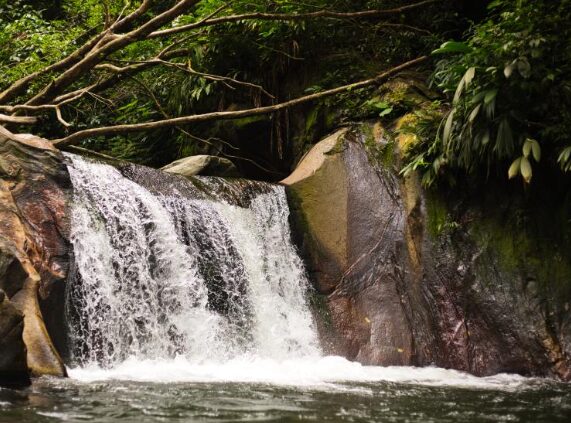
Nestled in Colombia's Caribbean highlands, Minca is a tranquil village where mist-clad mountains meet cascading waterfalls. A haven for birdwatchers and coffee lovers, its lush trails lead to organic fincas and panoramic vistas. Slow-paced yet vibrant, Minca whispers the soul of the Sierra Nevada—a place where hammocks sway to the rhythm of nature, and time lingers like the aroma of freshly roasted beans.
Datos sobre el destino
- Official Name: Minca
- Tipo de destino: Pueblo
- Brief Description: A tranquil mountain village nestled in the Sierra Nevada de Santa Marta, known for its lush landscapes, coffee farms, and bohemian charm.
- Location: Caribbean Region of Colombia, approximately 14 km (9 mi) northeast of Santa Marta, within the Sierra Nevada de Santa Marta mountains.
- Año de creación/fundación: N/A
- Governing Body/Management: Local municipal administration (part of the Santa Marta District).
- Significance/Known For: Gateway to the Sierra Nevada’s biodiversity, organic coffee production, and a haven for eco-tourism and birdwatching.
- Tamaño/Área: N/A
- Population: Approximately 800 residents (as of local estimates).
- Main Attractions/Key Features:
- Pozo Azul: A series of refreshing natural swimming holes surrounded by jungle.
- Local Coffee Farms: Tours of organic coffee plantations like La Victoria.
- Cerro Kennedy: A viewpoint offering panoramic vistas of the Sierra Nevada and Caribbean coast.
- Best Time to Visit: December to March (dry season) for clearer skies, though the village’s mild climate makes it pleasant year-round.
- Entrance Fee/Ticket Info: Free to explore the village; some attractions (e.g., coffee tours) may charge a small fee.
- Operating Hours: N/A (village is accessible at all times; specific attractions may have set hours).
- Website: N/A (no prominent official website; local tourism offices in Santa Marta provide information).
Esenciales
- Mejores meses para visitar: Enero, febrero, noviembre, diciembre.
Historia
History of Minca
Nestled in the lush foothills of the Sierra Nevada de Santa Marta, Minca is a tranquil village with a history shaped by indigenous cultures, colonial influences, and the rise of coffee cultivation. Originally inhabited by the indigenous Tayrona people, the region later became a refuge for settlers and farmers drawn to its fertile lands and temperate climate. By the late 19th century, Minca emerged as a hub for coffee production, attracting European immigrants who introduced new agricultural techniques. Today, its past is woven into the landscape—from the remnants of old coffee haciendas to the enduring traditions of its diverse community.
Fechas históricas clave
- Pre-Columbian Era: The area around Minca was home to the Tayrona civilization, known for their advanced agricultural practices and goldwork. Their influence persists in local traditions and archaeological sites.
- 16th Century: Spanish colonization disrupted indigenous life, though the remote location of Minca allowed some communities to retain autonomy longer than in coastal regions.
- Late 1800s: German and Italian immigrants settled in Minca, establishing coffee plantations that became the backbone of the local economy. The village grew as a center for trade and agriculture.
- 20th Century: The decline of large-scale coffee production shifted Minca toward eco-tourism, capitalizing on its natural beauty and serene atmosphere.
Visitas y excursiones
Popular Tours & Day Trips from Minca
1. Coffee Farm Tour at Finca La Victoria
Immerse yourself in the aromatic world of Colombian coffee with a visit to Finca La Victoria, a historic coffee farm nestled in the hills above Minca. This tour offers a glimpse into the traditional methods of coffee production, from bean to cup, with tastings of freshly brewed coffee. The farm’s rustic charm and lush surroundings make it a delightful escape. Suitable for families and coffee enthusiasts, the tour lasts about 2–3 hours and is easily accessible from Minca.
2. Hike to Pozo Azul
A refreshing adventure awaits on the hike to Pozo Azul, a series of crystalline waterfalls and natural pools just a short distance from Minca. The trail winds through dense jungle, offering opportunities to spot local wildlife. The cool waters are perfect for a swim, making this a favorite among nature lovers and adventure seekers. The hike takes approximately 1.5 hours each way, with options for guided or self-guided exploration.
3. Birdwatching at El Dorado Reserve
For those drawn to the vibrant avian life of Colombia, a day trip to El Dorado Reserve is essential. Located in the Sierra Nevada de Santa Marta, this reserve is a haven for endemic species, including the striking Santa Marta parakeet. Guided tours provide insights into the region’s biodiversity, with early morning excursions offering the best sightings. Ideal for birdwatchers and eco-tourists, the reserve is about an hour’s drive from Minca.
4. Sunset at Los Pinos
A short but rewarding hike leads to Los Pinos, a viewpoint offering panoramic vistas of the Caribbean coast and the surrounding mountains. The golden hour here is particularly magical, with the sun dipping below the horizon in a blaze of color. The trail is moderate, suitable for most travelers, and the experience is best shared with a picnic. The hike takes about 45 minutes from Minca’s center.
5. Cultural Walk to Marinka Waterfalls
Combine nature and culture with a visit to Marinka Waterfalls, where the journey is as enriching as the destination. The path passes through small villages, offering encounters with the local Wiwa indigenous community. The waterfalls themselves are serene, with cascades perfect for a tranquil swim. This half-day excursion is ideal for those interested in sustainable tourism and cultural exchange.
Cuándo visitarnos
Best Time to Visit Minca
Desglose estacional
Minca, a charming mountain village in Colombia's Caribbean region, experiences a tropical climate with distinct wet and dry seasons. The weather is influenced by its elevation (approximately 600 meters above sea level), offering cooler temperatures than the coastal lowlands.
Estación seca (diciembre - marzo)
The dry season brings warm days (24–30°C) and cooler nights (18–22°C), with minimal rainfall. Humidity is lower, making it ideal for hiking and exploring the surrounding cloud forests.
- Pros: Clear skies, excellent visibility for panoramic views, and optimal conditions for outdoor activities like birdwatching and waterfall visits.
- Cons: Peak tourist season, leading to higher accommodation prices and busier trails.
- Events: The festive atmosphere of Christmas and New Year spills over from nearby Santa Marta, with occasional local celebrations.
Wet Season (April – November)
Rainfall increases, particularly from May to October, with afternoon showers common. Temperatures remain mild (22–28°C), but humidity rises, and trails can become muddy.
- Pros: Lush, vibrant landscapes, fewer tourists, and lower prices. The rain often clears by late afternoon, leaving evenings pleasant.
- Cons: Some trails may be slippery or temporarily closed. Road access to remote areas can be challenging.
- Events: Local coffee harvests (April–June and October–November) offer unique cultural insights.
Shoulder Seasons (Late November & Early April)
These transitional periods offer a balance between dry and wet conditions, with sporadic rain but generally manageable weather.
- Pros: Fewer crowds, moderate prices, and a mix of sunny and rainy days ideal for photography.
- Cons: Unpredictable weather may require flexibility in planning.
Recomendación general
December–March is ideal for travelers prioritizing outdoor activities and clear skies, though it comes with higher costs. For solitude and lush scenery, September–November (late wet season) is enchanting, despite occasional rain. Budget-conscious visitors or those interested in coffee culture should consider April–June.
Consideraciones
Peak season (December–January) sees inflated prices and limited availability; booking accommodations in advance is advisable. Off-peak visits offer a more tranquil experience but require preparedness for rain. Many eco-lodges and cafes remain open year-round, though some tours may be weather-dependent.
Qué llevar
Essentials for Minca’s Tropical Mountain Climate
Nestled in Colombia’s Caribbean highlands, Minca is a lush village where humid warmth meets cooler mountain breezes. Pack for unpredictable weather and rugged terrain.
- Lightweight Rain Jacket: Sudden downpours are common, especially in the afternoons.
- Quick-Dry Clothing: Humidity and occasional rain make moisture-wicking fabrics ideal.
- Sturdy Sandals or Hiking Shoes: Cobblestone streets and jungle trails demand versatile footwear.
For Nature Exploration
Minca’s waterfalls, coffee farms, and birdwatching spots call for practical gear.
- Insect Repellent (DEET-based): Essential for forest hikes to deter mosquitoes and sandflies.
- Compact Daypack: For carrying water, snacks, and a swimsuit for impromptu dips in natural pools.
- Binoculars: To spot toucans and other exotic birds in the Sierra Nevada.
Local Sensibilities
Respect the village’s relaxed pace and eco-conscious ethos.
- Reusable Water Bottle: Many guesthouses offer filtered water to reduce plastic waste.
- Modest Swimwear: Opt for designs that align with local norms, especially near waterfalls.
- Small Cash (Colombian Pesos): Card payments are rare in this rustic setting.
Cultura
A Mountain Oasis of Slow Living
Perched in the foothills of the Sierra Nevada de Santa Marta, Minca is a tranquil village where time moves to the rhythm of bird calls and rustling coffee leaves. Unlike the frenetic energy of Colombia’s coastal cities, Minca’s culture is steeped in pausa—a deliberate slowness that invites immersion in nature and community. The village’s identity is shaped by its dual heritage: Indigenous Kogi influences whisper through the landscape, while descendants of campesino settlers maintain traditions of organic farming and artisanal coffee production.
Artisanal Coffee & Cacao Rituals
Minca’s terraced hillsides produce some of Colombia’s most aromatic coffee, cultivated without chemicals and roasted in small batches. Visitors quickly learn that coffee here is not merely a drink but a ceremony—best enjoyed at a finca while discussing harvest cycles with farmers. Equally sacred is the local cacao, transformed into chocolate through ancestral methods. The La Candelaria farm, for instance, teaches visitors to grind beans by hand on a metate (stone slab), a practice passed down through generations.
Local Etiquette to Note
- Greet shopkeepers and farmers with a polite "Buenos días/tardes"—directness without courtesy is frowned upon.
- When invited to a home, it’s customary to bring fruit or artisanal treats from the village tienda.
- Photographing Indigenous Kogi people without permission is deeply disrespectful; their spiritual connection to the land is private.
Music: Bambuco Meets Reggae
Minca’s soundscape defies categorization. Evenings might bring the melancholic strums of bambuco (Andean folk) drifting from a cantina, while reggae—a legacy of backpackers and Rastafarian influences—echoes from open-air bars like Casa Loma. The annual Festival del Bosque blends these genres with Indigenous chants, performed under ceiba trees adorned with handwoven mochilas (bags) as offerings.
Cuisine: A Sierra Twist on Caribbean Flavors
Minca’s kitchens reinterpret coastal staples with mountain ingredients. Sancocho de gallina (hen stew) is enriched with wild herbs, while arepas are served with queso costeño and guava paste. Don’t miss pan de bono from roadside stalls—chewy cassava-cheese rolls baked in wood-fired ovens. For a true local experience, join a cocina comunitaria (community kitchen) where women prepare meals over fogón fires, sharing stories of the Sierra.
Sacred Geography & Ecological Wisdom
To understand Minca’s culture is to recognize its role as a gateway to the Sierra Nevada’s "Heart of the World". The Kogi consider the village part of their spiritual territory, and their mamos (priests) occasionally descend to perform rituals at waterfalls like Pozo Azul. Visitors may notice small offerings of coca leaves or shells left at trails—a reminder to tread lightly. This reverence for nature permeates daily life, from the absence of plastic straws to the community-led reforestation projects along the Buritaca River.




