el mejor lugar para observar jaguares en américa latina
Descubra el mejor destino de Latinoamérica para contemplar al esquivo jaguar en su hábitat natural, en medio de un paisaje sobrecogedor.
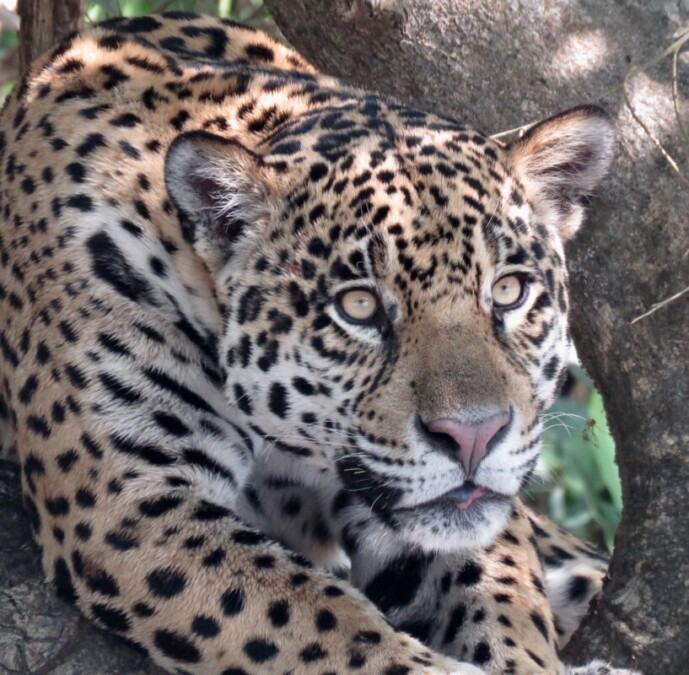
For wildlife enthusiasts and nature lovers, seeking out the majestic presence of jaguars in their natural habitat can be an unforgettable experience. **This article provides a comprehensive guide to the best spots in Latin America for observing jaguars**, including insider tips and expert recommendations. Whether you’re planning an adventurous trip to the dense jungles of the Amazon or the vast wetlands of the Pantanal, we’ll help you discover the top locations and useful information to enhance your jaguar-watching journey.
Esenciales
Panorama de los Jaguares
### Hábitat y características
Los jaguares, los mayores felinos de América, tienen una presencia majestuosa en estado salvaje. Estas poderosas criaturas suelen encontrarse en densas selvas tropicales, pantanos y praderas de toda Latinoamérica. Su notable capacidad de adaptación les permite prosperar en distintos entornos, desde el humeante Amazonas hasta los pantanos del Pantanal.
A jaguar’s distinctive golden coat is beautifully adorned with black rosettes, making them both striking and well-camouflaged in their natural habitat. These big cats are known for their robust build and strong jaws, which set them apart from other members of the feline family. Their bite is incredibly powerful, capable of piercing the thick armor of a turtle shell or a caiman’s scales.
Los jaguares son cazadores solitarios que a menudo merodean en silencio en busca de presas. Son carnívoros oportunistas, lo que significa que comen una gran variedad de animales, desde ciervos y pecaríes hasta peces y aves. A diferencia de otros felinos, a los jaguares les encanta el agua y son excelentes nadadores, por lo que a veces cazan peces y pequeños cocodrilos. Esta adaptabilidad en la dieta y el hábitat los convierte en criaturas sumamente interesantes en el reino animal.
### Importancia en el ecosistema
Los jaguares desempeñan un papel vital en los ecosistemas que habitan. Como depredadores ápice, mantienen controladas las poblaciones animales, impidiendo el sobrepastoreo y ayudando a mantener el equilibrio entre depredadores y presas. Esta regulación natural garantiza que la vegetación se mantenga sana, lo que a su vez favorece la diversidad de la vida.
La presencia de jaguares suele ser un indicador de un ecosistema rico y próspero. Su necesidad de grandes territorios significa que unas poblaciones de jaguares sanas sugieren una amplia disponibilidad de recursos, lo que beneficia a otras muchas especies. Cuando los jaguares prosperan, también lo hacen otras muchas plantas, animales e incluso las comunidades humanas locales que dependen de los ecosistemas para su subsistencia.
Conserving jaguars not only helps keep the food web intact but also preserves the cultural and natural heritage of the regions where they are found. Protecting these stunning animals is essential for the health and diversity of Latin America’s unique natural landscapes.
Lugares ideales para observar jaguares
Pantanal, Brasil
The Pantanal in Brazil is one of the best places in the world to see jaguars in their natural habitat. It’s a vast wetland, covering an area larger than the state of Florida, located primarily in western Brazil but also extending into Bolivia and Paraguay. This lush region is teeming with life, making it an ideal spot for wildlife enthusiasts.
Visión general y ubicación
The Pantanal is a mix of tropical forest, savannah, and marshland. It’s home to the highest concentration of jaguars on the planet, which is why so many people travel here hoping to catch a glimpse of these magnificent big cats. It’s easy to reach from major Brazilian cities like São Paulo and Brasília, though it may require a flight and a drive.
Mejor época para visitar
If you’re planning a trip to see jaguars, the best time to visit is during the dry season, which runs from July to October. During this time, the animals congregate around the shrinking rivers and waterholes, making them easier to spot. The weather is also more pleasant, with cooler temperatures and fewer mosquitoes.
Tours de observación de jaguares
En el Pantanal hay numerosas excursiones guiadas, muchas de las cuales ofrecen paseos en barco por los ríos donde los jaguares suelen cazar a sus presas. Estas excursiones suelen estar dirigidas por guías expertos que le ayudarán a avistar jaguares y le explicarán su comportamiento. Hay opciones para todos los bolsillos, desde lodges de safari de lujo hasta excursiones económicas.
Refugio Ecológico Caimán
The Caiman Ecological Refuge is a jewel in the Pantanal, offering a unique chance to see jaguars and other wildlife. It’s a privately-owned wildlife refuge where conservation is a top priority.
Situación y características
Situado en la parte meridional del Pantanal, este refugio abarca 53.000 hectáreas. Combina la conservación con el turismo sostenible, ofreciendo un refugio seguro para los jaguares. El refugio es conocido por sus cómodos alojamientos y sus programas de educación ambiental.
Oportunidades de observación de la fauna
Within the refuge, visitors can participate in guided tours to spot jaguars, caimans, capybaras, and a variety of birds. It’s a photographer’s paradise, with opportunities to observe and capture stunning wildlife images. Educational programs help visitors understand the balance of the ecosystem and the importance of conservation efforts.
Pantanal Norte
El Pantanal Norte es un destino menos explorado pero igualmente gratificante para los amantes del jaguar. Rico en biodiversidad, ofrece una auténtica experiencia de vida salvaje.
Lugares menos conocidos
Aunque menos concurrido que las partes meridionales, el Pantanal septentrional tiene lugares donde se pueden ver jaguares con más tranquilidad. Zonas como Porto Jofre son famosas por sus avistamientos, a menudo más serenos debido al menor número de turistas.
Actividades y alojamiento
La región ofrece diversas actividades, como piragüismo, observación de aves y, por supuesto, recorridos para rastrear jaguares. El alojamiento va desde rústicos albergues inmersos en la naturaleza hasta alojamientos ecológicos más desarrollados. La estancia en estos lugares suele incluir ofertas de paquetes para excursiones diarias en busca de vida salvaje.
Selva amazónica
La selva amazónica, aunque no tan densamente poblada de jaguares como el Pantanal, sigue ofreciendo una biodiversidad asombrosa y la posibilidad de ver jaguares, sobre todo en ciertas zonas protegidas.
Biodiversidad y población de jaguares
The Amazon is the largest rainforest on Earth, and it’s teeming with life. Jaguars here are more elusive due to the dense vegetation, making sightings rarer but rewarding. This vast habitat supports thousands of plant and animal species, making any visit an extraordinary adventure.
Excursiones guiadas por la selva
Las visitas guiadas al Amazonas suelen centrarse en la increíble diversidad de la vida. Con guías expertos, podrá aprender sobre el complejo ecosistema, avistar jaguares y otros animales únicos. Las excursiones pueden incluir caminatas, paseos en barco y estancias en albergues ecológicos que le acercarán a la naturaleza.
Buenas prácticas para ver jaguares
### Precauciones de seguridad
When setting out on an adventure to see jaguars in their natural habitat, safety should always come first. Jaguars are majestic yet powerful creatures, so having a good plan is essential. Always travel with an experienced guide who knows the area well. These guides can provide important information about the local wildlife and help keep everyone safe. It’s crucial to stay with your group and follow your guide’s instructions at all times. Wearing clothes that blend into the environment can help avoid drawing attention. Also, make sure to wear sturdy shoes suitable for walking on rugged terrain. Finally, always keep a respectful distance from the animals, using binoculars or cameras with zoom lenses for a much closer look. This not only protects you but also ensures that jaguars can continue their daily activities without getting disturbed.
### Observación ética de la fauna salvaje
Watching jaguars in the wild is exciting, but it’s important to respect their environment and behavior. Observers should never try to touch or feed the animals. Feeding wildlife can make them depend on humans for food, which is not healthy for them. Visitors should also avoid making loud noises, as this can stress the animals or disrupt their natural behavior. It’s essential to stay on designated paths to protect both the animals and their habitats. Remember, the goal is to observe without interfering. By not leaving any trash behind and using eco-friendly products, you can help preserve the jungles and forests where these beautiful creatures live.
### Trucos y consejos de fotografía
Captar la belleza de un jaguar con la cámara puede ser una parte emocionante de su aventura. Para obtener las mejores fotos, tener una cámara con un buen zoom es una gran idea. Esto te permitirá hacer fotos impresionantes desde lejos, sin acercarte demasiado. Los mejores momentos para fotografiar la vida salvaje suelen ser a primera hora de la mañana o a última de la tarde, cuando la iluminación es suave y natural. Para obtener imágenes más nítidas, mantenga las manos firmes o utilice un trípode si es posible. La paciencia es clave, ya que los jaguares son escurridizos y pueden no aparecer de inmediato. Observar el entorno y esperar en silencio a menudo permite captar el momento perfecto. Recuerde disfrutar de la experiencia tanto como de las fotografías, y respete a los animales en todo momento.
Significado Cultural
Perspectivas indígenas
The Jaguar is more than just a fascinating animal to spot in the wild; it is a creature deeply woven into the cultural fabric of Latin America. For many indigenous peoples, jaguars are seen as powerful and sacred animals. In the cultures of the Amazon, jaguars are often regarded as the true rulers of the jungle, respected for their strength and stealth. Indigenous communities have shared stories for generations that celebrate the jaguar’s might and wisdom, often portraying them as protectors of the forest and its inhabitants.
Además de ser venerados, los jaguares desempeñan un papel importante en ceremonias y prácticas espirituales. Algunas tribus creen que los chamanes pueden transformarse en jaguar para obtener su poder o utilizar su energía espiritual para comunicarse con el mundo espiritual. Esta conexión pone de manifiesto un profundo respeto por la naturaleza y el jaguar como símbolo de equilibrio y armonía en el ecosistema.
El jaguar en la mitología local
En la mitología local de toda Latinoamérica, el jaguar ocupa un lugar importante. Su presencia se hace sentir en antiguas historias que reflejan cómo los humanos se han sentido cautivados por este extraordinario animal. Para los mayas, el jaguar era un potente símbolo del inframundo, donde se creía que era un guardián. Los reyes mayas se asociaban a menudo con el jaguar para demostrar su propia fuerza y su derecho divino a gobernar.
Similarly, in Aztec mythology, the jaguar was linked with the god Tezcatlipoca, a powerful deity associated with war, the night sky, and destiny. Warriors were inspired by the jaguar’s hunting prowess and courage, often striving to embody these traits in battle. The use of Jaguar imagery can be found in their art, architecture, and weaponry, reflecting the deep admiration and significance they held for this majestic creature.
Estas historias y creencias demuestran que el jaguar no es sólo un animal al que observar, sino una parte importante del patrimonio y la cultura latinoamericanos. Comprender este significado cultural añade profundidad a cualquier experiencia de observación de jaguares y ofrece una perspectiva más rica de esta criatura poderosa y misteriosa.
Esfuerzos y retos de conservación
Esfuerzos y retos de conservación
Los jaguares son criaturas fascinantes, pero se enfrentan a muchos retos en su hábitat natural. Los esfuerzos de conservación son cruciales para garantizar su supervivencia. Hay varias iniciativas en marcha para proteger a estos majestuosos grandes felinos y sus hábitats. Muchas organizaciones colaboran para crear zonas protegidas, reduciendo las amenazas de la deforestación y la caza ilegal. Además, se están estableciendo corredores para la fauna salvaje. Se trata de vías naturales que conectan distintos hábitats, permitiendo a los jaguares deambular libremente sin enfrentarse a la interferencia humana.
Otro aspecto importante de la conservación es la educación. Enseñando a las comunidades locales la importancia de los jaguares en el ecosistema, los conservacionistas esperan fomentar una mayor comprensión y aprecio por estos animales. Los esfuerzos suelen centrarse en ayudar a la gente a ver los beneficios de proteger a los jaguares, como el equilibrio de la cadena alimentaria y el apoyo a la biodiversidad.
A pesar de estos esfuerzos, sigue habiendo retos. Los conflictos entre humanos y animales salvajes son un problema acuciante. A veces, los jaguares cazan ganado, lo que provoca tensiones con los agricultores. Esto puede dar lugar a represalias, perjudiciales para las poblaciones de jaguares. Para combatirlo, algunas organizaciones están introduciendo mejores prácticas de gestión del ganado y ofreciendo programas de compensación. Esto ayuda a reducir la carga financiera de los ganaderos y les anima a proteger a los jaguares en lugar de dañarlos.
The impact of ecotourism is both a boon and a challenge. Properly managed tourism can bring funds for conservation and raise awareness about jaguar protection. However, unchecked tourism can stress wildlife and damage habitats. It’s crucial for tour operators and visitors to follow sustainable practices and respect wildlife guidelines.
En general, el camino hacia el éxito de la conservación es difícil, pero con esfuerzos continuos, innovación y colaboración, podemos esperar preservar el futuro de los jaguares en América Latina. Trabajando juntos, humanos y jaguares pueden coexistir pacíficamente, garantizando que estas magníficas criaturas sigan vagando por los bosques y selvas que llaman hogar.
Recursos útiles
Recursos útiles
Exploring the world of jaguars can be an incredible adventure, whether you’re planning a trip or just learning from home. Here’s a list of resources to guide you.
Touroperadores recomendados
Choosing the right tour operator can make your jaguar watching experience unforgettable. Look for operators like Jaguar Expedition Tours and EcoTours Brazil. They offer expertly guided tours in top jaguar habitats like the Pantanal and the Amazon Rainforest. These operators prioritize safety and respect for wildlife, creating an enriching and responsible experience.
Libros y películas
Dive deeper into the world of jaguars with some fantastic books and films. A great book to start with is The Jaguar’s Story by Kosa Ely, which tells a tale of jaguar life in the wild. For a visual experience, watch the documentary The Jaguar’s Last Stand. It offers stunning footage of these majestic creatures and highlights important conservation issues.
Organizaciones de conservación
Many organizations work tirelessly to protect jaguars and their habitats. The Panthera Organization focuses on conservation strategies to ensure the survival of jaguars across Latin America. Additionally, The Jaguar Conservation Fund supports research and community initiatives aimed at protecting these big cats. Getting involved or donating to these organizations can make a real difference.
Whether you’re planning to embark on a thrilling jaguar tour or simply want to learn more about these fascinating animals, these resources offer valuable information and support for your journey.




