gran vida silvestre del chaco
Explore la diversa fauna del Gran Chaco, descubriendo sus especies únicas y sus vibrantes ecosistemas.
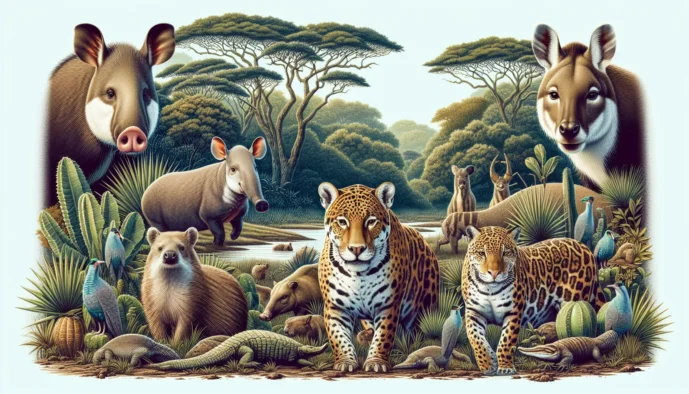
The **Great Chaco region** stands as one of the last untamed frontiers, offering a spectacular showcase of diverse wildlife that captivates nature enthusiasts and researchers alike. This article delves into the unique ecosystems and mesmerizing species that inhabit the Great Chaco, from the elusive jaguar to vibrant birdlife, providing readers with comprehensive insights and stunning visual highlights. Whether you’re planning an adventurous trip or deepening your ecological knowledge, this piece serves as an essential guide to understanding the natural wonders and crucial conservation efforts in this remarkable region.
Esenciales
Panorama geográfico
Ubicación
The Great Chaco is a vast and enchanting region in South America, stretching across parts of Argentina, Paraguay, Bolivia, and a small area of Brazil. It is one of the continent’s largest tropical dry forests. This incredible area is nestled between the Andes mountains to the west and wetlands to the east, making it a truly unique place. With its sprawling landscapes and vibrant ecosystems, the Chaco offers a treasure trove of natural wonders, waiting to be explored.
Clima
The climate of the Great Chaco is mostly hot and semi-arid, with some variations depending on the location and season. Summers can be blistering, with temperatures rising above 40°C (104°F), while winters are milder, sometimes dipping below freezing at night. The region experiences a wet season and a dry season, with most of the rainfall occurring between October and March. These changing seasons play a significant role in shaping the lives of the plants and animals that call this region home.
Hábitats
The Great Chaco is a patchwork of different habitats, each supporting its distinct community of living beings. It features dense forests filled with sturdy quebracho trees and tall palms, which provide vital shelter and food for many animals. In other areas, vast grasslands spread out like green oceans, offering a different kind of habitat teeming with life. The region also boasts wetland areas, which bloom with rich vegetation during the rainy season, creating perfect conditions for a variety of water-loving creatures. These diverse habitats make the Chaco an essential part of South America’s natural landscape.
Diversidad de Fauna
Mamíferos
El Gran Chaco alberga una increíble variedad de mamíferos, cada uno con sus propias características únicas y su papel en el ecosistema. Entre ellos, algunos de los más fascinantes son los jaguares y los armadillos gigantes.
Jaguares
Los jaguares son uno de los depredadores más poderosos del Chaco. Con sus cuerpos fuertes y sus impresionantes pelajes manchados, son a la vez hermosos y temibles. Los jaguares a menudo recorren las densas áreas forestales, utilizando sus habilidades bien desarrolladas para cazar. Desempeñan un papel crucial en el mantenimiento del equilibrio del ecosistema al controlar las poblaciones de otros animales.
Armadillos Gigantes
Los armadillos gigantes, conocidos por su enorme tamaño y caparazón protector, son otro mamífero notable que puedes encontrar en el Chaco. Por lo general, son activos durante la noche y usan sus largas garras para cavar en busca de insectos y otras pequeñas criaturas subterráneas. Estos animales ayudan a mejorar las condiciones del suelo mientras cavan, lo que fomenta el crecimiento de las plantas y apoya el ecosistema local.
Pájaros
La variedad de especies de aves en el Gran Chaco es realmente impresionante. Algunas de las especies destacadas incluyen las águilas harpías y los guacamayos de frente roja, ambos aportan color y vida vibrante a los cielos.
Águilas Arpías
Las águilas arpías se encuentran entre las águilas más grandes y poderosas del mundo. Con su increíble fuerza y garras afiladas, están en la cima de la cadena alimenticia de las aves en el Chaco. Por lo general, anidan en lo alto de los árboles, manteniendo un ojo atento a presas como monos y perezosos.
Guacamayos de Frente Roja
La guacamaya de frente roja es un loro de colores brillantes con plumas llamativas rojas y verdes. Estas aves sociales son conocidas por sus llamados fuertes y comportamiento juguetón. A menudo viajan en bandadas y se alimentan de semillas y frutas, ayudando a dispersar semillas por el bosque y contribuyendo al crecimiento de las plantas.
Reptiles
Los reptiles también son abundantes en el Chaco, con especies fascinantes como las anacondas amarillas y los caimanes que habitan aquí.
Anacondas Amarillas
Yellow anacondas are non-venomous snakes famous for their impressive size and strength. They spend much of their time in water, hunting for prey like fish and birds. These snakes are vital to the Chaco’s food web, helping to control the populations of their prey.
Caimanes Cocodrilos
Los caimanes son reptiles formidables conocidos por su piel dura y blindada y sus poderosas mandíbulas. Habitan en humedales y ríos, alimentándose de peces y pequeños mamíferos. Al mantener controladas las poblaciones de estos animales, mantienen el equilibrio ecológico en su hábitat.
Anfibios
Las especies de anfibios en el Chaco incluyen algunos animales únicos y fascinantes, muchos de los cuales son endémicos y tienen necesidades especiales de conservación.
Especies Endémicas
Some amphibians in the Chaco are found nowhere else in the world, making them endemic species. These creatures have adapted specially to their unique environment, showcasing the distinctiveness of the Chaco’s biodiversity. To learn more about the role of citizens in documenting such unique creatures, explore the role of citizen science in animal-watching and conservation.
Estado de conservación
Muchos anfibios en el Chaco enfrentan amenazas debido a la pérdida de hábitat y los cambios ambientales. Como resultado, algunas especies se consideran en peligro o en riesgo. Se están realizando esfuerzos para proteger a estos animales a través de proyectos de conservación y educación sobre su importancia.
Insectos
Los insectos en el Gran Chaco son abundantes y desempeñan roles vitales para mantener la salud del ecosistema. Entre ellos hay algunas especies verdaderamente únicas que contribuyen de formas importantes.
Especies Únicas
El Chaco alberga muchas especies de insectos únicas que contribuyen a su rica biodiversidad. Estos insectos pueden encontrarse zumbando entre flores, arrastrándose por la corteza de los árboles y realizando tareas esenciales que apoyan a otra vida silvestre.
Papel en el ecosistema
Los insectos en el Chaco desempeñan roles cruciales como polinizar plantas, descomponer materia orgánica muerta y servir como fuente de alimento para muchas aves, mamíferos y reptiles. Sus actividades aseguran la continuación del crecimiento de las plantas y ayudan en el reciclaje de nutrientes, lo cual es vital para un ecosistema saludable.
Flora del Chaco
Áreas Forestales
La región del Gran Chaco alberga una variedad de áreas boscosas únicas, cada una ofreciendo un rico tapiz de vida vegetal. Uno de los árboles más notables aquí es el Quebracho, conocido por su madera increíblemente dura. Estos árboles son esenciales para el bosque porque proporcionan hábitat y alimento para muchos animales. Su corteza gruesa y ramas robustas pueden resistir condiciones climáticas adversas, lo que los convierte en un componente vital del ecosistema del Chaco.
Besides the Quebracho trees, the forests also feature palms and cacti. Palms can grow tall with large, fan-like leaves, offering shade and shelter to creatures big and small. They thrive in the Chaco’s diverse climates, from dry areas to more humid regions. Cacti, on the other hand, are true desert specialists. Their thick, fleshy bodies store water, allowing them to survive in arid conditions. Together, these plants form a unique forest landscape that adapts to the challenges of the region.
Pastizales
Las praderas del Chaco son extensas y llenas de vida. Estas áreas están cubiertas de pastos nativos que se mecen con gracia con el viento. Estos pastos son hábiles para sobrevivir tanto en temporadas húmedas como secas, proporcionando cobertura y alimento esenciales para muchos animales. Desde roedores hasta grandes herbívoros, las praderas sustentan una amplia variedad de especies.
Among the dense grasses, you’ll find an array of wildflowers adding bursts of color to the landscape. These flowers not only beautify the area but also attract scores of pollinators like bees and butterflies, playing a crucial role in maintaining the ecosystem’s health and vibrancy.
Vegetación de Humedales
The Chaco’s wetlands are a treasure trove of plant diversity. This area, constantly shifting between wet and dry, teems with life. Wetlands vegetation includes reeds, bulrushes, and various water-loving plants that thrive in the nutrient-rich soil.
Reeds, with their tall, thin stalks, form dense thickets where birds can nest safely. Meanwhile, bulrushes, with their spongy, round stems, provide food and habitat for many creatures. These plants play a critical role in filtering water and maintaining the wetlands’ delicate balance. Together, the wetlands vegetation supports an incredible range of wildlife, making it one of the most vital ecosystems in the Chaco.
Importancia del Ecosistema
Punto caliente de biodiversidad
The Great Chaco region is a biodiversity hotspot, which means it is one of the most biologically rich areas on the planet. What makes it unique is its incredible variety of plants and animals. Imagine a place where you can find everything from giant armadillos and jaguars prowling in the dense forests to colorful birds like the red-fronted macaws soaring through the skies. The Great Chaco is home to thousands of different species, some of which can’t be found anywhere else in the world! This makes it a vital area for researchers and nature lovers who want to understand and protect these amazing creatures.
Papel ecológico
The ecosystems within the Great Chaco play crucial roles in maintaining the health of the environment. Each part of this ecosystem, from the smallest insect to the tallest tree, has a special job. Trees, like the mighty quebracho, provide shade and shelter for animals, while also absorbing carbon dioxide, helping to fight climate change. Wetlands act like a natural sponge, soaking up excess rainwater and preventing floods. The diverse plant life offers food and habitats for numerous animals, which, in turn, contribute to the ecosystem by pollinating plants, spreading seeds, and controlling pest populations. These balanced interactions create an environment where both plants and animals can thrive, making the Great Chaco an essential part of our world’s natural heritage.
Amenazas Ambientales
Amenazas Ambientales
The Great Chaco, with its wide range of plants and animals, is facing serious environmental threats that put its rich biodiversity at risk. One of the biggest challenges is deforestation. Trees are being cut down at an alarming rate to make way for farmland and to harvest timber. This loss of forest not only destroys the habitats of many species but also reduces the area’s ability to absorb carbon dioxide, a greenhouse gas that contributes to climate change.
Another major threat comes from agricultural expansion. As the demand for agricultural products grows, more land is cleared to plant crops like soybeans or to create grazing areas for cattle. This conversion of natural habitats into farmland not only reduces the space available for wild animals but also leads to soil degradation and pollution with pesticides and fertilizers, which can harm local ecosystems.
Climate change is impacting the Great Chaco as well. As global temperatures rise, the region experiences more extreme weather events such as droughts and floods. These changes can alter the delicate balance of life in the Chaco, affecting water availability and the growth cycles of plants, which in turn impacts the animals that depend on them for food. Furthermore, rising temperatures can lead to increased incidents of wildfire, threatening both flora and fauna.
In summary, the environmental threats to the Great Chaco are interconnected, creating complex challenges for conservationists, governments, and local communities. As these threats continue to grow, efforts to protect this unique region become more urgent to preserve its natural beauty and rich biodiversity for future generations. Citizen science initiatives can be a powerful tool in monitoring and addressing these threats. Find out how individuals contribute to conservation efforts by reading about the role of citizen science in animal-watching and conservation.
Esfuerzos de conservación
Parques Nacionales y Reservas
En el Gran Chaco, los parques nacionales y reservas desempeñan un papel crucial en la conservación de la increíble vida silvestre y hábitats que se encuentran en esta región. Estas áreas protegidas proporcionan un refugio seguro para muchas especies, incluyendo aquellas amenazadas como los jaguares y los armadillos gigantes. Al destinar áreas específicas de tierra, los parques nacionales ayudan a preservar entornos naturales donde estos animales pueden prosperar sin la amenaza constante de la interferencia humana. La creación de estos parques es importante para mantener el equilibrio del ecosistema, ofreciendo un espacio vital para plantas y animales mientras también permite a los científicos estudiar sus comportamientos y entornos.
Iniciativas de ONG
Las organizaciones no gubernamentales, o ONG, también tienen un impacto significativo en los esfuerzos de conservación en el Gran Chaco. Estos grupos trabajan incansablemente para proteger la vida silvestre, a menudo organizando programas de conservación y creando conciencia sobre la importancia de preservar estos hábitats únicos. Colaboran con comunidades locales y gobiernos para implementar estrategias que se centran en la sostenibilidad y la conservación. Muchas ONG llevan a cabo campañas educativas para enseñar a las personas sobre la importancia de los ecosistemas diversos y la urgente necesidad de conservación. Al trabajar sobre el terreno, pueden establecer soluciones prácticas que tienen beneficios a largo plazo para el medio ambiente.
Participación Comunitaria
Las comunidades locales son socios vitales en el viaje de conservación. Las personas que viven en el Chaco comprenden su tierra mejor que nadie, lo que hace que su participación sea fundamental para los esfuerzos exitosos de conservación. Al participar en diversas iniciativas, ayudan a gestionar y proteger los recursos naturales, asegurando que la vida silvestre y sus hábitats permanezcan intactos. A través de proyectos de ecoturismo y prácticas sostenibles, las comunidades pueden beneficiarse del entorno natural sin disminuir sus recursos. Pueden compartir su conocimiento de los métodos y prácticas tradicionales de conservación que han sido transmitidos de generación en generación. Este compromiso comunitario no solo ayuda en la conservación, sino que también empodera a los locales para sentirse orgullosos de su tierra y sus tesoros naturales.
Significado Cultural
Prácticas Indígenas
La región del Gran Chaco es una tierra rica en historia y cultura, moldeada por las muchas comunidades indígenas que la llaman hogar. Estas comunidades han vivido en armonía con la naturaleza durante siglos, desarrollando prácticas únicas que reflejan su profundo entendimiento del medio ambiente. Por ejemplo, la gente local ha dominado el arte de la caza y recolección sostenible, asegurando que no alteren el delicado equilibrio del ecosistema. Utilizan conocimientos tradicionales transmitidos de generación en generación para identificar qué plantas son comestibles o medicinales, y comprenden los patrones migratorios de animales como aves y jaguares, lo que les permite planificar sus actividades de manera que minimicen el impacto en la vida silvestre.
One particularly fascinating tradition involves the use of the region’s diverse plant life for everyday needs. Indigenous people make use of the tough bark from quebracho trees for constructing shelters and tools. They also have rich storytelling traditions that weave in the Chaco’s landscapes and its animals. Through stories, children learn about the great harpy eagle or the giant armadillo, fostering a sense of respect and responsibility towards these creatures.
Potencial del Ecoturismo
The Great Chaco’s incredible biodiversity and unique cultural tapestry make it an attractive location for ecotourism. Ecotourism is a form of travel that focuses on visiting natural areas, conserving the environment, and respecting the local culture. It offers a way for visitors to explore the natural wonders of the Chaco while supporting the communities that live there. By engaging in ecotourism, travelers can participate in guided tours led by indigenous guides who share their invaluable knowledge about the surroundings. Visitors can also witness traditional ceremonies and taste local foods, experiencing firsthand the vibrant culture of the Chaco people.
A cambio, el ecoturismo proporciona beneficios económicos a la población local, ayudando a financiar proyectos comunitarios e iniciativas de conservación. Esto crea un ciclo positivo donde tanto el medio ambiente como las personas que lo protegen prosperan. También aumenta la conciencia sobre la importancia de preservar un ecosistema tan único y anima a los turistas a convertirse en defensores de la conservación. Por lo tanto, promover el ecoturismo en el Gran Chaco no solo destaca su increíble diversidad de vida silvestre y vegetal, sino que también celebra y sostiene el patrimonio cultural de sus habitantes indígenas.
Futuras Perspectivas
Desarrollo Sostenible
Sustainable development in the Great Chaco region is all about finding ways to balance human needs with the health of the environment. People living in and around the Chaco rely on its resources, from wood to land for farming. However, it’s crucial to use these resources in a way that doesn’t harm the ecosystem. Efforts are being made to promote responsible farming techniques, like rotating crops and using less water, which can help preserve the land and prevent soil erosion. Governments and local communities are also working together to find ways to reduce deforestation. By planting trees and protecting natural forests, they can help ensure that the Chaco remains a thriving home for wildlife and people alike.
Investigación y Educación
Research and education play vital roles in the future of the Great Chaco. Scientists study the area’s unique plants and animals to learn more about their needs and how best to protect them. This research can lead to discoveries about new species or important plant characteristics, sometimes useful in medicine or agriculture. Educating people, especially young students, about the Chaco’s importance is crucial too. Schools and community programs focus on teaching about the environment and conservation. By spreading knowledge about the Chaco’s incredible biodiversity, they hope to inspire the next generation to care for this amazing natural wonder. Innovative educational programs involve hands-on activities that help students understand how ecosystems work and the importance of every species within them. Interested in how individuals contribute to conservation education? Learn about the role of citizen science in animal-watching and conservation.
Recursos y referencias
Recursos y referencias
Exploring the amazing wildlife of the Great Chaco is an exciting journey, and there are numerous resources available to further understand this unique region. Whether you’re curious about its incredible animals, lush plant life, or the ongoing efforts to protect this vital ecosystem, these resources will provide deeper insights.
Lecturas adicionales
- The Chaco: A Natural History by Andrew Bodley – This book dives into the diverse ecosystems of the Great Chaco, offering detailed descriptions and fascinating stories about the plants and animals that call it home.
- Chaco Wildlife Conservation – A comprehensive guide featuring research articles and studies on the intricate wildlife and ongoing conservation projects in the region, available through nature-focused magazines and journals.
- Flora and Fauna of the Chaco by Laura Williams – This illustrated book is perfect for young readers wanting to understand the various species living in the Chaco, complete with vivid images and easy-to-grasp explanations.
Organizaciones Clave
- The Great Chaco Conservation Society




