grande vida selvagem do chaco
Explore a vida selvagem diversificada do Grande Chaco, descobrindo as suas espécies únicas e ecossistemas vibrantes.
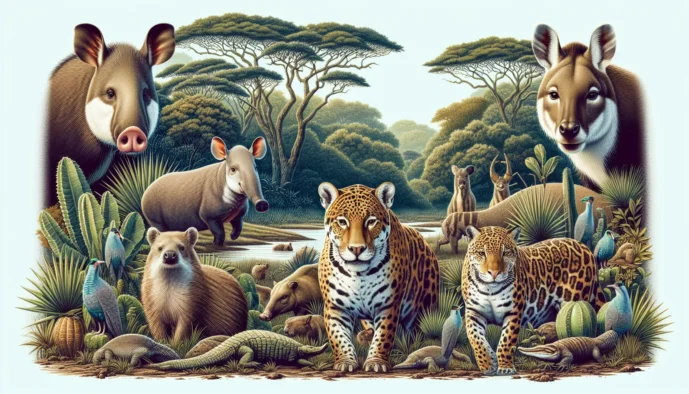
The **Great Chaco region** stands as one of the last untamed frontiers, offering a spectacular showcase of diverse wildlife that captivates nature enthusiasts and researchers alike. This article delves into the unique ecosystems and mesmerizing species that inhabit the Great Chaco, from the elusive jaguar to vibrant birdlife, providing readers with comprehensive insights and stunning visual highlights. Whether you’re planning an adventurous trip or deepening your ecological knowledge, this piece serves as an essential guide to understanding the natural wonders and crucial conservation efforts in this remarkable region.
Fundamentos
Panorama geográfico
Localização
The Great Chaco is a vast and enchanting region in South America, stretching across parts of Argentina, Paraguay, Bolivia, and a small area of Brazil. It is one of the continent’s largest tropical dry forests. This incredible area is nestled between the Andes mountains to the west and wetlands to the east, making it a truly unique place. With its sprawling landscapes and vibrant ecosystems, the Chaco offers a treasure trove of natural wonders, waiting to be explored.
Clima
The climate of the Great Chaco is mostly hot and semi-arid, with some variations depending on the location and season. Summers can be blistering, with temperatures rising above 40°C (104°F), while winters are milder, sometimes dipping below freezing at night. The region experiences a wet season and a dry season, with most of the rainfall occurring between October and March. These changing seasons play a significant role in shaping the lives of the plants and animals that call this region home.
Habitats
The Great Chaco is a patchwork of different habitats, each supporting its distinct community of living beings. It features dense forests filled with sturdy quebracho trees and tall palms, which provide vital shelter and food for many animals. In other areas, vast grasslands spread out like green oceans, offering a different kind of habitat teeming with life. The region also boasts wetland areas, which bloom with rich vegetation during the rainy season, creating perfect conditions for a variety of water-loving creatures. These diverse habitats make the Chaco an essential part of South America’s natural landscape.
Diversidade da Fauna
Mamíferos
O Grande Chaco abriga uma incrível variedade de mamíferos, cada um com suas características únicas e papel no ecossistema. Entre eles, alguns dos mais fascinantes são as onças-pintadas e os tatus-canastra.
Onças
As onças são um dos predadores mais poderosos do Chaco. Com seus corpos fortes e pelagem manchada impressionante, elas são ao mesmo tempo belas e temíveis. As onças frequentemente percorrem as áreas densas da floresta, usando suas habilidades bem desenvolvidas para caçar. Elas desempenham um papel crucial na manutenção do equilíbrio do ecossistema, controlando as populações de outros animais.
Tatus-gigantes
Tatus-gigantes, conhecidos por seu tamanho enorme e carapaça protetora, são outro mamífero notável que você pode encontrar no Chaco. Eles geralmente são ativos à noite e usam suas longas garras para cavar em busca de insetos e outras pequenas criaturas no subsolo. Esses animais ajudam a melhorar as condições do solo enquanto cavam, o que incentiva o crescimento de plantas e apoia o ecossistema local.
Aves
A variedade de espécies de aves no Grande Chaco é verdadeiramente impressionante. Algumas das espécies mais notáveis incluem as harpy eagles e os red-fronted macaws, que adicionam cores vibrantes e vida aos céus.
Águias Harpias
As águias harpia estão entre as maiores e mais poderosas águias do mundo. Com sua incrível força e garras afiadas, elas estão no topo da cadeia alimentar das aves no Chaco. Elas geralmente fazem ninhos no alto das árvores, mantendo um olhar atento para presas como macacos e preguiças.
Araras-de-fronte-vermelha
A arara-de-frente-vermelha é um papagaio colorido com penas vermelhas e verdes marcantes. Essas aves sociais são conhecidas por seus chamados altos e comportamento brincalhão. Elas frequentemente viajam em bandos e se alimentam de sementes e frutas, ajudando a dispersar sementes pela floresta e contribuindo para o crescimento das plantas.
Répteis
Répteis também são abundantes no Chaco, com espécies fascinantes como sucuris-amarelas e jacarés-açus fazendo sua casa aqui.
Sucuris-amarelas
Yellow anacondas are non-venomous snakes famous for their impressive size and strength. They spend much of their time in water, hunting for prey like fish and birds. These snakes are vital to the Chaco’s food web, helping to control the populations of their prey.
Jacarés Crocodilos
Os jacarés Caiman são répteis formidáveis conhecidos por sua pele resistente e blindada e mandíbulas poderosas. Eles habitam pântanos e rios, alimentando-se de peixes e pequenos mamíferos. Ao manter as populações desses animais sob controle, eles mantêm o equilíbrio ecológico em seu habitat.
Anfíbios
As espécies de anfíbios no Chaco incluem alguns animais únicos e fascinantes, muitos dos quais são endêmicos e têm necessidades especiais de conservação.
Espécies Endêmicas
Some amphibians in the Chaco are found nowhere else in the world, making them endemic species. These creatures have adapted specially to their unique environment, showcasing the distinctiveness of the Chaco’s biodiversity. To learn more about the role of citizens in documenting such unique creatures, explore the role of citizen science in animal-watching and conservation.
Estado de conservação
Muitos anfíbios no Chaco enfrentam ameaças devido à perda de habitat e mudanças ambientais. Como resultado, algumas espécies são consideradas ameaçadas ou em risco. Esforços estão sendo feitos para proteger esses animais por meio de projetos de conservação e educação sobre sua importância.
Insectos
Insetos no Grande Chaco são abundantes e desempenham papéis vitais na manutenção da saúde do ecossistema. Entre eles estão algumas espécies verdadeiramente únicas que contribuem de maneiras importantes.
Espécies Únicas
O Chaco abriga muitas espécies únicas de insetos que contribuem para sua rica biodiversidade. Esses insetos podem ser encontrados zumbindo entre as flores, rastejando ao longo da casca das árvores e realizando tarefas essenciais que sustentam outras formas de vida selvagem.
Papel no ecossistema
Insetos no Chaco desempenham papéis cruciais, como polinizar plantas, decompor matéria orgânica morta e servir como fonte de alimento para muitas aves, mamíferos e répteis. Suas atividades garantem a continuidade do crescimento das plantas e ajudam na reciclagem de nutrientes, o que é vital para um ecossistema saudável.
Flora do Chaco
Áreas Florestadas
A região do Grande Chaco abriga uma variedade de áreas florestais únicas, cada uma oferecendo um rico mosaico de vida vegetal. Uma das árvores mais notáveis aqui é o Quebracho, conhecido por sua madeira incrivelmente dura. Essas árvores são essenciais para a floresta porque fornecem habitat e alimento para muitos animais. Sua casca grossa e galhos resistentes podem suportar condições climáticas adversas, tornando-as um componente vital do ecossistema do Chaco.
Besides the Quebracho trees, the forests also feature palms and cacti. Palms can grow tall with large, fan-like leaves, offering shade and shelter to creatures big and small. They thrive in the Chaco’s diverse climates, from dry areas to more humid regions. Cacti, on the other hand, are true desert specialists. Their thick, fleshy bodies store water, allowing them to survive in arid conditions. Together, these plants form a unique forest landscape that adapts to the challenges of the region.
Prados
As pastagens do Chaco são extensas e cheias de vida. Essas áreas são cobertas por gramíneas nativas que balançam graciosamente com o vento. Essas gramíneas são hábeis em sobreviver tanto em estações úmidas quanto secas, proporcionando cobertura essencial e alimento para muitos animais. De roedores a grandes herbívoros, as pastagens sustentam uma ampla variedade de espécies.
Among the dense grasses, you’ll find an array of wildflowers adding bursts of color to the landscape. These flowers not only beautify the area but also attract scores of pollinators like bees and butterflies, playing a crucial role in maintaining the ecosystem’s health and vibrancy.
Vegetação de Áreas Úmidas
The Chaco’s wetlands are a treasure trove of plant diversity. This area, constantly shifting between wet and dry, teems with life. Wetlands vegetation includes reeds, bulrushes, and various water-loving plants that thrive in the nutrient-rich soil.
Reeds, with their tall, thin stalks, form dense thickets where birds can nest safely. Meanwhile, bulrushes, with their spongy, round stems, provide food and habitat for many creatures. These plants play a critical role in filtering water and maintaining the wetlands’ delicate balance. Together, the wetlands vegetation supports an incredible range of wildlife, making it one of the most vital ecosystems in the Chaco.
Importância do Ecossistema
Ponto Quente de Biodiversidade
The Great Chaco region is a biodiversity hotspot, which means it is one of the most biologically rich areas on the planet. What makes it unique is its incredible variety of plants and animals. Imagine a place where you can find everything from giant armadillos and jaguars prowling in the dense forests to colorful birds like the red-fronted macaws soaring through the skies. The Great Chaco is home to thousands of different species, some of which can’t be found anywhere else in the world! This makes it a vital area for researchers and nature lovers who want to understand and protect these amazing creatures.
Papel ecológico
The ecosystems within the Great Chaco play crucial roles in maintaining the health of the environment. Each part of this ecosystem, from the smallest insect to the tallest tree, has a special job. Trees, like the mighty quebracho, provide shade and shelter for animals, while also absorbing carbon dioxide, helping to fight climate change. Wetlands act like a natural sponge, soaking up excess rainwater and preventing floods. The diverse plant life offers food and habitats for numerous animals, which, in turn, contribute to the ecosystem by pollinating plants, spreading seeds, and controlling pest populations. These balanced interactions create an environment where both plants and animals can thrive, making the Great Chaco an essential part of our world’s natural heritage.
Ameaças Ambientais
Ameaças Ambientais
The Great Chaco, with its wide range of plants and animals, is facing serious environmental threats that put its rich biodiversity at risk. One of the biggest challenges is deforestation. Trees are being cut down at an alarming rate to make way for farmland and to harvest timber. This loss of forest not only destroys the habitats of many species but also reduces the area’s ability to absorb carbon dioxide, a greenhouse gas that contributes to climate change.
Another major threat comes from agricultural expansion. As the demand for agricultural products grows, more land is cleared to plant crops like soybeans or to create grazing areas for cattle. This conversion of natural habitats into farmland not only reduces the space available for wild animals but also leads to soil degradation and pollution with pesticides and fertilizers, which can harm local ecosystems.
Climate change is impacting the Great Chaco as well. As global temperatures rise, the region experiences more extreme weather events such as droughts and floods. These changes can alter the delicate balance of life in the Chaco, affecting water availability and the growth cycles of plants, which in turn impacts the animals that depend on them for food. Furthermore, rising temperatures can lead to increased incidents of wildfire, threatening both flora and fauna.
In summary, the environmental threats to the Great Chaco are interconnected, creating complex challenges for conservationists, governments, and local communities. As these threats continue to grow, efforts to protect this unique region become more urgent to preserve its natural beauty and rich biodiversity for future generations. Citizen science initiatives can be a powerful tool in monitoring and addressing these threats. Find out how individuals contribute to conservation efforts by reading about the role of citizen science in animal-watching and conservation.
Esforços de conservação
Parques Nacionais e Reservas
No Grande Chaco, os parques nacionais e reservas desempenham um papel crucial na conservação da vida selvagem incrível e dos habitats encontrados nesta região. Essas áreas protegidas proporcionam um refúgio seguro para muitas espécies, incluindo ameaçadas como onças-pintadas e tatus-canastra. Ao reservar áreas específicas de terra, os parques nacionais ajudam a preservar ambientes naturais onde esses animais podem prosperar sem a constante ameaça de interferência humana. A criação desses parques é importante para manter o equilíbrio do ecossistema, oferecendo um espaço vital para plantas e animais, além de permitir que cientistas estudem seus comportamentos e ambientes.
Iniciativas de ONGs
Organizações não governamentais, ou ONGs, também têm um impacto significativo nos esforços de conservação no Grande Chaco. Esses grupos trabalham incansavelmente para proteger a vida selvagem, frequentemente organizando programas de conservação e conscientizando sobre a importância de preservar esses habitats únicos. Eles colaboram com comunidades locais e governos para implementar estratégias que focam em sustentabilidade e conservação. Muitas ONGs realizam campanhas educacionais para ensinar as pessoas sobre a importância dos ecossistemas diversificados e a necessidade urgente de conservação. Ao trabalhar no campo, eles podem estabelecer soluções práticas que trazem benefícios de longo prazo para o meio ambiente.
Participação na comunidade
As comunidades locais são parceiras vitais na jornada de conservação. As pessoas que vivem no Chaco entendem sua terra melhor do que qualquer um, tornando seu envolvimento crucial para os esforços de conservação bem-sucedidos. Ao participar de várias iniciativas, elas ajudam a gerenciar e proteger os recursos naturais, garantindo que a vida selvagem e seus habitats permaneçam intactos. Por meio de projetos de ecoturismo e práticas sustentáveis, as comunidades podem se beneficiar do ambiente natural sem diminuir seus recursos. Elas podem compartilhar seu conhecimento de métodos e práticas tradicionais de conservação que foram transmitidos por gerações. Esse engajamento comunitário não apenas auxilia na conservação, mas também capacita os locais a ter orgulho de sua terra e seus tesouros naturais.
Importância cultural
Práticas Indígenas
A região do Grande Chaco é uma terra rica em história e cultura, moldada pelas muitas comunidades indígenas que a chamam de lar. Essas comunidades viveram em harmonia com a natureza por séculos, desenvolvendo práticas únicas que refletem seu profundo entendimento do meio ambiente. Por exemplo, o povo local dominou a arte da caça e coleta sustentáveis, garantindo que não perturbem o delicado equilíbrio do ecossistema. Eles usam o conhecimento tradicional transmitido por gerações para identificar quais plantas são comestíveis ou medicinais, e entendem os padrões migratórios de animais como pássaros e onças-pintadas, o que lhes permite planejar suas atividades de forma a minimizar o impacto na vida selvagem.
One particularly fascinating tradition involves the use of the region’s diverse plant life for everyday needs. Indigenous people make use of the tough bark from quebracho trees for constructing shelters and tools. They also have rich storytelling traditions that weave in the Chaco’s landscapes and its animals. Through stories, children learn about the great harpy eagle or the giant armadillo, fostering a sense of respect and responsibility towards these creatures.
Potencial do Ecoturismo
The Great Chaco’s incredible biodiversity and unique cultural tapestry make it an attractive location for ecotourism. Ecotourism is a form of travel that focuses on visiting natural areas, conserving the environment, and respecting the local culture. It offers a way for visitors to explore the natural wonders of the Chaco while supporting the communities that live there. By engaging in ecotourism, travelers can participate in guided tours led by indigenous guides who share their invaluable knowledge about the surroundings. Visitors can also witness traditional ceremonies and taste local foods, experiencing firsthand the vibrant culture of the Chaco people.
Em troca, o ecoturismo proporciona benefícios econômicos para a população local, ajudando a financiar projetos comunitários e iniciativas de conservação. Isso cria um ciclo positivo onde tanto o meio ambiente quanto as pessoas que o protegem prosperam. Também aumenta a conscientização sobre a importância de preservar um ecossistema tão único e incentiva os turistas a se tornarem defensores da conservação. Portanto, promover o ecoturismo no Grande Chaco não apenas destaca sua incrível vida selvagem e diversidade de plantas, mas também celebra e sustenta o patrimônio cultural de seus habitantes indígenas.
Perspectivas futuras
Desenvolvimento Sustentável
Sustainable development in the Great Chaco region is all about finding ways to balance human needs with the health of the environment. People living in and around the Chaco rely on its resources, from wood to land for farming. However, it’s crucial to use these resources in a way that doesn’t harm the ecosystem. Efforts are being made to promote responsible farming techniques, like rotating crops and using less water, which can help preserve the land and prevent soil erosion. Governments and local communities are also working together to find ways to reduce deforestation. By planting trees and protecting natural forests, they can help ensure that the Chaco remains a thriving home for wildlife and people alike.
Pesquisa e Educação
Research and education play vital roles in the future of the Great Chaco. Scientists study the area’s unique plants and animals to learn more about their needs and how best to protect them. This research can lead to discoveries about new species or important plant characteristics, sometimes useful in medicine or agriculture. Educating people, especially young students, about the Chaco’s importance is crucial too. Schools and community programs focus on teaching about the environment and conservation. By spreading knowledge about the Chaco’s incredible biodiversity, they hope to inspire the next generation to care for this amazing natural wonder. Innovative educational programs involve hands-on activities that help students understand how ecosystems work and the importance of every species within them. Interested in how individuals contribute to conservation education? Learn about the role of citizen science in animal-watching and conservation.
Recursos e referências
Recursos e referências
Exploring the amazing wildlife of the Great Chaco is an exciting journey, and there are numerous resources available to further understand this unique region. Whether you’re curious about its incredible animals, lush plant life, or the ongoing efforts to protect this vital ecosystem, these resources will provide deeper insights.
Leitura Adicional
- The Chaco: A Natural History by Andrew Bodley – This book dives into the diverse ecosystems of the Great Chaco, offering detailed descriptions and fascinating stories about the plants and animals that call it home.
- Chaco Wildlife Conservation – A comprehensive guide featuring research articles and studies on the intricate wildlife and ongoing conservation projects in the region, available through nature-focused magazines and journals.
- Flora and Fauna of the Chaco by Laura Williams – This illustrated book is perfect for young readers wanting to understand the various species living in the Chaco, complete with vivid images and easy-to-grasp explanations.
Organizações-Chave
- The Great Chaco Conservation Society




