¿Qué hace del jaguar el animal más fascinante y emblemático de la naturaleza?
Explore el encanto del jaguar: desde su poderosa presencia en la tradición hasta su extraordinaria fuerza y sus adaptaciones únicas.
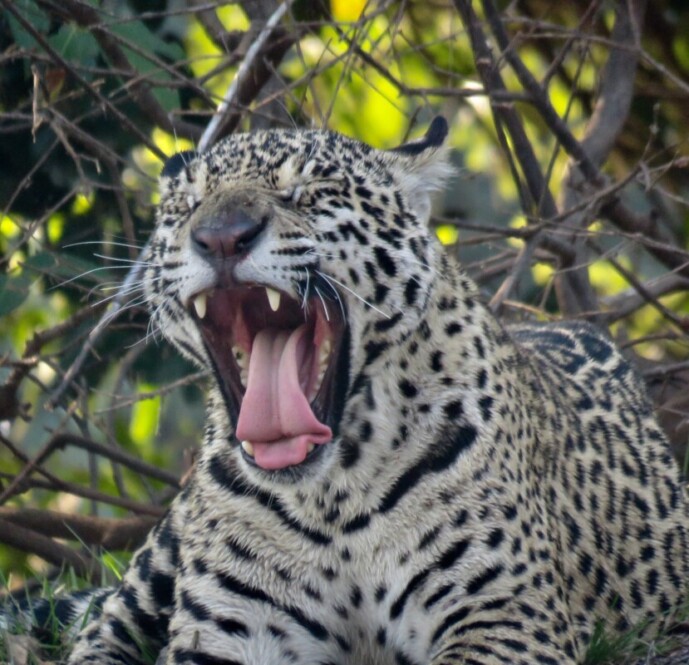
When it comes to the wild’s most fascinating and iconic creatures, the jaguar stands unparalleled. Embodying majestic beauty and formidable power, this elusive feline has captivated human imagination for centuries. If you’ve ever wondered what truly sets the jaguar apart from other big cats, this article delves into its unique characteristics and cultural significance. By exploring its distinctive physical traits, remarkable hunting skills, and profound impact on indigenous cultures, we aim to leave you with a deeper appreciation for this extraordinary animal.
Esenciales
“`html
Características físicas
### Size and Strength
Jaguars are truly remarkable when it comes to their size and strength. They are the largest big cats found in the Americas, with adult males typically weighing between 100 to 250 pounds. Some can even grow to over 6 feet long from their nose to the tip of their tail. Despite their size, they are extremely powerful animals. Jaguars have incredibly strong muscles, making them excellent hunters. Their strength allows them to take down prey much larger than themselves, such as deer and even crocodiles. This mighty power is one of the many reasons they are so fascinating.
### Unique Coat Patterns
One of the most noticeable features of jaguars is their beautiful coat. They have a tan or orange coat covered with distinctive black rosettes, which are spots shaped like roses. Inside these rosettes, there are often smaller black spots, making each jaguar’s coat unique, like a fingerprint. This pattern not only makes them stunning to look at, but it also helps them blend into their environment. The colors and markings are perfect for hiding amongst the dappled light of the dense forests, making them excellent at both catching their prey and avoiding being seen by potential threats.
### Vision and Senses
Jaguars have exceptional vision and senses that make them effective predators. Their eyesight is specially adapted for hunting, with night vision that allows them to see clearly in low-light conditions. This means they can hunt effectively at night, which is when they are most active. Alongside their vision, jaguars have a keen sense of hearing and can detect the faintest sounds in their surroundings. Moreover, their strong sense of smell helps them track down prey even in challenging conditions. Together, these senses make them some of the most efficient hunters in the animal kingdom.
Hábitat y área de distribución
Distribución geográfica
Jaguars are native to the Americas, with a range stretching from the dense rainforests of the Amazon Basin in South America to parts of Central America and even the southern part of North America. Historically, their territory extended as far north as the southwestern United States, but today, most jaguars are found primarily in the Amazon, home to the largest continuous jaguar populations. You can also find them in countries like Brazil, Colombia, Venezuela, and Peru. Many jaguars also inhabit the lush jungles and wetlands of Central America, with some populations in Mexico. Their adaptable nature has allowed them to survive across diverse regions, but their range has been reduced due to human activities.
Hábitats preferidos
Los jaguares prosperan en entornos que les proporcionan una densa cobertura, acceso al agua y abundantes presas. Las densas selvas tropicales son hogares ideales para los jaguares, ya que les ofrecen el camuflaje necesario para acechar y emboscar a sus presas. Sin embargo, no se limitan a este tipo de hábitat; los jaguares son muy adaptables. También habitan en pantanos, praderas e incluso matorrales de montaña. Estos grandes felinos prefieren las zonas cercanas a masas de agua, como ríos o lagos. Esta preferencia les ayuda a refrescarse y facilita la caza de criaturas acuáticas. Tanto en selvas inundadas como en bosques secos, los jaguares aprovechan al máximo su hábitat.
Adaptabilidad a los entornos
One of the reasons jaguars are such fascinating creatures is their impressive adaptability. They are known to thrive in a variety of environments. This adaptability is evident in their successful habitation of both rainforests and arid regions. Jaguars’ exceptional ability to swim allows them to move easily between riverine and forested areas, adapting to seasonal changes in their ecosystems. Despite these remarkable skills, jaguars face challenges when it comes to human encroachment. Their adaptability is a strength, but it also means they often find themselves in conflict with humans as they expand into new areas. Conservation efforts are crucial in ensuring these magnificent creatures can continue to roam freely in their natural habitats.
Caza y dieta
Técnicas de caza
Los jaguares son cazadores increíbles, conocidos por su astucia y potencia. A diferencia de otros grandes felinos que confían en la velocidad para perseguir a sus presas, los jaguares utilizan el sigilo y la fuerza. Acechan silenciosamente a su presa a través de los densos bosques, colocando cuidadosamente cada pata para no hacer ruido. Cuando llega el momento, se abalanzan con una velocidad y una fuerza sorprendentes. Los jaguares tienen poderosas mandíbulas que asestan una de las mordeduras más fuertes del reino animal. Esto les permite perforar el grueso cráneo o el caparazón de su presa, sometiéndola rápidamente.
Diversidad dietética
Los jaguares tienen una dieta variada, lo que los convierte en depredadores excepcionales en libertad. Pueden comer más de 85 tipos diferentes de animales. Desde mamíferos como ciervos y carpinchos hasta reptiles como tortugas y caimanes, su menú es extenso. Incluso pueden capturar peces. Esta amplia variedad permite a los jaguares adaptarse a distintos entornos, ya que no dependen de un único tipo de presa. Esta versatilidad les permite encontrar comida más fácilmente, vivan donde vivan.
Papel en el ecosistema
En el ecosistema, los jaguares desempeñan un papel crucial como depredadores ápice. Esto significa que están en la cima de la cadena alimentaria. Al cazar y alimentarse de diversos animales, ayudan a mantener el equilibrio de las poblaciones. Sin depredadores como los jaguares, algunas poblaciones de animales podrían crecer demasiado y beneficiarse menos de la salud de los ecosistemas. Al controlar su número, los jaguares ayudan a mantener la diversidad y la salud de sus hábitats, garantizando que las distintas especies puedan prosperar juntas.
Comportamiento y estructura social
### Naturaleza solitaria
Jaguars are known for being solitary creatures, meaning they prefer to live and hunt alone. Unlike some animals that travel in groups, adult jaguars usually roam vast territories by themselves. This solitary lifestyle helps them find enough food, as they don’t have to share their prey. Each jaguar has its own territory, and they rarely allow others to enter their space. Females, however, may sometimes tolerate their young for a while before they go off on their own.
### Hábitos territoriales
Territorial behavior is essential for a jaguar’s survival. Jaguars mark their territories by scratching trees or leaving scent marks, much like a signature, to let other jaguars know that the area is claimed. These territories can be vast, sometimes stretching over 50 square miles, especially for males. This space provides enough room for hunting and reduces competition with other jaguars. Despite their solitary nature, there can be some overlap in the territories of males and females, which plays a role during mating season.
### Métodos de comunicación
Jaguars, like other big cats, have unique ways to communicate with each other even though they live mostly alone. They use vocalizations, such as growls, roars, and grunts, which are often heard during mating season or to ward off intruders. Besides vocal signals, jaguars rely heavily on scent markings to convey messages over long distances. These scent marks are crucial in the dense forests where they often reside, where visual contact is limited. Though they don’t interact frequently, these communication methods ensure jaguars can still convey important information and maintain their solitary lifestyles efficiently.
Significado Cultural
Simbolismo histórico
El jaguar ha ocupado un lugar especial en el corazón y la mente de muchas culturas a lo largo de la historia, especialmente entre los pueblos indígenas de América. Las antiguas civilizaciones maya y azteca consideraban al jaguar un símbolo poderoso. Para ellos, este gran felino representaba la fuerza, el coraje y el valor. Los guerreros vestían pieles de jaguar para mostrar su valentía y destreza en la batalla. También se creía que el jaguar era un guardián del inframundo, una criatura que podía moverse sin esfuerzo entre los mundos, simbolizando tanto la vida como la muerte.
Presencia en la mitología
In the mythology of various tribes, the jaguar often appears as a magical and mystical creature. Some stories tell of jaguars as great protectors of the jungle, possessing the ability to communicate with the forces of nature. They are portrayed as wise beings, sometimes associated with gods. In South American mythology, the jaguar is linked with the god of rain and thunder, highlighting its significance in the natural world. These stories have been passed down through generations, keeping the jaguar’s mystical image alive even today.
Representación moderna
Today, the jaguar continues to capture the imagination of people around the world. Its sleek, spotted coat and mysterious aura make it a popular subject in art, literature, and media. From advertisements to wildlife documentaries, the jaguar is often depicted as the ultimate predator, a symbol of the wild’s untamed beauty. Conservationists and animal lovers frequently use images of jaguars to raise awareness about the need to protect their habitats. The jaguar is not only an emblem of the jungle but also a reminder of the importance of preserving nature for future generations.
Estado de conservación
### Amenazas y desafíos
Los jaguares, estos magníficos grandes felinos, se enfrentan a numerosas amenazas en libertad. Uno de los mayores retos es la pérdida de hábitat. A medida que se talan más bosques para la agricultura y el desarrollo urbano, los jaguares pierden sus hogares y los lugares donde cazan. Esto significa menos espacio para vivir y menos animales de los que alimentarse. Otra gran amenaza es la caza furtiva. Algunas personas cazan jaguares ilegalmente por su hermosa piel o para venderlos en el comercio ilegal de animales salvajes.
Además, los conflictos con los humanos suponen un peligro para los jaguares. Cuando se adentran en zonas habitadas, a veces cazan ganado. Esto puede provocar conflictos con los granjeros, que pueden dañar a los jaguares para proteger a sus animales. Estos problemas dificultan la supervivencia de los jaguares en libertad.
### Esfuerzos de conservación
A pesar de los retos, muchas personas y organizaciones trabajan duro para proteger a los jaguares. Los esfuerzos de conservación se centran en crear y mantener amplias zonas protegidas donde los jaguares puedan vivir con seguridad. Estas áreas ayudan a garantizar que los jaguares tengan suficiente espacio para deambular y cazar sin amenazas de las actividades humanas.
Algunos conservacionistas trabajan en proyectos para conectar distintos hábitats de jaguar. Estos corredores permiten a los jaguares viajar entre zonas seguras, lo que les ayuda a encontrar comida y pareja. Los programas educativos también desempeñan un papel clave en la conservación. Enseñando a las comunidades locales la importancia de los jaguares y las formas de convivir con ellos, los conservacionistas esperan reducir los conflictos.
También existen normativas internacionales que protegen a los jaguares de la caza y el comercio. Estas leyes hacen ilegal en muchos países dañar a los jaguares o vender sus partes. Los grupos conservacionistas suelen hacer un seguimiento de las poblaciones de jaguares para conocer su comportamiento y saber cuál es la mejor forma de protegerlos.
### Importancia de la conservación
Proteger a los jaguares es crucial, no sólo para la propia especie, sino también para la salud de ecosistemas enteros. Como grandes depredadores, los jaguares ayudan a mantener el equilibrio de las poblaciones de otros animales. Sin jaguares, podría haber demasiados animales de presa, lo que perjudicaría a la vegetación y a otros animales salvajes. Este equilibrio es esencial para que el medio ambiente prospere.
Además, los jaguares tienen importancia cultural para muchos pueblos indígenas que los ven como símbolos de fuerza y belleza. Preservar a los jaguares también significa mantener este rico patrimonio cultural. Protegiendo a los jaguares, podemos garantizar que las generaciones futuras sigan maravillándose ante estas criaturas icónicas y el papel vital que desempeñan en la naturaleza.
Comparaciones con otros grandes felinos
Similitudes con otras especies
Los jaguares, al igual que otros grandes felinos como leones, tigres y leopardos, pertenecen al grupo conocido como género Panthera. Esto significa que comparten algunos rasgos importantes. Para empezar, todos tienen músculos poderosos y garras afiladas, lo que les convierte en hábiles cazadores. Estos grandes felinos también rugen y pueden recorrer largas distancias, lo que les ayuda a comunicarse con otros de su especie. Otra similitud es su papel como depredadores principales en sus respectivos hábitats, lo que significa que ayudan a mantener el equilibrio en sus ecosistemas controlando las poblaciones de otros animales.
These felines enjoy a special feature that sets them apart from smaller cats: the ability to roar. This trait is due to a particular part of their throat called the “hyoid apparatus,” which is flexible in big cats. Thanks to this unique structure, their vocal cords can produce those deep and powerful roars. It’s like their very own language that expresses strength and communication between these magnificent animals!
Diferencias claras
Aunque los jaguares tienen muchas cosas en común con sus primos los grandes felinos, también presentan diferencias fascinantes. Una de ellas es su característico pelaje. El pelaje del jaguar está cubierto de manchas llamadas rosetas, cada una con una mancha única en el centro. Estas hermosas manchas les ayudan a camuflarse en la luz moteada de sus hogares en la selva, mezclándose perfectamente con las sombras y la luz del sol.
Un rasgo especialmente intrigante del jaguar es su incomparable poder mordedor. De todos los grandes felinos, el jaguar es el que tiene la mordedura más poderosa. Puede aplastar los gruesos cráneos y caparazones de sus presas, una habilidad especialmente útil en su hábitat de la selva tropical, donde las presas pueden variar mucho en tamaño y fuerza.
A diferencia de los leones, que viven en grupos sociales conocidos como manadas, los jaguares son criaturas solitarias. Prefieren vagar y cazar solos, utilizando sus agudos sentidos para detectar presas en los densos bosques o en las riberas de los ríos. Este estilo de vida solitario es muy diferente de las estructuras sociales de animales como los leones, en los que el trabajo en equipo desempeña un papel clave para su supervivencia.
Jaguars are also excellent swimmers, a trait they share with tigers but not with all their feline cousins. They don’t just swim to catch prey; they seem to enjoy the water and often take to the rivers in their territory, showcasing a playful side and proving their adaptability in aquatic environments. This love for water is one of the many traits that sets jaguars apart from other big cats, highlighting just how unique they truly are in the wild world.
Datos curiosos
Comportamientos únicos
The jaguar displays several fascinating behaviors that make it stand out among the big cats. One of its most unique traits is its remarkable swimming ability. Unlike many other felines, jaguars are not afraid of water. They often swim across rivers and hunt aquatic prey like fish and caimans. This adeptness in water helps them survive in flood-prone and marshy areas where they often live. Additionally, jaguars are known for their powerful and unique hunting style. They use a distinctive method known as the “killing bite” to prey on large animals, targeting directly onto the skull and piercing with their strong canine teeth.
Atributos que baten récords
Jaguars hold some impressive records in the animal kingdom. Among the big cats, they have one of the strongest bites, capable of crushing the skull or even turtle shells, which is a testament to their powerful jaw muscles. Their bite force is stronger than that of a lion or a tiger when compared to their size. Another striking feature is the beauty and uniqueness of their coat. Each jaguar has a pattern of rosettes—black spots on a golden background—that is unique, much like a human fingerprint. In some rare cases, jaguars are born with a condition called melanism, leading to a black coat with barely visible rosettes, often known as black panthers. You can learn more about unique wildlife adaptations like those of the tapir, found in similar regions.
“`




