O que faz do Jaguar o animal mais fascinante e icónico da Natureza?
Explore o fascínio do Jaguar: desde a sua poderosa presença na tradição até à sua extraordinária força e adaptações únicas.
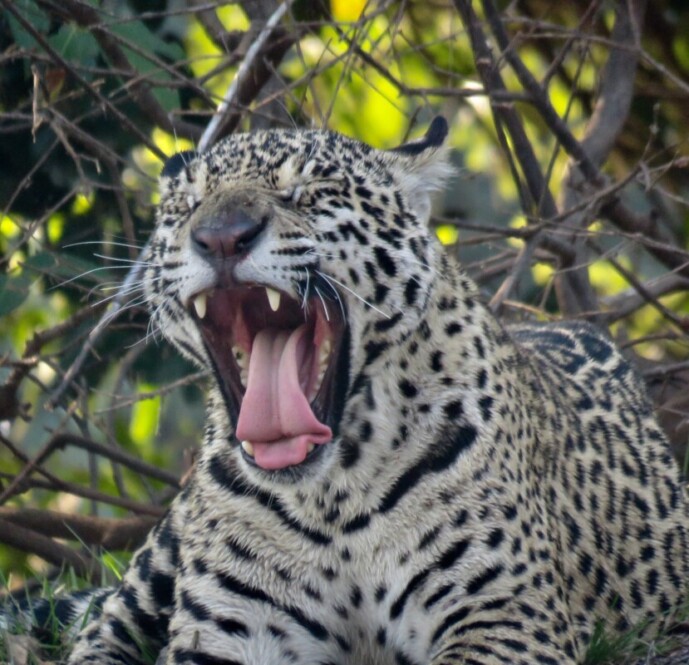
When it comes to the wild’s most fascinating and iconic creatures, the jaguar stands unparalleled. Embodying majestic beauty and formidable power, this elusive feline has captivated human imagination for centuries. If you’ve ever wondered what truly sets the jaguar apart from other big cats, this article delves into its unique characteristics and cultural significance. By exploring its distinctive physical traits, remarkable hunting skills, and profound impact on indigenous cultures, we aim to leave you with a deeper appreciation for this extraordinary animal.
Fundamentos
“`html
Caraterísticas físicas
### Size and Strength
Jaguars are truly remarkable when it comes to their size and strength. They are the largest big cats found in the Americas, with adult males typically weighing between 100 to 250 pounds. Some can even grow to over 6 feet long from their nose to the tip of their tail. Despite their size, they are extremely powerful animals. Jaguars have incredibly strong muscles, making them excellent hunters. Their strength allows them to take down prey much larger than themselves, such as deer and even crocodiles. This mighty power is one of the many reasons they are so fascinating.
### Unique Coat Patterns
One of the most noticeable features of jaguars is their beautiful coat. They have a tan or orange coat covered with distinctive black rosettes, which are spots shaped like roses. Inside these rosettes, there are often smaller black spots, making each jaguar’s coat unique, like a fingerprint. This pattern not only makes them stunning to look at, but it also helps them blend into their environment. The colors and markings are perfect for hiding amongst the dappled light of the dense forests, making them excellent at both catching their prey and avoiding being seen by potential threats.
### Vision and Senses
Jaguars have exceptional vision and senses that make them effective predators. Their eyesight is specially adapted for hunting, with night vision that allows them to see clearly in low-light conditions. This means they can hunt effectively at night, which is when they are most active. Alongside their vision, jaguars have a keen sense of hearing and can detect the faintest sounds in their surroundings. Moreover, their strong sense of smell helps them track down prey even in challenging conditions. Together, these senses make them some of the most efficient hunters in the animal kingdom.
Habitat e distribuição
Distribuição geográfica
Jaguars are native to the Americas, with a range stretching from the dense rainforests of the Amazon Basin in South America to parts of Central America and even the southern part of North America. Historically, their territory extended as far north as the southwestern United States, but today, most jaguars are found primarily in the Amazon, home to the largest continuous jaguar populations. You can also find them in countries like Brazil, Colombia, Venezuela, and Peru. Many jaguars also inhabit the lush jungles and wetlands of Central America, with some populations in Mexico. Their adaptable nature has allowed them to survive across diverse regions, but their range has been reduced due to human activities.
Habitats preferidos
As onças-pintadas prosperam em ambientes que oferecem uma cobertura densa, acesso à água e um suprimento abundante de presas. As florestas tropicais densas são o lar ideal para as onças, oferecendo-lhes a camuflagem necessária para perseguir e emboscar as presas. No entanto, não se limitam a este tipo de habitat; as onças são muito adaptáveis. Habitam também pântanos, pradarias e até matagais de montanha. Estes grandes felinos preferem particularmente as zonas próximas de massas de água, como rios ou lagos. Esta preferência ajuda-os a refrescarem-se e facilita-lhes a caça aos seres aquáticos. Seja em florestas tropicais inundadas ou em florestas secas, as onças tiram o máximo partido dos seus habitats.
Adaptabilidade aos ambientes
One of the reasons jaguars are such fascinating creatures is their impressive adaptability. They are known to thrive in a variety of environments. This adaptability is evident in their successful habitation of both rainforests and arid regions. Jaguars’ exceptional ability to swim allows them to move easily between riverine and forested areas, adapting to seasonal changes in their ecosystems. Despite these remarkable skills, jaguars face challenges when it comes to human encroachment. Their adaptability is a strength, but it also means they often find themselves in conflict with humans as they expand into new areas. Conservation efforts are crucial in ensuring these magnificent creatures can continue to roam freely in their natural habitats.
Caça e alimentação
Técnicas de caça
As onças-pintadas são caçadores incríveis, conhecidos pela sua astúcia e poder. Ao contrário de outros grandes felinos que dependem da velocidade para perseguir as presas, as onças usam a furtividade e a força. Elas perseguem silenciosamente as suas presas através das florestas densas, colocando cuidadosamente cada pata para evitar fazer barulho. Quando chega o momento certo, elas atacam com velocidade e força surpreendentes. As onças têm mandíbulas poderosas que dão uma das mordidas mais fortes do reino animal. Isto permite-lhes perfurar o crânio grosso ou a carapaça da sua presa, subjugando-a rapidamente.
Diversidade da dieta
Os jaguares têm uma dieta variada, o que os torna predadores excepcionais na natureza. Elas podem comer mais de 85 tipos diferentes de animais! De mamíferos como veados e capivaras a répteis como tartarugas e jacarés, seu cardápio é extenso. Elas podem até pescar peixes. Essa grande variedade permite que as onças se adaptem a diferentes ambientes, pois não dependem de um único tipo de presa. Esta versatilidade permite-lhes encontrar alimento mais facilmente, independentemente do local onde vivem.
Papel no ecossistema
No ecossistema, as onças desempenham um papel crucial como predadores de topo. Isto significa que estão no topo da cadeia alimentar. Ao caçar e comer vários animais, elas ajudam a manter as populações em equilíbrio. Sem predadores como a onça-pintada, algumas populações de animais podem crescer demasiado e beneficiar menos de ecossistemas saudáveis. Ao gerir estes números, as onças ajudam a manter a diversidade e a saúde dos seus habitats, assegurando que diferentes espécies possam prosperar em conjunto.
Comportamento e estrutura social
### Natureza solitária
Jaguars are known for being solitary creatures, meaning they prefer to live and hunt alone. Unlike some animals that travel in groups, adult jaguars usually roam vast territories by themselves. This solitary lifestyle helps them find enough food, as they don’t have to share their prey. Each jaguar has its own territory, and they rarely allow others to enter their space. Females, however, may sometimes tolerate their young for a while before they go off on their own.
### Hábitos territoriais
Territorial behavior is essential for a jaguar’s survival. Jaguars mark their territories by scratching trees or leaving scent marks, much like a signature, to let other jaguars know that the area is claimed. These territories can be vast, sometimes stretching over 50 square miles, especially for males. This space provides enough room for hunting and reduces competition with other jaguars. Despite their solitary nature, there can be some overlap in the territories of males and females, which plays a role during mating season.
### Métodos de comunicação
Jaguars, like other big cats, have unique ways to communicate with each other even though they live mostly alone. They use vocalizations, such as growls, roars, and grunts, which are often heard during mating season or to ward off intruders. Besides vocal signals, jaguars rely heavily on scent markings to convey messages over long distances. These scent marks are crucial in the dense forests where they often reside, where visual contact is limited. Though they don’t interact frequently, these communication methods ensure jaguars can still convey important information and maintain their solitary lifestyles efficiently.
Importância cultural
Simbolismo histórico
O jaguar ocupou um lugar especial nos corações e mentes de muitas culturas ao longo da história, especialmente entre os povos indígenas das Américas. As antigas civilizações Maia e Asteca consideravam o jaguar um símbolo poderoso. Para eles, este grande felino representava força, coragem e bravura. Os guerreiros usavam peles de jaguar para mostrar a sua bravura e habilidade em batalha. Acreditava-se também que o jaguar era um guardião do submundo, uma criatura que podia mover-se sem esforço entre os mundos, simbolizando tanto a vida como a morte.
A presença na mitologia
In the mythology of various tribes, the jaguar often appears as a magical and mystical creature. Some stories tell of jaguars as great protectors of the jungle, possessing the ability to communicate with the forces of nature. They are portrayed as wise beings, sometimes associated with gods. In South American mythology, the jaguar is linked with the god of rain and thunder, highlighting its significance in the natural world. These stories have been passed down through generations, keeping the jaguar’s mystical image alive even today.
Representação moderna
Today, the jaguar continues to capture the imagination of people around the world. Its sleek, spotted coat and mysterious aura make it a popular subject in art, literature, and media. From advertisements to wildlife documentaries, the jaguar is often depicted as the ultimate predator, a symbol of the wild’s untamed beauty. Conservationists and animal lovers frequently use images of jaguars to raise awareness about the need to protect their habitats. The jaguar is not only an emblem of the jungle but also a reminder of the importance of preserving nature for future generations.
Estado de conservação
### Ameaças e desafios
Os jaguares, estes magníficos grandes felinos, enfrentam inúmeras ameaças na natureza. Um dos maiores desafios é a perda de habitat. À medida que mais florestas são desmatadas para a agricultura e o desenvolvimento urbano, as onças perdem as suas casas e os locais onde caçam. Isto significa menos espaço para viver e menos animais para se alimentarem. Outra grande ameaça é a caça furtiva. Algumas pessoas caçam ilegalmente onças pela sua bela pele ou para as vender no comércio ilegal de animais selvagens.
Além disso, o conflito com os seres humanos representa um perigo para as onças. Quando as onças vagueiam por zonas onde vivem pessoas, por vezes atacam animais de criação, como o gado. Isso pode levar a conflitos com fazendeiros que podem ferir as onças para proteger seus animais. Estes desafios tornam difícil para as onças prosperarem na natureza.
### Esforços de conservação
Apesar dos desafios, muitas pessoas e organizações estão a trabalhar arduamente para proteger as onças-pintadas. Os esforços de conservação centram-se na criação e manutenção de grandes áreas protegidas onde as onças podem viver em segurança. Estas áreas ajudam a garantir que as onças têm espaço suficiente para vaguear e caçar sem as ameaças das actividades humanas.
Alguns conservacionistas trabalham em projectos para ligar diferentes habitats de onças-pintadas. Esses corredores permitem que as onças viajem entre zonas seguras, o que as ajuda a encontrar comida e parceiros. Programas educacionais também desempenham um papel fundamental na conservação. Ao ensinar as comunidades locais sobre a importância das onças-pintadas e as formas de viver com elas, os conservacionistas esperam reduzir os conflitos.
Existem também regulamentos internacionais que protegem as onças da caça e do comércio. Essas leis tornam ilegal em muitos países ferir onças-pintadas ou vender suas partes. Os grupos de conservação monitorizam frequentemente as populações de onças-pintadas para compreender o seu comportamento e a melhor forma de as proteger.
### Importância da preservação
A proteção das onças-pintadas é crucial, não só para a espécie em si, mas também para a saúde de ecossistemas inteiros. Como predadoras de topo, as onças ajudam a manter as populações de outros animais em equilíbrio. Sem as onças, poderia haver um número excessivo de certas presas, o que prejudicaria a vegetação e outros animais selvagens. Esse equilíbrio é essencial para que o meio ambiente prospere.
Além disso, as onças-pintadas têm importância cultural para muitos povos indígenas que as vêem como símbolos de força e beleza. Preservar as onças-pintadas significa também manter este rico património cultural. Ao protegermos as onças-pintadas, podemos garantir que as gerações futuras continuarão a maravilhar-se com estas criaturas icónicas e com o papel vital que desempenham na natureza.
Comparações com outros grandes felinos
Semelhanças com outras espécies
As onças-pintadas, tal como outros grandes felinos, como os leões, os tigres e os leopardos, pertencem ao grupo conhecido como género Panthera. Isto significa que partilham algumas caraterísticas importantes. Para começar, todos eles têm músculos poderosos e garras afiadas, o que os torna caçadores habilidosos. Estes grandes felinos também têm um rugido que pode viajar longas distâncias, ajudando-os a comunicar com outros da sua espécie. Outra semelhança é o seu papel de predadores de topo nos respectivos habitats, o que significa que ajudam a manter o equilíbrio nos seus ecossistemas, controlando as populações de outros animais.
These felines enjoy a special feature that sets them apart from smaller cats: the ability to roar. This trait is due to a particular part of their throat called the “hyoid apparatus,” which is flexible in big cats. Thanks to this unique structure, their vocal cords can produce those deep and powerful roars. It’s like their very own language that expresses strength and communication between these magnificent animals!
Diferenças distintas
Embora as onças-pintadas tenham muitas coisas em comum com os seus primos felinos, também têm diferenças fascinantes. Uma grande diferença é o seu padrão de pelagem caraterístico. A pelagem das onças-pintadas é coberta por manchas chamadas rosetas, cada uma com uma mancha única no meio. Estas bonitas manchas ajudam a camuflá-las na luz da floresta onde vivem, misturando-se perfeitamente com as sombras e a luz do sol.
Uma caraterística especialmente intrigante da onça-pintada é o seu poder de mordida inigualável. Entre todos os grandes felinos, a onça-pintada tem a mordida mais poderosa. Ela é capaz de esmagar os crânios grossos e as carapaças de suas presas, uma habilidade que é particularmente útil em suas casas na floresta tropical, onde as presas podem variar muito em tamanho e força.
Ao contrário dos leões, que vivem em grupos sociais conhecidos como alcateias, as onças são criaturas solitárias. Preferem vaguear e caçar sozinhas, usando os seus sentidos apurados para detetar presas nas florestas densas ou ao longo das margens dos rios. Este estilo de vida solitário é bastante diferente das estruturas sociais observadas em animais como os leões, onde o trabalho em equipa desempenha um papel fundamental na sua sobrevivência.
Jaguars are also excellent swimmers, a trait they share with tigers but not with all their feline cousins. They don’t just swim to catch prey; they seem to enjoy the water and often take to the rivers in their territory, showcasing a playful side and proving their adaptability in aquatic environments. This love for water is one of the many traits that sets jaguars apart from other big cats, highlighting just how unique they truly are in the wild world.
Factos intrigantes
Comportamentos únicos
The jaguar displays several fascinating behaviors that make it stand out among the big cats. One of its most unique traits is its remarkable swimming ability. Unlike many other felines, jaguars are not afraid of water. They often swim across rivers and hunt aquatic prey like fish and caimans. This adeptness in water helps them survive in flood-prone and marshy areas where they often live. Additionally, jaguars are known for their powerful and unique hunting style. They use a distinctive method known as the “killing bite” to prey on large animals, targeting directly onto the skull and piercing with their strong canine teeth.
Atributos que batem recordes
Jaguars hold some impressive records in the animal kingdom. Among the big cats, they have one of the strongest bites, capable of crushing the skull or even turtle shells, which is a testament to their powerful jaw muscles. Their bite force is stronger than that of a lion or a tiger when compared to their size. Another striking feature is the beauty and uniqueness of their coat. Each jaguar has a pattern of rosettes—black spots on a golden background—that is unique, much like a human fingerprint. In some rare cases, jaguars are born with a condition called melanism, leading to a black coat with barely visible rosettes, often known as black panthers. You can learn more about unique wildlife adaptations like those of the tapir, found in similar regions.
“`




