 Viaje por carretera 4x4 autoconducido y camping en Namibia
Embárquese en una emocionante aventura por los escarpados paisajes de Namibia en un 4x4 de conducción autónoma y experimente el placer de acampar bajo las estrellas.
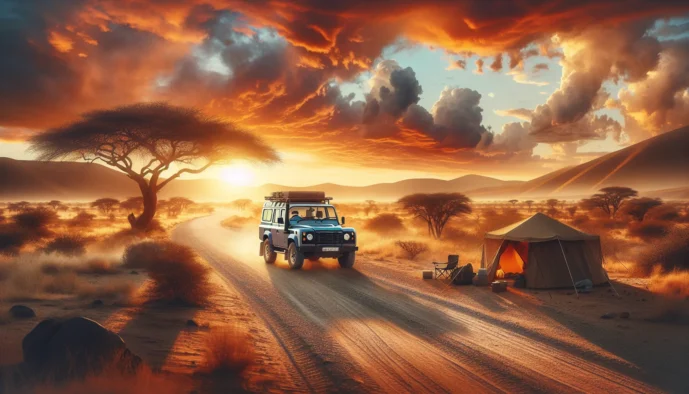
Embarking on a 4X4 self-drive and camping adventure in Namibia offers a unique opportunity to explore one of Africa’s most stunning landscapes at your own pace. This article serves as a comprehensive guide tailored to travelers looking to experience the wild beauty of Namibia from behind the wheel. You’ll discover essential tips for planning your road trip, recommended routes, and the best camping spots nestled within Namibia’s breathtaking terrains. Whether you’re a seasoned adventurer or setting out on your first off-road journey, this guide is designed to equip you with the knowledge needed to create unforgettable memories amidst Namibia’s vast deserts, rugged coastlines, and diverse wildlife. Dive in to find out how to make the most of your Namibian expedition.
Esenciales
Planificando la Aventura
Configurar el Itinerario
Planning a road trip through Namibia is an exciting adventure, and organizing the itinerary is a crucial first step. Start by deciding how long you want your trip to be. Namibia is a vast country with many wonders, so it’s essential to set a reasonable duration. A typical road trip might last between two to three weeks. This allows you time to explore without feeling rushed.
Next, map out your route. Popular starting points are usually in Windhoek, Namibia’s capital. From there, you could head north to see the wildlife in Etosha National Park or travel south to visit the iconic sand dunes in Sossusvlei. Remember to include key destinations like the Skeleton Coast and the unique rock formations in Damaraland in your plan.
Documentación Necesaria
Before hitting the road, make sure you gather all the necessary documentation. You’ll need a visa if you’re coming from specific countries, so check the requirements beforehand. Renting a 4X4 vehicle requires a driver’s license, and some rental agencies ask for an international driving permit. Always carry these documents with you.
Health and safety preparations are vital too. Make sure your vaccinations are up to date, and pack a basic first aid kit. It’s wise to invest in travel insurance that covers road trip activities, including off-road adventures.
Elegir el vehículo adecuado
When planning a road trip through Namibia, choosing the right vehicle is essential. The rugged and often remote terrain makes a 4X4 the perfect choice. Many rental agencies in Namibia offer various options, so it’s best to shop around for a deal that suits your needs and budget.
Busca vehículos equipados con características esenciales como un sistema de suspensión robusto y neumáticos para todo terreno. Muchos alquileres incluyen equipo de camping adicional, lo cual es útil si planeas explorar fuera de los caminos trillados. Verifica que el vehículo elegido tenga un kit de mantenimiento completo y asegúrate de saber cómo usarlo.
Necesidades básicas de equipaje
Packing for a road trip and camping adventure requires careful planning. Start with camping gear. A sturdy tent, sleeping bags suitable for various temperatures, and camping chairs are essential items. You’ll also need a portable stove, cooking utensils, and enough water for your journey.
Safety and emergency equipment should also be on your list. Carry a reliable flashlight, an extra set of batteries, and a detailed map of the area. A GPS device can be incredibly useful in remote areas where cell service is poor. Don’t forget a tire repair kit and extra fuel, just in case. With the right preparation, your Namibian adventure will be both safe and unforgettable.
Navegando por las carreteras de Namibia
Estado de las carreteras
When you’re driving in Namibia, knowing the road conditions is really important. Namibia’s roads take you through many different types of terrain. You’ll see a mix of paved roads and gravel trails. The paved roads are usually in good shape, making them quite easy to drive on. However, once you get off the beaten path, the gravel roads can be bumpy and dusty. It’s a real adventure!
Seasons also play a big role in road conditions. During the dry season, the roads are often easier to navigate, and you’ll encounter less mud. However, in the rainy season, certain areas may become tricky or even impassable due to flooding or slippery surfaces. Always check the weather forecast before setting out to make sure you’re prepared for the conditions you’ll face.
Consejos de conducción
Driving a 4×4 in Namibia is exciting, but it requires some skill. When you’re off-roading, it’s important to reduce your speed, especially on loose gravel or sand. Never brake suddenly, as this can cause your vehicle to skid. Instead, use gentle steering and braking to maintain control.
Repostar y hacer paradas para descansar son fundamentales en viajes largos por carretera. Namibia tiene vastas extensiones de naturaleza, así que asegúrate de llenar el tanque cada vez que veas una estación de servicio, ya que pueden estar muy separadas. Además, haz pausas regulares para descansar y estirarte, asegurándote de mantenerte alerta y con energía para el viaje que tienes por delante.
Precauciones de Seguridad
La seguridad siempre es lo primero al explorar las carreteras de Namibia. Esté atento a la vida silvestre, ya que animales como springboks y cebras pueden cruzar la carretera sin previo aviso. Preste atención a las señales de tráfico, ya que a menudo indican curvas cerradas, cruces de vida silvestre o cambios próximos en las condiciones de la carretera.
Have a list of emergency contacts handy, including local authorities and your rental agency, in case you encounter any problems. It’s also wise to carry a basic first-aid kit and know the nearest locations of medical facilities. These precautions will help you enjoy your journey with peace of mind, knowing you’re prepared for any situation.
Destinos para Explorar
Parques Nacionales
One of the most exciting parts of a road trip in Namibia is exploring its beautiful national parks. Let’s start with Etosha National Park, a place where the wild truly comes alive. This park is one of Africa’s best wildlife reserves, and it’s famous for its large salt pan that can even be seen from space! You’ll have a chance to spot lions, elephants, and rhinoceroses, just to name a few of the incredible animals that call this park home.
Next, there’s the Namib-Naukluft National Park. It’s home to some of the world’s tallest sand dunes, which rise like giant golden waves against a brilliant blue sky. Climbing these dunes at sunrise or sunset offers breathtaking views and a great opportunity for some cool photographs. You’ll also find amazing rock formations and canyons waiting to be discovered.
Paisajes Únicos
Namibia is a country of unique and mesmerizing landscapes. Take the Skeleton Coast, for example. It’s known for its foggy coastline dotted with shipwrecks, giving it an eerie and fascinating atmosphere. The name might sound spooky, but exploring this area is a thrilling adventure.
Then there’s Sossusvlei, a dazzling salt and clay pan surrounded by massive red dunes. The play of sunlight and shadow on the dunes creates stunning sights, and the dried-up trees poking through the sands add a touch of mystery. Sossusvlei is a perfect place to feel the vastness of the desert.
Experiencias culturales
Namibia isn’t just about its natural beauty—there’s a rich tapestry of cultures to explore too. Meeting indigenous tribes, such as the Himba people, offers a chance to learn about their traditional way of life. The Himba are known for their unique hairstyles, intricate jewelry, and homes made from earth and clay.
Don’t miss out on historical landmarks that tell the story of Namibia’s past. You can visit places like the old towns of Lüderitz with its colorful German-style buildings, or the rock engravings at Twyfelfontein, where ancient people left their marks on stone. These cultural experiences make your journey through Namibia enriching and memorable.
Acampada en la Naturaleza
### Selección del Sitio
Elegir el lugar adecuado para acampar es crucial para una aventura exitosa en la naturaleza de Namibia. Hay dos opciones principales: campamentos designados y áreas de camping salvaje. Los campamentos designados ofrecen comodidades básicas como baños, duchas y, a veces, incluso pequeñas tiendas para abastecerse de artículos esenciales. Estos campamentos a menudo se encuentran en entornos naturales impresionantes y ofrecen la oportunidad de conocer a otros viajeros.
For those looking for a more adventurous experience, wild camping is also an option. You’ll need to ensure you’re in areas where wild camping is permitted. It’s a more rustic experience, so be prepared with all necessary supplies, as facilities will be nonexistent.
### Configurar el Campamento
Once you’ve chosen your campsite, it’s time to set up. If you’re using a tent, make sure it’s pitched on even ground, away from any potential hazards like falling branches. Consider the tent’s orientation to the sun and wind, which can affect your comfort levels.
Diferentes tipos de opciones de refugio incluyen tiendas de techo, que ofrecen seguridad contra la vida silvestre, o tiendas de suelo para una conexión más cercana con la naturaleza. A medida que el día se convierte en noche, preparar una fogata puede ser un agregado acogedor. Asegúrate de seguir las normas de seguridad y verificar las restricciones de incendios. Usa una estufa de camping para cocinar y mantener las cosas simples y seguras. La recolección de leña a menudo está restringida, así que siempre lleva tu propio combustible.
### Responsabilidad Ambiental
When camping in the wilderness, it’s essential to follow the Leave No Trace principles. These include taking all your trash with you when you leave, and ensuring that your campsite looks as good—or better—than when you arrived. Avoid disturbing the natural habitat, and never feed or approach wildlife.
Respect the environment by sticking to established trails and campsites. Wildlife interactions should be minimal; observe animals from a distance and avoid making loud noises that might startle them. By being environmentally conscious, you’re helping preserve Namibia’s beauty for future visitors.
With these tips, you can enjoy a memorable and responsible camping experience in Namibia’s incredible wilderness settings.
Cultura y Gastronomía Local
Comidas Tradicionales
Namibia offers a feast for your taste buds with its diverse and flavorful traditional foods. One popular dish you must try is Kapana, which is a seasoned and grilled beef delicacy often sold at local markets. You can enjoy it with spicy sauces that enhance its rich flavor. Another must-try is Potjiekos, a hearty stew cooked slowly in a cast iron pot over an open fire. It’s typically filled with meat, vegetables, and aromatic herbs, offering a delicious and filling meal.
For a taste of the sea, try Oysters from the coast. They are fresh and highly regarded. And don’t forget Mealie Pap, a staple made from ground maize, similar to porridge, which pairs perfectly as a side dish with many meals.
In Namibia, locations like Windhoek’s bustling markets, as well as cozy restaurants in Swakopmund, offer these traditional dishes. Try to explore local eateries to get an authentic taste of Namibian cuisine.
Etiqueta cultural
Understanding the local culture and respecting it is crucial when visiting Namibia. The Namibian people are known for their hospitality and friendliness. When greeting someone, it’s common to exchange a firm handshake, often accompanied by a warm smile. Remember to address elder members of communities respectfully as a sign of honor.
When interacting with indigenous tribes, such as the Himba or San people, it’s important to approach with sensitivity and respect for their customs. Always ask for permission before photographing people or their homes, as some might find it intrusive.
If invited to participate in any traditional ceremonies, be polite and observe local customs. Participation often means you’re a welcomed guest, which is an honor. Dress modestly when visiting rural areas and respect the space and traditions to show your appreciation for their culture.
Al abrirte a la cultura de Namibia, no solo adquieres una comprensión más profunda, sino que también fomentas conexiones positivas con las personas que conoces en tu viaje.
Consideraciones prácticas
Clima y Tiempo
Namibia’s weather can vary greatly depending on where you are and what time of year it is. It’s important to be prepared for these changes. During the day, temperatures in the Namib Desert can soar, making light, breathable clothing a must. However, at night, it can get surprisingly chilly, so pack a warm jacket or sweater. If it’s raining season, typically between November to April, some roads might become tricky to drive on due to rain and mud. Knowing these patterns will help you pack appropriately and plan your travel days wisely.
Salud y seguridad
Staying healthy and safe during your adventure in Namibia is very important. You’ll want to know the locations of medical facilities, especially if you’re exploring remote areas. It’s a good idea to have a basic first aid kit with you at all times. Vaccinations may be required, so make sure to check with health professionals before heading out. Preventive care, such as using strong sunscreen for the intense sun and drinking plenty of water, will help you stay in good shape during your travels.
Comunicación y Navegación
Successfully navigating through Namibia’s expansive landscapes requires some planning. Traditional maps and GPS devices are very useful, especially since cell service may not be reliable in remote areas. Before setting off, downloading offline maps on your smartphone can be a lifesaver. Consider carrying a satellite phone for emergencies, as it works even in the most isolated regions. Staying connected with technology allows you to call for help if needed and to share your amazing experiences with friends and family back home.




