Conseils de voyage à Cuba : les choses à faire et à ne pas faire essentielles
Cet article présente les conseils essentiels pour voyager à Cuba, y compris l'étiquette culturelle et des conseils pratiques.
Introduction
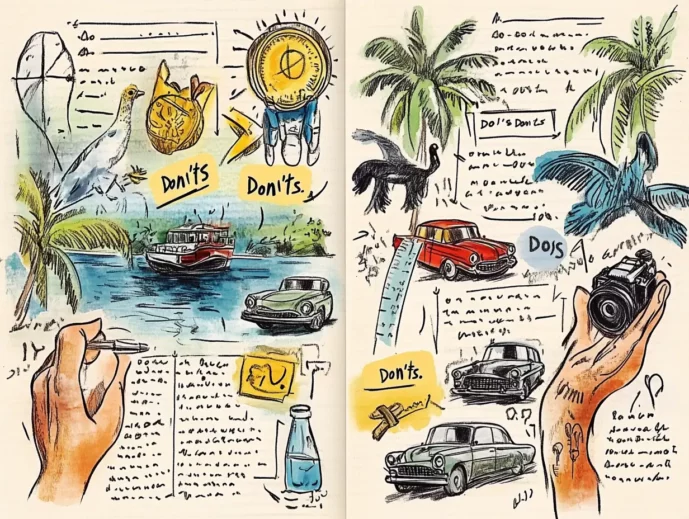
Cuba, with its vibrant culture, stunning beaches, and rich history, is an intriguing destination for travelers. However, navigating this unique island nation requires some preparation and savvy. Here are essential do’s and don’ts to ensure you have a smooth and enjoyable trip.
Avant de partir
Visa et documents de voyage
Ensure you have a valid passport and a tourist visa (Tarjeta del Turista). U.S. travelers need to comply with specific regulations, so check the current guidelines.
Santé et vaccinations
Consult your doctor about recommended vaccinations, such as Hepatitis A, B, and typhoid. Travel insurance is a must, covering medical emergencies and repatriation.
Monnaie et questions monétaires
Cuba uses the Cuban Peso (CUP). Bring cash (preferably Euros or Canadian Dollars) to exchange, as U.S. credit/debit cards are generally not accepted.
Ce qu'il faut emporter
Pack light clothing, comfortable shoes, and sunscreen. Don’t forget mosquito repellent, essential toiletries, and a small first aid kit.
Se déplacer
Options de transport
Buses, taxis, and bicitaxis are common. For longer distances, Viazul buses and domestic flights are reliable options.
location de voitures
Renting a car gives you freedom but beware of the high cost and scarcity of fuel. Ensure you book well in advance.
Naviguer sans GPS
Download offline maps as GPS may not work. Ask locals for directions; they’re generally friendly and helpful.
Conseils en matière d'hébergement
Types d'hébergement
Options range from luxury hotels to budget Casas Particulares (private homes).
Réservation à l'avance
Popular areas fill up quickly, so book accommodation in advance, especially during peak seasons.
Séjour dans les Casas Particulares
They’re cost-effective, offer a local experience, and include breakfast. Look for the blue anchor sign indicating a government-licensed casa.
Nourriture et boissons
Les plats cubains incontournables
Don’t miss Ropa Vieja, Arroz con Pollo, and Picadillo. For street food, try Cuban sandwiches and churros.
Eau potable sûre
Stick to bottled water or bring a water purification system. Avoid ice unless in reputable restaurants.
L'étiquette au restaurant
Cubans appreciate good manners. Greet staff when entering and thank them upon leaving. Tipping 10% is customary.
Sûreté et sécurité
Escroqueries courantes
Watch out for jineteros (hustlers) offering "special deals." Politely decline and move on.
Précautions en matière de santé et de sécurité
Carry insect repellent to protect against mosquito-borne diseases. Avoid unlit areas at night and stay aware of your surroundings.
Contacts en cas d'urgence
Note the numbers for police (106), ambulance (104), and your country’s embassy.
Etiquette culturelle
Salutations et bonnes manières
A friendly handshake or a kiss on the cheek is common. Always greet with a "Buenos días/tardes/noches."
Code vestimentaire
Dress modestly; beachwear is for the beach. In cities, opt for smart casual attire.
Respect des coutumes locales
Be respectful of Cuba’s socialist history and avoid political discussions. Always ask permission before photographing people.
Conseils linguistiques
Phrases de base en espagnol
Learn key phrases like "Hola" (Hello), "Gracias" (Thank you), and "¿Dónde está…?" (Where is…?).
Défis en matière de communication
L'anglais n'est pas très répandu, surtout en dehors des zones touristiques. La patience et le sourire sont de mise.
Applications et ressources linguistiques
Apps like Google Translate or Duolingo can be lifesavers.
Connectivité et Internet
Accès au Wi-Fi
Wi-Fi is available in hotels and public parks via ETECSA cards. It’s slow, so manage your expectations.
Acheter des cartes SIM locales
Les cartes SIM sont disponibles mais coûteuses. Si la connectivité est essentielle, pensez-y.
Rester connecté
Télécharger du contenu pour une utilisation hors ligne et informer la famille d'une connectivité limitée.
Conseils pour économiser de l'argent
Activités à petit budget
Explore free attractions like beaches and historic areas. Join free walking tours.
Négociations et pourboires
Bargain politely in markets but know when to stop. Tip service staff to show appreciation.
Utiliser les transports locaux
Use local buses and shared taxis (colectivos) for cost-effective travel.
Tourisme responsable
Pratiques respectueuses de l'environnement
Reduce plastic use and carry reusable items. Respect the environment by not littering.
Soutenir les entreprises locales
Buy from local artisans and dine at family-run eateries.
Respecter la faune et la nature
Keep a respectful distance from wildlife and don’t remove natural souvenirs.
Conclusion
Traveling to Cuba can be a rewarding experience filled with cultural immersion and adventure. By following these essential do’s and don’ts, you’ll be well-prepared to enjoy all that this fascinating country has to offer. Happy travels!




