Bribri
A hidden gem in Limón Province, Bribri offers lush rainforests, vibrant indigenous culture, and the serene Yorkín River. Discover traditional Cabécar life, chocolate tours, and untouched natural beauty in Costa Rica's Caribbean heart.
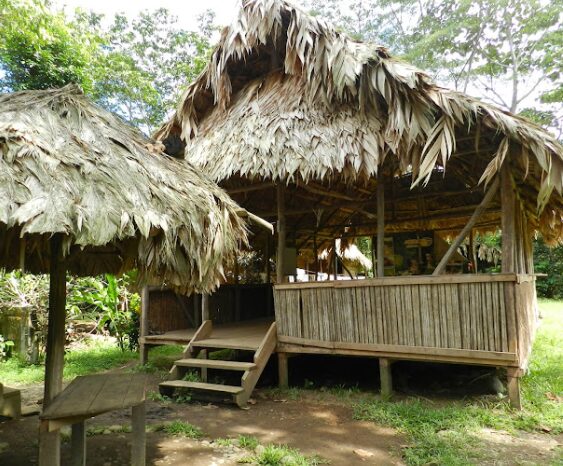
Nestled in Costa Rica's Limón Province along the Caribbean Coast, Bribri is a verdant sanctuary where the forest hums with life. This emerald enclave, home to the indigenous Bribri people, offers a rare glimpse into untouched ecosystems and ancient traditions. Wander beneath towering canopies, where howler monkeys call and rivers carve secrets into the earth—a place where nature and culture intertwine effortlessly.
Faits sur la destination
- Nom officiel: N/A
- Type of Destination: Forest
- Brief Description: A lush, biodiverse forest in Costa Rica's Caribbean lowlands, home to the indigenous Bribri people and rich in flora and fauna.
- Location: Caribbean Coast (Costa Caribe), Limón Province, near the border with Panama.
- Année de création/fondation: N/A
- Governing Body/Management: Indigenous territories under local Bribri governance, with some areas protected by Costa Rican environmental laws.
- Significance/Known For: Cultural and ecological importance as part of the ancestral lands of the Bribri people and a corridor for wildlife in the Talamanca region.
- Size/Area: N/A (varies by specific forested zones within the Bribri territory)
- Population: N/A (though nearby indigenous communities reside in the region)
- Main Attractions/Key Features:
- Indigenous cultural experiences, including guided tours by Bribri community members.
- Rich biodiversity, with sightings of monkeys, toucans, and rare amphibians.
- Proximity to the Gandoca-Manzanillo Wildlife Refuge.
- Best Time to Visit: Dry season (February–April) for easier access, though the forest is verdant year-round.
- Entrance Fee/Ticket Info: Some community-led tours may require fees; check with local guides.
- Operating Hours: N/A (accessible daylight hours, but guided tours may have set schedules)
- Website: N/A (local tourism offices or indigenous cooperatives may provide information)
L'essentiel
- Les meilleurs mois pour visiter : Janvier, février, décembre
Histoire
History of Bribri
Nestled in the lush rainforests of Costa Rica's Limón Province, the Bribri region is a place where nature and indigenous heritage intertwine. This forested area is the ancestral homeland of the Bribri people, one of the country's most resilient and culturally distinct Indigenous groups. For centuries, the Bribri have lived in harmony with the land, preserving their traditions, language, and spiritual connection to the forest. The region's history is deeply tied to their way of life, as well as the broader colonial and modern forces that have shaped Costa Rica's Caribbean coast.
Dates historiques clés
- Pre-Columbian Era: The Bribri people inhabited the region long before European contact, developing a matrilineal society with a profound relationship to the forest, relying on subsistence agriculture, hunting, and sacred cacao rituals.
- 1502: Christopher Columbus arrived on Costa Rica's Caribbean coast, marking the beginning of European influence, though the Bribri resisted full assimilation, retreating deeper into the forest to preserve their autonomy.
- 19th Century: The expansion of banana plantations by foreign companies brought economic changes to Limón, but the Bribri maintained their cultural isolation, safeguarding their traditions.
- 1977: The establishment of the Talamanca Indigenous Reserve recognized Bribri land rights, ensuring legal protection for their territory and way of life.
- 21st Century: Ecotourism and cultural tourism have brought new attention to the Bribri, offering travelers a chance to learn from their sustainable practices and ancient wisdom.
Visites et excursions d'une journée
Indigenous Bribri Cultural Experience
Immerse yourself in the traditions of the Bribri people, one of Costa Rica's most prominent Indigenous groups. This tour often includes a visit to a local community, where travelers can learn about ancestral customs, medicinal plants, and the sacred cacao ceremony. The experience typically lasts half a day and is ideal for those seeking a deeper understanding of Indigenous culture. Suitable for families and culturally curious travelers.
Yorkín River Canoe Adventure
A serene yet adventurous journey along the Yorkín River, accessible from Bribri. Travelers paddle traditional dugout canoes through lush rainforest, often spotting wildlife such as toucans and howler monkeys. The excursion may include a stop at a remote Bribri village, offering a glimpse into riverine life. This full-day trip is perfect for nature lovers and those who appreciate slow, immersive travel.
Refuge de Gandoca-Manzanillo
Just a short drive from Bribri, this protected area is a haven for biodiversity. Guided walks through the refuge reveal pristine beaches, mangrove forests, and nesting sites for sea turtles (seasonal). Birdwatchers will delight in the variety of species, from herons to parrots. The tour usually lasts 4-6 hours and suits eco-conscious travelers and wildlife enthusiasts.
Chocolate Making Workshop
Discover the art of Bribri chocolate, crafted from locally grown cacao. Participants learn the traditional process—from bean to bar—while hearing stories of its cultural significance. The workshop, often held in a family-run finca, includes tastings and hands-on participation. A delightful half-day activity for foodies and families alike.
Sixaola River Border Exploration
A unique day trip to the Sixaola River, which marks the border between Costa Rica and Panama. The rickety wooden bridge and vibrant market on the Panamanian side offer a colorful cross-cultural experience. Tours often include visits to nearby banana plantations, highlighting the region's agricultural heritage. Best suited for adventurous travelers interested in off-the-beaten-path encounters.
Quand visiter
Best Time to Visit Bribri
Répartition saisonnière
Bribri, nestled in the lush forests of Costa Rica's Caribbean Coast, experiences a tropical climate with distinct wet and dry seasons. Unlike the Pacific side of Costa Rica, the Caribbean region, including Limón Province, has its own unique weather patterns influenced by trade winds and microclimates.
Dry Season (February–April & September–October)
The dry season in Bribri is divided into two periods: a shorter dry spell in February–April and another in September–October. Temperatures hover between 25°C and 30°C (77°F–86°F), with lower humidity and sporadic rainfall.
- Pros: Ideal for hiking and wildlife spotting, as trails are less muddy and animals are more active. Fewer mosquitoes.
- Cons: Higher tourist numbers in March–April, coinciding with Easter holidays.
- Events: The Día del Boyero (Oxcart Driver’s Day) in March celebrates Costa Rican traditions, with parades in nearby towns.
Wet Season (May–August & November–January)
Heavy rainfall characterizes these months, particularly in December and May–July. Temperatures remain warm (24°C–28°C / 75°F–82°F), but humidity is high, and downpours are frequent, often in the afternoon.
- Pros: Lush, vibrant foliage and fewer tourists. Lower accommodation prices.
- Cons: Some trails may be impassable due to flooding. Mosquito activity peaks.
- Events: The Fiesta de la Virgen del Mar in July honors the patron saint of fishermen, with boat processions in Limón.
Recommandation générale
For those seeking optimal forest exploration, February–April is ideal, balancing dry trails and manageable crowds. Budget-conscious travelers or those drawn to the rainforest’s verdant intensity may prefer the September–October shoulder season, when rains are lighter. Avoid November and December if heavy rainfall is a concern.
Considérations
Peak tourist seasons (March–April, July–August) see higher prices and busier lodges. The Caribbean Coast’s microclimates mean weather can vary—pack for both sun and rain regardless of the season. Indigenous Bribri communities may have cultural events or closures; inquire locally before visiting.
Ce qu'il faut emporter
What to Pack for Bribri
Bribri, nestled in the lush forests of Costa Rica's Caribbean coast, demands thoughtful preparation for its humid, tropical climate and rugged terrain. Here are the essentials to ensure comfort and practicality during your exploration.
Vêtements et protection
- Lightweight, Quick-Dry Clothing: The humidity is relentless; breathable fabrics will keep you cool and dry.
- Long-Sleeved Shirts & Pants: Protect against insects and dense vegetation while trekking.
- Sturdy Hiking Shoes or Boots: Trails can be muddy and uneven—ankle support is key.
- Waterproof Rain Jacket: Sudden downpours are frequent in this rainforest region.
Gear & Accessories
- High-DEET Insect Repellent: Mosquitoes and other insects thrive here, especially near water.
- Waterproof Dry Bag: Keeps essentials safe during river crossings or heavy rain.
- Headlamp or Flashlight: Electricity can be unreliable in remote areas.
- Reusable Water Bottle with Filter: Stay hydrated with safe drinking water, as tap water may not always be reliable.
Des extras pour plus de confort
- Biodegradable Soap & Shampoo: Respect the delicate ecosystem when bathing in rivers or streams.
- Small First-Aid Kit: Include antiseptic, bandages, and remedies for tropical ailments.
- Spanish Phrasebook or App: While some locals speak English, basic Spanish enhances interactions in this indigenous region.
Culture
The Bribri Indigenous Culture
Bribri, a small town in Costa Rica's Limón Province, is the cultural heart of the Bribri Indigenous Territory, home to one of the country's most intact Indigenous communities. The Bribri people have preserved their language, traditions, and spiritual practices despite external influences. Visitors will notice the prevalence of Bribri language, still spoken fluently among locals, alongside Spanish. The community's deep connection to nature is reflected in their cosmology, where the sibö (creator) and sacred mountains like Cerro Kamuk play central roles.
Traditional Crafts and Artisanal Work
The Bribri are renowned for their intricate woven baskets made from chidra (a local palm fiber), often dyed with natural pigments. These baskets, known as suá, are both utilitarian and ceremonial. Another distinctive craft is the jícara, carved gourds used for drinking cocoa during sacred rituals. Visitors may observe artisans at work in small family workshops or at the Bribri Women's Artisan Cooperative, which supports local craftswomen.
Sacred Cacao Rituals
Unlike the commercialized chocolate experiences found elsewhere, Bribri maintains a spiritual relationship with cacao. The tsirú (cacao ceremony) is a sacred practice led by awá (spiritual healers), where fermented cacao is shared to communicate with ancestors. Visitors invited to participate must approach with respect—photography is often prohibited, and silence is expected during the ritual.
Unique Culinary Traditions
Local cuisine blends Indigenous and Afro-Caribbean influences. A must-try is patí, a spiced meat pastry introduced by Afro-Caribbean settlers, but Bribri adaptations might include wild boar or peccary. Another staple is chicha de maíz, a fermented corn drink traditionally prepared for festivals. Meals are often served on banana leaves, emphasizing the community's sustainable practices.
Festivals and Community Life
The Día del Indígena (April 19th) is a vibrant celebration featuring traditional dances like the Sorbón, performed to the rhythm of handmade drums and maracas. Unlike Costa Rica's larger tourist-centric festivals, Bribri's events are intimate, with storytelling and communal feasts taking precedence over spectacle. Visitors should note that participation is by invitation—outsiders are welcomed but expected to observe quietly unless directly engaged.
Etiquette des visiteurs
- Always ask permission before photographing people or sacred sites.
- Dress modestly when visiting ceremonial spaces—avoid shorts or sleeveless tops.
- Gifts (such as notebooks or seeds) for hosts are appreciated but not obligatory.




