Devils Island
A hauntingly beautiful island off French Guiana, Devils Island is famed for its infamous penal colony ruins, lush tropical scenery, and dramatic history, now a captivating destination for adventure and reflection.
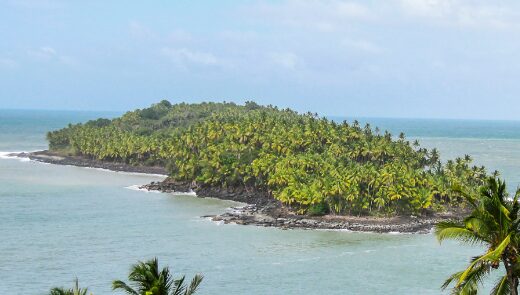
Devils Island, a hauntingly beautiful speck in French Guiana’s Atlantic waters, whispers tales of its infamous penal colony past. Now reclaimed by nature, its lush greenery and rugged cliffs contrast with the eerie remnants of prison ruins. A destination for history buffs and adventurers alike, it offers a rare blend of wild tranquility and poignant human stories, all framed by the sea’s relentless rhythm.
Faits sur la destination
- Official Name: Île du Diable (French)
- Type of Destination: Island
- Brief Description: A small, historically significant island known for its former penal colony and dramatic natural setting in the Atlantic Ocean.
- Location: Off the coast of French Guiana, part of the Îles du Salut archipelago.
- Year Established/Founded: N/A (naturally formed island; penal colony established in 1852)
- Governing Body/Management: Managed by the French government, under the jurisdiction of French Guiana.
- Significance/Known For: Formerly a notorious French penal colony (1852–1953), infamous for its harsh conditions and political prisoners, including Captain Alfred Dreyfus.
- Size/Area: Approximately 34.6 hectares (0.346 km²).
- Population: Uninhabited (former prison staff and inmates long departed).
- Main Attractions/Key Features:
- Ruins of the penal colony, including cell blocks and guard towers.
- Dense tropical vegetation and rugged coastal cliffs.
- Wildlife, including seabirds and marine species.
- Best Time to Visit: Dry season (July to December) for more comfortable exploration.
- Entrance Fee/Ticket Info: Access typically requires a guided boat tour; fees vary by operator.
- Operating Hours: N/A (open for tours during daylight hours; dependent on weather and tour schedules).
- Website: N/A (no prominent official site; local tour operators provide information).
L'essentiel
- Les meilleurs mois pour visiter : Janvier, février, mars, décembre
Histoire
History of Devils Island
Devils Island, the smallest of the three Îles du Salut off the coast of French Guiana, is infamous as part of the penal colony system established by France in the 19th century. Known formally as Île du Diable, its isolated location and treacherous waters made it an ideal site for exiling political prisoners and hardened criminals. The island gained notoriety for its harsh conditions, with many inmates succumbing to disease, malnutrition, or despair. Its most famous prisoner, Captain Alfred Dreyfus, was wrongfully imprisoned here during the eponymous Dreyfus Affair, a scandal that exposed deep-seated antisemitism in France. Today, the abandoned ruins of the penal colony stand as a haunting reminder of its dark past.
Dates historiques clés
- 1852: The French government establishes the penal colony in French Guiana, with Devils Island designated for political prisoners and high-profile detainees.
- 1895: Captain Alfred Dreyfus is wrongfully convicted of treason and exiled to Devils Island, where he endures solitary confinement for four years before his eventual exoneration.
- 1938: The penal colony begins its gradual closure due to international criticism of its brutal conditions and high mortality rate.
- 1953: The last prisoners are transferred from Devils Island, marking the end of its use as a penal facility.
- 1965: The French government opens the islands to tourism, allowing visitors to explore the remnants of the penal colony.
Visites et excursions d'une journée
Popular Tours & Day Trips from Devils Island
1. Île Royale & Île Saint-Joseph Exploration
Just a short boat ride from Devils Island, this tour takes visitors to the neighboring Île Royale and Île Saint-Joseph, part of the infamous Îles du Salut penal colony. Explore the haunting ruins of the prison complex, including the hospital and solitary confinement cells, while learning about the island's dark history. The tour often includes a stop at the lush forests of Île Royale, home to capuchin monkeys and agoutis. Ideal for history enthusiasts and those intrigued by colonial-era penal systems, the excursion typically lasts half a day.
2. Kayaking Around the Îles du Salut
For a more active perspective, this kayaking tour offers a serene yet adventurous way to navigate the waters surrounding Devils Island and its sister islands. Paddle through crystal-clear waters, discovering hidden coves and observing marine life such as sea turtles and tropical fish. The calm currents make this suitable for beginners, though a moderate level of fitness is recommended. The tour usually lasts 2–3 hours and provides a unique vantage point of the islands' rugged coastlines.
3. Kourou Space Center Visit
A day trip to the Guiana Space Centre in Kourou, approximately 60 kilometers from Devils Island, offers a striking contrast to the historical intrigue of the Îles du Salut. Visitors can tour the launch facilities of the European Space Agency, including the Ariane rocket assembly building, and learn about the region's role in modern space exploration. The tour often coincides with scheduled launches, providing a rare opportunity to witness a rocket launch if timed correctly. Suitable for families and science enthusiasts, this excursion requires a full day due to the travel distance.
4. Wildlife Spotting in the Kaw Wetlands
Nature lovers will appreciate this guided boat tour through the Kaw Wetlands, a biodiverse mangrove ecosystem teeming with caimans, herons, and scarlet ibises. Located a few hours by boat from Devils Island, the wetlands offer a tranquil escape into one of French Guiana's most pristine natural habitats. The tour often includes a visit to a traditional Creole fishing village, providing insight into local life. Best suited for birdwatchers and eco-tourists, the excursion lasts around 6–8 hours.
Quand visiter
Best Time to Visit Devils Island
Devils Island, part of the Îles du Salut archipelago in French Guiana, is a destination shaped by its tropical climate and historical intrigue. The island experiences distinct wet and dry seasons, each offering unique advantages for travelers. Below is a detailed breakdown to help you plan your visit.
Répartition saisonnière
Dry Season (July to December)
The dry season, from July to December, is characterized by lower humidity and minimal rainfall. Temperatures typically range from 25°C to 32°C, with steady ocean breezes providing relief. This period is ideal for exploring the island's rugged terrain and historical sites, such as the remnants of the infamous penal colony.
- Pros: Comfortable weather for outdoor activities, fewer mosquitoes, and clearer skies for photography.
- Cons: Higher tourist numbers, particularly in August and December, may lead to limited availability for accommodations.
Wet Season (January to June)
The wet season brings heavy rainfall and higher humidity, with temperatures hovering between 26°C and 34°C. While the island becomes lush and vibrant, frequent downpours can disrupt travel plans.
- Pros: Fewer visitors, lower prices, and the island's flora in full bloom.
- Cons: Muddy trails, increased mosquito activity, and occasional boat cancellations due to rough seas.
Local Events and Considerations
French Guiana celebrates Carnival in February or March, a lively event that may influence travel plans. While Devils Island itself is quiet, nearby Cayenne buzzes with parades and festivities. Note that some services may be limited during this time.
Recommandation générale
The best time to visit Devils Island is during the dry season, particularly from September to November, when the weather is most favorable and crowds are manageable. For those seeking solitude and lower costs, the early wet season (January to March) offers a different, albeit rainier, experience.
Additional Considerations
Peak tourist seasons (July-August and December) often see higher prices for flights and accommodations. If visiting during these months, booking in advance is advisable. Conversely, the wet season may offer discounts but requires flexibility due to unpredictable weather.
Ce qu'il faut emporter
What to Pack for Devils Island
Devils Island, part of French Guiana's Îles du Salut, is a remote tropical destination with a storied history and rugged terrain. Packing thoughtfully will ensure comfort and preparedness for its humid climate, dense vegetation, and maritime conditions.
Vêtements et protection
- Lightweight, long-sleeved clothing: Protects against intense sun and insects while exploring the island’s trails and ruins.
- Quick-dry fabrics: Essential for the humid climate and occasional rain showers.
- Sturdy, closed-toe shoes: Uneven terrain and rocky paths demand supportive footwear.
- Wide-brimmed hat & UV-blocking sunglasses: Shields against the equatorial sun.
Essentiels pour l'extérieur
- High-SPF, reef-safe sunscreen: The tropical sun is relentless, and marine ecosystems are fragile.
- Insect repellent with DEET: Mosquitoes are prevalent, especially near dense foliage.
- Compact rain jacket or poncho: Sudden tropical downpours are common.
- Reusable water bottle: Hydration is critical in the heat; potable water may be limited.
Extras pratiques
- Waterproof dry bag: Keeps essentials safe during boat transfers or unexpected rain.
- Binoculars: Useful for spotting wildlife or viewing distant landmarks.
- Basic first-aid kit: Include antiseptic, bandages, and remedies for bites or stings.
Culture
A Legacy of Penal Colony History
Devils Island, or Île du Diable, is indelibly marked by its past as part of the infamous French penal colony system. The island's cultural identity is shaped by its role as a place of exile and suffering, particularly for political prisoners like Alfred Dreyfus. The remnants of prison buildings, solitary confinement cells, and rusted infrastructure serve as silent witnesses to this dark chapter. Visitors will find that the island’s atmosphere is steeped in this history, with local guides often recounting harrowing tales of survival and escape attempts.
Indigenous and Creole Influences
While the island itself was uninhabited before its use as a penal colony, the surrounding region of French Guiana is home to Maroon and Amerindian communities. Their cultural influence is subtle but present in the oral histories and folklore that have been woven into the island’s narrative. The Creole language, spoken by many in French Guiana, occasionally surfaces in place names and local interpretations of the island’s past.
Unique Flora and Fauna Lore
The dense tropical vegetation and wildlife of Devils Island have inspired local legends. Stories of how prisoners interacted with—or feared—the island’s creatures, such as the venomous fer-de-lance snake or the relentless mosquitoes, are part of its cultural fabric. The island’s isolation and harsh environment are often personified in these tales, reflecting a blend of historical fact and myth.
Modern-Day Pilgrimage and Reflection
Today, Devils Island attracts visitors seeking to understand its grim history rather than traditional cultural tourism. The site has become a place of reflection, with many travelers drawn to its eerie tranquility. The absence of modern development preserves its raw, untamed character, allowing visitors to engage with its past in an unfiltered way.
Etiquette des visiteurs
- Respect the solemnity of the site; loud or disruptive behavior is considered inappropriate.
- Follow guided tour protocols, as much of the island’s history is conveyed through expert narration.
- Avoid removing or disturbing any artifacts, as the island is a protected historical site.




