Rucu Pichincha
A must-visit peak in Pichincha Province, Rucu Pichincha offers breathtaking views of Quito and the Andes. Its accessible trail and high-altitude adventure make it a favorite for hikers and nature lovers.
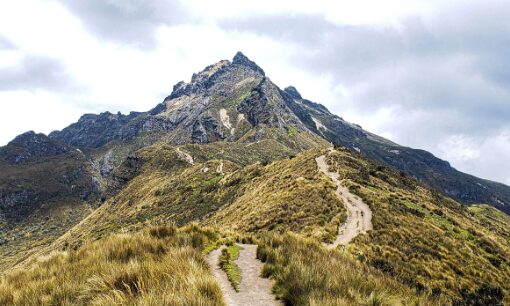
Rising above Quito like a sentinel, Rucu Pichincha is a dormant volcano that offers intrepid travelers a rare communion with the Andean highlands. Its accessible trails wind through páramo grasslands, leading to a summit where Quito unfolds beneath clouds. More than a hike, it’s an encounter with Ecuador’s volcanic soul—raw, majestic, and humbling in its quiet dominance over the city below.
Faits sur la destination
- Official Name: Rucu Pichincha (no formal alternative)
- Type of Destination: Volcano
- Brief Description: An active stratovolcano offering a challenging yet rewarding hike with panoramic views of Quito and the Andean highlands.
- Location: Northwestern edge of Quito, within the Pichincha Province, Ecuadorian Highlands (La Sierra).
- Year Established/Founded: N/A (natural formation)
- Governing Body/Management: Managed by the Ministry of Environment of Ecuador, as part of the surrounding protected areas.
- Significance/Known For: One of the closest active volcanoes to a capital city (Quito), with a prominent role in local indigenous cosmology.
- Size/Area: N/A (individual peak elevation: 4,696 meters / 15,407 feet)
- Population: N/A
- Main Attractions/Key Features:
- The summit hike, accessible via the TelefériQo gondola, with dramatic crater views.
- Proximity to Quito, allowing for a unique urban-to-wilderness transition.
- High-altitude páramo ecosystem with endemic flora.
- Best Time to Visit: Dry season (June–September) for clearer skies and safer trails.
- Entrance Fee/Ticket Info: Free access to trails; TelefériQo gondola requires a ticket (check official website for current rates).
- Operating Hours: Trails accessible daylight hours; TelefériQo operates 9:00 AM–5:30 PM (varies seasonally).
- Website: TelefériQo Official Site (for gondola access)
L'essentiel
- Mois les plus propices à la visite : Janvier, février, novembre, décembre
Histoire
A Volcano of Fire and Legend
Rucu Pichincha, one of Ecuador's most iconic volcanoes, rises dramatically above Quito, its slopes whispering tales of geological tumult and human reverence. Part of the Pichincha volcanic complex, its name derives from the Kichwa words "rucu" (old) and "pichincha" (possibly meaning "mountain of abundance"), reflecting its ancient presence in the Andean landscape. Formed over millennia by successive eruptions, its twin peaks—Rucu and Guagua Pichincha—have shaped the region's topography and culture. For the pre-Columbian Quitu-Cara people, it was a sacred entity, a belief later echoed by the Incas. The volcano's eruptions have periodically reminded Quito of its fiery power, while its slopes have served as a silent witness to the city's evolution.
Dates historiques clés
- 1660: A catastrophic eruption buried parts of western Quito under ash and lava, leaving a lasting mark on the city's collective memory. This event spurred the construction of protective religious monuments, such as the Basilica del Voto Nacional.
- 1868: Guagua Pichincha, Rucu's active neighbor, erupted violently, causing widespread panic in Quito. Though Rucu remained dormant, the event underscored the volcanic threat looming over the capital.
- 1999: Guagua Pichincha's renewed activity forced evacuations and ashfall in Quito, a stark reminder of the region's volatility. Rucu, long considered extinct, remained quiet but drew renewed scientific interest.
- 2002: The TelefériQo cable car opened, transforming Rucu Pichincha into an accessible hiking destination. Its slopes, once the domain of shepherds and adventurers, became a playground for Quito's urbanites and intrepid travelers.
Geological Legacy
Rucu Pichincha's geological history is etched in its rugged terrain. Formed by the subduction of the Nazca Plate beneath the South American Plate, its andesitic composition speaks to millennia of explosive activity. Though now dormant, its eroded crater and sweeping vistas offer a window into the forces that shaped the Ecuadorian Andes. The volcano's proximity to Quito—a rarity among world capitals—creates a striking juxtaposition of urban life and untamed nature.
Visites et excursions d'une journée
Summit Ascent of Rucu Pichincha
For those seeking a challenging yet rewarding adventure, the hike to the summit of Rucu Pichincha is a must. The trail begins at the TelefériQo station in Quito, ascending through páramo landscapes to reach the volcanic peak at 4,696 meters. The journey takes approximately 4–6 hours round-trip, offering panoramic views of Quito and the surrounding Andes. Ideal for adventure seekers and experienced hikers, this excursion requires acclimatization due to the high altitude.
TelefériQo & Vulqano Park
A more leisurely alternative, the TelefériQo cable car whisks visitors from Quito to Cruz Loma, a vantage point near Rucu Pichincha. From here, one can enjoy shorter hikes or visit Vulqano Park, an amusement area with zip-lining and horseback riding. The ride itself provides stunning vistas of the city and valleys below. Suitable for families and those preferring minimal physical exertion, this half-day trip is easily accessible from Quito.
Pululahua Geobotanical Reserve
Just a short drive from Rucu Pichincha lies the Pululahua Geobotanical Reserve, one of the few inhabited volcanic craters in the world. Visitors can explore its fertile farmland, hike through cloud forests, or simply admire the unique geological formations. The reserve is a haven for nature lovers and photographers, with trails ranging from easy walks to more demanding treks. The excursion typically lasts 3–4 hours, making it an ideal complement to a morning summit hike.
Old Town Quito Cultural Tour
After immersing in the natural beauty of Rucu Pichincha, a day trip to Quito's Old Town offers a cultural counterpoint. A guided walk through its UNESCO-listed streets reveals Baroque churches, colonial plazas, and vibrant markets. Highlights include the gold-adorned La Compañía and the panoramic views from El Panecillo. This tour, lasting 4–5 hours, appeals to history buffs and those intrigued by Ecuador's colonial heritage.
Quand visiter
Best Time to Visit Rucu Pichincha
Rucu Pichincha, a striking volcano in Ecuador's highlands, offers a dynamic experience shaped by its elevation and equatorial climate. Unlike traditional seasons, its weather is defined by dry and wet periods, with temperature shifts influenced by altitude rather than the calendar. Below, a nuanced guide to help you choose the ideal time for your ascent.
Dry Season (June–September)
Clear skies and cooler temperatures dominate these months, making it the most favorable window for hiking. Mornings are crisp (5–10°C at the summit), warming slightly by midday. Rain is rare, ensuring unobstructed views of Quito and the surrounding Andes.
- Pros: Optimal trail conditions, minimal cloud cover, and safer ascents.
- Cons: Higher visitor numbers, especially on weekends; early mornings are coldest.
- Note: The Fiestas de Quito (early December) occasionally spill into late June, bringing cultural vibrancy but also crowds.
Wet Season (October–May)
Frequent afternoon showers and misty conditions prevail, with temperatures ranging from 8–15°C at lower elevations. The summit often disappears into clouds by midday. January–March sees the heaviest rainfall.
- Pros: Lush greenery, fewer tourists, and a mystical atmosphere.
- Cons: Slippery trails, limited visibility, and potential route closures due to weather.
- Note: Semana Santa (Holy Week, March/April) draws local pilgrims, adding cultural intrigue but also congestion.
Shoulder Months (May & October)
Transitional periods offering a balance. May tends to be drier, while October marks the onset of rains. Mornings are often clear, with afternoon showers becoming more frequent toward late October.
- Pros: Moderate crowds, lower accommodation prices, and fleeting moments of ideal weather.
- Cons: Unpredictable conditions—pack for both sun and rain.
Recommandation générale
For hiking and summit views, prioritize June–September. Adventurers seeking solitude and don’t mind rain should consider November or April, though flexibility is key. Avoid weekends and holidays if crowds deter you.
Considérations
Peak season (dry months) sees higher prices in Quito, while wet season discounts may apply. The TelefériQo gondola, which accesses the trailhead, operates year-round but may close temporarily during storms. Always check conditions with local guides before ascending.
Ce qu'il faut emporter
What to Pack for Rucu Pichincha
Rucu Pichincha, a volcanic peak in Ecuador's highlands, demands thoughtful preparation for its variable weather, high altitude, and rugged terrain. Here are the essentials to ensure comfort and safety.
Clothing & Footwear
- Layered Clothing: Mornings are chilly, afternoons can warm slightly, and winds are unpredictable. A moisture-wicking base layer, insulating mid-layer, and windproof outer shell are ideal.
- Sturdy Hiking Boots: The trail is rocky and uneven; ankle support and grip are essential to navigate loose volcanic scree.
- Warm Hat & Gloves: Temperatures drop sharply at higher elevations, even during the day.
Gear & Accessories
- Trekking Poles: Helpful for balance on steep ascents and descents, especially on unstable terrain.
- High-Altitude Sun Protection: UV rays intensify at elevation. Pack sunglasses (polarized), SPF 50+ sunscreen, and a wide-brimmed hat.
- Hydration System: A reusable water bottle or hydration bladder—altitude can cause dehydration quickly.
Extras for Safety & Comfort
- Small Backpack (20-30L): To carry layers, snacks, and essentials without weighing you down.
- Altitude Medication (Optional): If prone to altitude sickness, consider Diamox or coca leaves, commonly used in the Andes.
- Headlamp: Useful if starting early or descending late; daylight hours can be unpredictable.
Culture
Indigenous Roots and Mountain Reverence
Rucu Pichincha, one of the twin peaks of the Pichincha volcano, holds deep spiritual significance for the Kichwa communities of the region. Unlike its more commercialized neighbor, Guagua Pichincha, Rucu remains a sacred space where traditional pagos (offerings) to Pachamama (Mother Earth) are still performed by local shamans. Visitors may encounter small stone altars adorned with flowers, coca leaves, or burnt offerings along the trails—a quiet testament to enduring Andean cosmovision.
Highland Hiking Culture
The ascent to Rucu Pichincha’s summit (4,696m) is a rite of passage for Quiteños, blending outdoor adventure with social ritual. On weekends, the Teleférico station buzzes with families and amateur mountaineers sharing canelazo (spiced sugarcane alcohol) from thermoses—a local tradition to ward off the cold. Note how hikers greet each other with a reserved but warm "Buen camino", reflecting the unpretentious solidarity of highland explorers.
Trail Etiquette
- Yield to descending hikers—this unwritten rule stems from the belief that those completing their journey deserve right of way.
- Respect the chagras (Andean cowboys) who occasionally drive livestock along lower slopes.
Culinary Microclimate
The volcanic soil surrounding Rucu Pichincha yields unique potato varieties like chaucha and papa chola, which feature in nearby farmstead kitchens. After the hike, seek out hornado de Cotopaxi—not the typical Quiteño version, but a wood-fired pork dish slow-cooked with mountain herbs by vendors near Lloa village.
Soundscape of the Slopes
Listen for the randinpampa—a traditional Andean flute melody played by shepherds—that occasionally drifts across the páramo. Unlike the polished performances in Quito’s plazas, these improvisations follow the irregular rhythms of wind and wildlife.
Festival of the First Snow
When the first chawpi urku (mid-mountain snow) dusts Rucu Pichincha in June-January, Lloa villagers celebrate with a quiet procession bearing woven banners. This hyperlocal tradition, distinct from Inti Raymi, marks the mountain’s seasonal transformation with chicha libations and whispered prayers in the nearly extinct Kichwa of Pichincha dialect.




