Ulgii
A gateway to Mongolia's Altai Mountains, Ölgii is a vibrant Kazakh cultural hub known for its golden eagle festivals, rugged landscapes, and traditional yurt stays amid pristine wilderness.
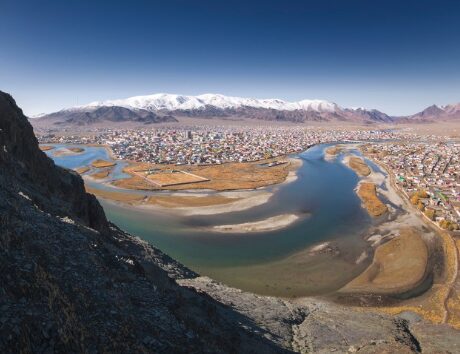
Nestled in Mongolia's rugged Altai Mountains, Ulgii is a gateway to the country's Kazakh culture, where eagle hunters still roam and vibrant traditions thrive. This remote city, the heart of Bayan-Ölgii Province, offers a rare glimpse into nomadic life, with its bustling bazaars, felt-lined gers, and the haunting strains of throat singing echoing across the steppe.
Faits sur la destination
- Official Name: Ölgii (alternative spelling)
- Type de destination: Ville
- Brief Description: A gateway to Mongolia's Kazakh culture, Ulgii is a rugged yet vibrant city surrounded by the Altai Mountains, known for its eagle hunters and traditional craftsmanship.
- Location: Western Mongolia, in the Bayan-Ölgii Province, near the borders of Russia and China.
- Année de création/fondation: N/A
- Governing Body/Management: Municipal government of Bayan-Ölgii Province
- Significance/Known For: The heart of Mongolia's Kazakh minority, celebrated for its annual Golden Eagle Festival and distinct Central Asian influences.
- Size/Area: N/A
- Population: Approximately 30,000 (as of recent estimates)
- Main Attractions/Key Features:
- Golden Eagle Festival (October)
- Local bazaars showcasing Kazakh embroidery and feltwork
- Proximity to Altai Tavan Bogd National Park
- Best Time to Visit: Late summer to early autumn (July–September) for milder weather, or October for the Golden Eagle Festival.
- Entrance Fee/Ticket Info: Free to explore the city; festival tickets may apply.
- Operating Hours: N/A
- Website: N/A (No prominent official tourism site)
L'essentiel
- Best Months to Visit: May, June, July, August
Histoire
History of Ulgii
Nestled in the far western reaches of Mongolia, Ulgii (also spelled Ölgii) is the capital of Bayan-Ölgii Province and a cultural crossroads where Kazakh traditions blend with Mongolian heritage. Founded in the early 20th century as a regional administrative center, the city grew under Soviet influence, becoming a hub for the predominantly Kazakh population of the region. Its history is marked by migration, trade, and the enduring legacy of the Kazakh eagle hunters, whose traditions date back centuries.
Ulgii's strategic location near the borders of Russia and China has shaped its development, fostering a unique identity distinct from the rest of Mongolia. The city remains a gateway to the Altai Mountains, where ancient petroglyphs and nomadic customs endure. Today, it is a vibrant center of Kazakh culture, celebrated for its festivals, crafts, and the warm hospitality of its people.
Dates historiques clés
- 1923: Ulgii was officially established as the administrative center of Bayan-Ölgii Province, reflecting Soviet efforts to organize Mongolia's western regions.
- 1940s: The city saw an influx of Kazakh families fleeing political turmoil in Xinjiang, China, further solidifying its Kazakh cultural character.
- 1990s: Following Mongolia's democratic transition, Ulgii became a focal point for preserving Kazakh traditions, including the revival of eagle hunting festivals.
- 2010s: Improved infrastructure and tourism brought global attention to Ulgii, highlighting its unique blend of Mongolian and Kazakh heritage.
Visites et excursions d'une journée
Golden Eagle Festival Experience
Immerse yourself in the ancient tradition of Kazakh eagle hunting at the Golden Eagle Festival, held annually in October. This two-day event showcases the remarkable bond between hunters and their golden eagles, featuring thrilling competitions like eagle calling and horseback races. The festival is a vivid celebration of Kazakh culture, with participants adorned in traditional costumes. Ideal for cultural enthusiasts and photographers, it offers a rare glimpse into a nomadic heritage preserved for centuries.
Altai Tavan Bogd National Park Trek
Embark on a full-day or multi-day excursion to Altai Tavan Bogd National Park, a rugged paradise approximately 100 kilometers from Ulgii. The park is home to Mongolia’s highest peaks, glacial lakes, and the majestic Potanin Glacier. Visitors can hike to the base of Mount Khüiten or explore ancient petroglyphs at Tsagaan Salaa. This tour is tailored for adventure seekers and nature lovers, with opportunities for horseback riding or camping under the stars.
Kazakh Homestay & Felt Workshop
Discover the warmth of Kazakh hospitality with a day trip to a local family’s ger (yurt) near Ulgii. Participate in a felt-making workshop, where you’ll learn the intricate process of crafting traditional textiles used for rugs and clothing. The experience includes sharing a meal of beshbarmak (a Kazakh noodle dish) and listening to stories about nomadic life. Perfect for families and those interested in hands-on cultural activities, this excursion offers an intimate connection to local traditions.
Day Trip to Tolbo Lake
Just a two-hour drive from Ulgii, Tolbo Lake is a serene alpine destination surrounded by snow-capped mountains. The lake’s crystal-clear waters are ideal for picnics, fishing, or simply soaking in the tranquility. Birdwatchers will appreciate the diverse avian species, while history buffs can visit nearby Soviet-era memorials. A leisurely escape for those seeking calm and natural beauty.
Ulgii City Walking Tour
Explore the heart of Bayan-Ölgii Province with a guided stroll through Ulgii. The tour highlights the city’s bustling bazaar, where you can find Kazakh handicrafts and local delicacies, as well as the modest but fascinating regional museum. The walk provides insight into the unique blend of Mongolian and Kazakh influences that define this remote outpost. Suitable for all travelers, it’s a gentle introduction to the region’s cultural mosaic.
Quand visiter
Best Time to Visit Ulgii
Ulgii, the capital of Bayan-Ölgii Province in western Mongolia, offers a distinctly nomadic experience with its rugged landscapes and rich Kazakh culture. The city's high-altitude location and continental climate create stark seasonal contrasts, making timing essential for an enjoyable visit.
Répartition saisonnière
Spring (April–May)
Spring arrives late in Ulgii, with lingering cold and occasional snowfall in April. By May, temperatures rise to 5–15°C (41–59°F), though nights remain chilly. The thawing snow reveals green pastures, ideal for witnessing the revival of nomadic life.
- Pros: Few tourists, vibrant local festivals like Nauryz (Kazakh New Year in late March), and the return of migratory birds.
- Cons: Unpredictable weather, muddy roads, and some attractions may still be closed.
Été (juin-août)
Summer is the most popular season, with mild temperatures (10–25°C / 50–77°F) and long daylight hours. Rainfall is minimal, but occasional thunderstorms occur. The Eagle Festival in early October is a highlight, though summer offers prime conditions for trekking and eagle hunting demonstrations.
- Pros: Ideal for outdoor activities, cultural immersion, and attending local Naadam games (July).
- Cons: Higher tourist numbers and slightly elevated accommodation prices.
Autumn (September–October)
Autumn brings crisp air and golden landscapes, with temperatures dropping to 0–15°C (32–59°F). The famous Golden Eagle Festival in early October draws international visitors, celebrating Kazakh traditions.
- Pros: Stunning scenery, fewer crowds post-festival, and pleasant hiking conditions.
- Cons: Nights grow colder, and some services may wind down by late October.
Winter (November–March)
Winter is harsh, with temperatures plunging to -20°C (-4°F) or lower and heavy snowfall. While challenging, it offers a unique glimpse into nomadic resilience.
- Pros: Authentic winter culture, snow-covered landscapes, and minimal tourism.
- Cons: Limited transportation, frozen roads, and many guesthouses close.
Recommandation générale
For most travelers, June–August is optimal, balancing pleasant weather and cultural events. Adventurous souls may prefer September–October for the Eagle Festival and autumn hues, while winter appeals to those seeking solitude and raw authenticity.
Considérations
Peak season (summer) sees higher prices and busier flights, while shoulder seasons (spring and autumn) offer quieter alternatives. Winter travel requires careful planning due to limited infrastructure.
Ce qu'il faut emporter
Essentials for Ulgii’s Climate
Ulgii, nestled in Mongolia’s Bayan-Ölgii Province, experiences a harsh continental climate—bitterly cold winters and warm but short summers. Layering is key, even in summer, as temperatures can drop sharply in the evenings.
- Insulated Jacket: A windproof, down-filled or synthetic jacket is indispensable, especially outside summer months.
- Thermal Base Layers: Merino wool or synthetic fabrics to retain warmth without bulk.
- Sturdy Boots: Waterproof, insulated footwear for navigating uneven city streets and occasional snow or mud.
- Wide-Brimmed Hat & Sunglasses: High-altitude sun exposure is intense, even in cooler seasons.
Practical City Exploration
Ulgii is a gateway to the Altai Mountains, but its urban center demands practicality for walking and cultural visits.
- Compact Daypack: For carrying essentials like water, snacks, and layers during day trips or market visits.
- Cash in Small Denominations: Credit cards are rarely accepted outside hotels; carry Mongolian tögrög for local transactions.
- Portable Power Bank: Electricity can be unreliable, and outlets may not always match your plugs (Type C/E).
Considérations culturelles
Ulgii is predominantly Kazakh, with a strong nomadic heritage. Respectful attire and small gestures matter.
- Modest Clothing: Opt for covered shoulders and knees when visiting mosques or local homes.
- Small Gifts: Pack lightweight items like tea or sweets—a thoughtful gesture if invited into a local’s home.
- Phrasebook or Translation App: Kazakh and Mongolian are widely spoken; English is limited.
Culture
The Kazakh Heart of Mongolia
Ulgii, the capital of Bayan-Ölgii Province, is a cultural anomaly in Mongolia—a predominantly Kazakh enclave where the rhythms of Central Asia pulse through the steppe. Unlike the rest of Mongolia, where the dominant culture is Khalkh Mongolian, Ulgii is shaped by its Kazakh majority, who maintain traditions distinct from their Mongolian neighbors. The town serves as a gateway to the Altai Mountains, but its true allure lies in its vibrant fusion of nomadic heritage and Kazakh identity.
Language & Identity
While Mongolian is the official language, Kazakh is the lingua franca here, spoken with a distinct dialect influenced by centuries of isolation from Kazakhstan. Russian phrases often pepper conversations, a remnant of Soviet-era ties. Street signs are bilingual, but the cadence of daily life—market banter, eagle hunter tales, and the call to prayer from the town’s mosques—is unmistakably Kazakh.
Notable Nuances:
- Greetings often include "Sälemetsiz be?" (Kazakh for "How are you?"), with handshakes followed by a hand-to-heart gesture.
- Elder respect is paramount; interrupting an older person is considered deeply rude.
Eagle Hunting & Artisan Craft
Ulgii is the epicenter of Mongolia’s Kazakh eagle-hunting tradition, a practice passed down through generations. The annual Golden Eagle Festival (held in early October) draws hunters from across the province, showcasing not just falconry but also traditional games like kokpar (a brutal horseback tug-of-war over a goat carcass). Local artisans craft intricate shyrdaks (felt carpets) and eagle-hunting gear, often using motifs from Kazakh folklore.
Where to Witness:
- The Ulgii Market sells handmade saddles and embroidered textiles, often bartered rather than priced.
- Eagle hunters gather at Sagsai village, 30 km west, where visitors may be invited to share fermented mare’s milk (kumys) and hear tales of the hunt.
Cuisine: A Nomadic Table
Ulgii’s cuisine diverges sharply from Mongolian staples like buuz (dumplings). Here, meals revolve around Kazakh dishes such as beshbarmak (boiled meat with noodles, served on communal platters) and kazy (cured horse sausage). Tea is brewed strong with milk and salt, a Central Asian custom, and sweets like baursak (fried dough) accompany hospitality rituals.
Dining Etiquette:
- Guests are expected to accept at least a taste of every dish offered.
- Leaving a small amount of food signals satiety; finishing everything may prompt more servings.
Faith & Festivals
Islam is the dominant faith, though practiced with a relaxed, syncretic openness unique to nomadic Kazakhs. The Oraza Ait (Eid al-Fitr) and Kurban Ait (Eid al-Adha) are celebrated with communal meals and horse races, blending Islamic tradition with nomadic festivity. The Nauryz spring festival (March 21) features poetry recitals and wrestling, a nod to both Persian and Turkic roots.
Music & Oral Tradition
Ulgii’s soundscape is defined by the dombra (a two-stringed lute) and throaty Kazakh aitys (improvised lyrical duels). The Ulgii Theater occasionally hosts performances of zhyrau (epic poetry), where bards recount centuries-old sagas of heroes and migrations—a fading art kept alive by local enthusiasts.




