Guide sur les vaccins et la santé pour voyager au Brésil
Obtenez des conseils essentiels sur les vaccins et la santé pour voyager en toute sécurité et en bonne santé au Brésil.
Introduction
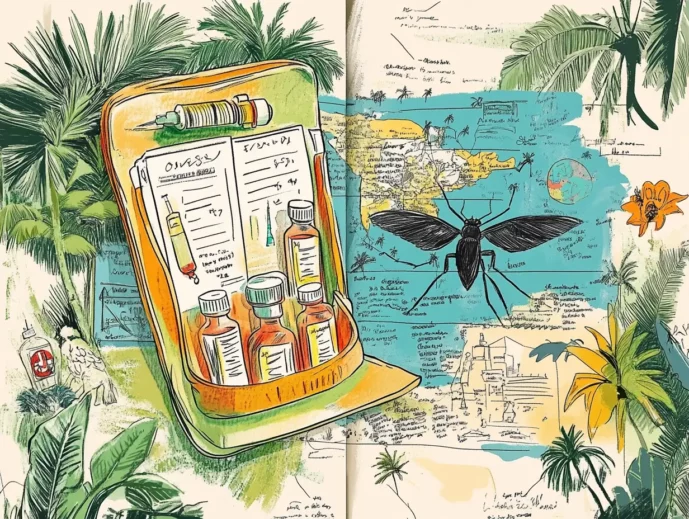
Traveling to Brazil can be an unforgettable experience, filled with vibrant culture, stunning landscapes, and mouth-watering cuisine. However, ensuring your health and safety should be a priority. Here’s a comprehensive guide to vaccines, health precautions, and other essentials to keep you in tip-top shape while exploring this South American gem.
Vaccins obligatoires
Fièvre jaune
Yellow Fever vaccination is crucial for travelers heading to Brazil, especially if you plan to visit rural areas or the Amazon rainforest. A single shot provides lifelong protection, and some regions require proof of vaccination.
Hépatite A et B
Hepatitis A is spread through contaminated food and water. Ensure you receive this vaccine, as Brazil’s street food is too tempting to miss. Hepatitis B spreads through blood and bodily fluids, so it’s wise to get vaccinated if you anticipate any medical procedures or intimate contact.
Fièvre typhoïde
Typhoid fever can be contracted from contaminated food or water. A vaccine is recommended, particularly if you plan to stay with local families or venture off the beaten path.
Rougeole, oreillons, rubéole (ROR)
Outbreaks of Measles, Mumps, and Rubella still occur worldwide. Ensure your MMR vaccination is up to date to avoid any unpleasant surprises.
COVID-19
COVID-19 vaccination is a must for international travel. Check the latest regulations, as proof of vaccination might be required for entry.
Vaccins recommandés
Rage
Rabies is present in Brazil, especially in rural areas where you might encounter wild animals or stray dogs. Vaccination is recommended if you plan on extensive outdoor activities.
Grippe
Flu season in Brazil is year-round. An Influenza vaccine can help you avoid the misery of catching the flu during your trip.
Tétanos
Tetanus is a risk for any traveler. Ensure your tetanus shot is up to date, especially if you plan to engage in adventurous activities that might result in cuts or wounds.
Précautions sanitaires
Paludisme
Malaria is a risk in certain areas of Brazil, particularly in the Amazon region. Use antimalarial medication and employ preventive measures like bed nets and insect repellent.
Dengue
Dengue Fever is transmitted by mosquitoes. There’s no vaccine, so focus on avoiding bites by using repellent, wearing long sleeves, and staying in accommodation with good mosquito control.
Virus Zika
Zika Virus is another mosquito-borne illness with serious implications, particularly for pregnant women. Take strict measures to prevent mosquito bites.
Sécurité de l'eau
Tap water in Brazil isn’t always safe to drink. Stick to bottled or filtered water and avoid ice cubes unless you’re sure of their origin.
Sécurité alimentaire
La cuisine de rue brésilienne est délicieuse mais comporte des risques. Optez pour des plats fraîchement cuisinés, évitez les aliments crus ou insuffisamment cuits et lavez-vous toujours les mains avant de manger.
L'essentiel de l'emballage
Trousse de premiers secours
A well-stocked first aid kit is essential. Include basics like band-aids, antiseptic wipes, tweezers, pain relievers, and any personal medications.
Médicaments sur ordonnance
Bring enough prescription medications to last your trip, along with a copy of your prescription in case you need a refill.
Répulsif à insectes
Insect repellent with DEET or Picaridin is a must. Apply regularly to keep those pesky mosquitoes at bay.
Crème solaire
Brazil’s sun can be harsh. Pack a high-SPF sunscreen to protect your skin from harmful UV rays.
Assurance maladie
Importance de la couverture
Travel health insurance is non-negotiable. Medical care can be costly, and having insurance ensures you get the treatment you need without the financial burden.
Choix d'un régime
Select a plan that covers emergency evacuation, hospital stays, and other potential health issues. Read the fine print to understand what is and isn’t covered.
Soins de santé locaux
Hôpitaux
Brazil’s major cities have modern hospitals with high standards of care. In rural areas, facilities may be more basic.
Cliniques
Clinics are widely available and can handle minor health issues. Seek out recommendations from locals or fellow travelers.
Pharmacies
Pharmacies are plentiful, especially in urban areas. Pharmacists can provide over-the-counter meds and advice for minor ailments.
Contacts en cas d'urgence
- Brazil’s emergency number: 190 for police, 192 for medical emergencies, and 193 for fire.
- Conservez une liste des numéros de téléphone de votre ambassade ou de votre consulat.
Conclusion
Traveling to Brazil is an adventure filled with beauty and excitement. By staying up to date with your vaccines, taking necessary health precautions, and packing smart, you can focus on enjoying your trip to the fullest. Safe travels, and don’t forget to pack your sense of humor—after all, nothing beats a good laugh, even in the most unexpected moments!




