Rupununi et Savanes du Sud
Venture into Guyana's wild heart, where the Rupununi and Southern Savannahs stretch endlessly—a land of golden grasslands, pristine rivers, and indigenous culture. Here, jaguars prowl, giant anteaters amble, and cowboy-like vaqueros herd cattle across vast plains. Immerse in Amerindian traditions, explore remote rainforests, and witness breathtaking sunsets over untouched landscapes. Adventure and authenticity await in this untamed frontier.
L'essentiel
- Les meilleurs mois pour visiter : Janvier, février, décembre
zone Faits
- Geographical Location: Vast savannah region in southwestern Guyana, bordering Brazil and Venezuela.
- Main City/Town: Lethem (administrative and commercial hub).
- Approximate Area: ~15,000 sq km (savannahs and wetlands).
- Key Geographical Features: Rupununi River, Kanuku Mountains, Iwokrama Rainforest fringe, vast open grasslands.
- Dominant Climate Type: Tropical savannah (distinct wet/dry seasons; hotter/drier than coastal Guyana).
- Population: ~20,000 (sparsely populated; Indigenous Wapichan, Macushi, and Wai-Wai communities dominate).
- Main Economic Activities: Cattle ranching, subsistence farming, eco-tourism, wildlife research.
- Common Languages/Dialects Spoken: English (official), Indigenous languages (Wapichan, Macushi), Guyanese Creole.
- Best Time to Visit: Dry season (September–April) for wildlife spotting and easier travel.
- Unique Selling Points:
- One of the last untouched savannah ecosystems, home to jaguars, giant anteaters, and 500+ bird species.
- Indigenous cultural experiences (crafts, storytelling, traditional ranching).
Destinations principales


Pakaraima Mountains
A hidden gem in Guyana, the Pakaraima Mountains boast breathtaking…
Lire la suite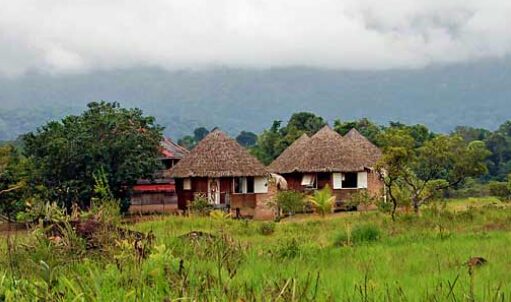
Aucune attraction connexe n'a été trouvée pour cette zone.
Visites et excursions d'une journée
Kaieteur Falls & Orinduik Falls Adventure
Experience the breathtaking power of Kaieteur Falls, one of the world's tallest single-drop waterfalls, followed by the serene beauty of Orinduik Falls on the Ireng River. This full-day tour often includes a scenic flight over the rainforest, offering unparalleled views of Guyana's untouched wilderness. Perfect for nature lovers and adventure seekers, the trip typically lasts 8–10 hours, with opportunities for swimming in Orinduik's natural jacuzzis.
Iwokrama Rainforest & Canopy Walkway
Immerse yourself in the heart of the Iwokrama Rainforest, home to rare wildlife like jaguars, giant otters, and harpy eagles. The highlight is the 154-meter-long canopy walkway, suspended 30 meters above the forest floor, providing a bird's-eye view of the ecosystem. Ideal for eco-tourists and families, this day trip includes guided hikes and river excursions, lasting around 6–8 hours from nearby lodges.
Rupununi Savannah Wildlife Safari
Discover the vast, open landscapes of the Rupununi Savannahs on a wildlife safari, where you can spot capybaras, giant anteaters, and over 500 bird species. Tours often include visits to working cattle ranches, offering a glimpse into the region's cowboy culture. Best suited for wildlife enthusiasts and photographers, this excursion typically runs 4–6 hours, with options for sunset tours.
Surama Village Cultural Experience
Step into the life of the Makushi people in Surama Village, where you'll learn traditional crafts, participate in cassava bread-making, and enjoy storytelling around a campfire. This immersive cultural tour includes a guided forest walk to identify medicinal plants. A must for cultural travelers and families, the experience lasts about 5–7 hours and often includes a hearty local meal.
Rewa Eco-Lodge & Arapaima Fishing
Head to Rewa Eco-Lodge for a chance to fish for the massive Arapaima, one of the largest freshwater fish in the world. The remote location along the Rupununi River also offers exceptional birdwatching and canoe trips through pristine waterways. Tailored for anglers and solitude seekers, this full-day adventure includes guided excursions and rustic lodge stays.
Quand visiter
Répartition saisonnière
The Rupununi and Southern Savannahs experience two primary seasons: the dry season (October to April) and the wet season (May to September). The region's tropical savannah climate means temperatures remain warm year-round, but rainfall and accessibility vary significantly between seasons.
Dry Season (October to April)
Weather: Daytime temperatures range from 28°C to 35°C (82°F to 95°F), with cooler nights. Rainfall is minimal, and humidity is lower, making it the most comfortable time for outdoor activities.
- Pros: Ideal for wildlife spotting, as animals gather around water sources. Roads and trails are passable, and river levels are lower, facilitating boat travel.
- Cons: Higher tourist traffic, especially from December to February, can mean crowded lodges and higher prices.
- Events: The Rupununi Rodeo (Easter weekend) is a major cultural highlight, showcasing local cowboy traditions.
Wet Season (May to September)
Weather: Temperatures hover around 25°C to 30°C (77°F to 86°F), with frequent heavy rains and high humidity. Flooding can occur, making some areas inaccessible.
- Pros: Lush landscapes and vibrant birdlife. Fewer tourists mean lower prices and a more secluded experience.
- Cons: Limited access to remote areas due to muddy roads and swollen rivers. Some lodges may close or reduce services.
- Events: Indigenous Heritage Month (September) celebrates local cultures with traditional dances and crafts.
Recommandation générale
The best time to visit the Rupununi and Southern Savannahs is during the dry season (October to April), particularly from October to December and March to April, when crowds are thinner but conditions remain favorable. Wildlife enthusiasts should prioritize early dry season months, while budget travelers might prefer the wet season for lower costs, despite the challenges.
Considérations
Peak tourist season (December-February) sees higher prices and limited availability, so book accommodations early. The wet season offers solitude but requires flexibility due to unpredictable travel conditions.
Ce qu'il faut emporter
Essentials for the Savannah & Wetlands
The Rupununi's vast grasslands and seasonal wetlands demand lightweight yet protective gear. Days are hot, nights can be cool, and sudden rain showers are common.
- Quick-dry, long-sleeved clothing: Protects from sun and insects while drying fast after rain or river crossings.
- Sturdy sandals or water shoes: Ideal for muddy trails and wading through shallow creeks.
- DEET-based insect repellent: Essential against mosquitoes and sandflies, especially near water.
- Compact rain poncho: Sudden downpours are frequent; pack one that fits over a daypack.
- Wide-brimmed hat with chin strap: Shields from intense sun; winds can gust across open savannah.
Gear for Adventure & Wildlife
This region is a paradise for birdwatching, river trips, and jungle treks—pack accordingly.
- Binoculars with anti-fog coating: Critical for spotting distant wildlife in humid conditions.
- Dry bags (multiple sizes): Protect cameras and gear during boat rides or sudden storms.
- Headlamp with red-light mode: For night walks (less disruptive to wildlife) and power outages.
- Lightweight hammock with mosquito net: Useful for rustic lodges or impromptu rests during treks.
Health & Comfort Extras
Remote locations mean limited supplies—bring these to stay comfortable.
- Electrolyte tablets or powder: Prevents dehydration in high heat and humidity.
- Small first-aid kit with antidiarrheals: Basic medical help may be hours away.
- Travel-sized talcum powder: Helps manage sweat and chafing in tropical heat.
Se rendre sur place
Par avion
The most common way to reach the Rupununi and Southern Savannahs is by flying into Cheddi Jagan International Airport (GEO) in Georgetown, Guyana's capital. From there, travelers can take a domestic flight to Lethem Airport (LTM), the primary gateway to the region. Domestic airlines like Trans Guyana Airways and Roraima Airways operate regular flights. Flight duration is approximately 1.5 hours.
- Tip: Book domestic flights in advance, especially during peak travel seasons, as seats are limited.
- From Lethem Airport, hire a taxi or arrange a 4x4 vehicle for onward travel into the savannahs, as roads can be rough.
En bus/car
Long-distance buses run from Georgetown to Lethem, the main town in the Rupununi region. The journey takes around 12–15 hours due to rough terrain and occasional stops. Buses are basic but affordable.
- Tip: Overnight buses are available; bring snacks, water, and warm clothing for the ride.
- From Lethem, travelers can hire local transport (taxis or 4x4s) to explore deeper into the savannahs.
En voiture (conduite)
Driving to the Rupununi and Southern Savannahs is an adventure but requires preparation. The main route is the Linden-Lethem Road, which connects Georgetown to Lethem. A 4x4 vehicle is highly recommended due to unpaved sections, river crossings, and seasonal mud.
- Tip: Travel in a convoy during the rainy season (May–August) when roads can become impassable.
- Fuel stations are sparse; carry extra fuel and spare tires.
- The drive from Georgetown to Lethem takes 2–3 days, depending on conditions.
Conseils pratiques
The Rupununi is remote, so plan ahead:
- Domestic flights are the fastest but most expensive option.
- Buses are budget-friendly but time-consuming.
- Self-driving offers flexibility but demands a rugged vehicle and experience with off-road conditions.
- Arrange accommodations and transport in Lethem before venturing further into the savannahs.
Se déplacer
Public Transport and Shared Vehicles
The Rupununi and Southern Savannahs region is vast and sparsely populated, so public transport options are limited. The most common way to get around is by shared minibuses or trucks, which operate on informal schedules. These vehicles often depart from central points in towns like Lethem or Annai when full. Routes typically connect larger villages and ranches, but services are infrequent, especially in remote areas.
- Minibuses/Trucks: These are the backbone of local transport. Flag them down along main roads or ask at your accommodation for departure points.
- Cost: Fares are inexpensive (usually under GYD 1,000 for short distances), paid in cash directly to the driver.
- Tip: Be prepared for long waits and crowded vehicles. Early morning is the best time to secure a seat.
Taxis and Private Hire
Taxis are scarce outside of Lethem, but you can arrange private hires for longer trips or customized itineraries. Drivers often double as guides, which is useful for visiting remote attractions like the Kanuku Mountains or Iwokrama Forest.
- Availability: Best booked through lodges or guesthouses, as there are no ride-hailing apps.
- Cost: Negotiate fares in advance (expect GYD 5,000–20,000 depending on distance).
- Tip: For multi-day trips, confirm fuel availability and road conditions—many routes are unpaved and flood-prone.
Walking and Cycling
Walking is feasible in small villages, but the region’s expansive landscapes make cycling or driving more practical for longer distances. Some eco-lodges offer bike rentals for exploring nearby trails.
- Bike Rentals: Available in Lethem and select lodges (around GYD 2,000–5,000 per day).
- Caution: Roads are often rough, and wildlife (like jaguars or caimans) may pose risks after dark.
Boat Travel
Rivers like the Rupununi and Essequibo are vital transport routes. Small boats (called "buckets" or "canoes") can be chartered for fishing trips or to reach riverside communities.
- Cost: Negotiable (around GYD 10,000–30,000 for a half-day trip).
- Tip: Wear waterproof gear and confirm life jackets are available.
4x4 Rentals and Self-Drive
Renting a 4x4 is ideal for independent exploration, especially in the rainy season when roads become impassable for standard vehicles.
- Availability: Limited to Lethem; book ahead through agencies or lodges.
- Cost: Around USD 80–120 per day, including fuel.
- Tip: Drive cautiously—wildlife crossings and sudden weather changes are common.
Culture
Cultural Identity of the Rupununi and Southern Savannahs
The Rupununi and Southern Savannahs of Guyana are a vibrant cultural mosaic shaped by Indigenous traditions, colonial history, and the rugged beauty of the savannah landscape. This region is home to the Wapichan, Macushi, Wai-Wai, and Patamona peoples, whose ancestral customs and deep connection to the land define the area's unique identity. Unlike coastal Guyana, the Rupununi's cultural rhythms are tied to the savannah's seasons, cattle ranching, and the flow of the Rupununi River.
Indigenous Traditions and Lifeways
Indigenous communities here maintain traditional practices such as benab (thatched hut) construction, cassava bread-making, and storytelling under the stars. The annual Rupununi Rodeo, held in Lethem, blends Indigenous horsemanship with Brazilian and Guyanese influences, reflecting the region's cross-border cultural ties. Sacred sites like Kanuku Mountains are revered as "the mountains of life," central to spiritual beliefs.
- Attend a wari (community work party) to witness collective farming or house-building.
- Respect protocols when visiting villages—seek permission from the toshao (village leader).
Music, Dance, and Craft
The rhythmic pulse of parichara drums and the maraca (shaker) accompanies dances like the jaguar dance, performed during festivals. Artisans weave intricate woraba (baskets) from ité palm and carve wooden stools with animal motifs. The region's crafts often depict savannah wildlife, from giant anteaters to harpy eagles.
Cuisine: Savannah Flavors
Food here is hearty and wild-sourced: pepperpot (slow-cooked meat stew) made with cassareep (bitter cassava syrup), smoked waracabra (bush deer), and freshwater fish like haimara. Meals are often shared on woven mats, with cassava bread as the staple. Brazilian influence appears in farine (toasted cassava flour) and tucupi (fermented cassava juice).
Language and Social Customs
While English is official, Indigenous languages like Wapichan and Macushi dominate daily life. Greetings are warm but unhurried—expect a handshake and prolonged conversation. The concept of "all-friend" (shared kinship) means visitors are often treated as extended family after trust is built.




