Orchha
A hidden gem in Uttar Pradesh, Orchha enchants with its medieval temples, grand palaces, and serene riverside setting, offering a glimpse into India's royal past amid untouched natural beauty.
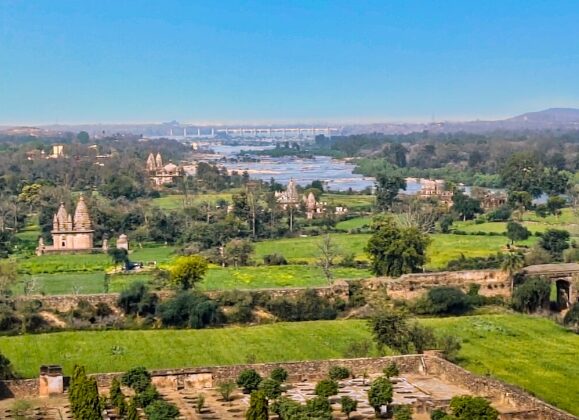
Nestled along the serene Betwa River in northern India, Orchha is a hidden jewel where time stands still. This medieval city enchants with its grand Mughal-era palaces, intricately carved temples, and whispering legends of Rajput valor. Wander through its labyrinthine lanes, where history lingers in every stone, and the golden light of dusk paints its monuments in hues of forgotten grandeur.
Factos sobre o destino
- Official Name: Orchha (also historically referred to as Urchha)
- Type of Destination: City
- Brief Description: A serene riverside town frozen in time, Orchha is a hidden gem of medieval architecture and Rajput legacy, where grand palaces and temples whisper tales of its 16th-century grandeur.
- Location: Situated on the banks of the Betwa River in the Bundelkhand region of northern Madhya Pradesh (formerly part of Uttar Pradesh).
- Year Established/Founded: Founded in 1501 by the Bundela Rajput ruler Rudra Pratap Singh.
- Governing Body/Management: Orchha Municipality under the Government of Madhya Pradesh.
- Significance/Known For: Renowned for its well-preserved Mughal-influenced Rajput architecture and its ensemble of cenotaphs, temples, and palaces, including the iconic Jahangir Mahal.
- Size/Area: Approximately 8.5 km² (city area).
- Population: Around 12,000 (as per recent estimates).
- Main Attractions/Key Features:
- Orchha Fort Complex (Jahangir Mahal, Raj Mahal, and Rai Praveen Mahal)
- Chaturbhuj Temple and Ram Raja Temple
- Betwa River ghats and scenic boat rides
- Best Time to Visit: October to March, when the weather is cool and pleasant for exploration.
- Entrance Fee/Ticket Info: Yes, separate fees apply for fort complex and monuments (check MP Tourism for current rates).
- Operating Hours: Sunrise to sunset for most monuments; fort complex typically 9:00 AM to 6:00 PM.
- Website: MP Tourism Official Site
Fundamentos
- Best Months to Visit: January, February, October, November, December
História
A Glimpse into Orchha's Past
Nestled along the banks of the Betwa River in northern India, Orchha is a hidden gem where time seems to stand still. Founded in the 16th century by the Bundela Rajput ruler Rudra Pratap Singh, this small town was once the capital of the Bundela kingdom. Its name, meaning "hidden place," reflects its secluded charm. Orchha flourished under the Bundelas, who left behind an architectural legacy of grand palaces, temples, and cenotaphs, blending Hindu and Mughal influences. The town's golden age waned after the Mughal conquest, but its monuments remain as silent witnesses to a bygone era of royal splendor.
Principais datas históricas
- 1501: Rudra Pratap Singh establishes Orchha as the capital of the Bundela kingdom, marking the beginning of its architectural and cultural renaissance.
- 1605-1627: Raja Bir Singh Deo, a prominent Bundela ruler, commissions the Jahangir Mahal and other iconic structures, solidifying Orchha's reputation as a center of art and power.
- 1635: The Mughal emperor Shah Jahan annexes Orchha, leading to its gradual decline as a political hub, though its cultural heritage endures.
- 1783: Orchha falls under the control of the Marathas, further diminishing its regional significance but preserving its historical monuments.
- 19th century: Orchha becomes part of British India, fading into obscurity until its rediscovery as a destination for history and architecture enthusiasts.
Excursões e viagens de um dia
Orchha Heritage Walk
Step into the grandeur of Orchha’s past with a leisurely stroll through its historic core. This guided walk unveils the Orchha Fort Complex, including the Jahangir Mahal, Raj Mahal, and Rai Praveen Mahal, each a testament to Bundela architecture. The tour often culminates at the serene Ram Raja Temple, where devotion and history intertwine. Ideal for history buffs and photographers, the walk lasts approximately 2–3 hours.
Betwa River Boat Ride
Glide along the gentle currents of the Betwa River, offering unparalleled views of Orchha’s skyline dotted with cenotaphs and temples. Sunset rides are particularly enchanting, as the golden light bathes the Chattris (royal cenotaphs) in a warm glow. This tranquil excursion, lasting about an hour, suits romantics and those seeking a respite from sightseeing.
Day Trip to Datia & Sonagiri
Venture beyond Orchha to explore two hidden gems. Datia Palace, a 17th-century marvel of Mughal-Bundela fusion, stands in quiet grandeur. Further afield, the Jain pilgrimage site of Sonagiri, with its cluster of white temples atop a hill, offers spiritual serenity and panoramic views. The round trip takes 5–6 hours, appealing to architecture enthusiasts and spiritual seekers.
Village Cycling Tour
Pedal through the rustic charm of Orchha’s countryside, passing wheat fields, traditional mud houses, and local artisans at work. A stop at a village home for chai and conversation provides an intimate glimpse into rural life. This half-day tour, covering 10–15 km, is perfect for active travelers and cultural explorers.
Jhansi Fort & Rani Lakshmibai Connection
A short drive (30 minutes) to Jhansi reveals the formidable Jhansi Fort, forever linked to the legendary Queen Lakshmibai. The fort’s museum and ramparts narrate tales of resistance, while the city’s bustling markets contrast with Orchha’s tranquility. History aficionados and families will find this 4–5 hour excursion deeply engaging.
Quando visitar
Best Time to Visit Orchha
Repartição sazonal
Orchha, a hidden gem in northern India, experiences three distinct seasons: winter, summer, and monsoon. Each offers a unique perspective on this historic city, with its Mughal-era architecture and serene riverbanks.
Winter (October to March)
The most pleasant time to visit, winter brings mild temperatures ranging from 10°C to 25°C, with clear skies and minimal rainfall. Days are sunny and comfortable for exploring Orchha's forts, temples, and gardens.
- Pros: Ideal for sightseeing and photography. Crowds are manageable, and outdoor activities like boat rides on the Betwa River are enjoyable.
- Cons: Early mornings and evenings can be chilly, requiring light layers.
- Events: The Ram Raja Temple celebrations in October and the vibrant Diwali festivities illuminate the city with lights and cultural performances.
Summer (April to June)
Summer in Orchha is hot and dry, with temperatures soaring to 45°C in peak months. Humidity is low, but the heat can be intense, especially midday.
- Pros: Fewer tourists mean quieter attractions and lower accommodation rates. Early mornings and late afternoons are still tolerable for exploration.
- Cons: Harsh sunlight and heat may limit outdoor activities. Carry sun protection and stay hydrated.
- Events: Local festivals are scarce, but the Orchha Festival in March (transitioning into summer) showcases classical music and dance against the backdrop of illuminated monuments.
Monção (julho a setembro)
The monsoon brings relief from the heat, with temperatures dropping to 25°C to 35°C. Rainfall is moderate, transforming the landscape into lush greenery, though humidity rises.
- Pros: The countryside blooms, and the Betwa River swells, offering picturesque views. Few tourists visit during this time.
- Cons: Occasional heavy rains may disrupt travel plans or outdoor activities. Some paths near riverbanks can become slippery.
- Events: The Teej Festival in August celebrates the monsoon with traditional dances and rituals, though it is more prominent in nearby regions.
Recomendação geral
The best time to visit Orchha is between October and March, when the weather is cool and conducive to exploring its architectural wonders. For those seeking solitude and lower prices, the shoulder months of late September or early April can also be appealing, though temperatures may vary.
Considerações
Peak tourist season (December to February) sees higher hotel rates and busier attractions, particularly around holidays. Weekdays and early mornings offer quieter experiences. Monsoon visits are best for travelers who appreciate verdant landscapes and don’t mind occasional rain interruptions.
O que levar na mala
What to Pack for Orchha
Orchha, a historic city in Uttar Pradesh, blends Mughal and Rajput architecture with a serene riverside setting. Pack thoughtfully to navigate its cobbled streets, explore ancient forts, and respect local customs.
Essentials for Exploration
- Lightweight, breathable clothing: Orchha’s climate is warm for most of the year; opt for cotton or linen to stay cool while visiting temples and palaces.
- Modest attire: Shoulders and knees should be covered when entering religious sites—a scarf or shawl is versatile for draping.
- Sturdy walking sandals: The terrain includes uneven stone pathways in forts like Orchha’s Jahangir Mahal; avoid flimsy footwear.
- Compact umbrella or wide-brimmed hat: Sudden rain showers or intense sun are common, especially in monsoon and summer months.
Practical Additions
- Reusable water bottle with purification tablets: Tap water isn’t safe to drink, and refill stations are scarce near historical sites.
- High-SPF sunscreen: The sun can be harsh, particularly during midday explorations of open-air ruins.
- Camera with extra memory cards: Orchha’s frescoes and river views are photogenic; some interiors have low light, so a phone flashlight may help.
Considerações Culturais
- Small change (INR coins/notes): Useful for tipping guides, buying street snacks, or donations at temples.
- Hand sanitizer or wet wipes: Many eateries and public spaces lack handwashing facilities.
Cultura
A Tapestry of Medieval Grandeur and Rural Charm
Orchha, nestled along the banks of the Betwa River, is a rare gem where time seems suspended in the 16th century. Unlike the bustling cities of Uttar Pradesh, Orchha's cultural identity is woven from its Bundela Rajput heritage, Mughal influences, and the quiet rhythms of rural life. The town's sandstone monuments, painted with ochre hues, stand as silent narrators of a bygone era, while its vibrant traditions—from Ram Raja Temple's unique deity to the Chhatris reflected in the river—offer a living connection to history.
Sacred Syncretism: The Divine and the Daily
Orchha's spiritual landscape is marked by an unusual blend of devotion and legend. The Ram Raja Temple, where Lord Rama is worshipped as a king rather than a deity, is the only such temple in India. The annual Ram Vivah festival transforms the town into a tableau of celestial weddings, with processions echoing Mughal-era pageantry. Meanwhile, the Chaturbhuj Temple showcases a fascinating architectural dialogue between Hindu and Islamic styles—its soaring spires devoid of idols, as the intended deity chose to reside elsewhere.
Local Etiquette Notes
- When entering temples, remove footwear and dress modestly—shoulders and knees covered.
- Seek permission before photographing rituals or locals, especially during festivals.
- Engage with priests at the Chhatris; many descend from royal attendants and share oral histories.
Artisan Legacies in Stone and Thread
Orchha's craftsmen preserve techniques lost elsewhere. The Jahangir Mahal's stone lattice work (jali) finds contemporary echoes in workshops near the fort complex, where artisans carve miniature versions using traditional chisels. In the alleys near the market, women embroider Orchha shawls with geometric buta patterns—a craft introduced by Mughal artisans but adapted with Bundela motifs. The weekly haat (market) near the bus stand offers glimpses of terracotta animal figurines, used in local harvest rituals.
Culinary Crossroads: From Royal Kitchens to Village Hearth
Orchha's cuisine reflects its position between the wheat belts of the north and the forested Vindhyas. The Bundeli thali served in homestays features kodu ka aata (millet flatbread) with baigan ka bhurta (smoked eggplant mash), a peasant dish elevated with royal spices like javitri (mace). At the Raja Ram sweet shop, sample mawa jalebi—a denser, saffron-infused cousin of the north Indian classic, said to have been created for the Bundela kings' breakfast hunts.
Festivals: When History Breathes Anew
Beyond Ram Vivah, Orchha's calendar pulses with lesser-known celebrations. During Diwali, the palaces are illuminated solely by oil lamps, recreating the ambiance of the 17th century. The Orchha Festival (usually February) sees classical dancers perform against the Jehangir Mahal's facade, while Kabirpanthi sadhus gather at the nearby Kabir Ashram to sing verses composed by the mystic who once lived here. Time your visit to witness the Betwa rafting rituals, where villagers float miniature lamps to honor river spirits—a tradition predating the town's founding.




