Punta Carrera
Punta Carrera, in Chile's Magallanes Region, is a windswept coastal gem where the Strait of Magellan meets the Atlantic, offering rugged beauty, lighthouse views, and a sense of remote adventure.
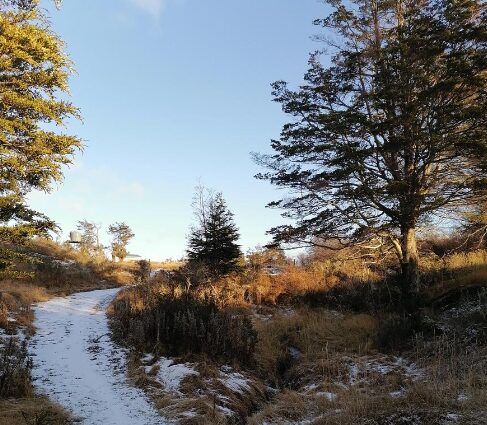
At the edge of the world, where the wild winds of the Magallanes region meet the sea, Punta Carrera offers a beach unlike any other. Starkly beautiful, its rugged shores and untamed waves whisper of solitude and raw nature. Here, the southern light paints the landscape in ethereal hues—a fleeting, quiet magic for those who venture to Chile’s far southern reaches.
Factos sobre o destino
- Nome oficial: N/A
- Type of Destination: Beach
- Brief Description: A remote and windswept beach in far southern Chile, Punta Carrera offers rugged coastal beauty and a sense of untouched isolation.
- Location: Far Southern Chile, within the Magallanes and Chilean Antarctica Region, near the Strait of Magellan.
- Ano de criação/fundação: N/A
- Governing Body/Management: N/A
- Significance/Known For: Its dramatic coastal landscapes and proximity to the Strait of Magellan, a historically significant maritime passage.
- Tamanho/Área: N/A
- Population: N/A
- Main Attractions/Key Features:
- Striking views of the Strait of Magellan and its ever-changing weather.
- Opportunities for solitude and contemplation amid raw, natural surroundings.
- Best Time to Visit: Summer months (December to February) for milder weather, though winds can be strong year-round.
- Entrance Fee/Ticket Info: Free access.
- Operating Hours: Open year-round, unrestricted.
- Site: N/A
Fundamentos
- Melhores Meses para Visitar: janeiro, fevereiro, novembro, dezembro
História
History of Punta Carrera
Punta Carrera, a windswept beach in Chile's Magallanes and Chilean Antarctica Region, is a place where the raw beauty of Far Southern Chile meets a quiet but poignant human history. This remote coastal stretch, facing the frigid waters of the Strait of Magellan, has long been a silent witness to the region's maritime and exploratory past. While not as prominently documented as other sites in the area, its significance lies in its role as a natural landmark for early navigators and its proximity to the historic routes of European explorers and indigenous peoples.
The beach's name, "Punta Carrera," hints at its function as a navigational point—likely derived from the Spanish word for "race" or "course," suggesting its use as a reference for ships navigating the strait. The area's harsh climate and isolation have preserved its untouched character, offering travelers a glimpse into the untamed landscapes that once challenged adventurers like Ferdinand Magellan and Charles Darwin.
Principais datas históricas
- 1520: Ferdinand Magellan's fleet likely passed near Punta Carrera during the first European navigation of the Strait of Magellan, though the beach itself remains unnamed in early records.
- 1830s–1840s: The region gained attention during the voyages of the HMS Beagle, with Charles Darwin documenting the area's geology and wildlife, though Punta Carrera itself is not explicitly mentioned.
- Late 19th century: Punta Carrera became a quiet landmark for local fishing communities and occasional maritime traffic, as the Magallanes region saw increased settlement and sheep farming.
- 20th century: The beach remained largely undeveloped, its isolation preserving its role as a natural refuge amid the growing industrialization of southern Chile.
Excursões e viagens de um dia
Popular Tours & Day Trips from Punta Carrera
1. Cape Froward Expedition
Journey to the southernmost point of the American mainland, Cape Froward, a rugged and windswept cape accessible by boat or a challenging trek. This full-day excursion offers dramatic coastal views, encounters with local wildlife such as seabirds and dolphins, and a sense of standing at the edge of the continent. Ideal for adventure seekers and those drawn to remote landscapes, the trip typically departs from Punta Carrera by boat, taking approximately 6-8 hours round-trip.
2. Strait of Magellan Navigation
A serene yet profound experience, this boat tour traverses the historic Strait of Magellan, where travelers can admire the fjords, glaciers, and occasional whale sightings. The tour often includes commentary on the region’s maritime history, including the voyages of Ferdinand Magellan. Suitable for history enthusiasts and nature lovers, the excursion lasts about 4-5 hours and departs directly from Punta Carrera’s small harbor.
3. San Isidro Lighthouse Visit
Perched on a rocky outcrop near Punta Carrera, the San Isidro Lighthouse is a picturesque landmark offering panoramic views of the strait and surrounding wilderness. A short drive or hike leads visitors to this isolated beacon, where they can learn about its role in guiding ships through these treacherous waters. The visit, lasting 2-3 hours, is perfect for families and photographers seeking a quiet moment of contemplation.
4. Bahía Lomas Wetland Exploration
For birdwatchers and ecotourists, a guided tour to Bahía Lomas—a critical wetland reserve—provides the chance to observe migratory shorebirds, including the endangered Red Knot. The area’s vast tidal flats and serene beauty make it a unique day trip, approximately 1.5 hours by road from Punta Carrera. Binoculars and patience are recommended for this half-day excursion.
5. Tierra del Fuego Day Trip
Though slightly farther afield, a ferry ride across the Strait of Magellan to Tierra del Fuego unveils the stark beauty of Chile’s southernmost archipelago. Visitors can explore the windswept plains, visit estancias (ranches), or hike in the Karukinka Natural Park. This full-day adventure, best suited for intrepid travelers, begins with an early departure from Punta Carrera and includes round-trip ferry crossings.
Quando visitar
Best Time to Visit Punta Carrera
Repartição sazonal
Punta Carrera, a windswept beach in Chile's far southern Magallanes region, experiences a subpolar oceanic climate with cool temperatures year-round. The seasons here are distinct, though summer offers the most hospitable conditions for visitors.
Summer (December–February)
Summer is the most favorable time to visit Punta Carrera, with temperatures ranging from 8°C to 15°C. Days are long, with up to 17 hours of daylight in December, and rainfall is relatively lighter compared to other seasons.
- Pros: Ideal for beach walks, wildlife spotting (including seabirds and occasional marine mammals), and exploring nearby Torres del Paine National Park. Fewer extreme winds than in winter.
- Cons: Still cool by typical beach standards; water temperatures remain frigid. Accommodations may book up early due to regional tourism peaks.
Local events include Fiesta de la Cruz del Sur in January, a small but lively celebration of Patagonian culture.
Autumn (March–May)
Temperatures drop gradually, averaging 3°C to 10°C. Rainfall increases, and winds become stronger, though autumn colors in the surrounding landscapes can be striking.
- Pros: Fewer tourists, lower prices, and dramatic scenery with golden foliage.
- Cons: Unpredictable weather; some tour operators reduce services after Easter.
Winter (June–August)
Winter brings harsh conditions, with temperatures often below freezing (averaging -2°C to 4°C) and frequent snowfall. Daylight shrinks to just 7–8 hours in June.
- Pros: Stark, otherworldly beauty for those seeking solitude and photography opportunities.
- Cons: Many roads and services may be limited or closed. Not suitable for typical beach activities.
Spring (September–November)
A transitional period, with temperatures rising slowly (5°C to 12°C) and daylight returning. Winds remain strong, but migratory birds begin reappearing.
- Pros: Renewed wildlife activity and fewer crowds before the summer rush.
- Cons: Weather remains volatile; some attractions may not reopen until November.
Recomendação geral
The best time to visit Punta Carrera is during the summer months of December to February, when conditions are most manageable for outdoor exploration. For travelers seeking solitude and lower costs, late spring (November) or early autumn (March) may be appealing, though with greater weather risks.
Considerações
Peak season (December–February) brings higher prices and limited availability, while off-season visits offer tranquility but require flexibility. Many services operate on reduced schedules outside summer, so advance planning is advisable.
O que levar na mala
What to Pack for Punta Carrera
Punta Carrera’s rugged coastal beauty in far southern Chile demands thoughtful preparation. The beach here is wild, windswept, and often chilly, even in summer. Pack for changeable weather and remote conditions.
Essentials for the Elements
- Windproof Jacket: The Patagonian winds are relentless; a lightweight yet sturdy windbreaker is indispensable.
- Thermal Layers: Merino wool or synthetic base layers to retain warmth when temperatures drop unexpectedly.
- Waterproof Footwear: Sturdy sandals or quick-dry shoes for rocky shores and sudden rain showers.
Beach-Specific Gear
- High-SPF, Water-Resistant Sunscreen: The ozone layer is thin here, and UV exposure is intense even on cloudy days.
- Polarized Sunglasses: To cut glare from both water and windblown sand.
- Compact Beach Blanket: A sand-resistant, quick-drying mat for impromptu picnics on the pebbled shore.
Extras práticos
- Portable Power Bank: Limited infrastructure means charging opportunities may be scarce.
- Dry Bags: Protect electronics and essentials from salt spray and sudden downpours.
- Binoculars: For spotting dolphins, seabirds, or distant glaciers along the Strait of Magellan.
Cultura
A Remote Outpost at the Edge of the World
Punta Carrera, a windswept hamlet in Chile's Magallanes region, is less a destination than a whispered secret among those who venture to the far southern reaches of Patagonia. Its cultural identity is shaped by isolation, the relentless Antarctic winds, and a history tied to maritime survival. Unlike the more touristed Puerto Natales or Punta Arenas, Punta Carrera exudes a quiet, almost melancholic resilience—a place where the sea dictates daily rhythms.
Maritime Traditions & the Art of Endurance
Life here revolves around the Strait of Magellan, with fishing and small-scale crabbing sustaining the handful of families who call this place home. The local dialect carries traces of old sailor slang, peppered with terms like "chungungo" (sea otter) or "viento blanco" (a blinding snow squall). Wooden dories, hand-painted in faded blues and reds, line the pebbled shore—a craft passed down through generations.
Notable Customs
- Fog Horn Signals: In the perpetual mist, residents recognize one another by the distinct patterns of boat horns—a coded language of arrivals and warnings.
- Kelp Harvesting: Women gather "huiro" (giant kelp) at low tide, drying it for traditional soups or weaving it into baskets.
Cuisine of Salt and Smoke
Expect no elaborate dishes here. Meals are pragmatic, preserving what the sea provides: "centolla" (king crab) boiled in seawater, smoked mussels strung on twine, and "caldillo de mariscos"—a thin, herb-laced broth made with whatever the nets yield that day. A local peculiarity is the use of "cochayuyo" (dried seaweed) as a chewy addition to stews, a taste acquired through necessity.
Silent Celebrations
Festivals are rare but poignant. The Fiesta de la Navegación, held sporadically when weather permits, involves blessing the fleet with a silent procession of lantern-lit boats. Music is sparse—perhaps an accordion playing "milongas patagónicas", slower and more mournful than their Argentine counterparts.
Etiqueta dos visitantes
- Respect the Silence: Loudness feels alien here. Greet locals with a nod rather than effusive words.
- Gifts of Utility: If invited to a home, bring matches or candles—practical items valued more than souvenirs.
- Weather Permits All: Plans are tentative. A shrug and the phrase "si el tiempo quiere" (if the weather wills it) suffice as explanation.




