guia de culinária brasileira para novos viajantes
Descubra os pratos brasileiros essenciais, a etiqueta gastronómica, os sabores regionais e os locais de visita obrigatória.
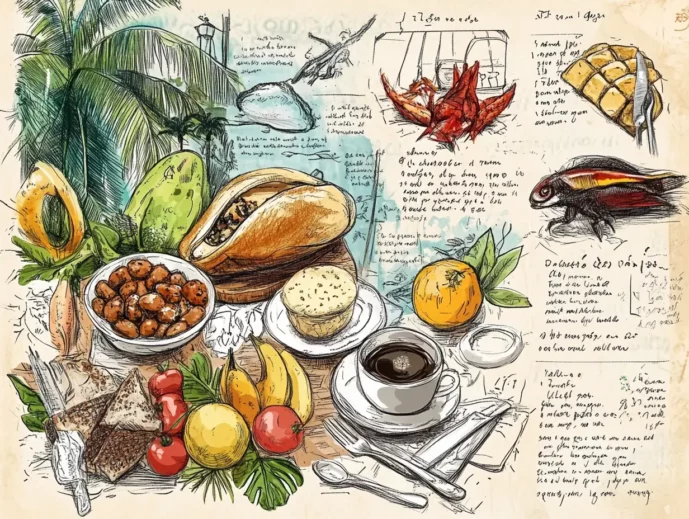
guia de culinária brasileira para novos viajantes
Introdução
Embarking on a culinary adventure in Brazil is like diving into a pot of rich, aromatic, and diverse flavors. From the lush Amazon rainforest to the bustling cities and serene beaches, the country’s cuisine captures the essence of its vibrant culture and history. Here’s your comprehensive guide to navigating Brazilian cuisine as a new traveler.
Influências Regionais
Culinária do Norte
Northern Brazil is synonymous with the Amazon. Expect exotic dishes featuring tropical fruits, freshwater fish, and manioc. Popular ingredients include tucupi (a yellow sauce from manioc) and jambu (an herb that numbs your mouth).
Culinária Nordestina
The Northeast boasts Afro-Brazilian influences, with dishes like acarajé (black-eyed pea fritters) and moqueca (seafood stew). The cuisine here is bold, spicy, and rich with ingredients like dendê oil (palm oil) and coconut milk.
Culinária do Sudeste
The Southeast is the melting pot of Brazilian cuisine. Home to São Paulo and Rio de Janeiro, this region offers everything from feijoada (black bean stew with pork) to the eclectic street food scene. You’ll find an array of international influences.
Culinária do Sul
The South is cattle country and the birthplace of churrasco (Brazilian barbecue). Expect hearty meals featuring beef, pork, and Italian and German culinary traditions. Don’t miss the mate tea culture here.
Culinária do Centro-Oeste
In the Central-West, discover a blend of indigenous flavors and frontier cuisine. Pequi (a fragrant fruit) and piranha soup are local delicacies. The region is also known for its pantaneiro dishes, reflecting the Pantanal wetlands’ richness.
Ingredientes Básicos
arroz e feijão
A day in Brazil typically begins and ends with rice and beans. It’s the bedrock of Brazilian comfort food, often paired with meats and salads.
Mandioca (Aipim)
Versatile manioc appears in numerous forms – farinha (flour), tapioca, pão de queijo (cheese bread), and more. It’s gluten-free and an essential part of the diet.
Marisco
From the Amazon River to the Atlantic Ocean, seafood is king. Popular choices include shrimp, codfish, and a variety of tropical fish.
Carne Bovina e Suína
Brazil is one of the largest producers of beef and pork. The famous picanha cut is a must-try.
Frutas Tropicais
Mangoes, papayas, passion fruit, and açaí are just a few examples of the tropical bounty. These fruits are often enjoyed fresh, in juices, or as desserts.
Pratos Populares
Feijoada
This iconic black bean stew with various cuts of pork is a Saturday favorite. It’s hearty, flavorful, and often served with orange slices and farofa (toasted manioc flour).
Moqueca
A seafood stew simmered in coconut milk, tomatoes, and dendê oil. Each region has its twist, but it’s always a delightful explosion of flavors.
churrasco
Brazilian barbecue featuring a variety of meats cooked on a skewer over an open flame. It’s a carnivore’s paradise.
Coxinha
These chicken-filled dough balls are deep-fried to golden perfection. They’re a beloved snack across the country.
Pão de Queijo
Cheesy, fluffy, and utterly addictive, pão de queijo is the quintessential Brazilian snack. Made from tapioca flour, it’s naturally gluten-free.
Comida de rua
Acarajé
Deep-fried black-eyed pea fritters stuffed with spicy shrimp filling, acarajé is a street food must-try in Bahia.
Pastel
Imagine a deep-fried pastry filled with cheese, meat, or vegetables. Pastel is the Brazilian answer to a quick, savory bite.
Tapioca
These tapioca crepes are made from cassava starch and can be filled with anything from cheese to coconut and condensed milk.
Kebab (Espetinho)
Grilled meat skewers, often served with a side of farofa. It’s the perfect grab-and-go snack.
Sobremesas
Brigadeiro
Essentially a chocolate truffle, brigadeiros are made from condensed milk, cocoa powder, and butter. They’re rolled in chocolate sprinkles and a staple at celebrations.
Quindim
A coconut and egg yolk custard that’s as decadent as it sounds. The glossy, yellow finish is irresistible.
Açaí Bowl
This thick, smoothie-like dish is made from açaí berries and topped with granola, bananas, and other fruits. It’s both a health food and a dessert.
Beijinho
Similar to brigadeiro, but with coconut. These “little kisses” are rolled in sugar or coconut flakes.
Bebidas
Caipirinha
The national cocktail, made from cachaça (sugarcane liquor), lime, sugar, and ice. Refreshing and deceptively potent.
Guaraná
A popular soft drink made from the guaraná berry. It’s sweet, fruity, and uniquely Brazilian.
Café
Brazil is the world’s largest coffee producer, and the locals take their coffee seriously. Enjoy a cafezinho at any time of day.
água de coco
Fresh coconut water is widely available and incredibly refreshing, especially from a street vendor chopping open a coconut right in front of you.
Etiqueta na sala de jantar
Horários das Refeições
O almoço é a principal refeição do dia, geralmente apreciada entre 12h e 14h. O jantar é mais leve e servido mais tarde, frequentemente após as 20h.
gorjeta
Uma taxa de serviço de 10% geralmente está incluída na conta. Gorjetas adicionais não são obrigatórias, mas são apreciadas.
Normas Sociais
Brazilians are warm and friendly. It’s common to share food and drinks. Don’t be surprised if strangers strike up a conversation.
Restaurantes Imperdíveis
Cozinha Contemporânea
Brazilian chefs are making waves globally. Restaurants like D.O.M. in São Paulo by Alex Atala blend traditional ingredients with modern techniques.
Pontos Tradicionais
For authentic flavors, visit places like Bar do Mineiro in Rio de Janeiro for feijoada or Fogo de Chão for churrasco.
Joias Escondidas
Explore lesser-known eateries like Aprazível in Santa Teresa, Rio de Janeiro, for a mix of local and innovative dishes in a picturesque setting.
Mercados alimentares
São Paulo Municipal Market
A food lover’s paradise with an array of fresh produce, spices, and the famous mortadella sandwich.
Mercado Ver-o-Peso
Located in Belém, this is one of the largest open-air markets in Latin America, offering everything from Amazonian fruits to local crafts.
Feira de São Cristóvão
A vibrant market in Rio de Janeiro, showcasing the best of Northeastern Brazilian culture, food, and music.
Aulas de culinária
Escolas de Culinária
Institutions like the Instituto Gastronômico das Américas offer professional courses if you’re serious about mastering Brazilian cuisine.
Oficinas Locais
Join a cooking class with a local chef to learn how to make dishes like feijoada or pão de queijo in an intimate, hands-on environment.
Opções Online
For those who prefer to learn from home, websites like Udemy and MasterClass offer online courses taught by Brazilian chefs.
Conclusão
Brazilian cuisine is a tantalizing tapestry woven from a rich cultural heritage and diverse regional influences. Whether you’re indulging in street food or dining in a high-end restaurant, every bite is a journey through Brazil’s vibrant culinary landscape. So, pack your appetite and get ready to savor the flavors of Brazil!




