melhores práticas para observação responsável da vida selvagem
Explore dicas para uma observação responsável da vida selvagem, garantindo o mínimo de perturbação e promovendo esforços de conservação.
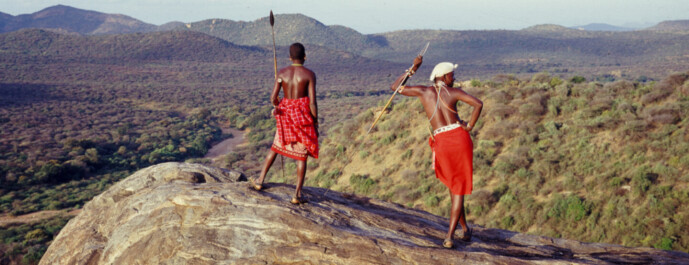
Observing wildlife in their natural habitat offers profound insights into the intricate web of life, yet it demands conscientious effort to ensure these encounters are non-intrusive and sustainable. **This article outlines the best practices for responsible wildlife observation**, providing both novice and experienced wildlife enthusiasts with practical guidelines to minimize impact, respect natural behaviors, and contribute positively to conservation efforts. By adhering to these principles, observers can enjoy enriching experiences without compromising the welfare of the ecosystems they cherish. Whether your interest lies in birdwatching, whale watching, or exploring protected habitats, this guide empowers you to engage with wildlife responsibly and ethically.
Fundamentos
Entenda a Vida Selvagem Local
Pesquisar Habitats da Vida Selvagem
Uma das partes mais emocionantes de observar a vida selvagem é descobrir as várias espécies que vivem nas proximidades. Reserve um tempo para identificar esses animais locais, que podem variar de pássaros e insetos a mamíferos e répteis. Cada espécie terá seu papel único no ecossistema, criando um mundo fascinante e interconectado.
Entender o ecossistema em si é tão importante quanto reconhecer os animais que o habitam. Aprenda sobre os habitats onde essas criaturas prosperam. É uma floresta, um pântano, um deserto ou talvez uma combinação de vários ecossistemas? Saber como diferentes plantas e animais coexistem pode revelar padrões que nos ajudam a apreciar o equilíbrio na natureza.
Reconhecer o Comportamento Animal
Animals, like people, behave differently during different times of the year. By understanding their seasonal behaviors, you can predict when and where you’re most likely to spot them. Many animals migrate, hibernate, or have specific mating seasons. Observing these behaviors can be both thrilling and educational.
It’s equally important to identify signs that an animal may be under stress. Stress can be caused by feeling threatened or being out of its natural environment. Watch for signals like retreating, changes in vocal sounds, or increased agitation. Recognizing these signs will help ensure that your presence does not disturb or threaten the wildlife in their natural homes. Check out our Spotlight on Bird-Watching for more info on animal behaviors during specific seasonal changes.
Prepare-se Minuciosamente
### Verifique Regulamentos e Permissões
Before you venture out to observe wildlife, it’s essential to be aware of the rules and regulations in the area you’re visiting. Every region has different laws regarding wildlife observation, and understanding these will help you enjoy your experience responsibly. Start by researching the local wildlife observation laws in the areas you plan to visit. Many natural spaces, like national parks or reserves, have specific guidelines designed to protect animals and their habitats. These might include restrictions on certain activities, designated viewing areas, or rules about how close you can get to wildlife.
Another important step is obtaining any necessary permits. Some locations may require you to have a permit for activities like photography or hiking in sensitive ecosystems. These permits are typically easy to apply for and can often be obtained online or at local visitor centers. By checking regulations and securing permits, you’re showing respect for the environment and helping to ensure the safety of both the wildlife and yourself.
### Equipe-se Adequadamente
To have an enjoyable and safe wildlife observation experience, it’s crucial to be well-prepared with the right equipment and clothing. Start by dressing appropriately for the terrain and weather conditions. Layers are your best bet, as temperatures can vary widely throughout the day. Choose sturdy footwear that provides good support and protection, as you may be walking on uneven ground.
In addition to clothing, packing the right gear will enhance your experience. Binoculars or a spotting scope are great for getting a closer look at wildlife from a safe distance. A good field guide or a wildlife app on your mobile device can help you identify the species you encounter. A notebook or journal is also handy for jotting down your observations and any interesting behaviors you notice. For more information on essential tools, refer to our Essential Animal-Watching Tools.
Remember to bring enough water and snacks to keep your energy levels up during your outing. It’s also wise to have a small first-aid kit in case of minor injuries. Having a backpack to carry all your gear comfortably can make your adventure smooth and enjoyable. By preparing thoroughly, you’re setting yourself up for a successful and responsible wildlife observation experience.
Pratique Observação Ética
Mantenha Distâncias Seguras
When observing wildlife, it’s important to keep a safe distance from the animals. This way, you can watch them without making them uncomfortable or putting yourself at risk. Every species has different guidelines for how far away you should stay, so adhere to the recommended viewing distances for the animals you’re observing. It’s not only safe but also respectful. For example, some birds might feel threatened if you get too close, especially near their nests, which could cause them to abandon them. Avoid approaching nesting areas at all costs, as this could disrupt their natural behavior and harm the animals.
Limitar Interações
It’s crucial to limit how much you interact with the animals. Even though it might be tempting to try and get closer, feeding wildlife is generally a bad idea. It can cause animals to become dependent on humans for food, which isn’t healthy for them. Plus, human food often isn’t nutritious or safe for animals to consume. Also, reducing noise is important. Loud noises and sudden movements can startle wildlife, making them feel threatened. Instead, move quietly and gradually, blending into the environment to observe animals in their natural state. This way, you can enjoy the beauty of nature without causing any harm. For a more comprehensive understanding, explore our Ultimate Animal-Watching Guide.
Minimizar o Impacto Ambiental
Siga Práticas Sustentáveis
When exploring the great outdoors, it’s crucial to follow sustainable practices to protect the environment. One easy way to do this is by staying on marked trails. These paths help keep visitors safe and prevent them from accidentally trampling on delicate plants. By sticking to the trails, you’re also less likely to disturb the homes of the animals you’re trying to observe.
Outra prática importante é levar todo o lixo de volta. Tudo o que você leva para a natureza, deve trazer de volta com você. Isso inclui embalagens de lanches, garrafas de água e outros resíduos. Não deixar rastros ajuda a manter o ambiente limpo e seguro para a vida selvagem.
Respeitar Habitats
Respeitar os habitats é fundamental para a observação responsável da vida selvagem. Isso significa ter cuidado para não pisar na vegetação. As plantas não são apenas bonitas; elas fornecem alimento e abrigo para uma variedade de animais. Sair do caminho batido pode prejudicar esses recursos importantes.
Moreover, you should never disturb animal dwelling sites. These are places where animals live and raise their young, like nests or burrows. If an animal thinks its home is threatened, it might abandon it, putting its family at risk. By observing quietly from a distance, you can enjoy watching animals without causing them harm or stress. Discover some of the Top Animal-Watching Destinations for a chance to see diverse habitats and wildlife.
Use a Tecnologia com Sabedoria
Fotografia e Videografia
When you’re out in nature observing wildlife, capturing these moments with a camera can be exciting and rewarding. To protect the animals and ensure a safe environment, it’s important to use technology thoughtfully. One of the best ways to photograph or videotape animals is by using zoom lenses. These lenses allow you to get a closer look at the wildlife without physically getting too close, which helps in maintaining a safe distance that does not disturb them.
Another important tip is to avoid using flash photography. Flash can startle animals, causing them stress and potentially disrupting their natural behaviors. Instead, practice patience and wait for the perfect lighting to naturally capture your subject. This not only keeps wildlife safe but also results in better, more authentic photographs. Our Wildlife Photography Guide offers more tips on capturing the best images responsibly.
Compartilhe com Responsabilidade nas Redes Sociais
Sharing your wildlife experiences on social media can be a wonderful way to show others the beauty of nature. However, it’s vital to stay mindful of how this sharing can impact wildlife and their habitats. When posting pictures and videos online, consider keeping the location details vague or unspecified to protect these natural areas from being overwhelmed with visitors. Some areas can be fragile, and too much foot traffic could harm the delicate ecosystems.
Moreover, while giving others a glimpse into your wildlife adventures, it is crucial to avoid encouraging any harmful behaviors. Refrain from sharing images or captions that could prompt others to try risky or disrespectful behaviors towards animals and nature. By sharing responsibly, you can help promote positive interactions with wildlife and inspire others to enjoy and protect these natural wonders responsibly. To make use of technology effectively, don’t forget to check out our Best Animal-Watching Apps and Websites.
Engajar e Educar
Participe da Ciência Cidadã
Getting involved in citizen science is an exciting way to help wildlife and learn more about the animals around you. Citizen science projects often invite people to record observations of local wildlife, providing valuable data for researchers. Imagine discovering a rare bird or plant species and contributing to scientific studies just by sharing what you’ve seen! For those interested in more than just the common sights, explore Rare Species in Latin America to discover unique contributions to science.
You can join wildlife monitoring programs, which are often fun and easy to participate in. These programs might ask you to count birds during migration seasons or report sightings of amphibians in local ponds. By taking part in these activities, you’re helping scientists track changes in wildlife populations and understand their needs better.
Promova a Conscientização sobre Conservação
Sharing what you learn about wildlife with others is a powerful way to promote conservation awareness. Start by telling family and friends about the cool animals you’ve observed and why they need protection. You might spark their interest in nature and conservation!
Você também pode apoiar os esforços locais de conservação. Isso pode incluir voluntariado para limpeza de habitats ou ajudar a restaurar áreas naturais em sua comunidade. Trabalhando juntos, podemos criar um ambiente mais saudável tanto para a vida selvagem quanto para as pessoas. Cada pequena ação conta, e seus esforços podem inspirar outros a se envolverem.
Remember to share your knowledge responsibly. It’s important to provide accurate information and highlight simple actions people can take to help protect wildlife. By doing this, you’re playing a vital role in making sure our planet remains a home for all kinds of creatures, big and small.




