A melhor experiência no Pantanal: Um guia para a Transpantaneira e Porto Jofre
Bem-vindo ao Pantanal
Uma Jornada para o Coração da Natureza
Imagine a vast, dynamic floodplain, a seasonal mosaic of grasslands, rivers, and forests larger than England. This is the Pantanal, the world’s greatest tropical wetland. It pulses with life, supporting a concentration of wildlife that is simply without parallel in the Americas. To journey here is to enter a realm where nature dictates the rhythm of daily life, and every moment holds the potential for a profound encounter.
Your pathway into this wilderness is the legendary Transpantaneira Highway (MT-060). More than a simple road, this 147-kilometer elevated dirt track is a linear safari park. It serves as an earthen stage for one of the planet’s most impressive wildlife spectacles, with animals congregating along its edges, seemingly indifferent to the occasional vehicle passing by.
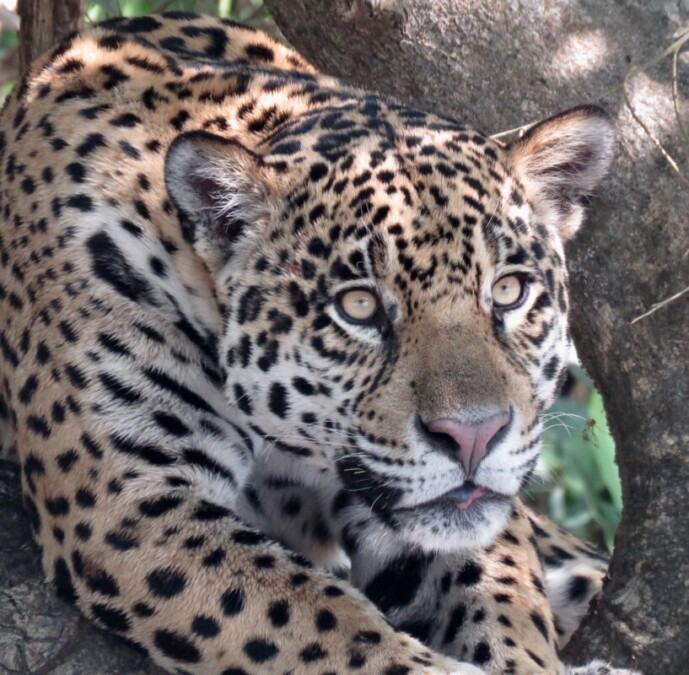
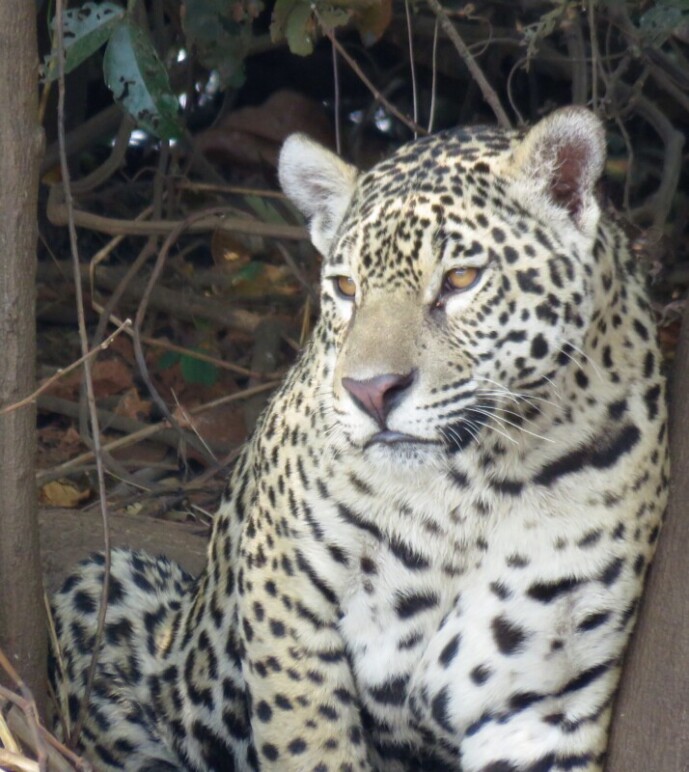
The road’s end brings you to Porto Jofre, a humble settlement on the banks of the Cuiabá River. This is the undisputed global capital for jaguar sightings. Here, the network of rivers and channels creates the perfect hunting ground for the Americas’ largest cat, offering visitors a near-certain chance of witnessing this elusive predator in its element.
This is an authentic, unfiltered adventure. It’s the thrill of crossing over one hundred rustic wooden bridges, each one a vantage point for spotting a new creature. It’s the promise of seeing iconic wildlife not in a zoo, but thriving in a sprawling, untamed habitat. It is an immersive escape into a world governed by the sun, the water, and the wild.
Principais Experiências no Pantanal
- Locking Eyes with a Jaguar: The ultimate prize of any Pantanal journey. From a small boat in Porto Jofre, witness the magnificent power of the Americas’ largest feline as it patrols the riverbanks, hunts caiman, or rests in the shade.
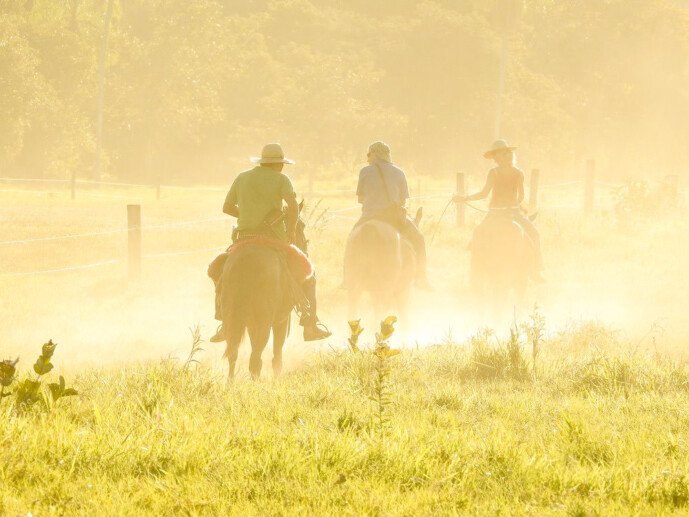
- Riding with Pantaneiros: Explore the vast floodplains on horseback, the traditional way. Guided by the local Pantaneiro cowboys, you’ll gain a unique perspective on the landscape, accessing areas unreachable by vehicle, all while learning from those whose knowledge of the terrain is generational.
- The Hyacinth Macaw Spectacle: Witnessing the world’s largest parrot is an unforgettable sight. A flash of brilliant cobalt blue against the green canopy, these majestic and social birds are often found cracking open palm nuts in their favorite Manduvi trees.
- Piranha Fishing: A classic and surprisingly fun Pantanal activity. Armed with a simple bamboo pole and a piece of beef, you’ll cast a line for the feisty, sharp-toothed fish. Many lodges will then cook your catch for you, often as a delicious and savory soup.
- Night Safari Surprise: As dusk settles, a completely different cast of characters emerges. Venturing out in an open vehicle with a spotlight reveals the Pantanal’s nocturnal secrets, offering chances to find elusive creatures like ocelots, crab-eating foxes, giant anteaters, and the shy Brazilian tapir.
- A Symphony of Sound: The Pantanal experience is as much auditory as it is visual. You’ll wake to the raucous, almost comical calls of the chachalacas, hear the deep, guttural boom of howler monkeys echoing through the forest, and spot the prehistoric-looking Jabiru stork, the symbol of the Pantanal, with its distinctive squawk.
Precisa Saber
- Best Time for Jaguars: The dry season, from late June to early October, when water recedes and animals congregate along the riverbanks.
- Best Time for Birding: The shoulder seasons of April to June offer lush landscapes and active birdlife. November, at the start of the wet season, is also excellent for nesting colonies.
- Currency: Brazilian Real (BRL).
- Language: Portuguese is the official language. English is widely spoken by guides and staff at most tourist lodges.
- Getting There: Fly into Cuiabá’s Marechal Rondon International Airport (CGB), the primary gateway to the Northern Pantanal.
- Key Gear: Good quality binoculars are absolutely essential. A camera with a long telephoto lens, effective insect repellent, and high-SPF sunscreen are also non-negotiable.
Entendendo o Pantanal
O Ritmo das Águas: Uma Terra Renascida
To truly appreciate the Pantanal, one must first understand its pulse. This is not a static landscape but a dynamic one, defined by the immense annual flood that transforms it completely. Fed by the vast Paraguay River basin, this cycle of flood and drought is the engine of life here, dictating the movement of animals, the growth of plants, and the rhythm of human existence. The entire ecosystem is a masterpiece of hydrological engineering, a spectacle of nature’s power to create and renew.
Estação Seca (Maio-Outubro): A Grande Congregação
As the floodwaters of the wet season recede, the Pantanal consolidates. Water becomes a precious, finite resource, collecting in scattered pools, marshes, and river channels. This scarcity forces an extraordinary gathering of wildlife, creating one of the planet’s most accessible and rewarding viewing experiences.
- A vida selvagem se concentra fortemente ao redor das fontes de água remanescentes, tornando avistamentos de jacarés, capivaras e aves pernaltas quase garantidos.
- The earthen roads, including the Transpantaneira, are dry and easily navigable, allowing for extensive exploration by vehicle.
- Esta é a temporada indiscutível de pico para avistar mamíferos, especialmente para safaris de onça-pintada em Porto Jofre, enquanto os felinos patrulham as margens expostas do rio em busca de presas.
- The scenery takes on a different beauty—drier, browner, and more open, which makes spotting animals against the landscape easier.
Estação Chuvosa (Novembro-Abril): O Paraíso Aquático
With the arrival of the summer rains, the Pantanal is reborn. The plains disappear beneath a shallow, shimmering sea of fresh water, creating a vast, flooded paradise that reflects the dramatic sky. It’s a time of dispersal and abundance, offering a completely different, yet equally breathtaking, experience.
- A paisagem se transforma em um mosaico exuberante e verde de ilhas e vias navegáveis, oferecendo cenários deslumbrantes e pores do sol espetaculares.
- Esta temporada é um paraíso para os observadores de pássaros. As aves aquáticas se reúnem em enormes colônias de nidificação, e a abundância de comida atrai uma deslumbrante variedade de espécies residentes e migratórias.
- A logística se torna mais desafiadora. Muitas áreas só são acessíveis de barco ou a cavalo, oferecendo uma perspectiva única sobre a planície de inundação.
- Mosquitos e outros insetos são mais prevalentes, mas a beleza pura e a vitalidade do mundo aquático são uma recompensa incrível.
A Transpantaneira (MT-060): Uma Estrada Como Nenhuma Outra
The Transpantaneira is more than just a road; it’s the central artery of the northern Pantanal experience. This 147-kilometer stretch of raised earth is a destination in itself, a linear park that serves as a stage for an unparalleled wildlife spectacle.
Um Sonho Inacabado
Born from an ambitious plan in the 1970s to connect the state of Mato Grosso to the Bolivian border, the Transpantaneira was a feat of engineering. However, the immense logistical challenges and environmental hurdles of the annual floods proved too great. Construction was abandoned, and the road now abruptly ends at the banks of the Cuiabá River in Porto Jofre, an unfinished dream that inadvertently became a perfect wildlife corridor.
The “Dike Effect”
Because the road is elevated above the floodplain, it acts as a dike. During the wet season, it traps water on one side, creating a permanent series of pools, ditches, and marshes along its length. This “dike effect” means that even in the driest months, there is always water along the road, attracting a constant and dense procession of fauna. Driving the Transpantaneira isn’t about getting from A to B; it’s about slowly absorbing the ecosystem that thrives right at its edges.
As Pontes do Pantanal
Punctuating the highway are over 120 wooden bridges, each with its own character and story. Ranging from sturdy and wide to narrow and rickety, crossing them is part of the adventure. These bridges are not just crossings; they are wildlife hotspots. Look down, and you’ll see dozens of caiman sunning themselves below. Perch on the railings are countless kingfishers and herons, waiting patiently for a meal. Each bridge is a micro-habitat and a mandatory photo stop.
Cultura Pantaneira: A Alma do Pantanal
The Pantanal is not an empty wilderness; it is a cultural landscape shaped by the Pantaneiros, the resilient people who have made this challenging environment their home. Their culture is as integral to the region as the jaguar and the Jabiru stork.
O Peão Pantaneiro
Descendente de uma mistura de colonizadores portugueses, povos indígenas e africanos, o Pantaneiro é o típico cowboy sul-americano. Autossuficiente, engenhoso e possuidor de um conhecimento enciclopédico da terra, eles adaptaram suas vidas ao ritmo das águas por séculos.
Uma Vida com Gado e Natureza
The traditional Pantaneiro lifestyle revolves around cattle ranching. Unlike ranches elsewhere, here the cattle roam semi-wild across vast areas. The Pantaneiros’ greatest skill is managing these herds through the dramatic seasonal shifts, driving them to higher ground during the floods and back to the rich pastures of the dry season. This way of life requires a deep, intuitive understanding of nature’s cues.
Guardiões da Terra
For generations, Pantaneiros have been the stewards of this land. Today, their role is evolving. As ecotourism provides a new, sustainable economy, many Pantaneiros have become the region’s best eco-guides. Their unparalleled knowledge of animal behavior, plant life, and secret trails is invaluable. Staying at a traditional fazenda (ranch) offers the most authentic way to connect with this culture, often joining them for horseback rides or listening to their stories around a fire.
Cultura no Dia a Dia
Pantaneiro culture is expressed in its simple, hearty cuisine, born from what the land provides—beef and fish are staples. It’s heard in the melodies of sertanejo music, the Brazilian equivalent of country music, which often tells tales of life on the land. You will encounter this authentic culture directly in the food served at your lodge—from grilled picanha to caldo de piranha—and in the warm, quiet hospitality of the people who call this floodplain home.
Conservação: Protegendo um Paraíso Frágil
Despite its immense size and wild appearance, the Pantanal is a fragile ecosystem facing significant threats. Its future depends on a delicate balance between human activity and nature’s needs.
Ameaças no Horizonte
A maior ameaça ao Pantanal vem de fora de suas fronteiras. As nascentes dos rios que alimentam a planície de inundação estão cada vez mais impactadas pela agricultura em larga escala, o que pode levar ao escoamento de pesticidas e à erosão do solo. Além disso, a construção de barragens hidrelétricas a montante altera o pulso natural de inundação, o verdadeiro sustento do ecossistema. A mineração ilegal e o desmatamento nas terras altas circundantes também representam um sério risco para a qualidade e a quantidade de água das quais o Pantanal depende.
Ecoturismo como uma Solução
O ecoturismo responsável oferece uma narrativa contrária poderosa. Ao visitar o Pantanal, você está participando de um modelo econômico que coloca valor financeiro direto em um ecossistema vivo e próspero. Uma onça-pintada vista por turistas vale muito mais viva do que morta, e um rio intocado é mais valioso do que um poluído. Isso fornece às comunidades locais e proprietários de terras uma renda sustentável e um incentivo convincente para proteger seu patrimônio natural, transformando antigos caçadores em conservacionistas e guardiões apaixonados.
Heróis no Terreno
A number of dedicated organizations are working tirelessly to protect this paradise. Groups like Panthera conduct critical research on jaguar populations and work to mitigate human-wildlife conflict. The Onçafari project, based in the southern Pantanal, focuses on habituating jaguars to safari vehicles for tourism, running conservation initiatives, and rewilding rescued animals. Supporting lodges that partner with these organizations ensures your visit contributes directly to the long-term survival of the Pantanal.
Planejando sua Viagem
A journey into the heart of the Pantanal isn’t a weekend getaway; it’s a true expedition into one of the planet’s last great wildernesses. The remoteness that makes it so magical also means that thoughtful planning is the foundation of a successful adventure. From booking the right lodge to packing the right gear, getting the details right before you leave will allow you to relax and immerse yourself fully once the asphalt ends and the wild begins. This section covers everything you need to know to transform your dream Pantanal trip into a reality.
Antes de ir
A lista de verificação essencial para completar no conforto da sua casa, garantindo uma viagem tranquila e sem preocupações.
Visas & Entry Requirements
Your first step. Visa policies for Brazil can change, so it is crucial to verify the latest requirements for your specific nationality well in advance of booking flights. Check the official website of the Brazilian consulate or embassy in your country for the most current information on tourist visas and entry procedures.
Vaccinations & Health
The Pantanal is a tropical wilderness, and taking health precautions is non-negotiable.
- Consult a Professional: Schedule an appointment with your doctor or a specialized travel clinic at least 6-8 weeks before your departure. They will provide the most up-to-date advice based on your personal health history.
- Recommended Vaccinations: A Yellow Fever vaccination is highly recommended for the Pantanal region and is often a requirement for onward travel to other South American countries after visiting. Ensure your routine vaccinations, like Tetanus, are also up to date.
- Malaria: The risk of malaria in the Northern Pantanal is generally considered low, but it is not zero. Discuss preventative measures and whether anti-malarial medication is right for you with your doctor. The most effective prevention is avoiding mosquito bites (see Packing List, below).
Travel Insurance
This is not optional. Standard travel insurance is important, but for a trip to the Pantanal, you must ensure your policy includes comprehensive coverage for:
- Remote Medical Emergencies & Evacuation: You will be hours from the nearest major hospital. Your insurance must cover the high cost of emergency medical transport.
- Trip Cancellation & Interruption: Pantanal trips are a significant investment. Protect yourself against unforeseen circumstances that could prevent you from going or force you to cut your trip short.
- Gear Protection: Coverage for expensive camera equipment and binoculars is also wise.
Money & Budgeting
The Pantanal is largely a cashless society because there’s nowhere to spend money. The vast majority of your costs will be paid upfront in your package.
- Budget Tier: US$250 – $400 per person, per day. This typically includes simpler, family-run lodges or pousadas, often in the northern section of the Transpantaneira. You can expect clean and comfortable accommodation, wholesome food, and group activities with knowledgeable local guides.
- Mid-Range Tier: US$400 – $700 per person, per day. This is the sweet spot for many travelers, offering well-established wildlife lodges with more amenities like swimming pools, air-conditioning, and highly trained naturalist guides. It may also open up options for some private guiding.
- High-End Tier: US$700+ per person, per day. This tier includes premium lodges, exclusive houseboats in Porto Jofre, and the option for fully private, specialist guides (e.g., for professional photography or ornithology). The service, food, and level of expertise are top-notch.
Cash is Still King: There are no ATMs along the Transpantaneira or in Porto Jofre. The last reliable ATM is in Poconé. Bring enough Brazilian Reals (BRL) in cash to cover tips for your guides and lodge staff, drinks, and any small souvenirs. It’s better to have a little extra than to be caught short.
Como Chegar e Se Locomover
Flying In
The sole gateway to the Northern Pantanal is Cuiabá – Marechal Rondon International Airport (CGB). Nearly all lodge packages include transfers from Cuiabá. A representative will meet you either at the airport upon your arrival or at your hotel in Cuiabá on the morning your Pantanal adventure begins.
Transfers: The Safari Begins
Don’t think of the transfer as just a commute; it’s the start of your safari. The journey unfolds in two stages:
- Asphalt Stage: A roughly 2-hour drive on a paved road from Cuiabá to the small town of Poconé, the official start of the Transpantaneira.
- Dirt Road Stage: From Poconé, you hit the dirt. The drive to your lodge can take anywhere from 2 to 5 hours, depending on its distance down the 147km road. This slow, bumpy ride is a blessing, as your driver will stop frequently for the incredible wildlife sightings that begin the moment you leave the pavement. Porto Jofre, at the very end, is a further 2-3 hours from the midpoint lodges.
Self-Drive
For the independent and truly adventurous traveler, self-driving is an option, but it requires serious preparation.
- Vehicle: A 4×4 is non-negotiable during the shoulder and wet seasons and highly recommended even in the dry season for better clearance over bumpy bridges and terrain.
- Challenges: Be prepared for rough road conditions, 120+ rickety wooden bridges, and a complete lack of cell phone service or roadside assistance. You must be self-sufficient. Always let your lodge know your estimated arrival time. Never drive the Transpantaneira at night.
Getting Around On-Site
Once at your lodge, all your transport is part of the experience. Your days will be filled with a mix of excursions via:
- Open-Sided Safari Vehicles: For drives along the Transpantaneira.
- Small Motorboats: For exploring rivers and channels, essential for jaguar spotting in Porto Jofre.
- Canoes or Kayaks: For silent, intimate exploration of smaller waterways.
- Horseback: The traditional Pantaneiro way to traverse the floodplains.
- On Foot: For guided walks around the lodge grounds.
Escolhendo Sua Acomodação
Onde você fica define a sua experiência. A maioria opera em regime all-inclusive (hospedagem, três refeições, excursões guiadas), o que é altamente recomendado.
Traditional Fazendas (Ranches)
These are working or former cattle ranches that have opened their doors to tourism. Staying at a fazenda offers the most authentic glimpse into the region’s human element.
- Best for: Travelers seeking cultural immersion and a connection to the Pantaneiro way of life. Horseback riding is often a highlight.
- Wildlife: Wildlife viewing is often excellent and feels very organic, though it may be less structured than at dedicated wildlife lodges.
- [Cultural Link]: This is the best way to interact with Pantaneiro culture, from sharing meals to riding with the very cowboys who know this land like the back of their hand.

Dedicated Wildlife Lodges
These properties are purpose-built for ecotourism and are laser-focused on providing the best possible wildlife-viewing experience.
- Best for: Visitors whose primary goal is to see as much fauna as possible, guided by expert naturalists on a structured schedule.
- Features: They often have observation towers, well-maintained trail systems, and guides with deep biological knowledge, many of whom speak excellent English.
Porto Jofre Houseboats
For the serious jaguar seeker, nothing beats living on the water. These floating hotels move along the river system, putting you in the heart of jaguar territory from dawn until dusk.
- Best for: Photographers and anyone for whom seeing a jaguar is the top priority.
- The Experience: It offers unparalleled access and maximizes your time on the water. Accommodations are typically in compact but comfortable en-suite cabins. The true luxury is your location.

Lista Essencial para Levar no Pantanal
Fazer uma mala inteligente é essencial para conforto e segurança. Pense em praticidade, leveza e proteção.
Clothing
- Neutral Colors: Khaki, beige, olive green, and brown are essential to blend in with the environment and avoid disturbing wildlife. Avoid white and bright colors.
- Lightweight Layers: Pack lightweight, quick-drying long-sleeved shirts and trousers. They protect you from both the intense sun and insects.
- Warmth: A fleece jacket or hoodie is crucial for surprisingly chilly early mornings on the water and evening safari drives.
- Rain Gear: A lightweight, waterproof rain jacket is a must, even in the dry season for unexpected showers.
- Etc: A wide-brimmed hat, sunglasses, and swimwear for the lodge pool.
Footwear
- Main: A pair of comfortable, sturdy, closed-toe walking shoes or hiking boots.
- Lodge: Sandals, flip-flops, or comfortable slip-on shoes for relaxing at the lodge.
Health & Gear
- DON’T LEAVE HOME WITHOUT: BINOCULARS! This is the single most important piece of gear. A decent pair (8×42 or 10×42 are ideal) will transform your experience, bringing distant birds and mammals into sharp, clear focus.
- Insect Repellent: A strong repellent containing at least 30% DEET is essential.
- Sunscreen: High-SPF (30-50+), sweat-resistant sunscreen.
- Personal First-Aid Kit: Include antiseptic wipes, bandages, pain relievers, antihistamines for bites/stings, and any personal medications.
- Headlamp/Torch: Absolutely essential for walking around the lodge grounds after dark.
Electronics
- Protection: A dry bag is invaluable for protecting your electronics on boat trips and from the ever-present dust.
- Camera Gear: Your camera, a long telephoto lens (400mm+ is recommended), and a wider lens for landscapes.
- Power & Storage: Bring extra batteries and memory cards. A portable power bank is a lifesaver for charging on the go.
Destino em detalhes
Poconé: Gateway to the Wild
Your journey into the Pantanal truly begins in Poconé. This small, unpretentious town serves as the definitive boundary between the paved roads of civilization and the untamed earth of the Transpantaneira. The atmosphere is one of transition; pickup trucks caked in red dust share the streets with local residents, and the air hums with the anticipation of the wilderness that lies just beyond the town’s iconic entrance arch.
While modest, Poconé is your final opportunity to secure essentials before plunging into the remote floodplain. It is a crucial and non-negotiable stop.
- Practicalities: This is the last town with reliable services. Be sure to fill your vehicle’s fuel tank, use the ATM for cash (essential for tips and small purchases at lodges), visit a pharmacy for any last-minute needs, and stock up on water or snacks. Once you pass the arch, you are on your own.
A Transpantaneira: Um Safari Quilômetro a Quilômetro
A rodovia Transpantaneira (MT-060) de 147 quilômetros não é uma rota de trânsito; é o destino em si. Cada ponte cruzada e cada curva na estrada revela um novo quadro da vida pantaneira. A jornada é melhor dividida em duas seções distintas.
Northern Section (Poconé to Pixaim River)
The initial stretch of the road is an immediate and overwhelming immersion into the Pantanal’s abundance. The ditches and pools created by the elevated road teem with life. Scores of Yacare Caiman bask motionless in the sun, often piled on top of one another. Families of Capybara, the world’s largest rodent, graze calmly by the roadside, seemingly unbothered by passing vehicles. The birdwatching here is simply staggering, a constant flurry of activity and color.
- Key Sightings: This section is a haven for wading birds. Look for the magnificent Jabiru Stork, the emblem of the Pantanal, alongside vibrant Roseate Spoonbills, and a huge diversity of herons, egrets, and kingfishers. In the trees, you may spot noisy family groups of Capuchin Monkeys.
- Notable Lodges: The northern part of the highway is home to several well-established lodges and traditional fazendas, such as Pousada Piuval and Pouso Alegre, which offer excellent introductory safaris and a comfortable base.
Seção Sul (Rio Pixaim até Porto Jofre)
After crossing the Pixaim River, the character of the journey shifts. The landscape feels more expansive and profoundly wild. The road surface can become rougher, the bridges more rustic, and the sense of isolation deepens. This is where patience is rewarded with sightings of some of the Pantanal’s more elusive and sought-after species.
- Key Sightings: This is prime territory for spotting the brilliant cobalt-blue Hyacinth Macaw, often seen feeding on palm nuts. Night drives along this stretch offer the best opportunities for encountering a Giant Anteater shuffling across the road or a shy South American Tapir emerging from the brush.
- The Pixaim River: This river is a significant landmark and a destination in its own right. Many lodges are clustered here, and it offers fantastic boat trips. These excursions provide a different perspective, bringing you eye-level with Giant River Otters, nesting birds, and caiman.
Porto Jofre: O Centro das Onças-Pintadas
Porto Jofre is not a town but a conclusion. It is a small, functional settlement on the banks of the mighty Cuiabá River, marking the official end of the Transpantaneira. Its existence is singularly focused: to serve as the world’s premier base for jaguar watching. The area consists of a handful of lodges, a campsite, and a collection of boat docks where the guides prepare for their daily river expeditions.
The true magic of Porto Jofre lies in its labyrinthine river system. This is where you will spend your time, exploring the waterways that form the core of the planet’s most densely populated jaguar habitat.
- The River Network: Your search will concentrate on the Cuiabá River and its key tributaries, including the Três Irmãos (Three Brothers), São Lourenço, and Piquiri rivers. The sandy beaches and dense vegetation along these banks are the preferred hunting and resting grounds for the Americas’ largest cat.
A Experiência Jaguar Safari
Um safári de onça-pintada é uma busca única e metódica, regida pelo ritmo do rio e pelo comportamento de seu predador de topo.
- The Daily Rhythm: Days start early, often before sunrise, to take advantage of the cool morning air when jaguars are most active. You’ll spend long hours on a small, open motorboat, with guides from different boats communicating via radio, sharing information on tracks and sightings to increase everyone’s chances.
- The Search: The process is a lesson in observation. Guides expertly scan the riverbanks for fresh tracks in the sand, listen for the sharp alarm calls of monkeys or birds that signal a predator’s presence, and watch for vultures circling overhead.
- The Encounter: When a jaguar is spotted, a respectful and well-practiced etiquette takes over. Boat captains cut their engines, drifting silently and maintaining a safe, non-intrusive distance. The goal is to observe the animal’s natural behavior without causing stress, allowing for a truly profound and ethical wildlife encounter.
Beyond the Jaguar: While the jaguar is the main draw, Porto Jofre is also arguably the best place in the world to see and photograph families of Giant River Otters. These charismatic, vocal, and highly social animals are frequently seen hunting for fish, playing, and resting on fallen logs along the riverbanks.
Atividades e Fotografia
Coisas para Fazer
O Pantanal é uma paisagem de ação, onde cada excursão oferece uma nova descoberta. Seus dias serão estruturados em torno de um conjunto diversificado de atividades, cada uma projetada para revelar uma faceta diferente deste incrível ecossistema.
Observação de Onças-Pintadas por Barco
This is the main event in Porto Jofre and the primary reason many travelers venture this far. You’ll spend full or half days on small, maneuverable motorboats, navigating the Cuiabá River and its tributaries. It’s an intense, focused experience where guides communicate by radio, sharing intelligence to track down the Americas’ largest cat. The thrill of spotting a Jaguar on the riverbank—whether resting, hunting, or swimming—is an unparalleled wildlife moment.

Safáris de Estrada (Dia e Noite)
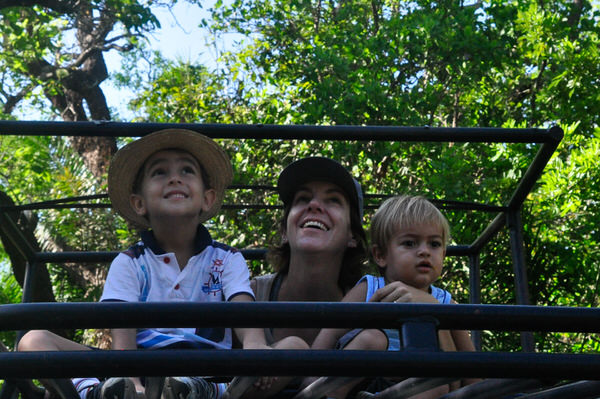
Explorar a Transpantaneira em um veículo alto e aberto é um safári constante. Durante o dia, esses passeios revelam uma densidade surpreendente de vida, desde jacarés tomando sol e capivaras pastando até um caleidoscópio de pássaros. Após o pôr do sol, a aventura se transforma. Um guia com um holofote potente varre a escuridão, revelando um elenco completamente diferente de personagens. Esta é sua melhor chance de encontrar mamíferos noturnos esquivos como o Tapir brasileiro, jaguatiricas, raposas-comilãs e o magnífico Tamanduá-bandeira.
Passeio a Cavalo
To truly understand the Pantanal, you must experience it as the locals do. Riding a sure-footed Pantanal horse through flooded fields and patches of forest is the most authentic way to explore. You’ll be guided by a Pantaneiro, a local cowboy whose knowledge of the terrain is ingrained over generations. They’ll teach you to read the landscape, navigate tricky passages, and point out subtle signs of wildlife you would otherwise miss, offering a profound connection to the region’s living culture.

Pesca de Piranha
A classic Pantanal pastime, piranha fishing is a simple, fun, and surprisingly rewarding activity for all ages. Using a basic bamboo pole and a piece of beef as bait, you’ll feel the feisty fish bite almost instantly. It’s a great way to spend a relaxed afternoon, and many lodges will happily cook your catch for you, often as part of a delicious and invigorating caldo de piranha (piranha soup).
Passeios de Observação de Aves & Visitas à Torre
While birds are everywhere, guided walks around the lodge grounds allow for a slower, more detailed appreciation. Knowledgeable guides can identify species by their calls alone and help you spot expertly camouflaged birds. Many lodges also have observation towers, which are invaluable. Climbing above the canopy provides a bird’s-eye view, offering incredible perspectives of nesting Jabiru storks, soaring raptors, and flocks of parrots against the vast Pantanal sky.

Canoagem ou Caiaque
Para momentos de pura tranquilidade, nada supera remar silenciosamente uma canoa ou caiaque por canais e lagoas tranquilas. Sem o barulho de um motor, você se torna parte do ambiente. Isso permite encontros incrivelmente íntimos com a vida selvagem. Deslize ao lado de jacarés tomando sol, fique na altura dos olhos com uma variedade de martins-pescadores e garças, e observe famílias de capivaras te observando da margem, completamente imperturbadas.
Guia de Fotografia do Pantanal
The Pantanal is a photographer’s dream, but its unique conditions require preparation. Bringing the right gear and using the right techniques will be the difference between a frustrating trip and a portfolio of incredible images.
Equipamento essencial
- Lenses: A long telephoto lens is non-negotiable for wildlife. A 400mm lens is a good minimum, but a 500mm or 600mm will give you the reach you need for frame-filling shots of distant subjects. A versatile 70-200mm is excellent for larger mammals and environmental portraits, while a wide-angle lens (like a 24-70mm) is perfect for capturing the sweeping landscapes.
- Camera Body: A camera with strong low-light performance (the ability to shoot at a high ISO without too much noise) and a fast burst rate (frames per second) is a significant advantage, especially for capturing action like a jaguar hunt or birds in flight.
- Support: On a boat, a monopod or a gimbal head can help stabilize a heavy lens. For safari vehicles, a beanbag is an essential, inexpensive tool that you can rest on the vehicle’s railing or window edge to create a stable shooting platform.
Técnica & Configurações
- For Action (Birds in Flight, Hunting Jaguars): Use a high shutter speed (1/1600s or faster) to freeze motion. Select continuous autofocus (AF-C or AI Servo) to track the moving subject and shoot in burst mode to capture the perfect moment within a sequence.
- For Portraits: To make your subject stand out, use a wider aperture (a lower f-number, like f/2.8 to f/5.6) to create a shallow depth of field and blur the background. Always make sure the animal’s eyes are in sharp focus.
- Light is Everything: The best light is during the “golden hours”—the first two hours after sunrise and the last two before sunset. The light is soft, warm, and creates beautiful textures. The midday sun is harsh and direct; use this time to rest or experiment with high-contrast black and white images.
Composição & Narrativa
- Get Eye Level: Whenever possible, position yourself to be at eye level with your subject. This creates a much more intimate and powerful connection in your portraits, whether it’s a caiman in the water or a capybara on the bank.
- Show the Environment: Don’t just zoom in for a tight shot every time. Pull back and include the animal’s habitat—the sprawling river, the gnarled trees, the vast floodplain. This tells a richer story about where the animal lives.
- Capture Behavior: The most compelling images tell a story. Look for moments of action or emotion: a jaguar yawning, a caiman catching a fish, a capybara nursing its young, or a Giant Otter calling out to its family. These behavioral shots are what bring the Pantanal to life.
Ética Fotográfica
Uma grande fotografia nunca vale o bem-estar da vida selvagem. A fotografia responsável é crucial no Pantanal.
- Your presence should never disturb or alter an animal’s natural behavior. If an animal seems stressed, you are too close.
- Never use flash on wildlife, especially on nocturnal animals, as it can be disorienting and harmful.
- Trust your guide’s expertise. Do not pressure them to get closer than is safe or respectful for the animal. A good guide will prioritize the animal’s welfare over a photo opportunity.
Guia de Sobrevivência no Pantanal
Comida & Bebida
The cuisine of the Pantanal is a direct reflection of its environment and culture: rustic, hearty, and deeply satisfying. Rooted in the traditions of the Pantaneiro cowboys, meals are designed to fuel long days on the land. Expect dishes centered around high-quality beef from the region’s vast cattle ranches, fresh river fish, and staples like rice, beans, and manioc (cassava). Lodge buffets are typically generous, showcasing a range of local flavors and fresh, tropical fruits.
Ao explorar o Pantanal, não deixe de experimentar estes pratos emblemáticos:
- Caldo de Piranha: Don’t let the main ingredient deter you. This rich, flavorful piranha soup is a regional delicacy, often served as a starter. It is surprisingly delicious and believed to be an invigorating aphrodisiac.
- Picanha na Grelha: A highlight of any Brazilian churrasco (barbecue), the grilled top-sirloin cap is a staple in the Pantanal. Seasoned simply with rock salt and cooked to perfection over an open flame, it’s a true taste of Brazil’s cattle country.
- Arroz Carreteiro: Literally “wagoner’s rice,” this is a classic one-pot meal with historical roots. It combines rice with carne-seca (dried beef), onions, and garlic, creating a savory and filling dish that was easily prepared on long cattle drives.
To accompany your meals, lodges serve a variety of drinks. Freshly squeezed tropical fruit juices are a refreshing treat in the midday heat. A cold beer is always welcome after a long safari. And no trip to Brazil is complete without trying a Caipirinha, the national cocktail made with cachaça (a spirit distilled from sugarcane), sugar, and lime.
Saúde & Segurança
Uma jornada pelo Pantanal é uma imersão em um ambiente selvagem. Seguir algumas diretrizes-chave de saúde e segurança garantirá que sua aventura seja confortável e segura.
- Sun & Heat: The equatorial sun is incredibly strong, even on overcast days. Always wear a wide-brimmed hat, apply high-SPF, sweat-resistant sunscreen frequently, and stay hydrated by drinking plenty of water throughout the day.
- Insects: Mosquitoes and other biting insects are most active at dawn and dusk. Use a reliable insect repellent with a high concentration of DEET or Picaridin on exposed skin. Wearing lightweight, long-sleeved shirts and trousers in the evenings provides an effective physical barrier. Most lodges have well-screened windows and rooms to keep bugs out at night.
- Wildlife Safety: Your guide is your most important safety asset. Always follow their instructions. Never approach any wildlife on foot, and maintain a respectful distance at all times. While at your lodge, be aware that animals can and do wander through the grounds, especially after dark. Use a headlamp or torch when walking around at night.
- Water: It is not safe to drink tap water in the Pantanal. All lodges provide an ample supply of filtered or bottled water for drinking. Use this for brushing your teeth as well to be safe.
Diretório & Recursos
Operadoras de Turismo & Lodges
Escolher a pousada certa é fundamental para sua experiência no Pantanal, pois todas as atividades são realizadas a partir de sua acomodação. A maioria dos operadores oferece pacotes all-inclusive que cobrem traslados, hospedagem, refeições e excursões guiadas. Ao pesquisar, considere operadores que se enquadram nestas categorias:
- Jaguar-Focused: Lodges and houseboats located in or near Porto Jofre, offering multiple daily boat safaris dedicated to finding big cats.
- Cultural & Fazenda Stays: Working cattle ranches that have opened their doors to tourism. These offer an authentic glimpse into Pantaneiro life, with horseback riding often being a central activity.
- Birding & Wildlife Lodges: Located along the northern and central Transpantaneira, these lodges often have expert naturalist guides, observation towers, and diverse habitats on their properties, ideal for general wildlife and birdwatching.
Grupos de Conservação
Sua visita apoia uma economia vital de ecoturismo que ajuda a proteger este ecossistema. Para saber mais sobre o trabalho de conservação que está sendo realizado, você pode visitar os sites destas organizações líderes:
- Panthera: panthera.org
- Onçafari: oncafari.org
- Instituto Arara Azul (Hyacinth Macaw Institute): institutoararaazul.org.br
Frases Essenciais em Português
Embora o inglês seja falado na maioria dos lodges turísticos, aprender algumas frases básicas em português será muito apreciado pelos guias e funcionários locais.
- Bom dia / Boa tarde / Boa noite: Good morning / Good afternoon / Good night
- Obrigado / Obrigada: Thank you (male / female speaker)
- Por favor: Please
- Com licença: Excuse me
- Onça: Jaguar
- Jacaré: Caiman
- Capivara: Capybara
- Tuiuiú: Jabiru Stork (the symbol of the Pantanal)
- Quanto custa?: How much does it cost?




