Leste da Guatemala
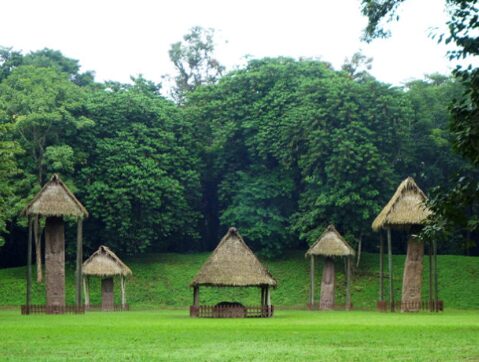
Eastern Guatemala beckons with untamed beauty, where lush rainforests meet volcanic highlands and the Río Dulce carves a path to the Caribbean. This lesser-explored region dazzles with Mayan ruins like Quiriguá, serene Lake Izabal, and Garifuna culture in Livingston. Adventure thrives here—whether kayaking jungle rivers, spotting manatees, or unwinding on black-sand beaches, it’s Guatemala’s wild, tropical heart.
Fundamentos
- Melhores Meses para Visitar: janeiro, fevereiro, dezembro
zona Factos
- Geographical Location: Eastern region of Guatemala, bordering Honduras and El Salvador, characterized by a mix of lowland plains, rolling hills, and tropical rainforests.
- Main City/Town: Chiquimula, a key urban and commercial hub in the zone.
- Approximate Area: N/A (specific area data for Eastern Guatemala is not readily available).
- Key Geographical Features:
- Río Motagua, one of Guatemala's longest rivers, flows through the region.
- Sierra de las Minas, a biodiverse mountain range with cloud forests.
- Izabal Lake, a large freshwater lake near the eastern edge of the zone.
- Dominant Climate Type: Tropical savanna and humid subtropical, with warmer temperatures in lowlands and cooler conditions in higher elevations.
- Population: N/A (population data specific to Eastern Guatemala is not readily available).
- Main Economic Activities:
- Agriculture (coffee, bananas, cardamom, and cattle ranching).
- Tourism (eco-tourism, archaeological sites like Quiriguá).
- Small-scale trade and commerce due to proximity to borders.
- Common Languages/Dialects Spoken: Spanish (dominant), with some indigenous languages like Ch'orti' in rural areas.
- Best Time to Visit: November to April (dry season), ideal for exploring outdoor attractions and avoiding heavy rains.
- Unique Selling Points:
- Quiriguá Archaeological Park, a UNESCO World Heritage Site with ancient Maya stelae.
- Rich biodiversity in Sierra de las Minas Biosphere Reserve, a haven for birdwatching and hiking.
Principais destinos
Não foram encontradas atracções relacionadas com esta zona.
Excursões e viagens de um dia
Copán Ruinas Day Trip
Step into the ancient world of the Maya with a day trip to Copán Ruinas, just across the border in Honduras. This UNESCO World Heritage Site is renowned for its intricately carved stelae, hieroglyphic stairway, and well-preserved ball court. The journey from Eastern Guatemala takes about 3 hours, making it an ideal excursion for history buffs and culture enthusiasts. Wander through the lush archaeological park and marvel at the detailed stonework that tells the story of this once-great city.
Ipala Volcano Hike
For adventure seekers, a hike up Ipala Volcano offers a rewarding challenge. The volcano’s crater cradles a stunning emerald-green lagoon, perfect for a refreshing swim after the ascent. The hike typically takes 2-3 hours round trip and is suitable for moderately fit travelers. The trail winds through cloud forest, offering glimpses of local wildlife and panoramic views of the surrounding valleys. Don’t forget your camera—the summit vistas are unforgettable.
Esquipulas Pilgrimage & Basilica Visit
Known as the “Capital of Faith” in Central America, Esquipulas is home to the iconic Basilica of the Black Christ. This spiritual destination draws pilgrims year-round, especially during the January feast day. The basilica’s ornate Baroque architecture and the revered statue of Cristo Negro make it a must-visit for those interested in religious history. The town also offers local markets where visitors can sample traditional sweets like mantecadas (sweet bread). The trip from Eastern Guatemala takes roughly 2 hours by car.
Río Dulce & Livingston Boat Tour
Embark on a scenic boat tour along the Río Dulce, a lush waterway flanked by towering cliffs and tropical rainforest. The journey culminates in the Garifuna town of Livingston, where Afro-Caribbean culture thrives. Enjoy fresh seafood, drumming performances, and the unique blend of languages and traditions. This full-day excursion is perfect for families and nature lovers, with opportunities to spot manatees, birds, and even howler monkeys along the riverbanks.
Agua Caliente Hot Springs
Unwind at the Agua Caliente Hot Springs, a hidden gem nestled in the hills near Chiquimula. These natural thermal pools are surrounded by verdant forest, creating a serene escape. The mineral-rich waters are believed to have healing properties, making this a relaxing stop for weary travelers. The springs are accessible via a short hike, and the area offers picnic spots for a leisurely day outdoors. Ideal for couples or solo travelers seeking tranquility.
Quando visitar
Repartição sazonal
Eastern Guatemala experiences a tropical climate with distinct wet and dry seasons, making timing crucial for an enjoyable visit. The region's weather is influenced by its lowland terrain and proximity to the Caribbean, resulting in warm temperatures year-round but significant variations in rainfall.
Dry Season (November – April)
The dry season is characterized by warm temperatures (75–90°F / 24–32°C) and minimal rainfall, making it the most popular time to visit. Humidity is lower, and sunny days are common.
- Pros: Ideal for outdoor activities like exploring Mayan ruins, hiking, and visiting wildlife reserves. Roads are in better condition, and beaches along the Caribbean coast are at their best.
- Cons: Peak tourist season means higher prices for accommodations and flights, as well as more crowds at major attractions.
- Events: Semana Santa (Holy Week) in March or April features vibrant processions and celebrations, especially in nearby cities like Guatemala City and Antigua, which can spill over into Eastern Guatemala.
Wet Season (May – October)
The wet season brings daily afternoon showers and higher humidity, with temperatures remaining warm (78–88°F / 26–31°C). Rainfall peaks in September and October, sometimes causing road disruptions.
- Pros: Lush, green landscapes and fewer tourists mean lower prices and a more authentic experience. Wildlife, including migratory birds, is abundant.
- Cons: Heavy rains can make some rural areas inaccessible, and outdoor activities may be interrupted. Mosquito activity increases, requiring extra precautions.
- Events: The Feria de Santo Tomás in December (beginning in late November) in Chiquimula features traditional dances, rodeos, and local crafts, blending into the dry season.
Shoulder Seasons (Late April – Early May, Late October – Early November)
These transitional periods offer a balance between the dry and wet seasons, with moderate rainfall and fewer crowds.
- Pros: Good weather for exploring without the peak-season crowds. Prices are more reasonable, and nature is vibrant.
- Cons: Some attractions may have reduced services as they transition between seasons.
Recomendação geral
The best time to visit Eastern Guatemala is during the dry season (November–April), particularly from December to February, when weather conditions are most favorable. However, budget travelers and those seeking solitude may prefer the shoulder seasons or early wet season (May–June), when prices drop and landscapes are lush.
Considerações
Peak tourist seasons (December–March and Semana Santa) bring higher prices and crowded attractions. For a quieter experience, consider visiting in May or November. Always check road conditions during the wet season if planning to explore rural areas.
O que levar na mala
For the Tropical Lowlands & Rainforest
Eastern Guatemala's hot, humid climate and dense rainforests demand lightweight yet protective gear. Pack smart to stay cool, dry, and bug-free.
- Quick-dry clothing: Lightweight, moisture-wicking fabrics (long sleeves/pants) for humidity and insect protection.
- DEET-based insect repellent: Essential for mosquitoes (dengue/malaria risk) and sandflies near rivers.
- Rain poncho or compact umbrella: Sudden downpours are frequent, especially May–October.
- Sturdy sandals with grip: For muddy trails and river crossings (e.g., Keens or Tevas).
- Waterproof dry bag: Protects electronics/cash during boat trips (e.g., Río Dulce).
For Cultural Sites & Local Customs
Eastern Guatemala blends Indigenous Garífuna culture and colonial towns. Respectful attire and small comforts go a long way.
- Modest clothing (knee/shoulder cover): Required for visiting churches (e.g., Esquipulas Basilica).
- Small bills (Quetzales): Many rural areas lack ATMs; useful for markets/tipping guides.
- Reusable water bottle with filter: Tap water is unsafe; filters reduce plastic waste.
For Adventure & Exploration
From jungle treks to cave swimming, Eastern Guatemala rewards the prepared traveler.
- Headlamp: Essential for caves (e.g., Lanquín) and power outages in rural lodges.
- Water shoes: Protect feet on rocky riverbeds (e.g., Semuc Champey).
- Binoculars: For spotting howler monkeys, toucans, and other wildlife.
Como chegar
Por via aérea
The nearest major international airport to Eastern Guatemala is La Aurora International Airport (GUA) in Guatemala City. From here, travelers can reach Eastern Guatemala by:
- Rental Car: A 3-4 hour drive via CA-9 and CA-10 highways, passing through scenic landscapes. Roads are generally well-maintained, but a 4x4 is recommended for rural areas.
- Shuttle or Taxi: Shared shuttles or private taxis are available from the airport to major towns like Chiquimula or Zacapa (approx. 3-4 hours). Book in advance for better rates.
- Domestic Flights: Limited domestic flights operate from Guatemala City to Rubelsanto Airport (RUV) in Alta Verapaz, but ground transport is still required to reach Eastern Guatemala.
De autocarro
Long-distance buses are a cost-effective way to reach Eastern Guatemala from Guatemala City and other regions:
- From Guatemala City: Buses depart from Centroamérica Terminal to Chiquimula, Zacapa, and Jalapa (3-5 hours). Companies like Litegua and Transportes Unidos offer frequent services.
- From Antigua: Shuttle services connect to Eastern Guatemala via Guatemala City (total travel time ~4-6 hours).
- From Honduras/El Salvador: Cross-border buses stop at major Eastern Guatemala hubs like Esquipulas (near the Honduran border).
Tip: Opt for first-class (Pullman) buses for comfort and safety, especially for overnight trips.
De carro (Condução)
Eastern Guatemala is accessible via well-connected highways, but terrain varies:
- From Guatemala City: Take CA-9 east to CA-10 or CA-19, leading to Chiquimula, Zacapa, or Jalapa. The drive takes 3-4 hours.
- From the Caribbean Coast (Puerto Barrios/Izabal): Follow CA-13 south to CA-10 (~2-3 hours). Roads are paved but winding in mountainous areas.
- From Honduras: Enter via the Agua Caliente border crossing, then drive 1-2 hours to Esquipulas or Chiquimula.
Note: Fuel stations are sparse in rural zones—fill up in major towns. A 4x4 is useful for off-the-beaten-path destinations.
Como se deslocar
Public Buses (Chicken Buses)
Eastern Guatemala is famously served by colorful, repurposed school buses known as chicken buses. These are the most affordable and widely used form of public transport, connecting towns like Chiquimula, Zacapa, and Esquipulas, as well as smaller villages.
- How it works: Buses run frequently but on no fixed schedule—just flag one down on the roadside. Announce your destination to the helper (ayudante) who collects cash fares.
- Cost: Very cheap (typically 5–20 GTQ, or ~$0.65–$2.50 USD).
- Tourist tips: Expect crowded conditions and limited luggage space. Buses stop running by early evening.
Táxis e partilha de boleias
Taxis are available in larger towns like Chiquimula and Esquipulas, but ride-sharing apps like Uber are rare. Local taxis often don’t use meters, so negotiate fares upfront.
- Cost: Short rides start around 25–40 GTQ (~$3–$5 USD).
- Tourist tips: Ask your hotel or restaurant to call a reputable driver. For longer trips (e.g., to Copán Ruins in Honduras), arrange a private shuttle or taxi.
Andar a pé e de bicicleta
Smaller towns like Esquipulas (home to the Basilica) are walkable, but distances between attractions in rural areas can be vast. Biking is uncommon for tourists due to limited rentals and road safety concerns.
- Walkability: Central plazas and religious sites are pedestrian-friendly, but sidewalks may be uneven.
- Cycling: Rentals are rare; bring your own bike if exploring backroads.
Aluguer de automóveis e motociclos
Renting a car or motorcycle is feasible for exploring remote areas like the dry forests near Zacapa or the Ipala Volcano, but roads can be rough.
- Availability: Rentals are easiest in Guatemala City (3–4 hours away). Local agencies in Chiquimula may offer limited options.
- Cost: ~$30–$50 USD/day for a basic car; motorcycles cheaper but less common.
- Tourist tips: 4x4 recommended for rural routes. Watch for livestock and unpaved roads.
Transporte local único
In some villages, tuk-tuks (motorized rickshaws) supplement taxis for short hops. Horseback is occasionally used in rural areas but not for tourist transport.
- Cost: Tuk-tuks charge ~10–20 GTQ (~$1.25–$2.50 USD) for town rides.
- Tourist tips: Confirm the fare before boarding. Not all drivers speak English.
Cultura
Identidade cultural
Eastern Guatemala is a vibrant mosaic of Ladino (mestizo) and Indigenous cultures, with a distinct identity shaped by its proximity to El Salvador and Honduras. Unlike the western highlands, where Maya traditions dominate, this region blends agricultural and trade-oriented lifestyles, reflecting its history as a crossroads for commerce and migration. The warm, lowland climate fosters a laid-back atmosphere, where local fiestas and street markets pulse with energy.
Língua e dialectos
While Spanish is the primary language, Eastern Guatemalan Spanish carries a unique cadence, influenced by Salvadoran and Honduran accents. In rural pockets, particularly near Jutiapa and Chiquimula, you may hear Ch'orti' Maya, though it is far less prevalent than in western regions. Slang terms like "chero" (friend) and "pisto" (money) are commonly used.
Traditional Arts & Music
Eastern Guatemala is famed for its marimba music, with lively rhythms distinct from the melancholic tones of the highlands. The danza de los moros (dance of the Moors) is a highlight of local festivals, blending colonial and Indigenous storytelling. Artisans in Zacapa produce intricate leather goods, while Esquipulas is known for its woodcarvings of religious figures.
Cozinha
The region's cuisine leans heavily on corn, beans, and cheese, with Salvadoran influences like pupusas (stuffed tortillas) appearing in border towns. Must-try dishes include:
- Chirmol: A smoky tomato-and-herb sauce served with grilled meats.
- Quesadilla salvadoreña: A sweet cheese bread, distinct from Mexican quesadillas.
- Ticucos: Tamales wrapped in banana leaves, often filled with beans or pork.
Festivals & Social Customs
Eastern Guatemala's festivals are deeply tied to Catholic traditions but infused with local flair. The Feria de Esquipulas (January) draws pilgrims to the Black Christ Basilica, while smaller towns celebrate patron saints with horse races and fireworks. Hospitality is paramount; visitors are often welcomed with atol de elote (corn drink) or a shot of guaro (local sugarcane liquor).
Influências históricas
The region's culture was shaped by its role as a trade hub during the colonial era, with routes connecting Guatemala to Salvadoran indigo plantations. The United Fruit Company later left its mark in the banana-growing areas near Puerto Barrios, introducing Afro-Caribbean influences in music and food along the coast.




