Madeira
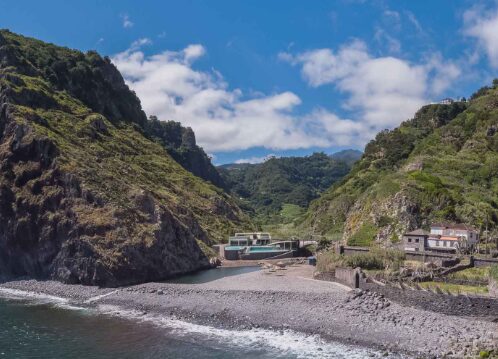
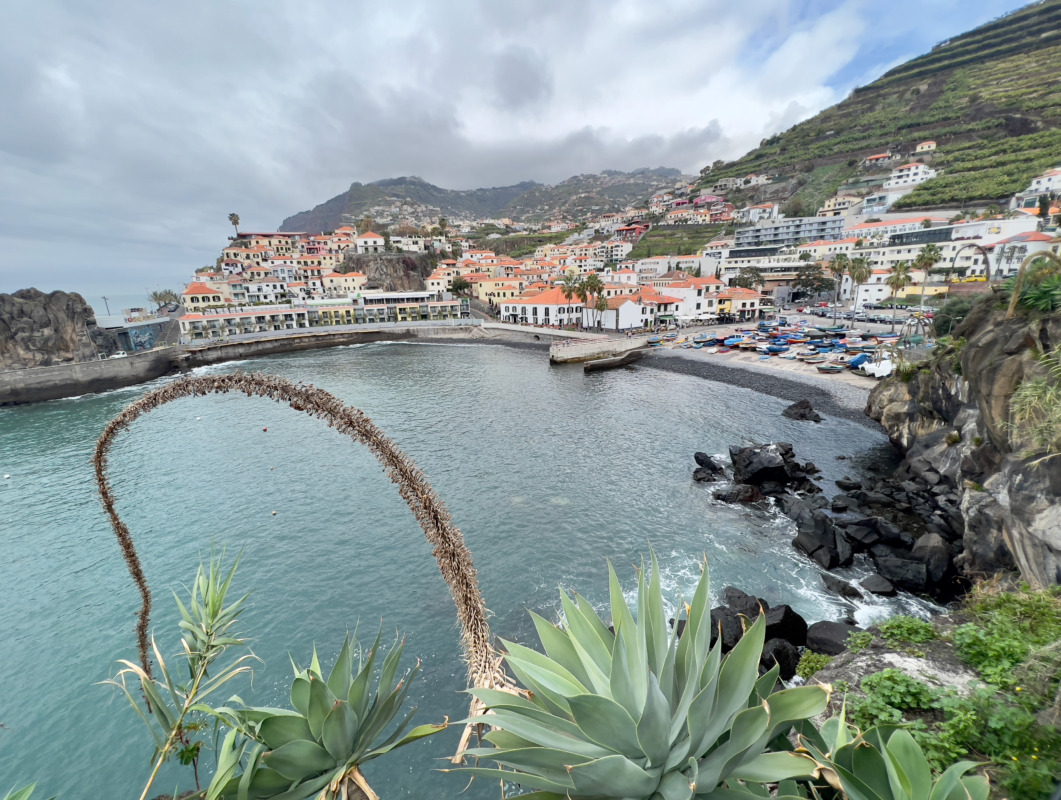
Nestled in the Atlantic, Madeira is Portugal's lush island gem, where dramatic cliffs meet emerald forests and year-round spring-like warmth. Famous for its volcanic landscapes, levada walks, and world-renowned wine, this autonomous archipelago blends wild beauty with charming coastal towns. Whether hiking rugged peaks or savoring fresh seafood by the sea, Madeira promises an unforgettable escape into nature's grandeur.
Fundamentos
- Best Months to Visit: January, February, March, April, May, June, July, August, September, October, November, December
zona Factos
- Geographical Location: Volcanic archipelago in the North Atlantic Ocean, southwest of Portugal and northwest of Africa.
- Main City/Town: Funchal (the capital and largest city of Madeira).
- Approximate Area: 801 sq km (309 sq miles) for the entire archipelago.
- Key Geographical Features: Rugged mountains (e.g., Pico Ruivo, the highest peak), lush Laurisilva forests (UNESCO World Heritage Site), dramatic coastal cliffs, and volcanic caves like Gruta das Torres.
- Dominant Climate Type: Subtropical Mediterranean, with mild winters and warm summers, moderated by ocean currents.
- Population: Approximately 250,000 inhabitants across the archipelago.
- Main Economic Activities: Tourism, wine production (e.g., Madeira wine), banana cultivation, and handicrafts like embroidery and wickerwork.
- Common Languages/Dialects Spoken: Portuguese (official), with a distinct Madeiran accent; English is widely spoken in tourist areas.
- Best Time to Visit: April to October for warm weather and outdoor activities; January to February for the famous Madeira Flower Festival.
- Unique Selling Points:
- Stunning landscapes, including levada walks (irrigation trails with scenic hikes).
- Year-round festivals, such as the New Year's Eve fireworks (one of the world's largest).
Principais destinos






Não foram encontradas atracções relacionadas com esta zona.
Excursões e viagens de um dia
Levada Walks: Explore Madeira's Iconic Irrigation Channels
Madeira's levadas—centuries-old irrigation channels—offer some of the most unique hiking experiences in the world. Trails like Rabaçal and the 25 Fontes lead through lush laurel forests, past cascading waterfalls, and into hidden valleys. These walks vary in difficulty, making them suitable for casual strollers and avid hikers alike. Most tours last 3–6 hours and include transport from Funchal.
Pico do Arieiro to Pico Ruivo: A Sky-High Trek
For breathtaking views, the hike from Pico do Arieiro (1,818m) to Pico Ruivo (1,862m) is unbeatable. This challenging 7km route traverses rugged peaks, tunnels, and narrow ridges, often above the clouds. Early morning tours catch the sunrise, while sunset hikes offer golden panoramas. Best for adventure seekers with good fitness levels; the trek takes about 3–4 hours one way.
Dolphin and Whale Watching in the Atlantic
Madeira's nutrient-rich waters attract dolphins, whales, and marine life year-round. Catamaran or RIB boat tours depart from Funchal or Calheta, offering close encounters with species like sperm whales and bottlenose dolphins. Tours typically last 2–3 hours, with expert guides providing insights into conservation. Ideal for families and wildlife enthusiasts.
Porto Moniz Natural Pools & Northwest Coast
The volcanic Porto Moniz Natural Pools are a must-see—seawater-filled lava formations perfect for a refreshing swim. Day trips often include stops at Seixal Beach (black sand) and the cliffside village of Santana (known for its traditional thatched houses). A scenic drive along the rugged northwest coast rounds out this 6–8 hour tour, great for relaxation and photography.
Funchal Food & Wine Tour
Savor Madeira's flavors on a guided food and wine tour through Funchal. Sample espetada (garlic beef skewers), bolo do caco (sweet potato bread), and the island’s famed fortified wine. Visits to local markets, bakeries, and wine cellars provide cultural insights. Lasting 3–4 hours, this tour is a hit with foodies and culture lovers.
Day Trip to Porto Santo Island
Escape to Porto Santo, Madeira’s golden-sand sibling island, via a 2.5-hour ferry. The 9km beach is ideal for swimming, while the Christopher Columbus Museum and rugged Pico do Facho viewpoint add historical and scenic depth. Perfect for beach lovers seeking a quieter alternative to Madeira’s rocky shores.
Quando visitar
Best Time to Visit Madeira
Madeira, Portugal's "Island of Eternal Spring," offers pleasant weather year-round, but the ideal time to visit depends on your preferences for activities, crowds, and seasonal events. Below is a detailed breakdown of Madeira's seasons to help you plan your trip.
Repartição sazonal
Spring (March–May)
Spring in Madeira is marked by mild temperatures (16–22°C / 61–72°F), low rainfall, and vibrant flora. The island bursts into color with blooming flowers, including the famous Madeira Flower Festival in April or May.
- Pros: Ideal for hiking and outdoor activities, fewer crowds, and lower prices compared to summer.
- Cons: Ocean temperatures are still cool for swimming.
- Events: Flower Festival (April/May), Easter celebrations.
verão (junho-agosto)
Summer brings warm, dry weather (22–27°C / 72–81°F) and long sunny days, perfect for beachgoers and water activities. However, coastal areas can get crowded.
- Pros: Best for swimming, sunbathing, and festivals. Long daylight hours.
- Cons: Peak tourist season; higher prices and busier attractions.
- Events: Atlantic Festival (June, fireworks), São João Festival (June), Wine Festival (August/September).
Autumn (September–November)
Autumn offers warm temperatures (20–25°C / 68–77°F) and fewer tourists. Rainfall begins to increase in November, but September and October remain dry and pleasant.
- Pros: Great for hiking, wine harvest experiences, and avoiding summer crowds.
- Cons: Some rain in late autumn; shorter daylight hours.
- Events: Wine Festival (August/September), Columbus Festival (September).
Winter (December–February)
Winter is mild (16–20°C / 61–68°F) with occasional rain, but Madeira remains lush and green. It's a popular escape for Europeans seeking warmer weather.
- Pros: Fewer tourists, festive atmosphere, and excellent conditions for whale watching (year-round but peaks in spring).
- Cons: Cooler ocean temperatures; some hiking trails may be slippery.
- Events: New Year's Eve fireworks (world-famous), Christmas markets.
Recomendação geral
The best time to visit Madeira depends on your priorities:
- For outdoor enthusiasts and flower lovers: Spring (March–May) offers perfect hiking weather and stunning blooms.
- For beachgoers and festival seekers: Summer (June–August) is ideal, though expect crowds.
- For budget travelers and wine lovers: Autumn (September–November) provides warm weather with fewer tourists.
- For a festive winter escape: December is magical with New Year's celebrations, though prices spike.
Considerações
Madeira's peak seasons (summer and New Year's) see higher prices and busier attractions. Shoulder seasons (spring and autumn) offer a balance of good weather and affordability. Whale watching is excellent year-round, but spring and summer are peak seasons for sightings.
O que levar na mala
What to Pack for Madeira
Madeira’s subtropical climate, rugged terrain, and mix of coastal and mountainous landscapes call for versatile packing. Here’s what you’ll need to make the most of its outdoor adventures and unpredictable weather.
For Hiking & Outdoor Exploration
- Sturdy Hiking Shoes: Essential for Madeira’s steep levada walks and rocky trails.
- Lightweight Layers: Temperatures shift quickly between sunny valleys and misty peaks.
- Waterproof Jacket: Sudden rain showers are common, especially in the mountains.
- Sun Protection (Hat & SPF 50+): Intense sun at higher elevations demands extra defense.
For Coastal & Water Activities
- Quick-Dry Swimwear: For ocean dips, natural pools, or hotel spas.
- Reef-Safe Sunscreen: Protect Madeira’s marine ecosystems while swimming or snorkeling.
- Water Shoes: Rocky shorelines and pebble beaches can be tough on bare feet.
For Comfort & Local Culture
- Light Scarf or Shawl: Useful for cooler evenings or covering shoulders in churches.
- Compact Daypack: For carrying layers, water, and snacks on hikes or city strolls.
- Reusable Water Bottle: Fill up with Madeira’s pristine mountain spring water.
Como chegar
Por via aérea
The primary gateway to Madeira is Cristiano Ronaldo Madeira International Airport (FNC), located near Funchal. This airport serves both international and domestic flights, with direct connections from major European cities like Lisbon, London, Madrid, and Frankfurt.
- From the airport to Madeira: Taxis are readily available outside the terminal, with fares to Funchal averaging €30–€40. Alternatively, the Aerobus shuttle service offers affordable transfers to key areas in Funchal (€5–€8). Rental cars are also available for exploring the island independently.
- Booking tips: Flights from Lisbon (1h 30m) are frequent, but prices rise in peak season (June–September). Book at least 2–3 months in advance for better rates.
Por mar
Madeira is a popular stop for cruise ships, with the Port of Funchal serving as the main docking point. Ferries from mainland Portugal are limited, but occasional services operate from Portimão (Algarve) via Porto Santo Line (7–10 hours).
- From the port: The terminal is within walking distance of Funchal’s city center. Taxis and buses are available for onward travel.
- Practical advice: Ferry schedules are seasonal; check availability in advance. Seas can be rough, so pack motion sickness remedies if prone to nausea.
De carro (Condução)
While Madeira is an island, renting a car is ideal for exploring its scenic coastal roads and mountainous interior. Note that there are no direct driving routes from mainland Portugal.
- Rental tips: Book a car in advance at FNC airport or in Funchal. Smaller vehicles are recommended due to narrow roads, but a 4x4 is useful for rugged terrain in the interior.
- Driving conditions: Roads are well-maintained but winding, especially in mountainous areas. Tunnels bypass some steep routes, but GPS is recommended for navigation.
Como se deslocar
Public Buses (Horários do Funchal)
Madeira's public bus network, operated by Horários do Funchal, is the most budget-friendly way to explore the island. Buses connect Funchal with major towns, coastal areas, and some inland attractions like Santana or Curral das Freiras.
- Tickets: Purchase onboard (cash only) or via rechargeable Giro card for frequent travelers. Single fares start at €1.95.
- Routes: Check schedules online or at bus stops—some rural routes run infrequently, especially on weekends.
- Tip: Line 01 (Aerobus) links Funchal to the airport (€5), while line 113 serves the scenic west coast.
Táxis e partilha de boleias
Taxis are widely available and metered, with a base fare of €3.25. They're ideal for short trips or luggage-heavy travel.
- Ride-sharing: Uber operates in Funchal but is less common than taxis.
- Fixed rates: For popular routes (e.g., Funchal to airport: €30-35), agree on a price beforehand.
- Tip: Taxis at hotels or cruise ports may charge more—hail one on the street or use the Bolt app (local alternative).
Rental Cars & Scooters
Renting a car (or scooter) is the best way to explore Madeira's rugged interior and hidden coastal gems.
- Roads: Mountain routes are steep and winding—opt for a small, manual car if comfortable.
- Parking: Challenging in Funchal; use paid lots (€1-2/hour). Free parking is scarce.
- Tip: Book in advance for high season. International licenses are accepted for EU drivers; others may need an IDP.
Cable Cars & Unique Transport
Madeira offers scenic cable cars and traditional toboggans for unforgettable rides.
- Funchal Cable Car: Links the city to Monte (€11 one-way), offering panoramic views.
- Monte Toboggans: Wicker sleds pushed by "carreiros" (€30 for two) descend 2km to Livramento—a must-try!
- Tip: Combine the cable car and toboggan for a fun half-day activity.
Andar a pé e de bicicleta
Funchal's historic center is walkable, but cycling is less practical due to hills.
- Levada Walks: Madeira's iconic irrigation paths (e.g., Rabaçal) are best explored on foot—wear sturdy shoes.
- Bike Rentals: Limited; e-bikes (€25/day) are better suited for steep terrain.
- Tip: Join guided levada walks for safety—some paths are narrow or slippery.
Local Ferries & Boat Tours
Ferries connect Madeira to Porto Santo (2.5 hours), but intra-island water transport is rare.
- Dolphin Watching: Book tours from Funchal Marina (€50/person).
- Tip: For Porto Santo day trips, check Atlanticoline ferry schedules in advance.
Cultura
Identidade cultural
Madeira, a volcanic archipelago in the Atlantic, is a cultural melting pot shaped by its isolation, maritime history, and subtropical climate. Unlike mainland Portugal, its traditions reflect a blend of Portuguese, African, and even British influences, creating a distinct island identity. The festivals, cuisine, and craftsmanship here are deeply tied to the land and sea, with a slower, more communal way of life.
Festivals & Traditions
Madeira's calendar revolves around vibrant, often religious, celebrations. The Festa da Flor (Flower Festival) in spring transforms Funchal into a floral paradise, with intricate carpets of blossoms and parades. In December, the Festa do Senhor dos Milagres honors a local miracle with processions and folk dances. Carnival, though Portuguese in origin, has a uniquely Madeiran flair, with satirical street performances and elaborate costumes.
- Witness the Arraiales, lively street parties with traditional music, food, and folk dancing.
- Don’t miss the New Year’s Eve fireworks, considered among the world’s most spectacular.
Música e dança
Madeiran folk music, bailinho, features the brinquinho, a whimsical percussion instrument made of dolls and bells. The charamba (a type of accordion) and machete (a small guitar) accompany lively dances like the chamarrita. Fado, though mainland-born, has a melancholic Madeiran variant, often sung in local dialect.
Cozinha
Madeira’s cuisine is hearty and seafood-centric, with unique twists. Espetada, skewered beef marinated in garlic and bay leaf, is grilled over wood fires. Bolo do caco, a sweet potato flatbread, is served with garlic butter. The island’s namesake wine, Madeira wine, ranges from dry to dessert styles, aged by heat—a method born from long sea voyages.
- Try lapas (limpets), grilled with garlic and lemon, a coastal delicacy.
- Sip poncha, a potent local drink made with aguardente, honey, and citrus.
Crafts & Artisanship
Madeira’s artisans excel in wickerwork, with Camacha village famed for its intricate baskets and furniture. Bordado Madeira (Madeira embroidery), a UNESCO-recognized craft, features delicate floral patterns hand-stitched on linen. The Vinháticos workshops in Santo da Serra produce traditional wooden toys and utensils.
Costumes sociais
Madeirans are warm and familial, with a strong sense of community. Merendas (picnics) in the levadas (irrigation channels) are a social staple. Respect for elders is paramount, and religious feasts often double as family reunions. Evenings are for passeio (strolling) along Funchal’s waterfront, a ritual blending leisure and socializing.




