Mongólia Ocidental
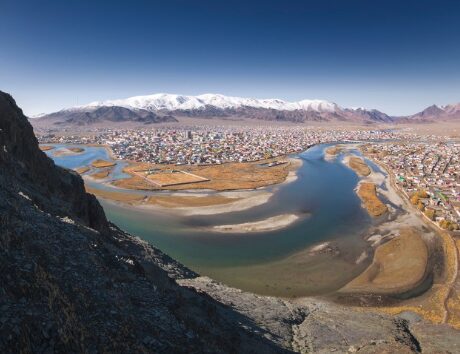
Western Mongolia is a land of untamed beauty, where the Altai Mountains pierce the sky and vast steppes stretch endlessly. Home to nomadic eagle hunters and the elusive snow leopard, this rugged region offers unparalleled adventure—trekking, horseback riding, and cultural encounters with Kazakh traditions. Its raw, untouched landscapes and rich heritage make it a dream for intrepid travelers seeking the road less taken.
Fundamentos
- Melhores Meses para Visitar: maio, junho, julho, agosto
zona Factos
- Geographical Location: Mountainous and semi-arid region in the western part of Mongolia, bordering China and Russia.
- Main City/Town: Khovd (also spelled Hovd), the largest urban center and administrative hub of the region.
- Approximate Area: N/A (Western Mongolia spans multiple provinces, including Khovd, Bayan-Ölgii, and Uvs, each with distinct areas.)
- Key Geographical Features:
- Altai Mountains, including Mongolia's highest peak, Khüiten Peak (4,374 m).
- Great Lakes Depression, featuring Uvs Lake (a UNESCO World Heritage Site) and Khar-Us Lake.
- Numerous rivers, including the Khovd River and Zavkhan River.
- Dominant Climate Type: Cold semi-arid and continental, with harsh winters and short, warm summers.
- Population: Approximately 300,000 (varies by province; Bayan-Ölgii is predominantly Kazakh, while Khovd and Uvs are ethnically diverse).
- Main Economic Activities:
- Pastoral nomadism (livestock herding of yaks, camels, and goats).
- Mining (gold and other minerals).
- Eco-tourism and adventure tourism (trekking, eagle hunting).
- Common Languages/Dialects Spoken: Mongolian (Khalkha dialect), Kazakh (in Bayan-Ölgii), and minority languages like Tuvan and Uriankhai.
- Best Time to Visit: June to August for mild weather and vibrant landscapes; September for eagle hunting festivals.
- Unique Selling Points:
- Home to the Kazakh eagle hunters of Bayan-Ölgii, a unique cultural tradition.
- Pristine natural beauty, including the Altai Tavan Bogd National Park and Uvs Lake Basin.
Principais destinos

Não foram encontradas atracções relacionadas com esta zona.
Excursões e viagens de um dia
Eagle Hunting Expedition in Altai Mountains
Experience the ancient tradition of Kazakh eagle hunting in the rugged Altai Mountains. This immersive tour lets you witness skilled hunters with their golden eagles, a practice passed down through generations. You’ll visit local families, learn about their nomadic lifestyle, and even try handling an eagle yourself. The tour typically lasts 2-3 days and is perfect for adventure seekers and culture enthusiasts.
Khovd River Rafting Adventure
For thrill-seekers, a rafting trip down the Khowd River offers exhilarating rapids and stunning views of Western Mongolia’s untouched landscapes. The journey takes you through deep gorges, past lush valleys, and alongside nomadic herders’ camps. Suitable for beginners and experts alike, this day trip includes safety briefings and equipment. Families with older children or groups of friends will find this an unforgettable experience.
Uvs Nuur Basin Exploration
Discover the UNESCO-listed Uvs Nuur Basin, one of Mongolia’s most ecologically diverse regions. This day trip includes visits to saltwater lakes, sand dunes, and rare wildlife like the snow leopard (if you’re lucky). The basin spans both Mongolia and Russia, offering a unique cross-border landscape. Ideal for nature lovers and photographers, the tour involves light hiking and cultural stops at local Tuvan communities.
Tsenkher Hot Springs Relaxation
Unwind in the natural Tsenkher Hot Springs, renowned for their therapeutic mineral waters. Surrounded by pine forests, this serene spot is perfect for a day of relaxation after exploring Western Mongolia’s rugged terrain. The springs are accessible year-round, with nearby ger camps offering overnight stays. Great for solo travelers, couples, or families looking for a peaceful retreat.
Great Mongol Rally: Off-Road Jeep Tour
Embark on an adrenaline-pumping off-road jeep tour across Western Mongolia’s vast steppes and deserts. This multi-day adventure covers remote areas like the Zavkhan Province, where you’ll encounter wild horses, volcanic craters, and hidden oases. The tour includes camping under the stars and meals prepared by local guides. Best suited for adventure junkies and those craving a true wilderness experience.
Quando visitar
Repartição sazonal
Western Mongolia experiences a harsh continental climate with extreme seasonal variations. The region is known for its dramatic landscapes, including the Altai Mountains and vast steppes, which are best explored during specific times of the year.
Spring (April - June)
Spring in Western Mongolia is short but transformative. Temperatures range from 5°C to 20°C, with occasional rain showers. The steppes come alive with wildflowers, and wildlife becomes more active.
- Pros: Mild weather, fewer tourists, and stunning greenery.
- Cons: Unpredictable winds and occasional dust storms.
- Events: Naadam Festival (local celebrations in smaller towns, less crowded than the national event in July).
Summer (July - August)
Summer is the warmest and most popular time to visit, with temperatures between 15°C and 30°C. Days are long, with up to 16 hours of sunlight.
- Pros: Ideal for trekking, horseback riding, and attending festivals.
- Cons: Peak tourist season; higher prices and crowded attractions.
- Events: Eagle Festival in Bayan-Ölgii (September, but preparations start in late summer), and local Naadam events.
Autumn (September - October)
Autumn brings crisp air and golden landscapes, with temperatures dropping from 10°C to -5°C by late October. Rainfall is minimal.
- Pros: Stunning fall foliage, fewer tourists, and lower prices.
- Cons: Nights become chilly, and some remote areas may become inaccessible.
- Events: Golden Eagle Festival in Bayan-Ölgii (early October), a highlight for cultural enthusiasts.
Winter (November - March)
Winter is extremely cold, with temperatures plunging to -20°C to -40°C. Snow blankets the region, creating a serene but challenging environment.
- Pros: Unique winter landscapes, solitude, and opportunities for winter sports like ice fishing.
- Cons: Harsh conditions limit travel; many guesthouses and services close.
- Events: Tsagaan Sar (Lunar New Year, late January or February), a deeply cultural but logistically difficult time to visit.
Recomendação geral
The best time to visit Western Mongolia is from late June to early September for warm weather and vibrant festivals. For those seeking solitude and stunning autumn colors, September to early October is ideal. Adventurers prepared for extreme cold may find winter uniquely rewarding, but spring is less recommended due to unpredictable weather.
Considerações
Peak season (July-August) sees higher prices and crowded attractions, while shoulder seasons (June and September) offer a balance of good weather and fewer tourists. Winter travel requires specialized gear and planning, as many services are limited.
O que levar na mala
What to Pack for Western Mongolia
Western Mongolia's rugged terrain, extreme temperature swings, and nomadic culture demand specialized packing. Focus on durability, adaptability, and self-sufficiency for remote travel.
Vestuário e proteção
- Layered Windproof Jacket: The Altai Mountains bring fierce winds; a shell with insulation is vital for sudden cold snaps.
- Sturdy Hiking Boots: Ankle support is crucial for rocky trails and river crossings in national parks like Altai Tavan Bogd.
- Wool Base Layers: Nights drop below freezing even in summer; merino wool regulates temperature and resists odor.
- Wide-Brimmed Hat & UV Buff: Intense sun at high elevations requires full-face protection against sunburn and dust.
Gear & Supplies
- Portable Water Filter: Limited clean water sources in steppes; filters remove bacteria from rivers/wells.
- Solar Charger/Power Bank: Few electricity sources in ger camps; essential for cameras and GPS devices.
- Compact Sleeping Bag (0°F/-18°C rating): Guesthouse bedding may be inadequate; down bags pack light for frigid nights.
- Durable Wet Wipes: Nomadic homestays lack showers; biodegradable wipes are a hygiene must.
Cultural & Practical Extras
- Small Gifts (School Supplies/Toys): For nomadic families hosting you; avoids awkward cash exchanges.
- Kazakh Phrasebook: Western Mongolia has a strong Kazakh minority; basic greetings build rapport.
- Earplugs & Eye Mask: Thin ger walls mean early sunrise and livestock noises.
Como chegar
Por via aérea
The primary gateway to Western Mongolia is Khovd Airport (HVD), a domestic airport with flights from Ulaanbaatar. Another option is Ölgii Airport (ULG), which serves the Bayan-Ölgii Province. Both airports are well-connected to the region's main towns.
- From Khovd or Ölgii, travelers can hire a taxi or arrange a private jeep to reach other parts of Western Mongolia. Shared minivans or local buses are also available but less frequent.
- Flights from Ulaanbaatar to these airports take approximately 2–3 hours. Booking in advance is recommended, especially during peak travel seasons (June–September).
De comboio
Western Mongolia does not have direct train access. The nearest major railway station is in Zamyn-Üüd (near the Chinese border) or Ulaanbaatar, but travelers will need to continue by air, bus, or car.
- From Ulaanbaatar, take a domestic flight or a long-distance bus to Khovd or Ölgii.
- Train travel in Mongolia is generally slow, so flying is the more efficient option for reaching Western Mongolia.
De autocarro
Long-distance buses run from Ulaanbaatar to Khovd and Ölgii, but journeys are lengthy (24–36 hours) and road conditions can be rough.
- Buses depart from Ulaanbaatar's Dragon Bus Terminal. Tickets should be purchased in advance.
- Shared minivans (microbuses) are faster but less comfortable. These can be arranged through guesthouses or travel agencies.
De carro (Condução)
Driving to Western Mongolia is an adventure, but it requires preparation. The main route from Ulaanbaatar is via the AH4 highway, leading to Khovd or Ölgii.
- A 4x4 vehicle is highly recommended due to unpaved roads and variable conditions.
- Fuel stations are sparse outside major towns, so carry extra fuel and supplies.
- Travel times vary widely; the drive from Ulaanbaatar to Khovd can take 2–3 days.
Como se deslocar
Local Buses & Shared Minivans
Public transport in Western Mongolia is limited but functional, primarily relying on shared minivans (known as marshrutkas) and occasional local buses. These connect larger towns like Khovd, Ölgii, and Ulaangom, as well as some rural settlements. Routes are irregular and often depart only when full. Tickets are paid in cash directly to the driver, with fares ranging from 5,000–20,000 MNT ($1.50–$6) depending on distance.
- Ask locals or your accommodation for departure points, as there are rarely formal stations.
- Be prepared for crowded conditions and flexible schedules—patience is key!
- Marshrutkas rarely operate after dark, so plan daytime travel.
Taxis & Hitchhiking
Private taxis are common in towns and can be hired for intercity trips or day excursions. Negotiate fares upfront (expect 50,000–150,000 MNT/$15–$45 for longer distances). Hitchhiking is also widely accepted, especially in rural areas, but always confirm if payment is expected (often equivalent to bus fare).
- Shared taxis (multiple passengers) are cheaper; ask at guesthouses or markets.
- Carry small bills for taxi payments—drivers rarely have change.
Renting Vehicles & Self-Driving
Renting a 4x4 vehicle (with a driver) is the most practical way to explore remote areas like the Altai Mountains or Khar Us Nuur. Self-driving is possible but challenging due to unpaved roads and lack of signage. Daily rates start at ~$80–$150, including fuel and driver.
- Book through reputable tour operators in Ölgii or Ulaangom for reliable vehicles.
- Motorcycle rentals are rare; bring your own if planning off-road adventures.
Horseback & Camel Travel
In nomadic regions, horses and camels are traditional (and sometimes necessary) transport. Many guesthouses arrange multi-day treks with local guides. Costs vary but average ~$30–$50 per day, including guide and animal rental.
- Ideal for reaching areas like Tavan Bogd National Park or remote Kazakh eagle-hunting camps.
- No prior experience needed, but be prepared for long hours in the saddle.
Andar a pé e de bicicleta
Towns are small and walkable, but cycling is best for short distances due to rugged terrain. Bike rentals are scarce outside Ölgii (where a few guesthouses offer them). For long-distance cyclists, bring repair kits and spare parts—services are nonexistent in rural areas.
Cultura
Ethnic Diversity and Nomadic Traditions
Western Mongolia is a cultural mosaic dominated by the Kazakh and Oirat Mongol ethnic groups, whose traditions differ significantly from the Khalkha majority in central and eastern Mongolia. The Kazakhs, primarily concentrated in Bayan-Ölgii Province, bring a distinct Central Asian influence, evident in their language, Islamic faith, and vibrant crafts. Meanwhile, the Oirat Mongols, with subgroups like the Zakhchin and Torguud, preserve ancient nomadic customs, including unique throat-singing styles and horse-head fiddle (morin khuur) melodies.
Music and Performing Arts
Western Mongolia is renowned for its Kazakh eagle hunting festivals, where berkutchi (eagle hunters) showcase their bond with golden eagles. The region’s music is equally distinctive: Kazakhs perform lively dombra (two-stringed lute) tunes, while Oirats excel in long-song (urtiin duu) and khoomei (throat-singing), often accompanied by the igil, a bowed instrument. The annual Altai Kazakh Eagle Festival in Ölgii is a must-see, blending music, dance, and traditional sports.
Cuisine and Culinary Traditions
Western Mongolian cuisine reflects its ethnic diversity. Kazakh dishes like beshbarmak (boiled meat with noodles) and kazy (horse sausage) are staples, while Oirat specialties include bortsog (fried dough) and airag (fermented mare’s milk). Unlike eastern Mongolia, dairy products here often incorporate yak milk. Tea is served with kaimak (clotted cream) and salt, a Kazakh influence.
Festivals and Social Customs
Local festivals highlight the region’s unique identity. The Naadam in western Mongolia features less wrestling and more kokpar (goat polo), a Kazakh tradition. Hospitality is deeply rooted, with Kazakh households offering dastarkhan (a spread of delicacies) to guests. Oirat families celebrate Tsagaan Sar (Lunar New Year) with rituals distinct from Khalkha customs, such as offering sheep’s hindquarters to elders.
Traditional Crafts and Dress
Kazakh artisans are famed for intricate felt carpets (shyrdak) and embroidered textiles, while Oirats craft elaborate silver jewelry and deel (traditional robes) with distinct geometric patterns. Kazakh women wear conical saukele headdresses for weddings, and men don chapan (quilted coats), reflecting their Central Asian heritage.




