Hinterland and Rainforest
Venture into Guyana's untamed heart, where the Hinterland and Rainforest beckon with pristine wilderness and raw adventure. Towering canopy trees, hidden waterfalls, and rare wildlife—from jaguars to harpy eagles—thrive in this untouched Eden. Indigenous communities share ancient traditions, while rivers carve paths through emerald jungles. For those seeking authenticity beyond the beaten path, this is nature’s masterpiece, wild and waiting.
Essentials
- Best Months to Visit: January, February, November, December
zone Facts
- Geographical Location: Vast, sparsely populated interior region of Guyana, covering much of the country's southern and western areas, characterized by dense rainforests and remote terrain.
- Main City/Town: Lethem (serves as a key administrative and trade hub near the Brazilian border).
- Approximate Area: N/A (exact zone boundaries not clearly defined, but the hinterland covers roughly 80% of Guyana's total land area).
- Key Geographical Features:
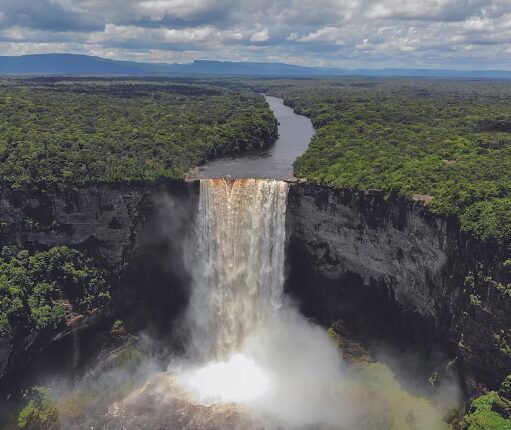
- Kaieteur Falls (one of the world's tallest single-drop waterfalls).
- Essequibo River (longest river in Guyana).
- Kanuku Mountains (biodiversity hotspot).
- Iwokrama Forest (protected rainforest reserve).
- Dominant Climate Type: Tropical rainforest climate (hot, humid, and wet year-round with heavy rainfall).
- Population: Sparse and primarily Indigenous communities (e.g., Macushi, Wapishana, and Wai-Wai peoples).
- Main Economic Activities:
- Small-scale gold and diamond mining.
- Eco-tourism and adventure travel.
- Subsistence farming and forestry.
- Common Languages/Dialects Spoken: English (official), Indigenous languages (e.g., Macushi, Wapishana), and Guyanese Creole.
- Best Time to Visit: Dry seasons (February–April and August–November) for easier travel and wildlife spotting.
- Unique Selling Points:
- Pristine, untouched rainforests teeming with biodiversity, including jaguars, giant otters, and harpy eagles.
- Rich Indigenous cultures and traditions, offering immersive cultural experiences.
Top Destinations
No related attractions found for this zone.
Tours and Day Trips
Kaieteur Falls Expedition
One of Guyana's crown jewels, Kaieteur Falls is a must-see for any visitor to the Hinterland and Rainforest region. This awe-inspiring waterfall, one of the world's most powerful single-drop falls, plunges 741 feet into the lush jungle below. The tour typically includes a scenic flight over the rainforest, offering breathtaking aerial views, followed by a guided hike to the falls. Perfect for adventure seekers and nature lovers, this full-day excursion immerses travelers in the raw beauty of Guyana's untouched wilderness.
Iwokrama Canopy Walkway Adventure
Experience the rainforest from a bird's-eye perspective on the Iwokrama Canopy Walkway, a thrilling suspension bridge system 100 feet above the forest floor. Located in the heart of the Iwokrama Rainforest, this tour allows visitors to spot rare wildlife like harpy eagles, howler monkeys, and colorful toucans. The walkway is accessible to most fitness levels, making it ideal for families and eco-tourists. The tour often includes a guided nature walk and insights into the region's conservation efforts.
Surama Village Cultural Immersion
Step into the vibrant culture of Guyana's indigenous Makushi people with a day trip to Surama Village. Nestled in the savannah and rainforest, this community-led tour offers hands-on experiences like traditional craft-making, cassava bread baking, and storytelling sessions. Visitors can also embark on a guided forest hike or a canoe trip along the Burro Burro River. This immersive experience is perfect for cultural enthusiasts and those seeking authentic connections with local communities.
Rewa Eco-Lodge River Safari
For an unforgettable wildlife encounter, the Rewa Eco-Lodge River Safari takes travelers deep into the Rupununi River's pristine ecosystems. Glide through blackwater creeks and oxbow lakes to spot giant river otters, caimans, and the elusive arapaima—one of the world's largest freshwater fish. The tour includes fishing demonstrations, birdwatching, and visits to hidden waterfalls. This full-day adventure is a dream come true for wildlife photographers and anglers.
Mount Roraima Trek (Multi-Day Excursion)
While technically spanning Guyana, Brazil, and Venezuela, the iconic Mount Roraima trek often begins in Guyana's Hinterland region. This otherworldly tabletop mountain, inspiration for Sir Arthur Conan Doyle's The Lost World, requires a 5-7 day guided trek through cloud forests and surreal rock formations. Suitable for experienced hikers, the journey rewards with panoramic views, endemic species, and swimming in crystal-clear natural jacuzzis. Porters and cooks are typically arranged for support.
When to visit
Best Time to Visit Hinterland and Rainforest
Guyana's Hinterland and Rainforest region offers a lush, biodiverse experience year-round, but the best time to visit depends on your priorities—whether it's avoiding heavy rains, witnessing wildlife, or enjoying cultural festivities. The region has two primary seasons: the dry season and the wet season, with transitional shoulder periods.
Seasonal Breakdown
Dry Season (Mid-September to Late November, February to April)
The dry season is the most popular time to visit, with lower rainfall and more predictable weather. Temperatures range from 24°C to 32°C (75°F to 90°F), and humidity is relatively lower. Trails are more accessible, and wildlife sightings—especially birds and mammals—are common near water sources.
- Pros: Ideal for hiking, river expeditions, and wildlife photography. Fewer mosquitoes and less risk of travel disruptions.
- Cons: Higher tourist numbers and slightly elevated prices, especially in February-April.
- Events: The Mashramani festival (February) celebrates Guyana's Republic Day with vibrant parades and music.
Wet Season (May to August, December to Early January)
Heavy rainfall dominates, with temperatures hovering around 22°C to 30°C (72°F to 86°F). Humidity is high, and some trails may flood, making remote areas harder to access. However, the rainforest is at its most vibrant, with waterfalls in full flow and fewer tourists.
- Pros: Lush scenery, dramatic waterfalls, and solitude. Lower accommodation rates.
- Cons: Travel delays due to muddy roads or river flooding. Some lodges may close.
- Events: Christmas and New Year (December) bring local celebrations, though travel can be challenging.
Shoulder Seasons (Late November to Early December, Late April to Early May)
These transitional periods offer a mix of dry and wet conditions. Rainfall is sporadic, and temperatures remain warm. It's a good time for travelers seeking a balance between accessibility and avoiding crowds.
- Pros: Moderate prices, fewer tourists, and decent weather for exploration.
- Cons: Unpredictable rain showers may disrupt plans.
Overall Recommendation
The best time to visit for most travelers is during the dry season (February to April), when conditions are optimal for outdoor activities. For budget-conscious travelers or those seeking lush landscapes, the early wet season (May-June) offers a unique, quieter experience. Avoid peak wet months (July-August) unless prepared for heavy rains.
Considerations
Peak tourist seasons (dry months) mean higher prices and busier lodges, while the wet season offers discounts but limited accessibility. Book accommodations and tours well in advance if visiting during festivals or dry periods.
What to pack
Essentials for Guyana's Hinterland and Rainforest
Guyana's rainforests are lush, humid, and teeming with wildlife. Pack smart to stay comfortable, dry, and protected from insects and unpredictable weather.
Clothing & Protection
- Quick-dry, long-sleeved shirts & pants: Protects against insects, sun, and thorny vegetation while staying cool.
- Lightweight rain jacket or poncho: Sudden downpours are common; opt for breathable materials.
- Sturdy, waterproof hiking boots: Essential for muddy trails and river crossings.
- Wide-brimmed hat with chin strap: Shields from sun and rain while staying secure in windy conditions.
Gear & Supplies
- DEET-based insect repellent (high concentration): Critical to deter mosquitoes and sandflies, especially in malaria-risk areas.
- Water purification tablets or filter: Safe drinking water isn’t always available in remote areas.
- Dry bags or waterproof cases: Keeps electronics, documents, and spare clothes dry during boat trips or heavy rain.
- Headlamp with extra batteries: Power outages are frequent, and nights in the rainforest are pitch-black.
Extras for Comfort & Exploration
- Compact binoculars: Guyana’s biodiversity is incredible—spot birds, monkeys, and other wildlife.
- Lightweight hammock with mosquito net: Useful for rustic lodges or impromptu rests during treks.
- Reusable electrolyte tablets: Prevents dehydration in the intense humidity.
Getting there
By Air
The most common way to reach Guyana's Hinterland and Rainforest is by flying into Cheddi Jagan International Airport (GEO) near Georgetown, the country's main international gateway. From there, domestic flights operated by Trans Guyana Airways or Roraima Airways connect to smaller airstrips in the hinterland, such as those near Lethem or Kaieteur Falls. Charter flights may also be arranged for remote areas.
- Book domestic flights in advance, as seats are limited.
- Travel time from GEO to hinterland airstrips ranges from 1 to 2 hours.
- From airstrips, local guides or lodges often arrange ground transport (4x4 vehicles or boats).
By Bus/Coach
Long-distance buses run from Georgetown to towns like Linden or Lethem, which serve as gateways to the hinterland. However, services are infrequent and roads can be rough.
- Buses depart from Georgetown's Stabroek Market or other hubs.
- Travel times vary widely (6+ hours to Lethem, depending on road conditions).
- From these towns, further travel into the rainforest typically requires 4x4 vehicles or riverboats.
By Car (Driving)
Driving to the Hinterland and Rainforest is possible but challenging. The Linden-Lethem Road is the primary route, but it's unpaved and often requires a 4x4 vehicle, especially in the rainy season.
- Rental cars are available in Georgetown, but ensure the vehicle is suitable for off-road conditions.
- Fuel stations are sparse beyond Linden—carry extra supplies.
- Hire a local driver familiar with the terrain if inexperienced.
Practical Advice
Traveling to Guyana's hinterland requires careful planning due to limited infrastructure.
- Domestic flights are the fastest but most expensive option.
- For overland travel, pack essentials (water, snacks, insect repellent).
- Check road conditions in advance, especially during rainy seasons (May-August, November-January).
- Many lodges or tour operators arrange transfers—confirm details when booking.
Getting around
Public Transport & Shared Vehicles
Public transport in Guyana's Hinterland and Rainforest is limited but adventurous. Minibuses operate on key routes between towns like Lethem, Linden, and Bartica, but schedules are irregular and often depart only when full. Shared taxis (known as "hire cars") are more reliable for shorter distances, especially in areas like the Rupununi savannah.
- Minibuses: Crowded but affordable; pay in cash (GYD) directly to the driver. Routes are informal—ask locals for departure points.
- Shared taxis: Faster than buses but pricier. Negotiate fares upfront; expect to share with other passengers.
Water Transport
Rivers are the lifelines of the Hinterland. Small boats and speedboats ("buckets") serve as water taxis, connecting remote villages and lodges along the Essequibo, Rupununi, and other rivers. Scheduled ferries run between Bartica and Parika, but private charters are more flexible for tourists.
- Speedboats: Book through lodges or local operators. Costs vary by distance (e.g., GYD 10,000–50,000 per person). Wear waterproof gear—rides can be wet!
- Traditional canoes: Used for short trips in indigenous communities; arrange with guides.
Walking & Cycling
Walking is viable in small towns like Bartica or Annai, but trails in the rainforest require guides due to wildlife and dense terrain. Mountain bikes can be rented in some eco-lodges for exploring savannahs or village paths.
- Rainforest hikes: Never venture alone; hire local guides (USD 20–50/day) for safety and knowledge.
- Biking: Best in dry seasons; roads are rough or unpaved. Bring repair kits.
Car & Motorcycle Rentals
4x4 vehicles are essential for Hinterland roads, which are often muddy or flooded. Rentals are rare outside Georgetown—book in advance through agencies like Rainforest Rentals. Motorcycles are popular in the Rupununi but require off-road experience.
- 4x4s: Expect high costs (USD 80–150/day). Fuel stations are sparse—carry extra.
- Motorcycles: Cheaper but risky; helmets and spare tires are a must.
Unique Local Transport
In indigenous villages, donkey carts or tractors may be used for short hauls. Charter small aircraft (e.g., Trans Guyana Airways) for quick access to airstrips like Karanambo or Iwokrama, but flights are weather-dependent.
- Donkey carts: Slow but scenic; negotiate fares with locals.
- Flights: Expensive (USD 200+ one-way) but save days of travel. Book via lodges.
Culture
Cultural Identity of the Hinterland and Rainforest
The Hinterland and Rainforest of Guyana is a mosaic of Indigenous cultures, Afro-Guyanese traditions, and the enduring legacy of colonial encounters. Unlike the coastal regions, this zone is defined by its remote, densely forested landscapes, where Indigenous peoples like the Macushi, Wapishana, and Patamona have thrived for centuries. The region's cultural identity is deeply tied to the land, with spiritual practices, oral histories, and subsistence lifestyles shaped by the rainforest's rhythms.
Indigenous Traditions and Practices
Indigenous communities here maintain ancestral knowledge of the rainforest, from medicinal plants to sustainable hunting techniques. Shamanism remains vital, with peaiman (spiritual healers) conducting rituals to commune with nature spirits. Traditional crafts like woven tibisiri baskets (made from arrowgrass) and carved wooden tools reflect a deep connection to the environment. Annual festivals, such as the Mashramani celebrations, blend Indigenous dance, drumming, and storytelling with contemporary influences.
Language and Oral Heritage
While English is Guyana's official language, Indigenous languages like Macushi and Wapishana are widely spoken in the Hinterland. Oral traditions are paramount, with elders passing down myths of the Kanaimà (vengeful spirits) or the creation stories of Kaieteur Falls. These narratives often encode ecological wisdom, guiding resource use and community norms.
Music and Dance
The region's music is a vibrant fusion of Indigenous, African, and Caribbean influences. Parichara dances, performed during harvest festivals, mimic animals and natural phenomena. Drumming circles feature the maraka (seed-filled gourd rattles) and warap (wooden drums), while modern genres like reggae and chutney have been adapted with local lyrics and rhythms.
Cuisine: Forest to Table
Hinterland cuisine relies on wild game, river fish, and foraged ingredients. Staples include:
- Pepperpot: A slow-cooked meat stew flavored with cassareep (bitter cassava syrup).
- Farine: Toasted cassava flour, often eaten with smoked fish or game.
- Labba or wild deer: Roasted or stewed, seasoned with local herbs like culantro.
Communal meals, cooked in benabs (thatched shelters), are central to social life.
Colonial and Contemporary Influences
Though remote, the region bears traces of Dutch and British colonialism, seen in place names like Bartica (derived from an Indigenous term for "red earth"). Missionary schools introduced Christianity, yet syncretic beliefs persist. Today, mining and eco-tourism bring new cultural exchanges, with Indigenous guides blending traditional knowledge with modern conservation efforts.




