Surama
Nestled in Guyana's rainforest, Surama Village is a serene indigenous community offering authentic eco-tourism, wildlife spotting, and cultural immersion amid lush savannas and the Pakaraima Mountains. A hidden gem for nature lovers.
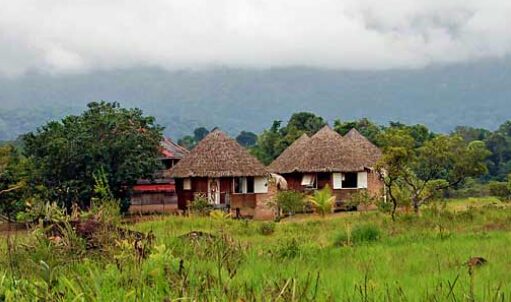
Nestled in Guyana's Rupununi savannahs, Surama is a tranquil indigenous village where time moves to the rhythm of nature. The Makushi people welcome travelers into their world of forest trails, traditional benabs, and star-strewn nights. Here, the savannah meets the jungle, offering rare wildlife encounters and a glimpse into a way of life harmonized with the earth—simple, profound, and quietly extraordinary.
Destination Facts
- Official Name: Surama Village
- Type of Destination: Village
- Brief Description: A serene indigenous Makushi community nestled in the heart of Guyana's Rupununi savannahs, offering an authentic glimpse into traditional Amerindian life and pristine rainforest ecosystems.
- Location: Central Rupununi, Southern Savannahs region, Guyana
- Year Established/Founded: N/A
- Governing Body/Management: Village Council (Toshao-led)
- Significance/Known For: Sustainable ecotourism model, rich Makushi cultural heritage, and proximity to the Iwokrama Rainforest.
- Size/Area: N/A
- Population: Approximately 300 residents
- Main Attractions/Key Features:
- Surama Mountain hike with panoramic savannah views
- Cultural demonstrations (crafts, cassava bread-making)
- Wildlife spotting along the Burro Burro River
- Best Time to Visit: Dry season (September to April) for optimal wildlife viewing and trekking conditions.
- Entrance Fee/Ticket Info: Community fees apply for guided activities; arrange through Surama Eco-Lodge.
- Operating Hours: N/A (open community)
- Website: N/A (contact typically via Guyana Tourism Authority)
Essentials
- Best Months to Visit: January, February, November, December
History
A Glimpse into Surama’s Past
Nestled in the heart of Guyana’s Rupununi Savannahs, Surama is a village steeped in the traditions of the Makushi people, one of Guyana’s indigenous Amerindian groups. Unlike colonial settlements or urban centers, Surama’s history is woven into the rhythms of nature and the resilience of its inhabitants. For centuries, the Makushi have lived in harmony with the savannahs and rainforests, their way of life shaped by hunting, fishing, and small-scale agriculture. The village as it exists today emerged as a focal point for the community, blending ancestral customs with gradual modernization.
Key Historical Dates
- Pre-Colonial Era: The Makushi people inhabited the Rupununi region long before European contact, developing a deep knowledge of the land and its ecosystems. Their oral traditions and sustainable practices remain integral to Surama’s identity.
- 19th Century: The arrival of British colonial influence in Guyana brought indirect changes to the region, though Surama’s remoteness preserved much of its traditional way of life. Missionaries and traders began sporadic contact with the Makushi.
- 20th Century: The mid-1900s saw the formal establishment of Surama as a village, with the Makushi asserting their land rights amid Guyana’s independence movement (1966). Community-led ecotourism initiatives began in the late 20th century, positioning Surama as a model for sustainable indigenous tourism.
Modern Surama
Today, Surama stands as a testament to the Makushi people’s adaptability. The village has embraced ecotourism, offering travelers an authentic glimpse into indigenous culture while preserving its ecological heritage. Historical narratives here are not etched in stone monuments but in the stories shared by elders and the enduring practices of daily life.
Tours and Day Trips
Surama Village Cultural Immersion
Experience the heart of Makushi culture with a guided tour of Surama Village, where visitors engage with local traditions, crafts, and daily life. Learn about medicinal plants, traditional farming techniques, and the village’s sustainable practices. This half-day excursion is ideal for cultural enthusiasts and families seeking an authentic connection with Guyana’s indigenous heritage.
Iwokrama Canopy Walkway Adventure
Venture into the lush rainforest of the Iwokrama Reserve, approximately two hours from Surama, to traverse its famed canopy walkway. Suspended 30 meters above the forest floor, the walkway offers unparalleled views of the biodiversity below, including rare birds and monkeys. A full-day trip, this is perfect for nature lovers and adventure seekers.
Burro Burro River Canoe Expedition
Glide along the serene Burro Burro River in a traditional dugout canoe, guided by local experts. Spot giant river otters, caimans, and vibrant birdlife while learning about the river’s ecological significance. This half-day journey, easily accessible from Surama, suits those who appreciate tranquil yet immersive wildlife encounters.
Pakaraima Mountains Trek
For the intrepid, a day-long trek into the Pakaraima Mountains reveals dramatic landscapes, hidden waterfalls, and panoramic savannah views. The hike, led by experienced local guides, includes stops at sacred Makushi sites. Best suited for physically active travelers with a passion for geology and indigenous history.
Rupununi Savannah Sunset Tour
A short drive from Surama, the vast Rupununi Savannah transforms at dusk. This evening excursion includes wildlife spotting—such as capybaras and jabirus—against a backdrop of fiery sunsets. A gentle, two-hour tour ideal for photographers and those seeking quiet reflection in nature’s grandeur.
When to visit
Best Time to Visit Surama
Surama, a tranquil village nestled in Guyana's Rupununi and Southern Savannahs, offers a distinct rhythm of seasons that shape the ideal time for a visit. The village experiences two primary seasons—dry and wet—each with its own allure and considerations for travelers.
Dry Season (Late November to April)
The dry season is marked by warm, sunny days and cooler nights, with temperatures ranging from 25°C to 35°C (77°F to 95°F). Rainfall is minimal, making it the most accessible time for exploration.
- Pros: Ideal for hiking, wildlife spotting, and river excursions. Roads are passable, and the savannah landscapes are golden and striking.
- Cons: Higher daytime temperatures can be intense for some travelers. Wildlife may retreat to shaded areas, making sightings slightly less frequent.
- Events: The annual Rupununi Rodeo (Easter weekend) in nearby Lethem draws visitors with cowboy competitions and local culture.
Wet Season (May to Early November)
The wet season brings lush greenery and frequent rainfall, with temperatures between 22°C to 30°C (72°F to 86°F). Humidity rises, and afternoon showers are common.
- Pros: The landscape is vibrant, and birdwatching is exceptional. Fewer tourists mean a more intimate experience.
- Cons: Some trails may be muddy or inaccessible. River levels rise, limiting certain activities.
- Events: Local harvest festivals occasionally occur, offering glimpses into indigenous traditions.
Overall Recommendation
For most travelers, the dry season (late November to April) is optimal, balancing pleasant weather and accessibility. However, those seeking solitude and verdant scenery may prefer the early wet season (May to June), when rains are less intense.
Considerations
The dry season coincides with peak tourism, so accommodations may book early. The wet season offers lower prices but requires flexibility due to weather. Regardless of timing, Surama’s quiet charm and rich cultural heritage shine year-round.
What to pack
What to Pack for Surama Village
Surama, nestled in Guyana’s Rupununi savannahs, is a remote indigenous village where the rhythms of nature dictate daily life. Packing thoughtfully ensures comfort and respect for the local environment and culture.
For the Savannah Climate
- Lightweight, Long-Sleeved Clothing: Protects against intense sun and insects while remaining breathable in the tropical heat.
- Wide-Brimmed Hat & Sunglasses: Essential for shielding against the unrelenting equatorial sun.
- Quick-Dry Fabrics: Sudden rain showers are common; materials that dry swiftly are practical.
For Village Life & Exploration
- Sturdy Closed-Toe Shoes: The terrain is uneven—think dirt paths and savannah trails—requiring supportive footwear.
- Reusable Water Bottle with Filter: Clean drinking water may be limited; self-sufficiency is key.
- Biodegradable Toiletries: Respect the delicate ecosystem by avoiding harsh chemicals.
For Cultural Sensitivity
- Modest Attire: Lightweight but covering shoulders and knees shows respect for local customs.
- Small Gifts for Hosts: Items like notebooks, pencils, or useful tools are appreciated gestures in the village.
Practical Extras
- Headlamp or Flashlight: Electricity is sporadic; reliable light is indispensable after dusk.
- Notebook & Pen: Ideal for jotting down stories or lessons shared by Surama’s residents.
Culture
The Makushi Heartland: A Living Cultural Tapestry
Surama, a Makushi Indigenous village nestled in Guyana's Rupununi savannahs, offers a rare glimpse into a way of life harmoniously intertwined with the natural world. Unlike larger towns in the region, Surama remains deeply rooted in Makushi traditions, where the rhythms of daily life follow ancestral customs. The village itself—a cluster of thatched-roof benabs (traditional huts) surrounded by sprawling grasslands and the Pakaraima Mountains—feels suspended in time, yet vibrantly alive.
Language & Oral Traditions
The Makushi language, still spoken fluently here, carries nuances absent in English or even other Indigenous dialects of Guyana. Elders recount pemon (myths) under starlit skies, stories of Kanaimà (spirit healers) and the exploits of the trickster Sigu. Visitors may hear unique phrases like "Mîî tîîpî" ("I am going to the river"), reflecting the community's intimate connection to the land. Language here is not merely communication but a vessel of ecological knowledge.
Artisanal Craftsmanship
Surama's artisans specialize in carawe (woven baskets) from ité palm, dyed with natural pigments like annatto seeds for deep reds. Each pattern tells a story—zigzags representing the Pakaraima foothills, concentric circles symbolizing waterholes. Unlike mass-produced crafts elsewhere, these works are made only during specific lunar phases, a tradition believed to ensure durability. Women also craft beaded aprons for ceremonial dances, their designs passed down through matrilineal lines.
Distinctive Culinary Practices
Food here is an act of reciprocity with nature. The communal pepper pot differs from coastal versions: wild meat (labba or tapir) is slow-cooked in cassava juice (kujai) with mountain herbs. Unique to Surama is the preparation of farine (toasted cassava flour)—not just as a staple but as a ceremonial offering, sprinkled during blessings. Meals are often shared on woven mats, with guests served first as a sign of respect.
Festivals & Rituals
The Mîrî Festival, held after the first rains, is Surama's most distinctive celebration. Unlike Guyana's national Mashramani, it features the Parichara Dance, where men don headdresses of harpy eagle feathers to reenact hunting tales. Visitors might witness the shamanic bee dance, performed to appease spirits before harvesting wild honey—a ritual absent in neighboring villages.
Social Etiquette for Visitors
- Seek permission before photographing individuals; some believe cameras capture part of the soul.
- Gifts of tobacco leaves or sewing thread are appreciated, but avoid alcohol—it’s rarely consumed in Surama.
- When entering a benab, pause at the entrance until acknowledged; rushing in is considered disruptive.
The Quiet Power of Silence
Conversations here often include deliberate pauses—silence is not awkward but a sign of contemplation. Interrupting an elder mid-story is frowned upon, and visitors are encouraged to embrace this slower cadence. It reflects the Makushi philosophy of waiting to listen rather than listening to reply.




