La Calera
A charming town in Colombia's Cundinamarca Department, La Calera offers breathtaking Andean landscapes, scenic hiking trails, and a peaceful escape just minutes from bustling Bogotá. Ideal for nature lovers and weekend adventurers.
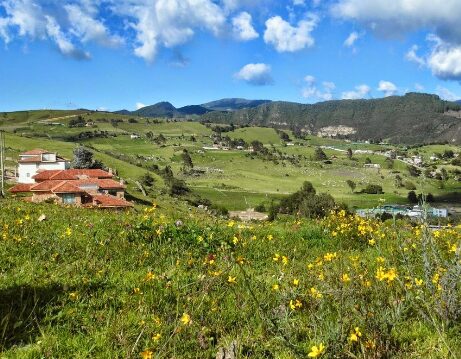
Nestled in Colombia's Andean highlands, La Calera charms with its crisp mountain air and serene vistas just a short escape from Bogotá. This tranquil town, cradled by the Cundinamarca hills, offers rustic cafés, winding trails, and a slower pace—where the scent of eucalyptus mingles with the warmth of local hospitality. A discreet retreat for those seeking nature without forsaking comfort.
Destination Facts
- Official Name: La Calera
- Type of Destination: City
- Brief Description: A tranquil Andean town known for its scenic landscapes, proximity to Bogotá, and traditional Colombian charm.
- Location: Eastern Andes, approximately 20 kilometers northeast of Bogotá in the Cundinamarca Department.
- Year Established/Founded: 1772 (as a parish)
- Governing Body/Management: Municipal Council of La Calera
- Significance/Known For: Gateway to the Chingaza Natural National Park, panoramic views of the Bogotá savanna, and a popular weekend retreat for locals.
- Size/Area: Approximately 317 square kilometers
- Population: Around 27,000 inhabitants
- Main Attractions/Key Features:
- Chingaza Natural National Park (access point for hiking and biodiversity)
- Mirador de La Calera (stunning viewpoints over Bogotá)
- Traditional Colombian restaurants serving local dishes like ajiaco
- Best Time to Visit: Dry season (December to March) for clear views and outdoor activities.
- Entrance Fee/Ticket Info: Free access to the town; Chingaza Park requires permits (check official park website).
- Operating Hours: N/A (town accessible year-round)
- Website: Official Municipal Site
Essentials
- Best Months to Visit: January, February, November, December
History
A Brief History of La Calera
Nestled in the Andean highlands of Colombia's Cundinamarca Department, La Calera is a town with a quiet yet intriguing past. Its name, meaning "the lime kiln," hints at its colonial-era origins as a center for lime production, a material essential for the construction of Bogotá and other nearby settlements. Founded during the Spanish colonial period, La Calera served as a vital supplier of lime, extracted from its surrounding hills, for the grand churches and buildings of the region. Over time, it evolved from a modest mining outpost into a picturesque retreat for Bogotá's elite, drawn by its crisp mountain air and sweeping views of the Sabana de Bogotá.
Key Historical Dates
- 1600s: Established as a lime-producing settlement under Spanish colonial rule, supplying construction materials for Bogotá's growing infrastructure.
- 19th Century: Transitioned from a mining hub to an agricultural and recreational area, attracting wealthy families from Bogotá seeking respite in its temperate climate.
- 20th Century: Became a favored weekend destination for Bogotanos, with the development of country homes and the expansion of road access, solidifying its role as a tranquil escape from the city.
Colonial Legacy and Modern Transformation
Though La Calera's lime kilns have long since faded into history, their legacy lingers in the town's name and its early economic identity. The colonial-era Church of Nuestra Señora de la Valvanera, constructed with the very lime mined here, stands as a testament to this period. In the modern era, La Calera has embraced its dual identity—both as a gateway to the páramo ecosystems of the Andes and as a charming enclave of rural Colombian life, where the past and present harmoniously coexist.
Tours and Day Trips
Popular Tours & Day Trips from La Calera
1. Parque Ecológico Matarredonda
Just a short drive from La Calera, this ecological park offers a serene escape into nature. Visitors can explore well-marked trails winding through cloud forests, spot native wildlife, and enjoy panoramic views of the Andean landscape. Ideal for families and nature lovers, the park also features picnic areas and a small lake. The excursion typically takes half a day.
2. Laguna de Guatavita
A journey to this mystical lagoon, steeped in Muisca legend, is a must for history buffs and those intrigued by Colombia's pre-Columbian past. The circular lake, nestled in a crater, is said to be the origin of the El Dorado myth. Guided tours explain its cultural significance while the surrounding trails offer gentle hikes. The trip from La Calera takes about an hour by car.
3. Catedral de Sal de Zipaquirá
This extraordinary underground cathedral, carved into a salt mine, is a marvel of engineering and artistry. A day trip here reveals illuminated chambers, crosses, and altars sculpted from salt, alongside a museum detailing the mining history. Suitable for all travelers, the site is approximately a 90-minute drive from La Calera, making it a compelling half-day excursion.
4. Hiking in Chingaza National Park
For adventure seekers, a guided hike through Chingaza's páramo ecosystem is unforgettable. The park's rugged trails lead to glacial lakes, waterfalls, and rare flora like frailejones. Due to its high altitude, it’s best suited for those acclimated to the Andes. The park entrance is roughly two hours from La Calera, requiring an early start.
5. Gastronomic Tour of La Calera
A more local experience, this tour introduces visitors to the town’s culinary traditions. Sample andean delicacies like tamales and ajíaco, paired with fresh fruit juices or canelazo. Stops often include small farms or markets, offering insight into rural life. Perfect for food enthusiasts, the tour can be arranged as a half-day activity.
When to visit
Best Time to Visit La Calera
Seasonal Breakdown
La Calera, nestled in Colombia's Andean Region, experiences a mild mountain climate with two primary seasons: the dry season (December to March and July to August) and the rainy season (April to June and September to November). Temperatures remain relatively stable year-round, averaging 12°C to 18°C (54°F to 64°F), though nights can be chilly.
Dry Season (December–March, July–August)
During these months, clear skies and minimal rainfall make outdoor activities particularly enjoyable. Mornings are crisp, while afternoons are pleasantly warm—ideal for hiking in the surrounding Andean landscapes or exploring the town's colonial charm.
- Pros: Optimal visibility for scenic views, fewer disruptions to travel plans, and vibrant local markets.
- Cons: Higher tourist traffic, especially in December and January, leading to slightly elevated accommodation prices.
Notable events include the Festival de Luces in early December, a celebration of lights and local culture, and the quieter but equally charming Feria Ganadera in July, showcasing regional agriculture.
Rainy Season (April–June, September–November)
Rainfall is more frequent, often in short afternoon showers, but mornings typically remain clear. The landscape becomes lush, offering photographers and nature lovers a verdant backdrop.
- Pros: Fewer tourists, lower prices, and a serene atmosphere. The misty hills create a poetic ambiance.
- Cons: Some trails may be muddy, and spontaneous downpours can disrupt outdoor plans.
In September, the Fiesta Patronal honors the town's patron saint with processions and traditional music, a delightful immersion into local traditions.
Overall Recommendation
The dry months of December to March are ideal for travelers seeking reliable weather and lively events. For those preferring solitude and lower costs, the shoulder months of July or September strike a balance between pleasant conditions and fewer crowds. Adventurous visitors might appreciate the rainy season's dramatic landscapes, provided they pack accordingly.
Considerations
Peak seasons coincide with Colombian holidays, such as Christmas and Semana Santa (Holy Week), when domestic tourism surges. Weekdays outside these periods offer a more tranquil experience. Many small businesses may adjust hours during the rainy season, so verifying opening times is advisable.
What to pack
What to Pack for La Calera
La Calera, nestled in Colombia's Andean highlands, offers a blend of urban charm and mountainous terrain. The climate is mild but variable, with cool evenings and occasional rain. Pack thoughtfully for city strolls, scenic viewpoints, and local cafés.
Clothing & Accessories
- Lightweight Layers: Days can be warm, but temperatures drop quickly after sunset. A breathable jacket or cardigan is ideal.
- Comfortable Walking Shoes: Cobbled streets and hilly paths demand supportive footwear—stylish sneakers or sturdy flats work well.
- Foldable Umbrella or Waterproof Shell: Sudden showers are common; opt for compact rain protection.
Outdoor Essentials
- Reusable Water Bottle: Stay hydrated while exploring; tap water is generally safe, but filtered bottles add reassurance.
- Sun Protection: High-altitude sun is strong—pack sunglasses and SPF 30+ sunscreen, even on cloudy days.
- Small Daypack: For carrying essentials during visits to nearby nature spots like Cerro de Monserrate.
Extras
- Local Currency (Small Bills): Many cafés and markets prefer cash, especially outside the city center.
- Spanish Phrasebook or App: English is less common here; basic phrases enhance interactions.
Culture
La Calera: A Highland Retreat with Rustic Charm
Nestled in the Andean highlands just northeast of Bogotá, La Calera is a quiet yet culturally rich escape from the capital’s bustle. Its proximity to the city has shaped a unique blend of rural traditions and cosmopolitan influences, making it distinct within Cundinamarca. The town’s identity revolves around its agrarian roots, mountain vistas, and a slower, more contemplative way of life.
Local Traditions & Social Customs
La Calera’s social fabric is woven with campesino (rural) customs, where neighbors still greet each other with a warm "¿Qué más?"—a colloquialism softened by the local accent. Sundays are reserved for family gatherings, often centered around asados (barbecues) featuring carne oreada, a regional specialty of air-dried beef. Visitors might notice the unhurried pace; even commerce follows the rhythm of the highland sun, with shops closing early for onces (afternoon tea).
Cuisine: A Taste of the Mountains
The local cuisine reflects the rugged terrain. Beyond the ubiquitous ajiaco (a potato and chicken soup), La Calera’s kitchens serve sobrebarriga (flank steak stewed with herbs) and papas criollas harvested from nearby farms. A must-try is queso campesino, a fresh cheese often paired with guayaba (guava) or drizzled with melao (cane syrup). For a sweet finish, seek out almojábanas, cheese breads baked in wood-fired ovens.
Festivals & Seasonal Rhythms
While La Calera lacks grandiose festivals, its intimate celebrations reveal its character. The Fiesta del Campesino in June honors agrarian life with horseback parades and torbellinos, a traditional dance accompanied by tiples (small guitars). December brings alumbrados navideños, where residents decorate the town square with handcrafted lanterns—a quieter, more personal take on Colombian holiday exuberance.
Arts & Craftsmanship
The town’s artisans are known for tejeduría (weaving), particularly wool ruanas (ponchos) dyed with natural pigments. Workshops along the old road to Bogotá often welcome visitors to observe the process. La Calera also has a niche reputation for cerámica negra, a style of black pottery distinct from the more famous Ráquira tradition, with simpler, utilitarian designs.
Practical Etiquette for Visitors
- Dress modestly when visiting the Capilla de Siecha, a 17th-century chapel still in use.
- Always greet shopkeepers before browsing—a nod to the town’s small-community ethos.
- If invited to a home, bringing fresh fruit or artisanal cheese is appreciated.




