Brandberg
Brandberg, Namibia's highest mountain in the Erongo Region, is a striking natural wonder famed for its ancient rock art, including the iconic White Lady, and rugged hiking trails through breathtaking desert landscapes.
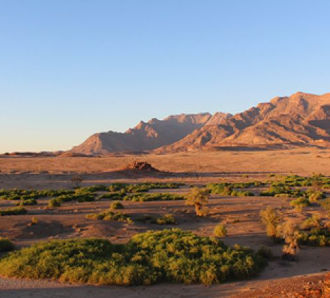
Rising like a sentinel from the ochre sands of the Namib Desert, Brandberg—Namibia's highest peak—beckons with its ancient mystique. Its granite slopes, etched with millennia-old rock art, whisper tales of the San people, while the stark beauty of the surrounding desert enchants. A pilgrimage for hikers and dreamers alike, it is a place where earth and sky converse in silence.
Faits sur la destination
- Official Name: Brandberg Massif
- Type de destination: Montagne
- Brief Description: The highest mountain in Namibia, Brandberg is a striking granite massif rising abruptly from the surrounding Namib Desert, renowned for its ancient rock art and dramatic landscapes.
- Location: Erongo Region, northwestern Namibia, within the Namib Desert.
- Significance/Known For: Home to the iconic "White Lady" rock painting, part of a larger collection of prehistoric San (Bushman) art, and a UNESCO tentative site for its cultural and geological importance.
- Size/Area: Approximately 650 km² (250 sq mi).
- Main Attractions/Key Features:
- The "White Lady" rock painting in the Tsisab Ravine.
- Königstein, the highest peak at 2,573 meters (8,442 ft).
- Unique desert-adapted flora and fauna, including the Brandberg acacia and rare reptiles.
- Best Time to Visit: May to September (cooler, dry season; avoid extreme summer heat).
- Entrance Fee/Ticket Info: Yes, fees apply for guided access to certain areas; check with local tour operators or the Namibian Ministry of Environment and Tourism.
- Website: N/A (No prominent official site; consult Namibia Tourism Board resources).
L'essentiel
- Best Months to Visit: January, February, June, July, August, September
Histoire
History of Brandberg
Rising dramatically from the arid plains of the Namib Desert, Brandberg—Namibia's highest mountain—holds a mystique shaped by both geological forces and human history. Its name, meaning "Fire Mountain" in Afrikaans, references the fiery glow it takes on at sunset, though its indigenous Damara name, Dâures, speaks to its spiritual significance. Composed of granite formed over 120 million years ago, Brandberg is a relic of volcanic activity, its rugged peaks sculpted by millennia of erosion. But its true allure lies in the ancient rock art left by the San people, whose presence here dates back thousands of years.
The mountain's most famous archaeological treasure, the White Lady rock painting, was discovered in 1918 and sparked debate over its origins—some scholars suggest it may depict a shaman or even reflect Mediterranean influences. Beyond this enigmatic figure, thousands of other paintings adorn the Tsisab Ravine and other shelters, offering glimpses into the rituals and daily life of early inhabitants. European explorers and geologists began documenting Brandberg in the late 19th century, but it remains a place where the past feels palpably close.
Dates historiques clés
- 120 million years ago: Brandberg's granite core forms during intense volcanic activity, later exposed by erosion.
- 2,000–4,000 years ago: San hunter-gatherers create rock art throughout the mountain's shelters, including the White Lady.
- 1918: German explorer Reinhard Maack discovers the White Lady painting, drawing international attention to Brandberg's archaeological significance.
- 1952: The mountain and surrounding area are declared a national monument, protecting its cultural heritage.
- 2007: Brandberg becomes part of the Erongo Cultural Landscape, recognized for its geological and anthropological importance.
Visites et excursions d'une journée
Brandberg Mountain Guided Hike
Ascend the highest peak in Namibia with a guided hike up Brandberg Mountain, an imposing granite massif rising from the Namib Desert. The journey to the summit, Königstein (2,573m), is a challenging yet rewarding full-day excursion, offering panoramic views of the arid landscape. Along the way, hikers may encounter ancient rock art, including the famous White Lady painting, a testament to the region’s rich San heritage. Suitable for experienced trekkers and those with a keen interest in geology and archaeology.
White Lady Rock Art & Tsisab Ravine Exploration
Discover the enigmatic White Lady rock painting, nestled within the rugged Tsisab Ravine at the foot of Brandberg. This half-day tour combines a moderate walk through dramatic rock formations with insights into the spiritual and artistic legacy of the San people. The site, accessible via a short hike, reveals hundreds of other prehistoric artworks, making it a must for history buffs and cultural enthusiasts. The excursion is family-friendly, though young children may need assistance on uneven terrain.
Namib Desert & Ugab River Valley 4x4 Safari
Venture into the stark beauty of the Namib Desert on a 4x4 safari that traverses the ephemeral Ugab River Valley. This full-day adventure showcases the desert’s surreal landscapes—golden dunes, volcanic plains, and rare desert-adapted wildlife such as oryx and ostrich. A stop at a secluded spring offers a chance to spot smaller creatures like lizards and beetles. Ideal for photographers and nature lovers, the tour includes a picnic lunch under the shade of ancient camelthorn trees.
Twyfelfontein Rock Engravings & Organ Pipes
A scenic two-hour drive from Brandberg leads to Twyfelfontein, a UNESCO World Heritage Site renowned for its thousands of prehistoric petroglyphs. This day trip includes a guided walk among the open-air gallery of rock engravings, depicting animals and symbolic motifs, followed by a visit to the striking Organ Pipes basalt formations. The excursion appeals to those fascinated by ancient cultures and geological wonders, with light walking suitable for most travelers.
Messum Crater & Welwitschia Plains Expedition
Journey to the otherworldly Messum Crater, a volcanic caldera surrounded by the hauntingly beautiful Welwitschia Plains. This full-day 4x4 tour explores one of Namibia’s most remote and untouched landscapes, where the ancient Welwitschia mirabilis plants thrive. The crater’s vast silence and lunar-like terrain create an unforgettable experience for solitude seekers and geology aficionados. A packed lunch is enjoyed amidst the stark grandeur of the desert.
Quand visiter
Best Time to Visit Brandberg
Répartition saisonnière
Brandberg, Namibia's highest mountain, rises dramatically from the Namib Desert, offering a stark yet mesmerizing landscape. Its climate is arid, with distinct seasonal variations that influence the ideal time for exploration.
Saison sèche (mai-octobre)
The dry season is the most favorable period for visiting Brandberg. Days are warm, with temperatures ranging from 20°C to 30°C, while nights can drop to 5°C or lower, especially in June and July. Rainfall is negligible, and skies remain clear, providing excellent visibility for hiking and photography.
- Pros: Ideal for trekking to the summit or exploring ancient rock art sites like the White Lady. Wildlife sightings, particularly desert-adapted species, are more frequent near water sources.
- Cons: Midday heat can be intense, requiring early starts for hikes. Nights are chilly, necessitating warm clothing.
June and July coincide with Namibia's peak tourist season, so expect moderate crowds at popular trailheads. Lodges and guided tours may require advance booking.
Saison humide (novembre-avril)
This period brings sporadic rainfall, often in short, heavy bursts. Daytime temperatures soar to 35°C or higher, with high humidity in January and February. Flash floods can temporarily render some routes impassable.
- Pros: The landscape briefly transforms with ephemeral wildflowers and greener valleys—a rare sight in the desert. Fewer tourists mean solitude for those who brave the heat.
- Cons: Extreme heat makes strenuous activities hazardous. Some trails may close due to flooding or rockfalls.
Local festivals are scarce, but the Erongo region hosts occasional cultural events in December, such as the Namib Desert Festival, celebrating indigenous heritage.
Shoulder Seasons (April & October)
These transitional months offer a balance: temperatures are milder (15°C–28°C), and rainfall is unlikely. April retains some greenery from the wet season, while October signals the return of cooler, drier weather.
- Pros: Fewer visitors compared to peak season, yet conditions remain comfortable for outdoor activities.
- Cons: Unpredictable winds in October can stir up dust, affecting visibility.
Recommandation générale
For most travelers, May to September is optimal, combining pleasant daytime temperatures and minimal rainfall. Adventurers seeking solitude might prefer April or October, while those intrigued by the desert's fleeting blooms should consider January–March—though heat precautions are essential.
Considérations
Peak season (June–August) sees higher accommodation rates and busier trails. Off-peak visits offer lower prices but require flexibility for weather disruptions. Guided tours to Brandberg's rock art sites operate year-round, though midday excursions are discouraged in summer.
Ce qu'il faut emporter
What to Pack for Brandberg
Brandberg, Namibia's highest peak, rises starkly from the Namib Desert, offering rugged terrain and extreme temperature shifts. Packing requires a balance of desert survival essentials and mountain hiking preparedness.
Vêtements et protection
- Lightweight, long-sleeved shirts & pants: Shield against the desert sun and abrasive rocks while hiking.
- Sturdy hiking boots with ankle support: Essential for navigating loose scree and uneven trails.
- Wide-brimmed hat & UV-blocking sunglasses: The desert sun is relentless, even at higher elevations.
- Insulating layer (fleece or down jacket): Nights and early mornings can be surprisingly cold in the desert.
Hydration & Navigation
- 3+ liter hydration bladder or water bottles: Water sources are nonexistent; carry more than you think you’ll need.
- Electrolyte tablets or rehydration salts: Combat dehydration from dry heat and exertion.
- Detailed topographic map & compass: Trails are often unmarked, and GPS signals can be unreliable.
Miscellaneous Essentials
- High-SPF sunscreen (50+) and lip balm: The thin desert air offers little UV protection.
- Headlamp with extra batteries: For pre-dawn starts or unexpected delays on the trail.
- Lightweight gaiters: Keep sand and pebbles out of your boots during desert crossings.
Culture
The Rock Art of Brandberg
Brandberg, Namibia's highest mountain, is a sacred site for the indigenous San people, whose ancient rock paintings—particularly the famous White Lady—offer a window into their spiritual and cultural heritage. These artworks, dating back thousands of years, depict shamanic rituals, hunting scenes, and mythological beings. Unlike other rock art sites in Namibia, Brandberg's depictions are notable for their intricate detail and use of ochre pigments, reflecting a deep connection to the land.
San Cultural Legacy
The San, or Bushmen, consider Brandberg a place of spiritual significance, where ancestors communicated with the divine. Visitors may encounter local guides from the Damara or Herero communities, who share oral histories passed down through generations. The mountain's name, Daures in the Damara language, translates to "burning mountain," a reference to its fiery hues at sunset.
Etiquette for Visitors
- Respect sacred sites by not touching or defacing rock art.
- Engage with local guides to support community-led tourism.
- Seek permission before photographing individuals or rituals.
Unique Craft Traditions
Nearby Uis, a small settlement at Brandberg's base, is known for its semi-precious stone carvings. Artisans craft miniature wildlife figures from local tourmaline and amethyst, a tradition blending San symbolism with modern techniques. These pieces are distinct from mass-produced souvenirs found elsewhere in Namibia.
Seasonal Festivals
While Brandberg itself hosts no large festivals, the nearby Erongo Cultural Festival occasionally features performances by San storytellers and Damara Nama dancers, showcasing traditional music with instruments like the !nara (a bow harp). The rhythms and chants often echo Brandberg's spiritual resonance.
Notes culinaires
Local cuisine here is shaped by survival in the arid Namib. Game meats like oryx, prepared over open fires, are paired with wild-harvested !nara melon seeds—a staple for the San. Unlike coastal Namibia, seafood is absent; instead, meals emphasize drought-resistant ingredients.




