Nord de la Namibie
Northern Namibia is a land of raw beauty and cultural richness, where the otherworldly landscapes of Etosha National Park meet the vibrant traditions of the Himba people. From wildlife-packed savannas to the cascading Epupa Falls, this region offers adventure and authenticity in equal measure. Discover untamed wilderness, ancient tribes, and star-studded skies—an unforgettable escape into Africa’s wild heart.
L'essentiel
- Best Months to Visit: January, February, May, June, July, August, September
zone Faits
- Geographical Location: Northern Namibia is a vast, semi-arid to arid region in the northern part of Namibia, bordering Angola to the north and Botswana to the east.
- Main City/Town: Oshakati, a key urban and administrative hub, serves as the principal town for this zone.
- Approximate Area: N/A (Northern Namibia spans multiple regions, including Omusati, Oshana, Ohangwena, and Oshikoto, but exact zone boundaries are not uniformly defined.)
- Key Geographical Features:
- Etosha Pan, a massive salt pan and centerpiece of Etosha National Park.
- Kunene River, forming part of the northern border with Angola.
- Ovambo Basin, a fertile lowland area supporting agriculture.
- Dominant Climate Type: Semi-arid to arid, with hot summers (October–April) and mild winters (May–September). Rainfall is seasonal and concentrated in summer.
- Population: Approximately 1.2 million (estimates vary; this zone includes densely populated areas like the Ovambo settlements).
- Main Economic Activities:
- Subsistence farming (mahangu/millet, livestock).
- Tourism centered around Etosha National Park.
- Small-scale trade and informal markets.
- Common Languages/Dialects Spoken: Oshiwambo dialects (dominant), with English and Afrikaans used in official contexts.
- Best Time to Visit: May–September (dry season), when wildlife congregates at waterholes in Etosha and temperatures are milder.
- Unique Selling Points:
- Etosha National Park, one of Africa’s premier wildlife destinations.
- Rich cultural heritage of the Ovambo people, including traditional homesteads and crafts.
Destinations principales

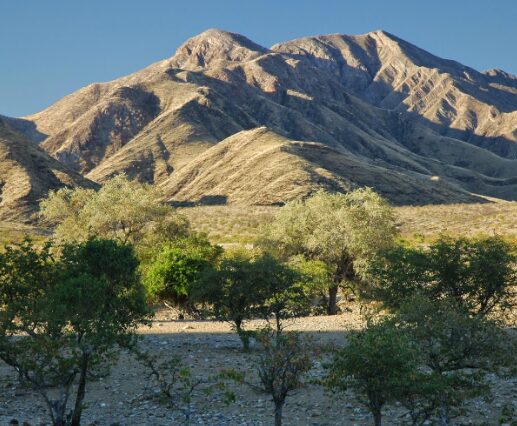
Damaraland
A rugged wilderness in Namibia's Kunene Region, Damaraland mesmerizes with…
Lire la suite
Kaokoland
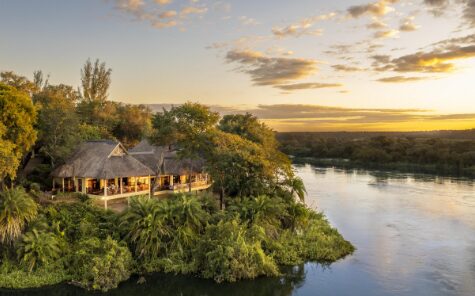
A rugged, remote wilderness in Namibia's Kunene Region, Kaokoland captivates…
Lire la suite




Aucune attraction connexe n'a été trouvée pour cette zone.
Visites et excursions d'une journée
Etosha National Park Safari
One of Africa's premier wildlife destinations, Etosha National Park is a must-visit for nature enthusiasts. Spanning over 22,000 square kilometers, the park is home to elephants, lions, rhinos, and countless other species. Visitors can embark on guided game drives or self-drive adventures, with the park's famous salt pan providing a surreal backdrop. Ideal for families and wildlife photographers, this full-day or multi-day excursion is easily accessible from Northern Namibia.
Himba Cultural Village Tour
Immerse yourself in the traditions of the Himba people, one of Namibia's most iconic indigenous groups. Located near Opuwo, this cultural tour offers a rare glimpse into the Himba way of life, from their distinctive ochre-covered skin to their intricate hairstyles. Visitors can interact with community members, learn about their customs, and even participate in traditional dances. This half-day trip is perfect for cultural explorers and those seeking an authentic experience.
Epupa Falls Adventure
Nestled along the Kunene River, the breathtaking Epupa Falls is a hidden gem in Northern Namibia. The cascading waterfalls and lush surroundings create a paradise for hikers and nature lovers. Guided tours often include scenic walks, birdwatching, and dips in natural pools. For the more adventurous, kayaking or rafting trips are available. This day trip is best suited for outdoor enthusiasts and those looking to escape the crowds.
Onguma Game Reserve Experience
Adjacent to Etosha National Park, Onguma Game Reserve offers a more intimate safari experience. With luxury lodges and exclusive game drives, visitors can spot rare species like cheetahs and leopards in a quieter setting. Night drives and guided bush walks add an extra layer of excitement. Ideal for couples or small groups seeking a blend of adventure and relaxation, this tour can be done as a day trip or overnight stay.
Ruacana Falls and Hippo Pools
Discover the dramatic Ruacana Falls, one of Namibia's largest waterfalls, especially impressive during the rainy season. Nearby, the Hippo Pools offer a chance to see these majestic creatures up close in their natural habitat. The tour often includes a visit to local villages, providing cultural insights. Suitable for families and nature lovers, this excursion is a great way to explore the region's diverse landscapes.
Quand visiter
Best Time to Visit Northern Namibia
Northern Namibia offers a diverse range of experiences, from wildlife safaris in Etosha National Park to cultural encounters with the Himba people. The region's climate is semi-arid, with distinct wet and dry seasons influencing the best times to visit.
Répartition saisonnière
Saison sèche (mai - octobre)
The dry season is the most popular time to visit Northern Namibia. Temperatures range from 15°C to 30°C, with cooler nights, especially in June and July. Rainfall is minimal, and wildlife congregates around waterholes, making it ideal for game viewing.
- Pros: Excellent wildlife sightings, comfortable daytime temperatures, and minimal rain.
- Cons: Higher tourist crowds and peak-season prices, especially in July and August.
- Events: The Windhoek Carnival (April-May) and Namibia Independence Day (March 21) may attract visitors.
Saison humide (novembre - avril)
The wet season brings sporadic rainfall, higher humidity, and temperatures ranging from 20°C to 35°C. The landscape turns lush and green, but some roads may become impassable due to flooding.
- Pros: Fewer tourists, lower prices, and stunning scenery with blooming flora.
- Cons: Wildlife disperses, making sightings harder, and some lodges may close.
- Events: The Owambo Festival (December) showcases local culture.
Saison intermédiaire (avril et novembre)
These transitional months offer a balance between the dry and wet seasons. Temperatures are moderate, and rainfall is unpredictable but generally light.
- Pros: Fewer crowds, lower prices, and a mix of dry and green landscapes.
- Cons: Weather can be inconsistent, with occasional rain showers.
Recommandation générale
The best time to visit Northern Namibia is during the dry season (May-October), particularly for wildlife enthusiasts. For budget travelers and those seeking lush landscapes, the shoulder seasons (April or November) are ideal. Avoid the peak of the wet season (January-February) if road travel is a priority.
Considérations
Peak season (June-August) sees higher prices and crowded lodges, while the wet season offers solitude but limited accessibility. Book accommodations well in advance for the dry season, and check road conditions if traveling during the wet season.
Ce qu'il faut emporter
Essentials for Northern Namibia's Climate & Terrain
Northern Namibia features a semi-arid to arid climate with hot days, cool nights, and occasional rain in the wet season (November–April). Dusty roads, rugged terrain, and wildlife encounters are common.
- Lightweight, long-sleeved clothing: Protects against sunburn and insects, especially in malaria-prone areas like Etosha or Caprivi.
- Wide-brimmed hat & high-SPF sunscreen: Intense sun exposure is guaranteed, even in winter.
- Sturdy closed-toe shoes: For rocky trails, thorny bushveld, and walking safaris.
- Warm layers (fleece/jacket): Nights can be surprisingly chilly, especially in desert areas.
- Reusable water bottle & hydration tablets: Tap water is often unsafe; dehydration is a risk in dry heat.
For Wildlife & Adventure Activities
Northern Namibia is prime safari territory, with self-drive routes and guided tours in Etosha, Kaokoland, and beyond.
- Binoculars: Essential for spotting distant wildlife in vast landscapes.
- Camera with zoom lens: Capture elephants, lions, and desert-adapted rhinos.
- Dust-proof bag/case: Protects electronics from fine sand on gravel roads.
- Headlamp or flashlight: Power outages are common in rural lodges; also useful for night drives.
Local Conditions & Cultural Considerations
Remote villages and conservancies may have limited amenities; respect local customs in Himba or Owambo communities.
- Malaria prophylaxis & insect repellent: Critical for Caprivi and northern Etosha (consult a doctor).
- Basic first-aid kit: Include antiseptic, bandages, and anti-diarrheal meds—medical facilities are sparse.
- Modest clothing (knee-length/covered shoulders): Required for visiting some traditional villages.
- Small cash (Namibian dollars): Many rural shops don’t accept cards; useful for tipping guides.
Se rendre sur place
Par avion
The primary gateway to Northern Namibia is Hosea Kutako International Airport (WDH) near Windhoek, Namibia's capital. From here, travelers can connect to domestic flights to Ondangwa Airport (OND) or Eros Airport (ERS) in Windhoek for smaller aircraft. Ondangwa is the closest major airport to Northern Namibia, serving towns like Oshakati and Ondangwa itself.
- From Ondangwa Airport, rent a car (4x4 recommended for remote areas) or take a taxi to your final destination.
- Domestic flights from Windhoek to Ondangwa take about 1.5 hours and are operated by airlines like Air Namibia and Westair Aviation.
- Book flights in advance, especially during peak travel seasons (June–October).
En bus/car
Long-distance buses and minibuses (called "combis") connect Windhoek to Northern Namibia, with routes to towns like Oshakati, Ondangwa, and Rundu. Major operators include Intercape and local services.
- Buses depart from Windhoek's main bus terminal, with travel times ranging from 8–12 hours depending on the destination.
- Combis are cheaper but less comfortable; book bus tickets in advance for guaranteed seats.
- From Oshakati or Ondangwa, taxis or rental cars are needed to reach smaller villages or parks.
En voiture (conduite)
Northern Namibia is accessible via the B1 Highway from Windhoek, which runs north to Oshakati and Ondangwa. For eastern regions like Rundu or the Zambezi Region, the B8 Highway branches off from the B1.
- A 4x4 vehicle is recommended for gravel roads or remote areas like Etosha National Park or the Caprivi Strip.
- Drive times from Windhoek to Oshakati: ~7–8 hours; to Rundu: ~10–12 hours.
- Fuel stations are sparse in rural areas—fill up in major towns.
Conseils pratiques
Northern Namibia is vast, so plan your route carefully. Here are key tips:
- Air travel is the fastest but most expensive option; domestic flights are limited.
- Buses are affordable but slow; overnight trips can save time.
- Self-driving offers flexibility but requires preparation—check road conditions and carry spare tires.
- Mobile coverage can be spotty in remote areas; download offline maps.
Se déplacer
Public Transport & Shared Taxis
Public transport in Northern Namibia is limited but functional, with shared minibuses (locally called combis) being the most common option for intercity travel. These operate on fixed routes between towns like Rundu, Oshakati, and Ondangwa, departing when full. Fares are affordable (typically NAD 50–150 per trip), but schedules are irregular. For shorter distances within towns, shared taxis are available—look for vehicles with raised hoods or hand signals from drivers.
- Pay in cash (Namibian dollars) directly to the driver or conductor.
- Ask locals or your accommodation for pickup points, as there are few formal stations.
- Not ideal for tight schedules; expect crowded conditions and occasional delays.
Car & Motorcycle Rentals
Renting a 4x4 vehicle is highly recommended for exploring Northern Namibia’s remote areas, such as the Zambezi Region (formerly Caprivi) or the rugged tracks near Etosha’s eastern gates. Roads vary from paved highways to gravel and sand, requiring sturdy tires and high clearance. Rental agencies are found in Windhoek or larger towns like Rundu, but book ahead in peak season (June–October).
- Average cost: NAD 800–1,500/day for a 4x4, plus fuel (sparsely available in rural areas).
- Motorcycle rentals are rare; self-driving is safer due to wildlife on roads.
- Carry spare tires, water, and a satellite phone for emergencies.
Taxis & Ride-Hailing
Private taxis operate in towns like Katima Mulilo and Oshakati, but there are no ride-hailing apps like Uber. Negotiate fares before boarding (short trips NAD 50–100). For longer journeys, chartering a taxi is expensive but flexible (e.g., NAD 1,500 for a day trip).
- Ask your hotel to arrange reputable drivers for safety.
- Few taxis have meters; insist on agreeing to a price upfront.
Cyclisme et marche
Walking is feasible in towns, but distances between attractions can be vast, and sidewalks are rare. Cycling is possible but challenging due to heat, sand, and traffic. Some lodges near Etosha or the Zambezi offer bike rentals for short explorations.
- Carry ample water and sun protection if cycling.
- Avoid walking at night; wildlife and poor lighting pose risks.
Des transports locaux uniques
In the Zambezi Region, mokoro (dugout canoe) trips are offered for river safaris along the Okavango or Chobe rivers—book through lodges or tour operators. For community visits in rural areas, donkey carts or ox wagons may be used; arrange these locally for an authentic experience.
- Mokoro trips cost ~NAD 500/person for 2–3 hours, including a guide.
- Community transport is informal; negotiate prices respectfully.
Culture
Cultural Identity of Northern Namibia
Northern Namibia is a vibrant tapestry of indigenous cultures, shaped by the traditions of the Ovambo, Himba, and San peoples, among others. This region stands apart from the rest of Namibia with its deep-rooted communal lifestyles, distinctive languages, and rituals tied to the land. The arid landscapes of Kaokoland contrast with the lush floodplains of the Cuvelai-Etosha Basin, each fostering unique cultural adaptations.
Peoples & Traditions
The Ovambo, Namibia's largest ethnic group, dominate the north with their matrilineal societies and vibrant Oshiwambo dialects. Their Olufuko initiation ceremony for girls is a UNESCO-recognized cultural practice. The semi-nomadic Himba, renowned for their ochre-covered skin and intricate hairstyles, maintain ancestral customs in the remote Kaokoland. Meanwhile, the San (Bushmen) of the Tsumkwe region preserve ancient hunter-gatherer traditions, including their click languages and trance healing dances.
Arts et artisanat
Northern Namibia's artistry is deeply functional yet expressive. Key highlights include:
- Oshakati basketry: Woven from palm leaves by Ovambo women, these intricate baskets often feature symbolic geometric patterns.
- Himba jewelry: Handcrafted from leather, shells, and iron, these adornments signify social status and age.
- San rock art: Ancient paintings in the Brandberg and Twyfelfontein areas depict spiritual encounters with wildlife.
Cuisine & Culinary Practices
Staple foods reflect the region's agrarian roots. Mahangu (pearl millet) is central to Ovambo cuisine, pounded into flour for oshifima (porridge) or fermented for oshikundu, a traditional beer. In Himba communities, meals often include goat meat and wild-harvested herbs. Communal eating from shared bowls reinforces social bonds.
Musique et danse
Rhythmic drumming and call-and-response vocals define northern musical traditions. The Oshiwambo ondjongo dance involves synchronized foot-stomping, while Himba women perform the ekori to honor ancestors. The San's healing dances, accompanied by the !nau (musical bow), are spiritual ceremonies that can last all night.
Social Customs & Modern Influences
Northern Namibia balances tradition with modernity. While urban centers like Ondangwa embrace contemporary life, rural areas uphold practices like homestead councils (Oshiwambo: onganga) for dispute resolution. Colonial German and Finnish missionary influences linger in place names and Lutheran church attendance, but indigenous belief systems remain strong, particularly ancestor veneration and nature-based spirituality.




