Divundu
A tranquil riverside gem in Namibia's Kavango East Region, Divundu offers stunning Okavango River views, vibrant birdlife, and access to Mahango Game Park for unforgettable wildlife encounters in a serene setting.
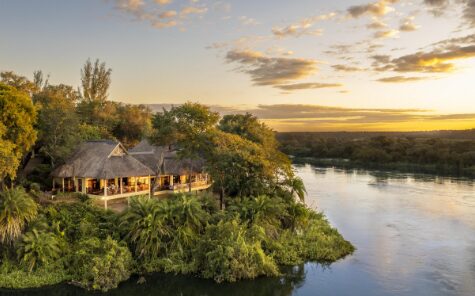
Nestled along the lush banks of the Okavango River in northern Namibia, Divundu is a tranquil village where time moves with the rhythm of the water. Here, the wild whispers of the surrounding Mahango Game Reserve mingle with the quiet hum of local life, offering travelers an unhurried escape into nature’s embrace—a rare blend of serenity and untamed beauty.
Faits sur la destination
- Official Name: Divundu
- Type of Destination: Village
- Brief Description: A tranquil riverside village in northern Namibia, known for its proximity to the Okavango River and lush surroundings.
- Location: Kavango East Region, northern Namibia, near the border with Botswana.
- Significance/Known For: Gateway to the Mahango Game Reserve and Popa Falls, part of the Okavango Delta ecosystem.
- Main Attractions/Key Features:
- Mahango Game Reserve, home to elephants, hippos, and rare bird species.
- Popa Falls, a series of cascades on the Okavango River.
- Riverside lodges offering boat safaris and fishing.
- Best Time to Visit: May to October (dry season) for optimal wildlife viewing and comfortable temperatures.
- Entrance Fee/Ticket Info: N/A (village access is free; fees apply for Mahango Game Reserve and activities).
L'essentiel
- Best Months to Visit: January, February, June, July, August, September
Histoire
History of Divundu
Nestled along the banks of the Okavango River in Namibia's Kavango East Region, Divundu is a small but historically significant village that has long served as a crossroads for trade, culture, and natural abundance. Its history is deeply intertwined with the river, which has sustained the livelihoods of the local Kavango people for centuries. The village's strategic location near the Popa Falls and its proximity to the Mahango Game Reserve have shaped its role as a gateway to both ecological wonders and regional commerce.
Divundu's modern development began in the late 19th and early 20th centuries, as colonial influences and trade routes extended into northern Namibia. However, its roots trace back much further, with the Kavango communities establishing fishing and agricultural practices along the fertile riverbanks. Today, Divundu remains a quiet yet vital stop for travelers exploring the Okavango's pristine landscapes and the rich cultural heritage of the region.
Dates historiques clés
- Pre-19th Century: The Kavango people, primarily of the Mbukushu and Geiriku clans, settled along the Okavango River, developing sustainable fishing and farming practices that endure to this day.
- Late 1800s: European explorers and traders began passing through the area, integrating Divundu into broader regional trade networks, though the village retained its traditional way of life.
- Early 20th Century: The establishment of colonial administrative structures in Namibia brought gradual changes to Divundu, though its remote location limited heavy external influence.
- 1990s: Following Namibia's independence, Divundu saw increased attention as a ecotourism destination, with the Mahango Game Reserve and Popa Falls drawing visitors to its natural beauty.
Visites et excursions d'une journée
Popular Tours & Day Trips from Divundu
1. Mahango Game Reserve Safari
Just a short drive from Divundu, the Mahango Game Reserve offers an intimate safari experience along the Okavango River. This compact reserve is home to elephants, hippos, and rare antelope like the sable and roan. A self-drive or guided tour here is ideal for wildlife enthusiasts and photographers, with the best sightings in the early morning or late afternoon. The reserve is easily accessible, making it perfect for a half-day excursion.
2. Popa Falls Exploration
The Popa Falls, a series of cascades on the Okavango River, are a serene natural attraction near Divundu. Visitors can enjoy leisurely walks along the riverbanks, birdwatching (with over 400 species recorded), or a refreshing swim in designated areas. The falls are particularly enchanting at sunset, casting golden hues over the water. This excursion suits families and nature lovers seeking a tranquil retreat.
3. Bwabwata National Park Day Trip
For a deeper immersion into Namibia's wilderness, a day trip to Bwabwata National Park is a must. The park's diverse ecosystems—floodplains, woodlands, and riverine forests—host lions, buffalo, and migratory birds. Boat tours along the Kwando River provide a unique perspective, while guided walks reveal smaller wonders like orchids and butterflies. Adventurous travelers will appreciate the park's untamed beauty and remote atmosphere.
4. Mbunza Cultural Village Visit
A visit to the Mbunza Cultural Village offers insight into the traditions of the Kavango people. Located near Rundu (a scenic drive from Divundu), this living museum showcases traditional homesteads, crafts, and dances. Visitors can participate in workshops, such as basket weaving or drumming, making it a enriching experience for cultural explorers and families alike.
5. Okavango River Boat Cruise
Departing from Divundu, a boat cruise on the Okavango River is a leisurely way to absorb the region's beauty. Glide past papyrus-lined banks, spot crocodiles basking in the sun, and listen to the calls of African fish eagles. Sunset cruises are especially magical, with the water reflecting the changing colors of the sky. This activity is perfect for those seeking relaxation and gentle adventure.
Quand visiter
Best Time to Visit Divundu
Répartition saisonnière
Divundu, a tranquil village in Namibia's Kavango East Region, experiences distinct dry and wet seasons, shaping the rhythm of life and travel opportunities. The climate here is subtropical, with pronounced variations in temperature and rainfall.
Saison sèche (mai-octobre)
The dry season is marked by cooler temperatures and minimal rainfall, making it the most popular time for visitors. Days are warm (20–30°C), while nights can be chilly, especially in June and July. Wildlife viewing along the Okavango River is exceptional, as animals gather near water sources.
- Pros: Ideal for safaris, birdwatching, and river activities. Roads are easily navigable.
- Cons: Higher tourist numbers, particularly in July and August. Early bookings are advisable.
Saison humide (novembre-avril)
Heavy rains transform the landscape into lush greenery, with temperatures soaring to 35°C or higher. Humidity rises, and afternoon thunderstorms are common. The Okavango River swells, creating a vibrant ecosystem.
- Pros: Fewer tourists, lower prices, and stunning scenery. Birdlife is abundant.
- Cons: Some roads may become impassable. Activities like game drives are less reliable.
Saison intermédiaire (avril-mai et octobre-novembre)
These transitional periods offer a balance between the dry and wet seasons. Temperatures are moderate, and rainfall is sporadic. April and May retain some greenery from the rains, while October brings increasing heat before the rains arrive.
- Pros: Pleasant weather, fewer crowds, and good wildlife sightings.
- Inconvénients: Les précipitations imprévisibles en novembre peuvent perturber les projets de voyage.
Recommandation générale
For optimal wildlife viewing and comfortable weather, June to September is ideal. Budget-conscious travelers or those seeking solitude may prefer the wet season, despite its challenges. The shoulder seasons offer a compelling middle ground.
Considérations
Peak season (July–August) sees higher accommodation rates and busier lodges. Visiting during the wet season requires flexibility, as some activities may be limited. Always check local conditions before traveling.
Ce qu'il faut emporter
Essentials for Divundu’s Rural Setting
Divundu, a village in Namibia’s Kavango East Region, offers a blend of riverine landscapes and rustic charm. Pack thoughtfully for its warm climate, remote terrain, and outdoor activities.
Climate & Comfort
- Lightweight, Breathable Clothing: Cotton or linen garments are ideal for hot days, while a long-sleeved layer protects against evening mosquitoes.
- Wide-Brimmed Hat & Sunglasses: Shield yourself from the intense sun, especially near the Okavango River.
- Sturdy Sandals or Closed-Toe Shoes: Navigate uneven village paths and boat excursions with ease.
Outdoor Preparedness
- High-DEET Insect Repellent: Essential for malaria prevention in this subtropical region.
- Quick-Dry Towel: Useful for impromptu dips in the river or sudden rain showers.
- Compact Binoculars: Enhance wildlife spotting along the riverbanks or in nearby reserves.
Extras pratiques
- Solar-Powered Charger: Electricity can be unreliable; keep devices charged for navigation or emergencies.
- Small Backpack or Dry Bag: Carry essentials during boat trips or market visits while keeping them dry.
- Basic First-Aid Kit: Include antiseptics and antihistamines for minor injuries or insect bites.
Culture
The Rhythm of the Okavango: Life Along the River
Divundu, nestled along the Okavango River in Namibia's Kavango East Region, is a place where water dictates the rhythm of daily life. Unlike many Namibian towns shaped by arid landscapes, Divundu's culture is deeply intertwined with the river's ebb and flow. The local communities, primarily from the Kavango ethnic groups, have developed traditions and livelihoods uniquely adapted to this lush, riparian environment.
Language and Oral Traditions
While many in Divundu speak Rukwangali, the local dialect carries subtle distinctions influenced by proximity to Angola and Botswana. Storytelling under the shade of mangetti trees remains a cherished evening ritual, where tales of the river spirit Nyambi and ancestral heroes are passed down. Visitors might overhear fishermen exchanging proverbs about patience and the whims of the Okavango—a linguistic tapestry woven with humor and wisdom.
Crafts and Daily Artistry
The riverbank is a living workshop. Here, artisans craft makoros (dugout canoes) from sausage trees, a skill requiring generations of knowledge. Women weave intricate baskets from ilala palm, dyed with natural pigments like indigo and ochre—each pattern telling a family's story. Unlike mass-produced souvenirs, these items are made for local use first, with a few pieces sold at the weekly market near the Popa Falls junction.
Where to Observe
- The riverside near Divundu Primary School at dawn, where fishermen prepare their nets.
- The informal stalls along the B8 highway on Fridays, where weavers demonstrate their techniques.
Flavors of the Floodplains
Divundu's cuisine reflects its aquatic abundance. Kapani (tilapia) is smoked over mopane wood and served with muhango, a sorghum porridge with a texture distinct from the maize-based pap found elsewhere in Namibia. A local specialty is mushongo wa nkundu—river spinach stewed with ground peanuts, a dish rarely found outside Kavango homes. For the adventurous, dried buffalo beans (marula seeds) offer a pungent, umami-rich snack sold in brown paper cones at the taxi rank.
Ceremonies and the Sacred
The annual Karuve Festival, held when the floodwaters recede, sees villagers gather to give thanks through drum circles and the kayambwa dance—a hypnotic mimicry of herons wading through shallows. Unlike Namibia's more publicized festivals, this is an intimate affair where visitors may be invited to share a calabash of kashipembe (fermented palm wine), but only after a respectful greeting to the elders.
Practical Etiquette
- When photographing fishermen, a nod to the nearest person is considered polite—silent permission is preferred over verbal interruption.
- Handshakes should be gentle; a firm grip is seen as aggressive.
- Before entering a homestead, pause at the gate and wait to be noticed—knocking is considered abrupt.




