Ulaanbaatar
A vibrant blend of ancient traditions and modern energy, Ulaanbaatar is Mongolia's dynamic capital, where nomadic heritage meets bustling city life, featuring Gandan Monastery, Sukhbaatar Square, and rich cultural festivals.
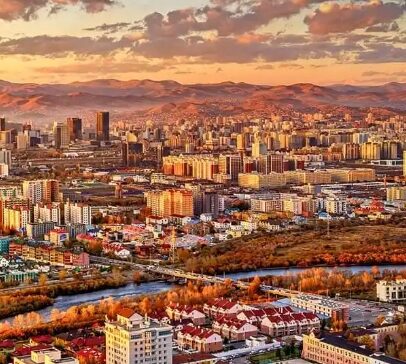
Ulaanbaatar, Mongolia’s spirited capital, is a city of contrasts where Soviet-era architecture meets nomadic traditions. Nestled in the vast steppe, it serves as a gateway to the country’s untamed wilderness while offering glimpses of its rich history through monasteries and museums. Vibrant yet unhurried, it invites travelers to savor its unique blend of urban energy and timeless cultural heritage.
Factos sobre o destino
- Official Name: Улаанбаатар (Ulaanbaatar)
- Type of Destination: City
- Brief Description: The capital of Mongolia, Ulaanbaatar is a dynamic blend of traditional nomadic culture and modern urban life, framed by vast steppes and rugged mountains.
- Location: Central Mongolia, nestled in the Tuul River valley at an elevation of 1,350 meters.
- Year Established/Founded: 1639 (originally as a nomadic Buddhist monastic center, later evolving into a permanent city)
- Governing Body/Management: Ulaanbaatar City Council
- Significance/Known For: The political, economic, and cultural heart of Mongolia, with a rich history tied to Genghis Khan and Tibetan Buddhism.
- Size/Area: 4,704 square kilometers
- Population: Approximately 1.6 million (nearly half of Mongolia's total population)
- Main Attractions/Key Features:
- Gandantegchinlen Monastery, a center of Mongolian Buddhism
- National Museum of Mongolia, showcasing the country's history
- Zaisan Memorial, offering panoramic city views
- Best Time to Visit: Late May to early September for milder weather, though winter offers unique cultural experiences like the Ice Festival.
- Entrance Fee/Ticket Info: Varies by attraction; many museums and religious sites charge modest fees.
- Operating Hours: Government offices and museums typically open 9:00–18:00, closed Sundays; monasteries follow religious schedules.
- Website: ulaanbaatar.mn (official city portal)
Fundamentos
- Melhores Meses para Visitar: maio, junho, julho, agosto, setembro
História
A Brief History of Ulaanbaatar
Ulaanbaatar, the capital of Mongolia, is a city of contrasts—where nomadic traditions meet urban modernity. Founded in 1639 as a movable Buddhist monastic center, it was originally named Örgöö (meaning "residence") and served as the seat of the Jebtsundamba Khutuktu, the spiritual leader of Tibetan Buddhism in Mongolia. Over centuries, it evolved from a nomadic encampment into a permanent settlement, shifting locations 28 times before settling at its current site along the Tuul River in 1778. The city was renamed Niislel Khüree ("Capital Camp") and later, in 1924, became Ulaanbaatar ("Red Hero") under Soviet influence, marking Mongolia's socialist era.
The 20th century brought dramatic changes: Soviet-style urbanization, industrialization, and the suppression of religious institutions. Today, Ulaanbaatar is a bustling metropolis, home to nearly half of Mongolia's population, yet its history lingers in the shadow of the Gandan Monastery and the remnants of Soviet architecture.
Principais datas históricas
- 1639: Founded as Örgöö, a mobile monastic center for the Jebtsundamba Khutuktu.
- 1778: Permanently settled at its current location along the Tuul River, renamed Niislel Khüree.
- 1911: Became the capital of an independent Mongolia after the fall of the Qing Dynasty.
- 1924: Renamed Ulaanbaatar and declared the capital of the Mongolian People's Republic under Soviet influence.
- 1990: Transitioned to democracy following peaceful protests, ending socialist rule.
Excursões e viagens de um dia
Popular Tours & Day Trips from Ulaanbaatar
Gorkhi-Terelj National Park
Just an hour's drive from Ulaanbaatar, Gorkhi-Terelj National Park offers a striking contrast to the city’s urban bustle. Visitors are greeted by rolling meadows, dramatic rock formations like the iconic Turtle Rock, and the winding Terelj River. Ideal for nature lovers and adventure seekers, the park provides opportunities for horseback riding, hiking, and even staying in a traditional ger camp. Families will appreciate the gentle landscapes and the chance to experience nomadic culture firsthand.
Genghis Khan Statue Complex
A short journey east of the capital brings travelers to the imposing Genghis Khan Statue Complex, where a 40-meter-tall equestrian statue of the legendary conqueror dominates the steppe. The site includes a museum delving into Mongolia’s imperial history and a viewpoint at the horse’s head, offering panoramic vistas. History buffs and photographers will find this excursion particularly rewarding, with the entire visit taking roughly half a day.
Bogd Khan Mountain & Hiking Trails
For those seeking a quick escape into nature without venturing far, Bogd Khan Mountain—a UNESCO-listed protected area—lies just south of Ulaanbaatar. Its forested slopes and well-marked trails are perfect for a half-day hike, with the chance to spot wildlife and visit the Manzushir Monastery ruins. This excursion suits active travelers and anyone interested in Mongolia’s spiritual heritage.
Half-Day City Tour: Ulaanbaatar’s Cultural Highlights
A curated exploration of Ulaanbaatar’s key landmarks, this tour often includes the Gandantegchinlen Monastery, where monks still practice Tibetan Buddhism, and the National Museum of Mongolia, offering insights into the country’s rich history. The juxtaposition of Soviet-era architecture with modern developments adds depth to the experience. Ideal for first-time visitors and culture enthusiasts.
Day Trip to Khustai National Park
Approximately two hours west of the city, Khustai National Park is a sanctuary for the endangered Przewalski’s horse, the last truly wild horse species. Guided tours at dusk increase the likelihood of spotting these majestic creatures, along with deer and rare birds. The park’s untouched steppe landscapes appeal to wildlife enthusiasts and those yearning for solitude.
Traditional Mongolian Cooking Class
For a more immersive cultural experience, several local operators offer hands-on cooking classes focused on Mongolian cuisine. Participants learn to prepare dishes like buuz (steamed dumplings) or khorkhog (meat cooked with hot stones), often followed by a communal meal. This half-day activity is perfect for food lovers and families looking to engage with local traditions.
Quando visitar
Repartição sazonal
Ulaanbaatar, the capital of Mongolia, experiences a continental climate with extreme seasonal variations. The city's high altitude and northern latitude contribute to long, harsh winters and short, mild summers. Understanding these seasons is essential for planning a visit.
Winter (December to February)
Winter in Ulaanbaatar is notoriously cold, with temperatures often plummeting below -20°C (-4°F) and occasionally reaching -40°C (-40°F). Snow blankets the city, and daylight is limited. While the frigid weather can be challenging, winter offers unique experiences:
- Pros: Few tourists, lower prices, and the chance to experience traditional Mongolian winter festivals like Tsagaan Sar (Lunar New Year) in late January or February.
- Cons: Harsh conditions may limit outdoor activities, and some attractions may have reduced hours.
Spring (March to May)
Spring is a transitional period, with temperatures gradually rising from freezing to mild (0°C to 15°C / 32°F to 59°F). The city emerges from winter, but dust storms are common in April and May due to strong winds.
- Pros: Fewer crowds, blooming landscapes, and the opportunity to witness Naadam Festival rehearsals in late spring.
- Cons: Unpredictable weather and lingering cold snaps can disrupt travel plans.
Summer (June to August)
Summer is the most popular time to visit, with temperatures ranging from 15°C to 25°C (59°F to 77°F). Days are long and sunny, making it ideal for exploring the city and nearby national parks.
- Pros: Pleasant weather, vibrant cultural events like the Naadam Festival in July, and optimal conditions for hiking and outdoor activities.
- Cons: Higher tourist numbers and elevated accommodation prices.
Autumn (September to November)
Autumn brings crisp air and golden landscapes, with temperatures dropping from mild to freezing (5°C to -10°C / 41°F to 14°F). September is particularly pleasant, while November marks the onset of winter.
- Pros: Stunning fall foliage, fewer tourists, and comfortable weather for city exploration.
- Cons: Shorter days and colder nights as the season progresses.
Recomendação geral
The best time to visit Ulaanbaatar depends on your priorities. For mild weather and cultural events, June to August is ideal. If you prefer fewer crowds and lower prices, consider September or late spring (May). Winter travelers should brace for extreme cold but will find a unique, serene atmosphere.
Considerações
Peak tourist season (summer) brings higher prices and busier attractions, while off-peak periods offer solitude but may limit accessibility to certain sites. Always check local event calendars, as festivals like Naadam can significantly impact travel plans.
O que levar na mala
Essentials for Ulaanbaatar’s Climate
Ulaanbaatar is the coldest capital city in the world, with harsh winters and cool summers. Layering is key, even in warmer months, as temperatures can drop sharply in the evenings.
- Thermal Base Layers: Essential for winter visits, as temperatures often plummet below -20°C (-4°F).
- Insulated Jacket: A high-quality down or synthetic jacket is non-negotiable for winter travel.
- Windproof Gloves & Scarf: The steppe winds are biting, particularly from October to April.
- Sturdy Boots with Grip: Ice and snow cover the city for much of the year—opt for waterproof, insulated footwear.
Practical City Exploration
Ulaanbaatar is a mix of urban sprawl and traditional culture, requiring practical yet adaptable packing.
- Compact Daypack: Useful for carrying layers, water, and souvenirs while navigating markets or monasteries.
- Reusable Water Bottle with Insulation: Keeps liquids from freezing in winter or cool in summer.
- Dust Mask or Scarf: Air pollution can be severe in winter due to coal heating—protection is advisable.
Considerações Culturais
Respectful attire is appreciated when visiting religious sites like Gandan Monastery.
- Modest Clothing: Shoulders and knees should be covered when entering temples.
- Slip-On Shoes: Some traditional venues require removing footwear.
Cultura
Urban Nomadism and Modern Contrasts
Ulaanbaatar, Mongolia’s capital, is a city where the ancient and the contemporary collide. Unlike the vast steppes surrounding it, Ulaanbaatar pulses with a unique energy—part nomadic heritage, part urban dynamism. The city’s cultural identity is shaped by its role as the nation’s political and economic hub, yet it retains deep ties to traditional Mongolian life. Here, ger (yurt) districts sprawl alongside Soviet-era architecture and sleek glass towers, creating a visual tapestry of transition.
Local Etiquette and Social Customs
In Ulaanbaatar, hospitality is paramount, but urban life has introduced subtle nuances. While the traditional khadag (ceremonial scarf) is still offered during formal greetings, handshakes are common in business settings. Avoid pointing with your index finger—a gesture considered impolite—and instead use an open hand. When entering a ger or a home, stepping on the threshold is taboo, a belief rooted in nomadic superstition.
- Always accept tea or snacks when offered; refusal can be seen as disrespectful.
- Public displays of affection are uncommon, though younger generations in the city are more relaxed.
Culinary Distinctiveness
Ulaanbaatar’s food scene blends traditional Mongolian fare with international influences. The city is the best place to sample khuushuur (deep-fried meat pastries) from street vendors, a staple at the bustling Naran Tuul Market. Unlike rural areas, urban cafes serve suutei tsai (salted milk tea) with a modern twist, sometimes sweetened or paired with pastries. For a taste of elite Mongolian dining, seek out restaurants offering boodog (goat or marmot cooked with hot stones), a dish rarely found outside the capital.
Arts and Music
The city is the epicenter of Mongolia’s contemporary arts scene. Galleries like the Union of Mongolian Artists Gallery showcase avant-garde works alongside traditional Mongolian zurag (mineral pigment paintings). Ulaanbaatar’s music scene thrives in venues such as Red Rock, where throat singing (khoomei) meets rock and electronic beats. The annual Playtime Festival highlights this fusion, drawing performers from across the country.
Festivais e eventos
While Naadam is celebrated nationwide, Ulaanbaatar’s version is grander, with elaborate opening ceremonies at Central Stadium. The city also hosts niche events like the Ulaanbaatar International Film Festival, showcasing Mongolian cinema alongside global works. In winter, the Ice Festival transforms Sukhbaatar Square into a glittering spectacle of ice sculptures, a distinctly urban take on Mongolia’s harsh winters.
Historical Layers
Ulaanbaatar’s past is palpable in its architecture. The Gandan Monastery, with its 26.5-meter-high Migjid Janraisig statue, stands as a Buddhist beacon amid Soviet-era blocks. The Choijin Lama Temple Museum offers a quieter glimpse into pre-communist religious life. Meanwhile, the Zaisan Memorial reflects the city’s Soviet ties, its murals depicting Mongolian-Russian camaraderie.




